15-09-26-RalfR-WLC-0048.jpg
Guia 52 / 64 · Salvador · 10 min · 1.952 palavras

Bebidas Brasileiras da caipirinha ao cafezinho

Guia de bebidas brasileiras e caipirinha: como pedir uma caipirinha de verdade, cachaça pura, cerveja gelada, guaraná, água de coco e os sucos e licores da Bahia.

Por Via Avantgarde

O essencial em 30 segundos

A bebida que traz todo mundo é a caipirinha, e este guia de bebidas brasileiras e caipirinha começa por onde deve: cachaça, limão e açúcar, macerados no gelo, e nada mais no copo. Dali o país se abre — cachaça como destilado para beber puro, cerveja servida gelada a ponto de doer numa garrafa de 600 ml dividida, guaraná e a prateleira dos refrigerantes, água de coco na casca à beira-mar, um balcão de sucos com frutas que você nunca provou, os licores de São João e uma cultura de café que corre em duas velocidades. Salvador bebe ao ar livre e em companhia, quase tudo por alguns reais. Aqui está o que pedir, como pedir bem e como atravessar uma tarde longa e quente sem cair.

A caipirinha, feita como deve ser

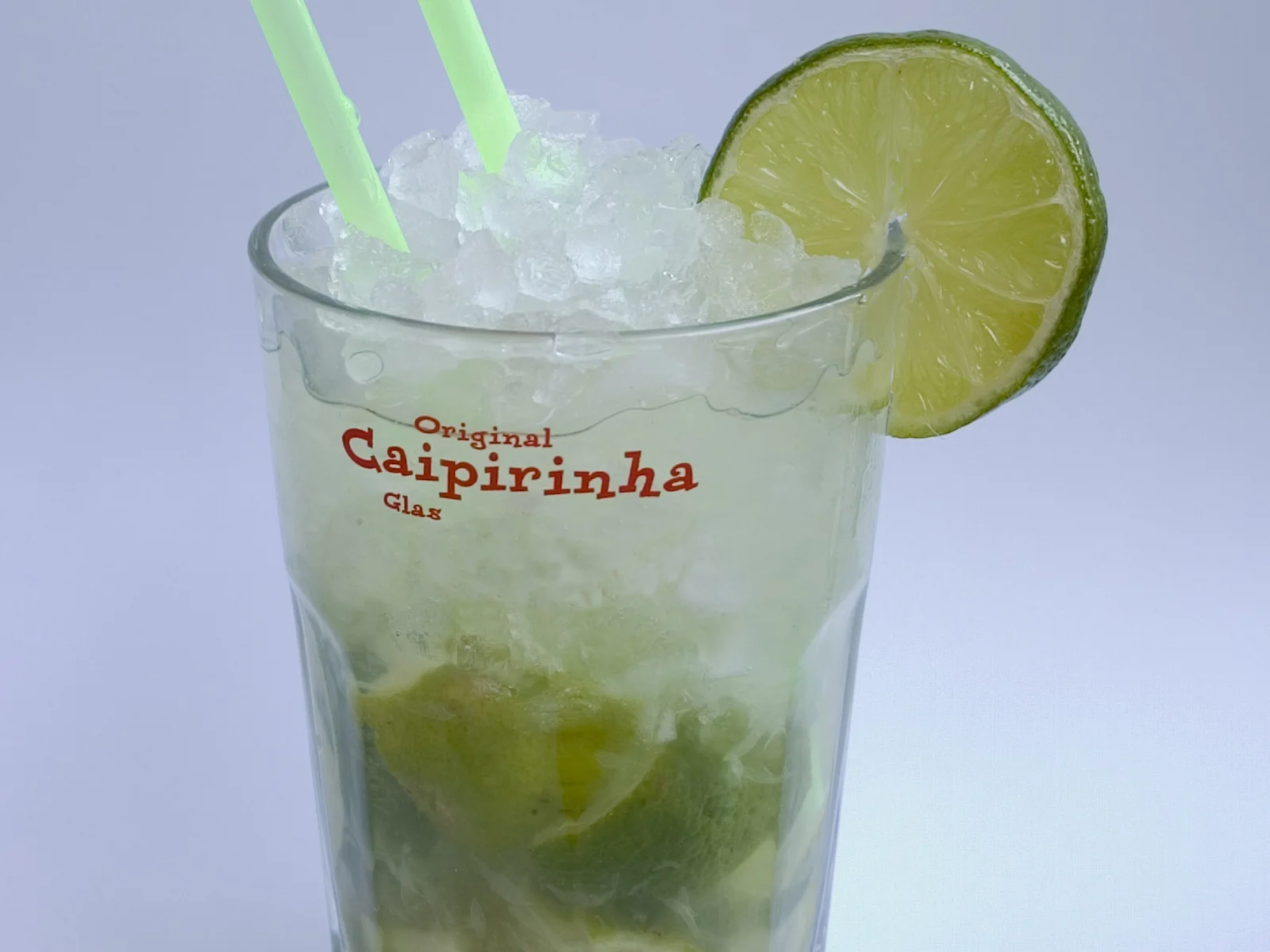
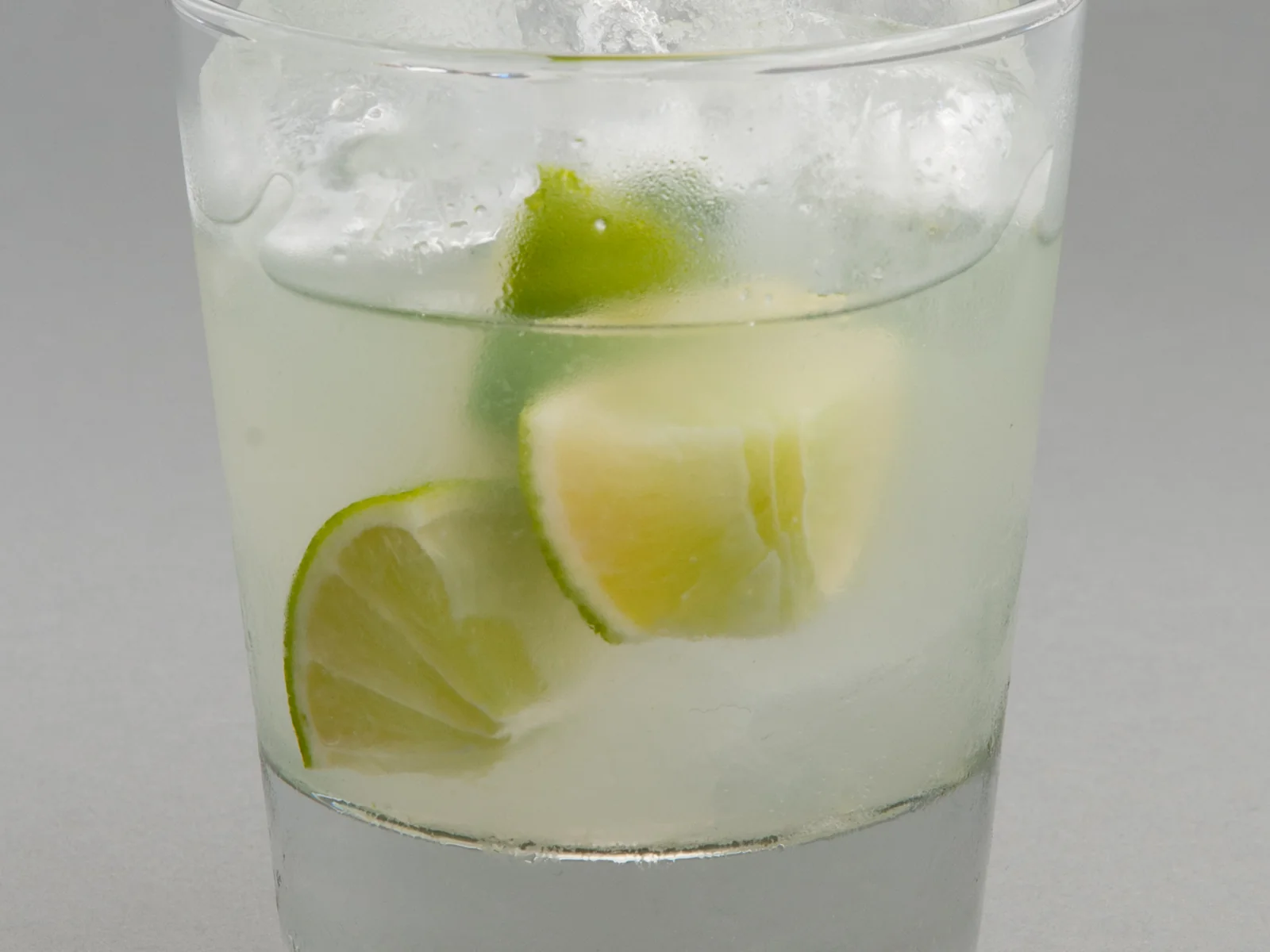
Uma caipirinha de verdade tem três coisas e nada além: cachaça, limão e açúcar. Você corta um limão inteiro — o taiti, pequeno — em pedaços, macera com uma colher de açúcar para soltar o óleo da casca, enche o copo de gelo e completa com cachaça. Sem polpa, sem xarope, sem refrigerante, sem quarto ingrediente secreto. Se vier rosada, espumosa ou com gosto de mistura pronta, alguém cortou caminho. O aviso honesto que vale levar: nas praças turísticas, uma "caipirinha" às vezes é feita com vodca para economizar cachaça, e aí é outra bebida com o mesmo nome. Se quiser a original, peça uma caipirinha de cachaça e acompanhe o preparo.

A variação da Bahia é a caipifruta — a mesma fórmula com uma fruta local amassada junto. As que têm gosto daqui são o umbu, fruta agridoce do sertão; a mangaba, macia e leitosa; e o cajá, ácido, resinoso e bem amarelo. Peça uma caipifruta de umbu uma vez e a versão comum de limão passa a parecer sem graça. E um ponto de honestidade sobre a vodca: feita com vodca, a bebida é uma caipiroska, e não há nada de errado em pedir uma — só peça pelo nome certo, em vez de recebê-la de surpresa.

Bom saber — A caipirinha é mais forte do que parece; o açúcar e o limão escondem uma dose cheia de cachaça, e duas descem mais rápido do que você espera no calor. Se você a prefere menos doce ou menos brava, peça pouco açúcar ou pouco gelo e ela sai na hora, sem frescura.

Cachaça: o que está mesmo embaixo do limão

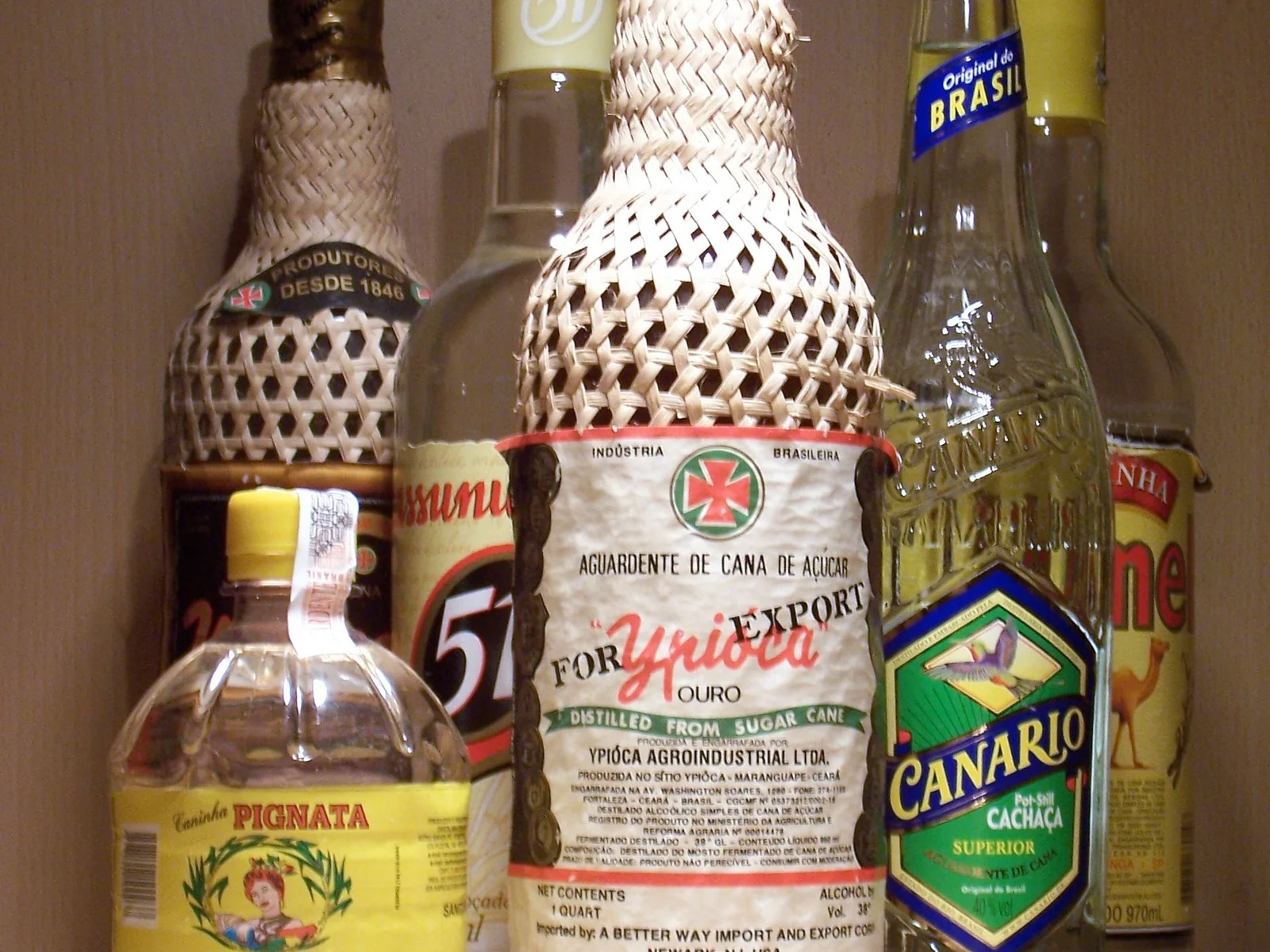
Tire o limão e o açúcar e sobra a cachaça, o destilado de cana do Brasil e o que faz a caipirinha valer a pena. Ela se divide em duas grandes famílias. A cachaça industrial sai de uma coluna de destilação contínua em grande volume — os nomes de supermercado — e é limpa e forte, sem o caráter que se beberia puro. A artesanal é destilada em pequenos lotes num alambique de cobre e, no seu melhor, é um destilado para beber puro, como se faz com um bom rum ou um mezcal. Pode ser branca, sem madeira (prata), ou descansada em barril até virar dourada (ouro, envelhecida). O país tem uns dois mil apelidos carinhosos para ela — pinga, branquinha, aguardente —, o que já diz muito.

Para pedir uma boa, deixe a caipirinha de lado por um instante e peça uma boa cachaça de alambique, artesanal, servida pura num copo pequeno. Na Bahia há dois lugares a apontar. O Recôncavo, a velha terra do açúcar em volta da baía, ainda tem alambiques em atividade vendendo aguardente na barraca, ao lado dos doces de coco. Mas a referência do estado é Abaíra, no alto da Chapada Diamantina: seus alambiques ficam acima dos 1.000 metros e, em 2014, ela virou a única cachaça da Bahia com indicação geográfica, o equivalente brasileiro a uma denominação controlada. O clima de montanha rende uma fermentação lenta e um destilado delicado e aromático — o Mapa da Cachaça lista os produtores, se você quiser procurar.

Cerveja e o ritual da garrafa congelada

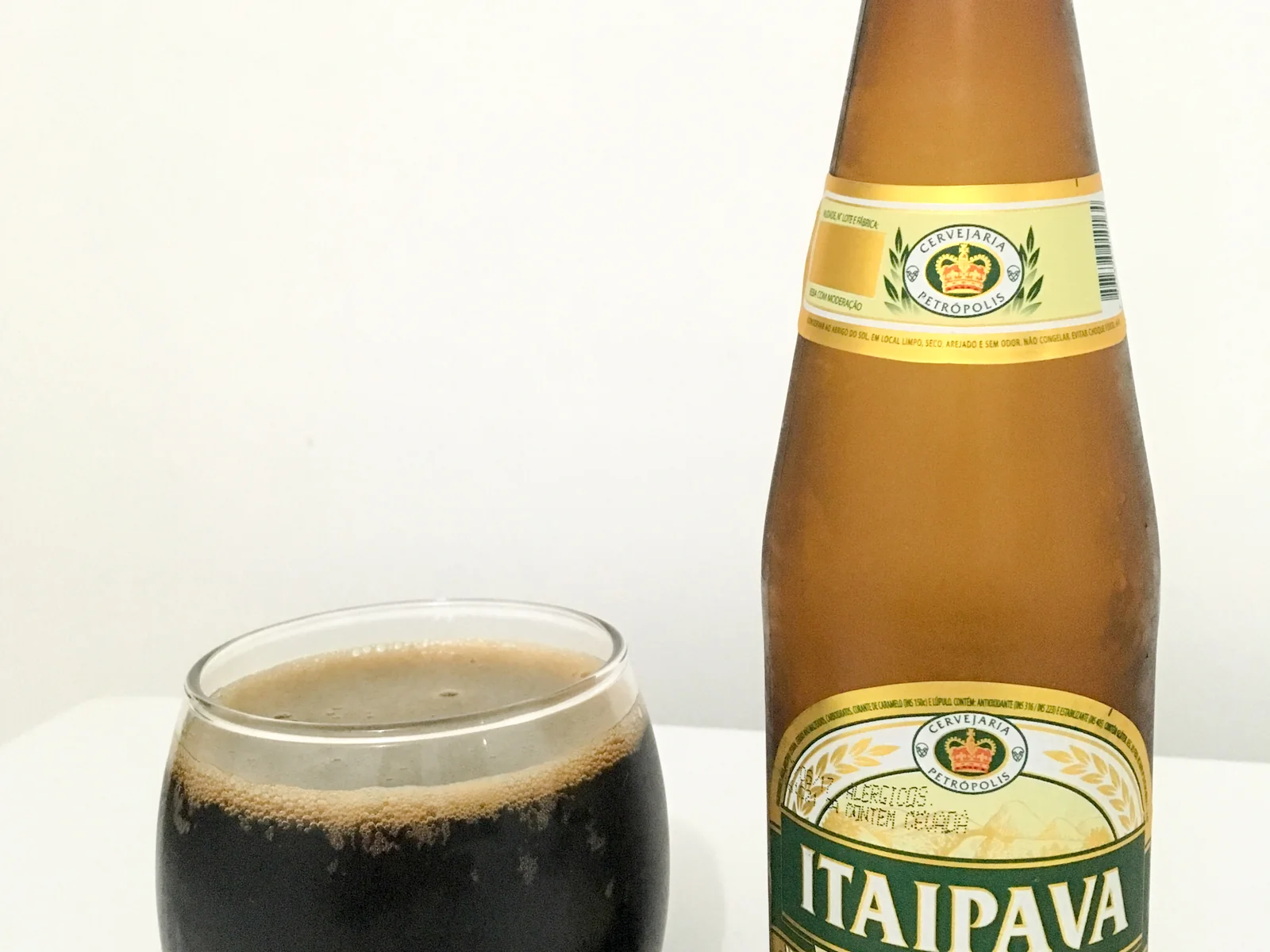
Cerveja na Bahia é lager gelada, e gelada aqui não é força de expressão. O pedido padrão é uma garrafa de 600 ml dividida, na camisa de isopor, servida em copos pequenos para nunca esquentar na mão, e chega estupidamente gelada — muitas vezes com uma casca de gelo no vidro. As pilsens do dia a dia são Skol, Brahma e Antarctica; quem quer subir um degrau pede uma Original, pilsen que remonta a 1931, ou uma Serramalte, lager mais maltada de 5,5% que os habitués juram valer mais na garrafa do que na lata. Numa barraca de praia, a lata ou a garrafa sai por uns R$ 10 a R$ 22 (mais ou menos €2 a €4), preço que paga a cadeira e a sombra tanto quanto a bebida.

A cena artesanal agora é de verdade, e Salvador é o centro dela. A MinduBier, nascida na cidade em 2016, ganhou como melhor do país no World Beer Awards 2023 com a sua MinduIPA; a Proa está em uns oitenta bares pela cidade e tem o próprio salão, o Proa Embassy, na Pituba. Você não vai achar essas na areia — a praia corre na lager de marca grande —, mas os bares do Rio Vermelho e dos bairros mais novos as levam a sério.

Guaraná e a prateleira dos refrigerantes

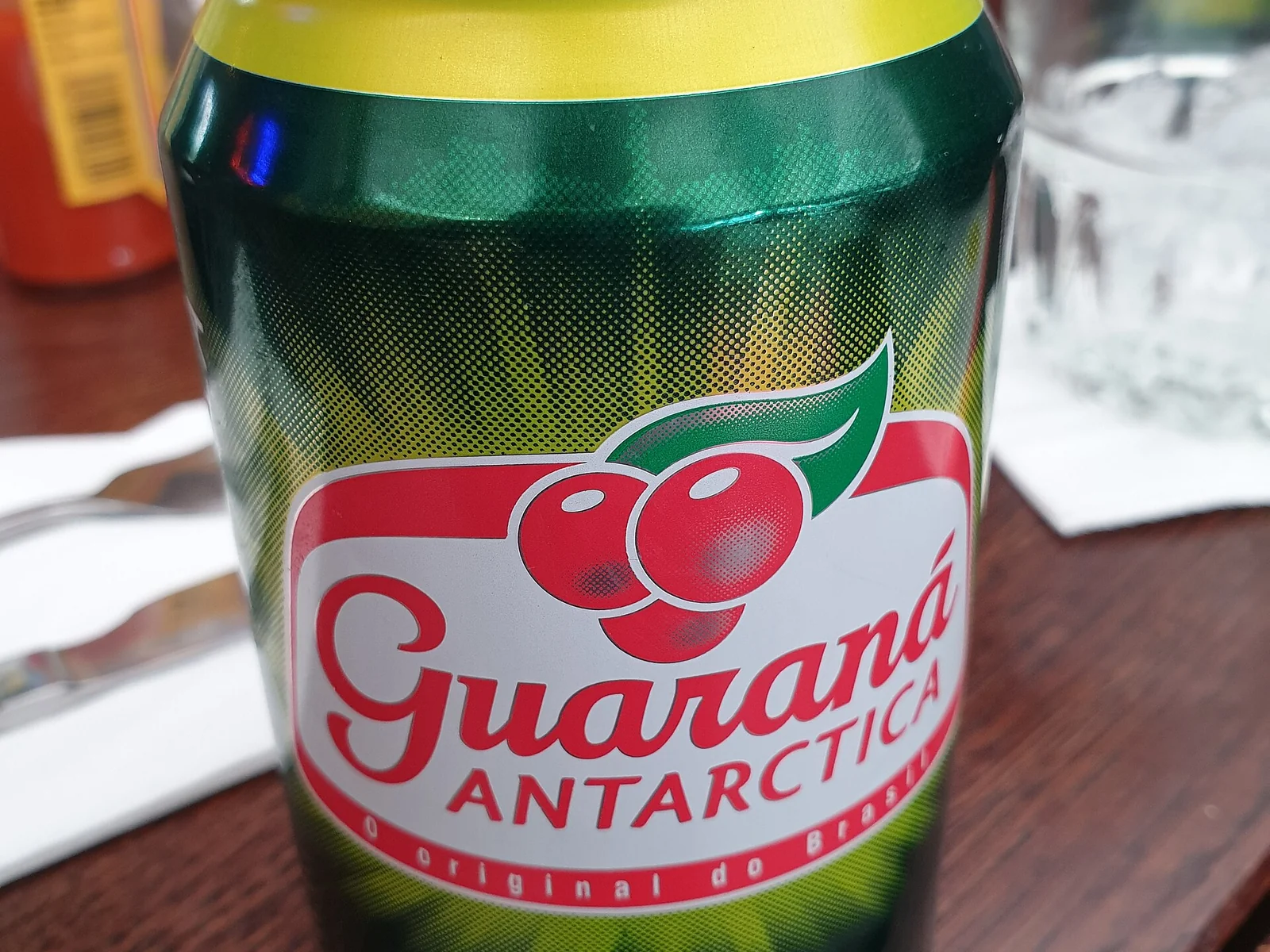
O refrigerante que quer dizer Brasil é o guaraná, e a garrafa que você encontra primeiro é o Guaraná Antarctica, vendido desde 1921. É feito da fruta do guaraná, um fruto vermelho da Amazônia cultivado há muito tempo pelo povo Sateré-Mawé em torno de Maués, rio acima de Manaus; o nome vem do tupi. Não tem gosto de cola — é mais leve e doce, com uma ponta de maçã e frutas vermelhas — e é o par natural de um prato quando não se está bebendo cerveja. Ao lado dele estão o Sukita e as antigas tubaínas regionais, mais doces e artificiais, bebida de festa de aniversário de criança. Peça bem gelada e ela faz boa parte do trabalho de refrescar, como tudo mais nesta lista.

Água de coco, direto na casca

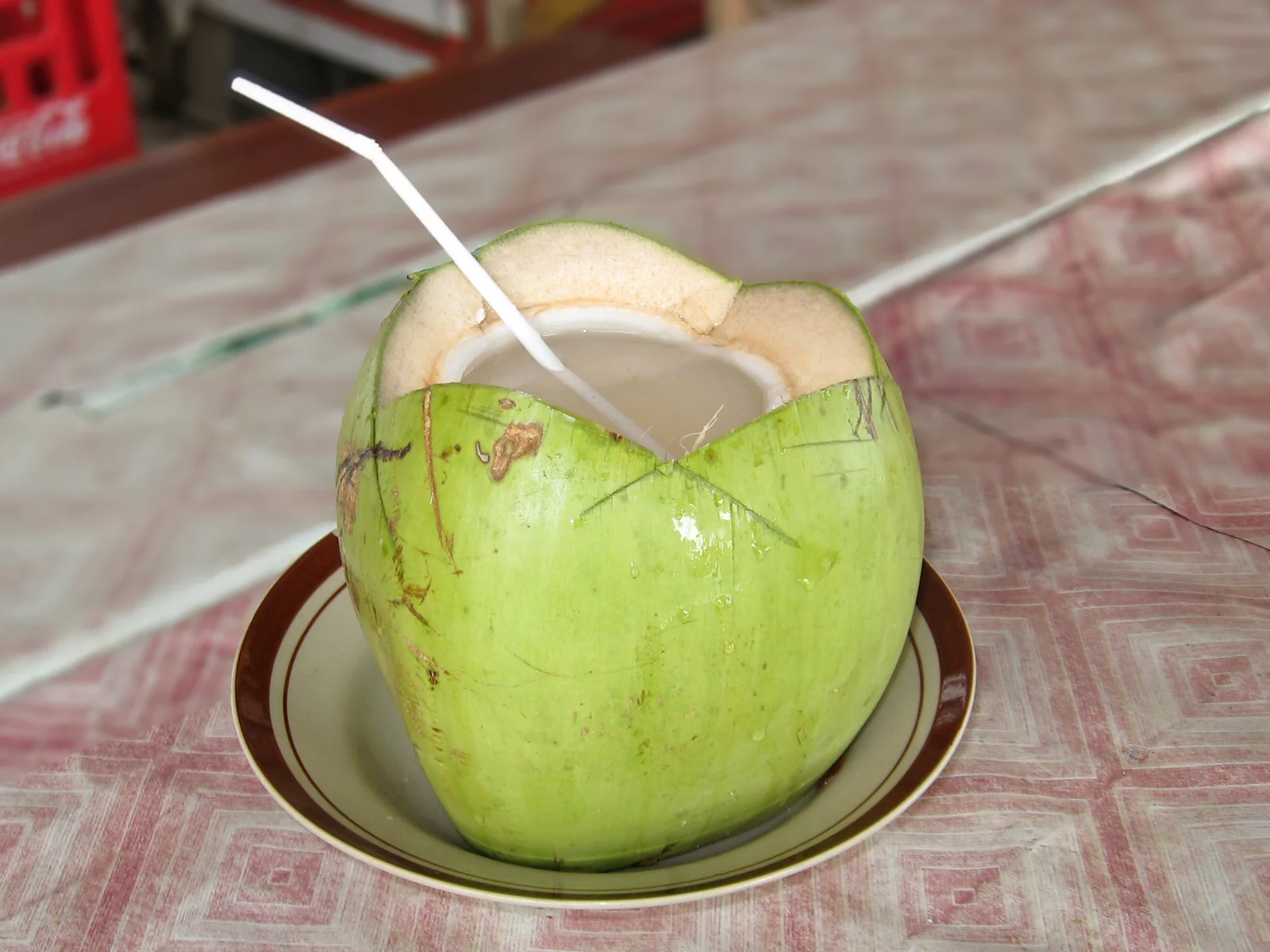
A bebida que sustenta um dia de praia é a água de coco na casca — água de coco verde e gelada, bebida no canudo do próprio coco, aberto na sua frente por alguns reais. É levemente doce, cheia de sais, e das coisas mais úteis que você pode pôr no corpo entre um mergulho e outro; pense nela como o soro da praia. Terminada a água, devolva o coco e o vendedor abre e raspa a polpa mole de dentro para comer com a tampinha. Está em todo lugar onde há areia, e é a espinha dorsal da cultura de praia deste litoral.

Bom saber — Água de torneira não se bebe em Salvador. Fique na água mineral, na água de coco e em latas ou garrafas lacradas para tudo o que for gelado, e você evita o único erro que encurta uma viagem. O gelo de bares e restaurantes da cidade é feito de água filtrada e em geral é seguro.

O balcão de sucos: do cajá ao cacau

O Brasil leva o suco de fruta mais a sério do que quase todo mundo, e uma casa de sucos de esquina lista vinte ou trinta, batidos na hora com água (com água) ou leite (com leite). Peça sem açúcar se preferir sem adoçar, porque em geral vem doce. Os que valem atravessar a rua têm gosto de nenhum outro lugar:

  • Cajá — ácido, amarelo e resinoso, tropical sem ser doce.
  • Umbu — a fruta do sertão, verde e azeda, com um fim macio, quase leitoso.
  • Acerola — ácida e limpa, famosa pela carga de vitamina C.
  • Graviola — encorpada e cremosa, entre a banana e o abacaxi.
  • Cacau — sim, a fruta do cacau; a polpa branca em volta das sementes dá um suco fresco, floral, com uma beirada cítrica, e a Bahia é a terra do cacau no Brasil. Sua prima, o cupuaçu, é mais ácida, mais perto da pera.

Os lugares de sentar que tratam suco e comida com o mesmo cuidado estão reunidos no nosso guia de restaurantes.

Licor de jenipapo e as garrafas de junho

Nos festejos juninos de São João, a bebida da estação é o licor de jenipapo — o fruto marrom e aromático curtido na cachaça com açúcar e servido em copinhos em cada barraca. Cada família tem a própria receita como a certa, e as cidades do Recôncavo engarrafam a sua com toda a seriedade; quando o jenipapo falta, entram as versões de umbu, tamarindo e maracujá. É também a época dos licores de milho e amendoim e do quentão, cachaça quente com especiarias para as noites mais frescas do interior. Como o mês inteiro funciona — as fogueiras, a comida e onde ficar — está no nosso guia de São João.

Café: o cafezinho e a virada do especial

O café do dia a dia aqui é o cafezinho: um gole pequeno e forte, já adoçado, oferecido como gesto de boas-vindas em balcões de loja, escritórios e portas de casa o dia todo. Bebe-se em pé, num ou dois goles, e logo aparece outro. Esse é o ritual, e não vai a lugar nenhum. Mas a Bahia virou, sem alarde, um estado sério de café por cima disso. O café da Chapada Diamantina — cultivado em torno de Piatã, entre 1.000 e 1.600 metros — ganhou a própria denominação de origem em 2024, abrangendo duas dúzias de municípios de montanha, com o caráter de chocolate e castanha que a altitude dá. Em Salvador dá para bebê-lo bem-feito: a Do Coado ao Espresso, torrefação baiana eleita a melhor do país no fim de 2025, serve esses grãos no seu café na Pituba. Peça um cafezinho na rua e um espresso de grãos da Chapada num café, e você tem as duas metades da história.

Como beber por aqui e continuar de pé

Algumas regras não escritas fazem tudo correr bem. A cerveja é coletiva: a garrafa grande é da mesa, você enche o copo dos outros antes do seu e mantém os copos pequenos para nada esquentar. A rodada oferecida perto do fim é a saideira — "a de ir embora" — que é uma promessa que mesa nenhuma jamais cumpriu. Beber na rua é legal e comum aqui, e a cerveja do fim de tarde numa barraca de praia enquanto a luz cai é um dos prazeres de verdade da cidade; nosso guia dos melhores pontos de pôr do sol diz onde tomá-la.

O que derruba as pessoas é o calor, não a bebida. A dois graus da linha do Equador, o sol e o açúcar fazem mais estrago do que o álcool, então segure o ritmo: ponha um copo de água ou uma água de coco entre cada cerveja ou caipirinha, comece mais tarde do que imagina e leve dinheiro trocado ou use o PIX, porque o vendedor de coco não passa cartão. Fazendo isso, uma tarde em Salvador rende horas sem cobrança na manhã seguinte.

Cada uma dessas coisas — a caipirinha do pôr do sol, a garrafa congelada, o cafezinho que te empurram no balcão — fica a poucos minutos da porta se você se hospedar na Cidade Alta. Esse é o argumento silencioso de ficar no centro histórico: você termina a saideira e já está em casa. Dê uma olhada nas nossas suítes boutique, todas a uma curta caminhada dos bares e da baía.

in english

The essentials in 30 seconds

The drink everyone comes for is the caipirinha, and this Brazilian drinks caipirinha guide starts where it should: cachaça, lime and sugar over ice, and nothing else in the glass. From there the country opens up — cachaça worth sipping neat, beer so cold it stings from a shared 600 ml bottle, guaraná and the soft-drink shelf, água de coco from the shell on the beach, a juice counter of fruit you have never tasted, the June liqueurs of São João, and coffee at two speeds. Salvador drinks outdoors and in company, most of it for a few reais — here is what to order, how to order it well, and how to last a long afternoon in the heat.

The caipirinha, made the way it should be

A real caipirinha has three things in it and no more: cachaça, lime and sugar. You cut a whole limão — the small Tahiti lime — into chunks, muddle it with a spoon of sugar to pull the oil out of the skin, fill the glass with ice and top it with cachaça. No purée, no syrup, no soda, no secret fourth ingredient. If it arrives pink or frothy or tasting of a bottled mixer, someone has cut a corner. One honest warning: on the tourist squares a "caipirinha" is sometimes made with vodka to save on cachaça. If you want the original, ask for a caipirinha de cachaça and watch it built.

Bahia's own twist is the caipifruta — the same formula with a local fruit crushed in. The ones that taste of this place are umbu, the sweet-sour fruit of the dry interior; mangaba, soft and milky; and cajá, sharp, resinous and bright yellow. Order a caipifruta de umbu once and the plain lime version feels like a warm-up. And to be straight about the vodka: made with vodka the drink is a caipiroska, a perfectly good thing to order — just under its right name, not by surprise.

Good to know — A caipirinha is stronger than it tastes; the sugar and lime hide a full measure of cachaça, and two go down faster than you would expect in the heat. If you like it less sweet or less fierce, ask for pouco açúcar (less sugar) or pouco gelo (less ice) and it will be made to order without any fuss.

Cachaça: what is actually under the lime

Pull the lime and sugar away and you are left with cachaça, Brazil's sugarcane spirit and the thing that makes the caipirinha worth drinking. It splits into two broad families. Industrial cachaça comes off a continuous column still in huge volume — the supermarket names — and is clean and strong, without the character you would sip on its own. Artesanal cachaça is distilled in small batches in a copper pot still, an alambique, and at its best it is a spirit you sip neat, pura, the way you would a good rum or a mezcal. It can be unaged and clear (prata or branca) or rested in wood until it turns gold (ouro, envelhecida). The country has some two thousand fond nicknames for it — pinga, branquinha, aguardente — which tells you how it is regarded.

To order a good one, skip the caipirinha and ask for uma boa cachaça de alambique, artesanal, served pura in a small glass. In Bahia, two places to point at. The Recôncavo, the old sugar country around the bay, still has working stills selling raw cane spirit off the stall next to the coconut sweets. But the state's benchmark is Abaíra, high in the Chapada Diamantina: its stills sit above 1,000 metres, and in 2014 it became the only cachaça in Bahia to earn a geographic indication, the Brazilian equivalent of a controlled appellation. The mountain climate makes for a slow ferment and a delicate, aromatic spirit — the Mapa da Cachaça lists the producers if you want to go looking.

Beer, and the ritual of the frozen bottle

Beer in Bahia means cold lager, and cold here is not a figure of speech. The default order is a shared 600 ml garrafa in a foam jacket, poured into small cups so it never warms in your hand, and it arrives estupidamente gelada — stupidly cold, often with a skin of ice on the glass. The everyday pilsens are Skol, Brahma and Antarctica; a step up is an Original, a crisp pilsen going back to 1931, or a Serramalte, a maltier 5.5% lager that regulars swear is better from the bottle than the can. At a beach barraca a can or bottle runs about R$ 10 to R$ 22 (roughly €2 to €4), which pays for the chair and the shade as much as the drink.

The craft scene is real now, with Salvador at its centre. MinduBier, started in the city in 2016, won its category at the World Beer Awards 2023 with the MinduIPA; Proa pours across some eighty bars and runs its own taproom, the Proa Embassy, in Pituba. You will not find these on the sand — that runs on big-brand lager — but the bars of Rio Vermelho and the newer neighbourhoods take them seriously.

Guaraná and the soft-drink shelf

The soft drink that means Brazil is guaraná, and the bottle you will meet first is Guaraná Antarctica, first sold in 1921. It is made from the guaraná berry, a bright-red Amazon fruit long cultivated by the Sateré-Mawé people around Maués, upriver from Manaus; the name comes from their Tupi word for it. It does not taste like cola — lighter and sweeter, with a faint apple-and-berry note — and it is the standard partner to a plate of food when you are off the beer. Alongside it sit Sukita and the older regional tubaínas, sweeter and more artificial, the drink of a childhood birthday party. Ask for it bem gelada and it does a lot of the same cooling work as everything else on this list.

Água de coco, straight from the shell

The one drink that keeps a beach day going is água de coco na casca — cold green-coconut water drunk through a straw from the nut itself, hacked open in front of you for a few reais. It is faintly sweet, full of salts, and about the most useful thing you can drink between swims — the beach drip. When the water is gone, hand the coconut back and the vendor splits it and shaves off the soft jelly inside to eat with the lid. It is everywhere the sand is, and it is the backbone of the beach culture that runs this coast.

Good to know — Tap water is not for drinking in Salvador. Stick to bottled water, água de coco and sealed cans or bottles for anything cold, and you sidestep the one mistake that ends a trip early. Ice in city bars and restaurants is made from filtered water and is generally fine.

The juice counter: cajá to cacau

Brazil takes fruit juice more seriously than almost anywhere, and a corner casa de sucos will list twenty or thirty, blended to order with water (com água) or milk (com leite). Ask for it sem açúcar if you would rather it were not sweetened, because it usually is. The ones worth crossing the street for taste of nowhere else:

  • Cajá — sharp, yellow and resinous, tropical without being sweet.
  • Umbu — the fruit of the dry backlands, green and tart with a soft, almost milky finish.
  • Acerola — the Barbados cherry, clean and sour and famously loaded with vitamin C.
  • Graviola — soursop, thick and custardy, somewhere between banana and pineapple.
  • Cacau — yes, the cocoa fruit; the white pulp around the beans makes a fresh, floral, citrus-edged juice, and Bahia is Brazil's cocoa country. Its cousin cupuaçu is tangier, closer to pear.

The sit-down places that treat juice and food with the same care are gathered in our restaurant guide.

Licor de jenipapo and the bottles of June

Come the June festivals of São João, the drink of the season is licor de jenipapo — the aromatic brown genipap fruit steeped in cachaça with sugar and poured into little cups at every stall. Every family holds its own recipe to be the right one, and the Recôncavo towns bottle theirs seriously; when the jenipapo runs short, umbu, tamarind and passion-fruit versions fill in. This is also the season of the corn-and-peanut liqueurs and of quentão, warm spiced cachaça for cooler nights inland. How the whole month works — the bonfires, the food and where to stand — is in our São João guide.

Coffee: the cafezinho, and the specialty turn

Everyday coffee here is the cafezinho: a small, strong shot, already sweetened, handed over as a welcome at shop counters, offices and front doors all day. You drink it standing, in a swallow or two, and another appears before long. That is the ritual, and it is not going anywhere. But Bahia has quietly become a serious coffee state on top of it. The coffee of the Chapada Diamantina — grown around Piatã between 1,000 and 1,600 metres — earned its own denomination of origin in 2024 across two dozen mountain municipalities, with the chocolate-and-nut character altitude gives. You can drink it made properly in Salvador: Do Coado ao Espresso, a Bahian roaster judged the country's best in late 2025, pours these beans at its café in Pituba — the specialty end of a coffee culture that still runs, day to day, on the sweet little cafezinho.

How to drink here, and stay standing

A few unwritten rules keep it smooth. Beer is communal: the big bottle belongs to the table, you fill other people's cups before your own, and you keep the cups small so nothing warms up. The round offered near the end is the saideira — "the one for the road" — a promise no table has ever actually kept. Drinking in the street is legal and ordinary here, and the late-afternoon beer at a beach barraca as the light goes is one of the real pleasures of the city; our guide to the best sunset spots says where to take it.

The heat, not the drink, is what catches people out. Two degrees south of the line, the sun and the sugar do more damage than the alcohol, so pace it: a glass of water or an água de coco between every beer or caipirinha, a later start than you think, and small notes or PIX, since the coconut vendor takes no card. Do that and a Salvador afternoon runs for hours without a reckoning the next morning.

Every one of these — the sunset caipirinha, the frozen garrafa, the cafezinho pressed on you at a counter — is a few minutes from the door if you base yourself in the Cidade Alta. That is the quiet case for the historic centre: you finish the last round and you are already home. Have a look at our boutique suites, a short walk from the bars and the bay.

A cidade ao seu lado

Pronto para conhecer Salvador?

Reserve uma das quatro suítes da Via Avantgarde no Pelourinho — e receba os guias completos com recomendações para a sua estadia.