Is Salvador Safe? a guide for tourists
Is Salvador safe for tourists? Usually yes, with big-city common sense. A guide to theft, neighborhoods, night rules, scams and emergency numbers.
The essentials in 30 seconds
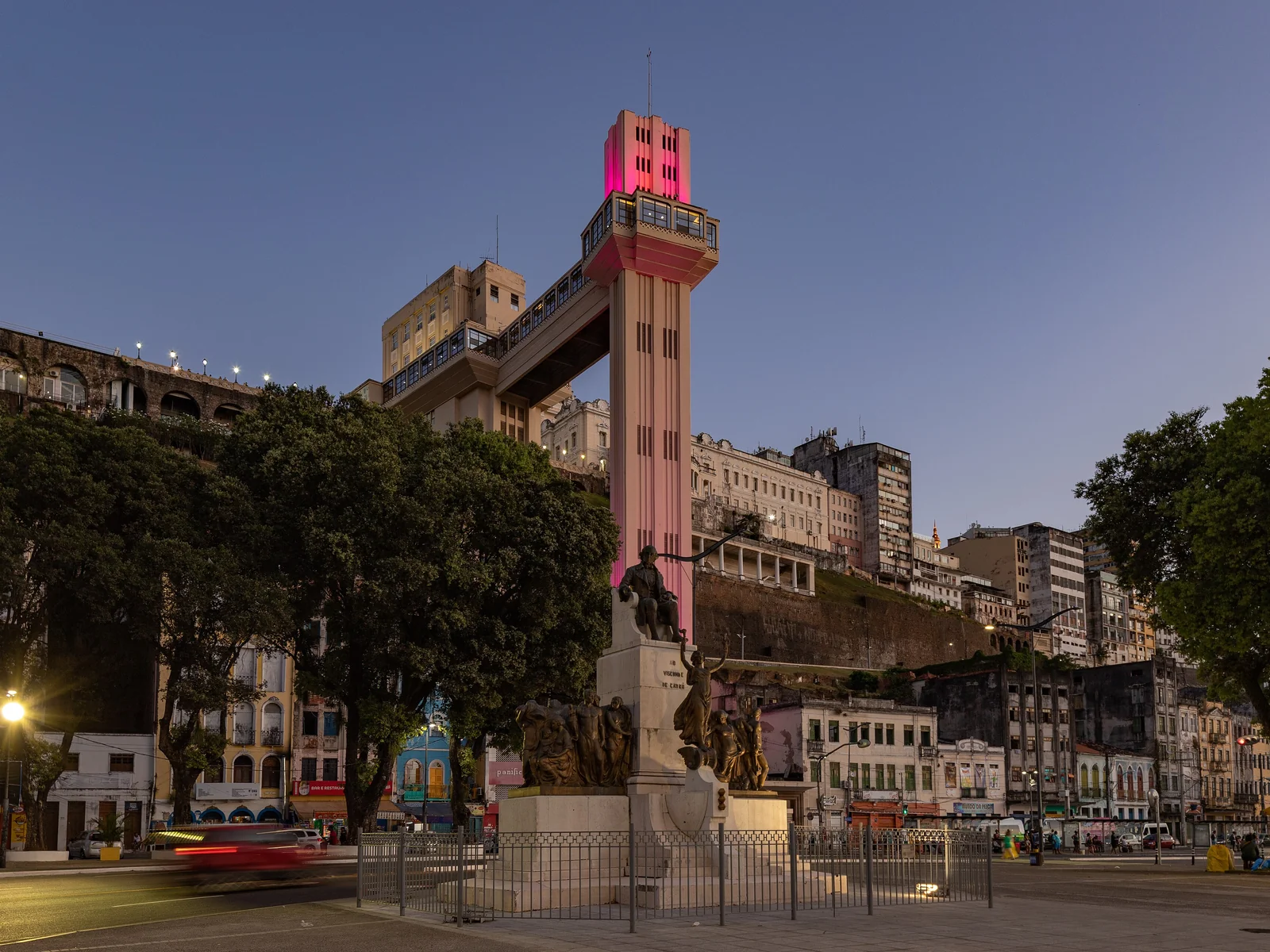
Is Salvador safe? For most visitors, yes — the vast majority of trips pass without incident, and the serious violence you may have read about is concentrated in outlying neighborhoods tourists never see. The real, everyday risk is opportunistic theft: a phone snatched off a café table, a bag lifted in a crowd. Treat Salvador like any big city — keep valuables low-profile, use Uber or 99 instead of street taxis, stick to busy streets after dark — and you will be fine. Basing yourself in the well-trafficked Cidade Alta, near the Elevador Lacerda and the Pelourinho, keeps you where the foot traffic and the tourist police are.
Is Salvador safe for tourists?
Is Salvador safe? The honest answer is yes — with the normal precautions you would take in any large city, and a couple that are specific to Brazil. Salvador is a city of roughly 2.4 million people, the cultural heart of Bahia and one of Brazil's great destinations, and hundreds of thousands of foreigners visit every year without trouble. It is also a real city, with real inequality and real property crime, and pretending otherwise would not help you. This guide is not here to scare you or sell a fantasy: it tells you where the real risks are, so you can relax about the rest.
Two national reference points are worth a look before you fly. The UK's Foreign Office keeps a plain, current Brazil safety and security page, and the US State Department lists Brazil at Level 2, exercise increased caution — the same tier as many mainstream destinations. Neither advises against visiting Salvador.
The real risk: opportunistic theft, not violent crime
Here is the distinction that matters. Salvador's headline crime numbers are driven overwhelmingly by conflict in low-income peripheral districts — places with no reason for a tourist to go, far from any attraction. In the areas visitors actually spend time, the thing to guard against is opportunistic theft: pickpocketing, phone-snatching, and the occasional bag grab. It is rarely violent, and it is almost always preventable.
Thieves look for easy targets — a phone left face-up on a restaurant table, an expensive camera swinging from a neck, a wallet in a back pocket, someone standing still staring at a map. Give them nothing easy and you drop off their radar. Most people who get through a Salvador trip untouched did not get lucky; they simply did not stand out.
A neighborhood read for visitors
Salvador's visitor zones sit on the high peninsula and along the coast, and each has its own rhythm.
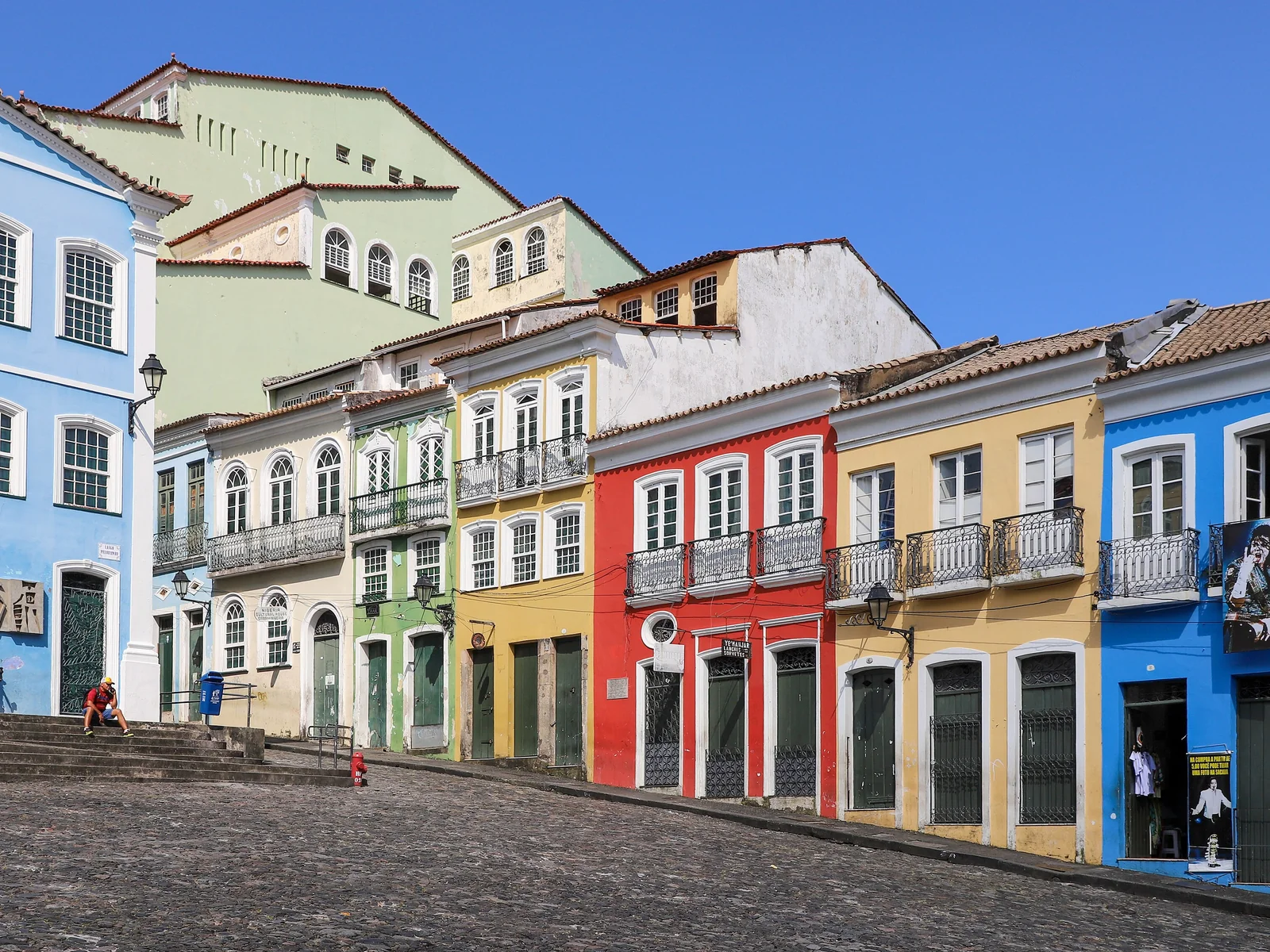
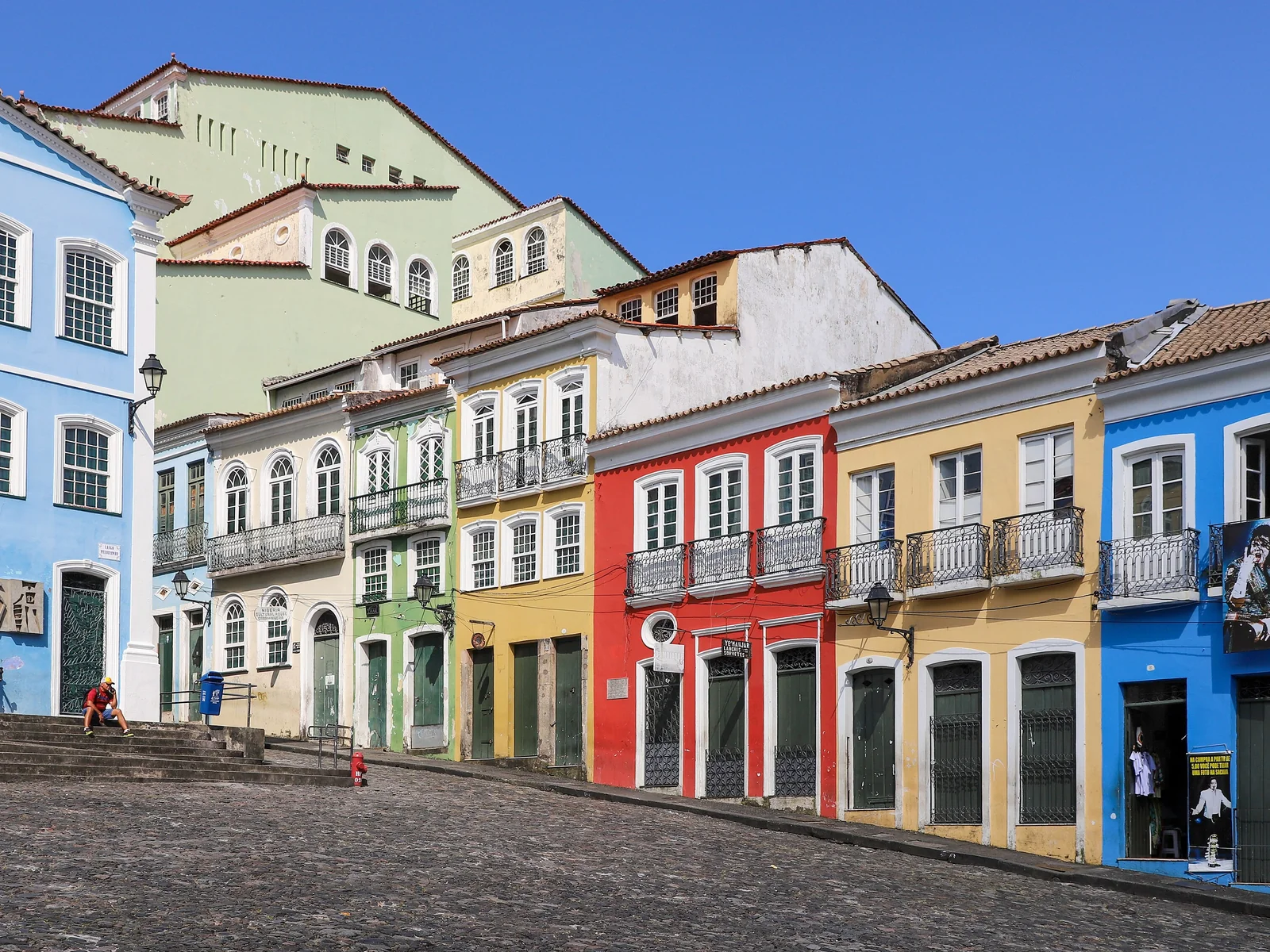
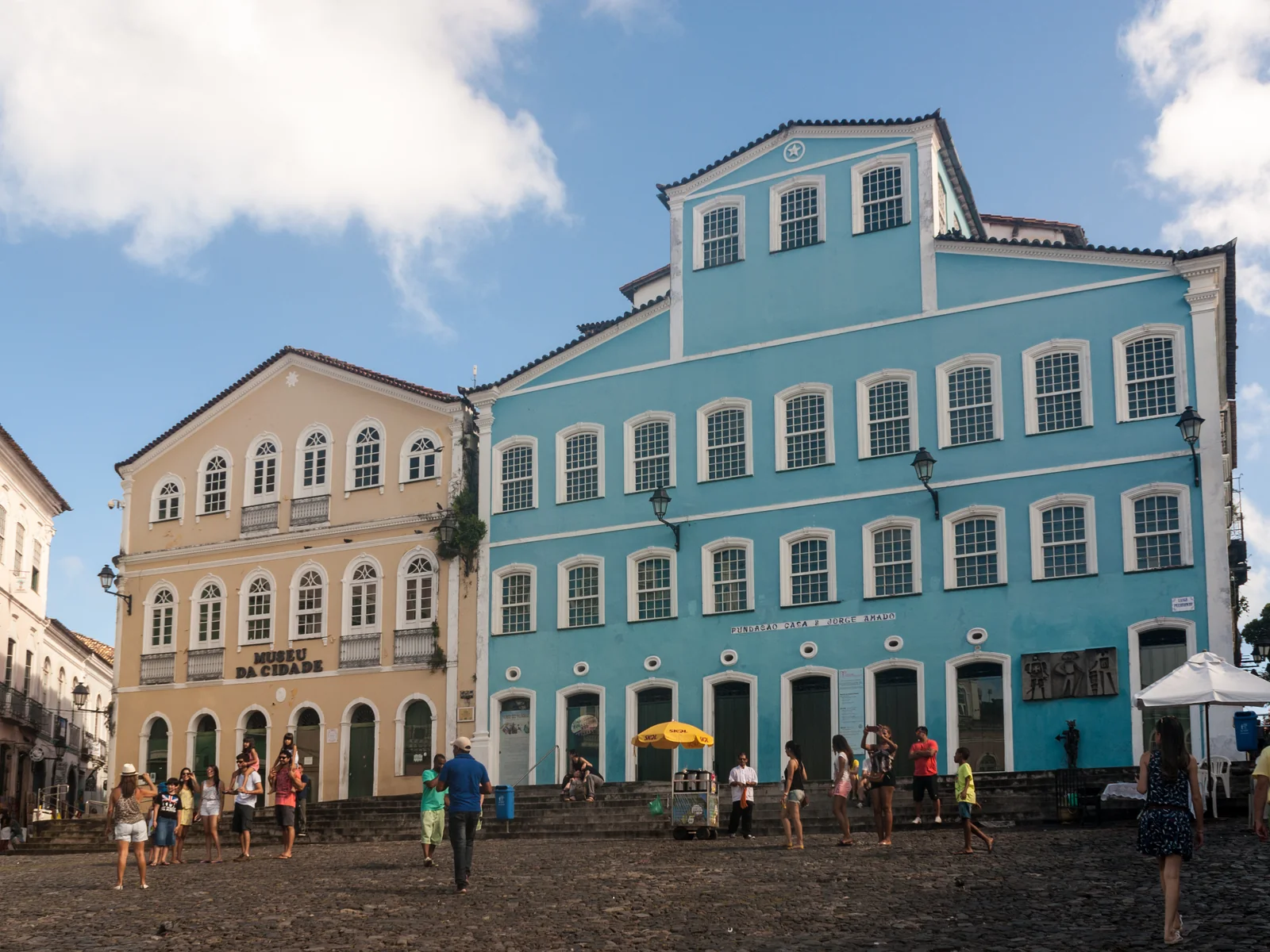
- Pelourinho and the Cidade Alta — the historic core, lively and well-patrolled by day. Bahia's Military Police run a dedicated tourist operation here: you will see the Ronda, officers on foot and motorbike, plus a tourist-police post. Daytime and early-evening hours are comfortable. The squares thin out late at night, and when the crowd goes, so should you — stick to busy streets or take a car.
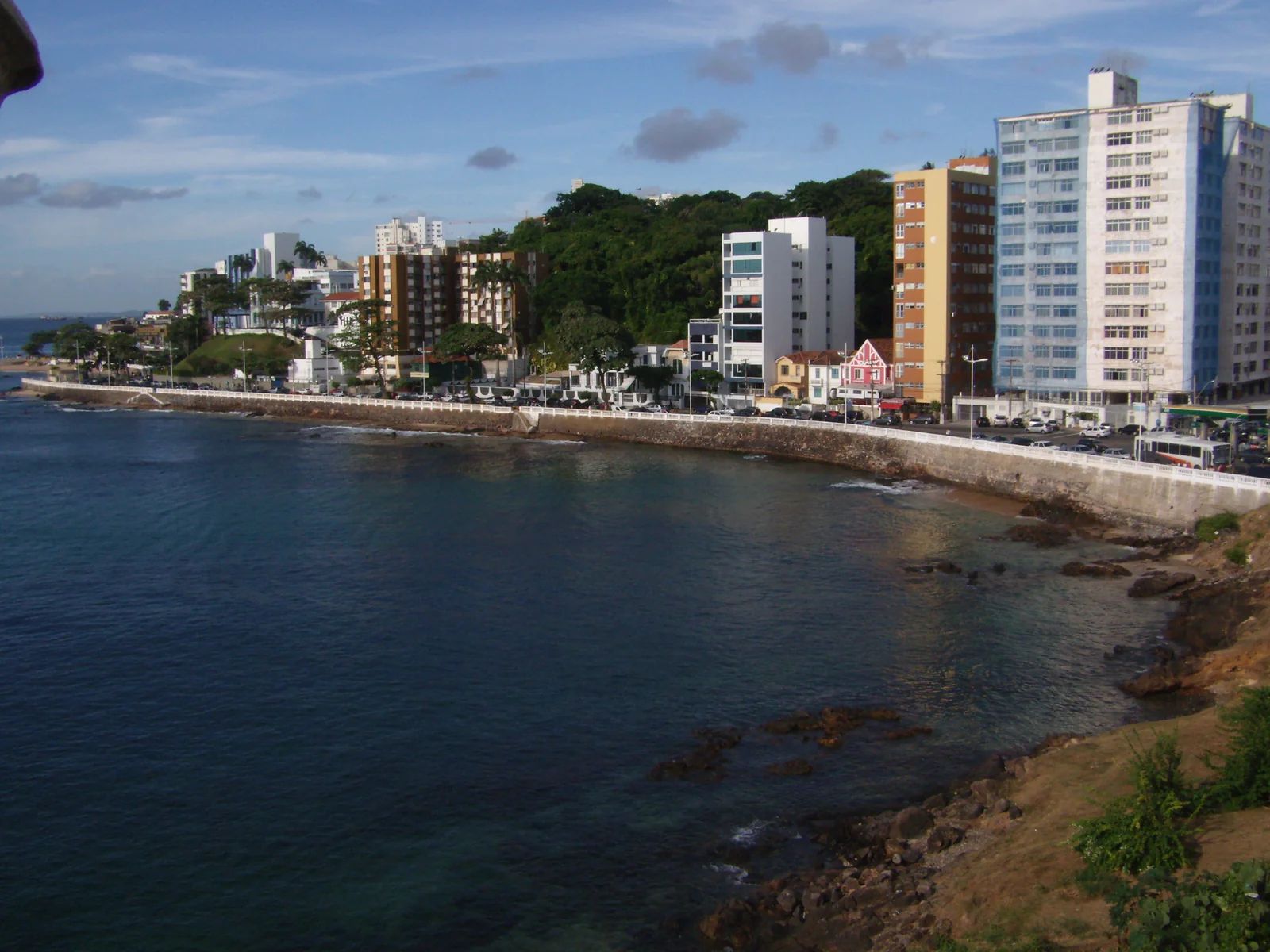
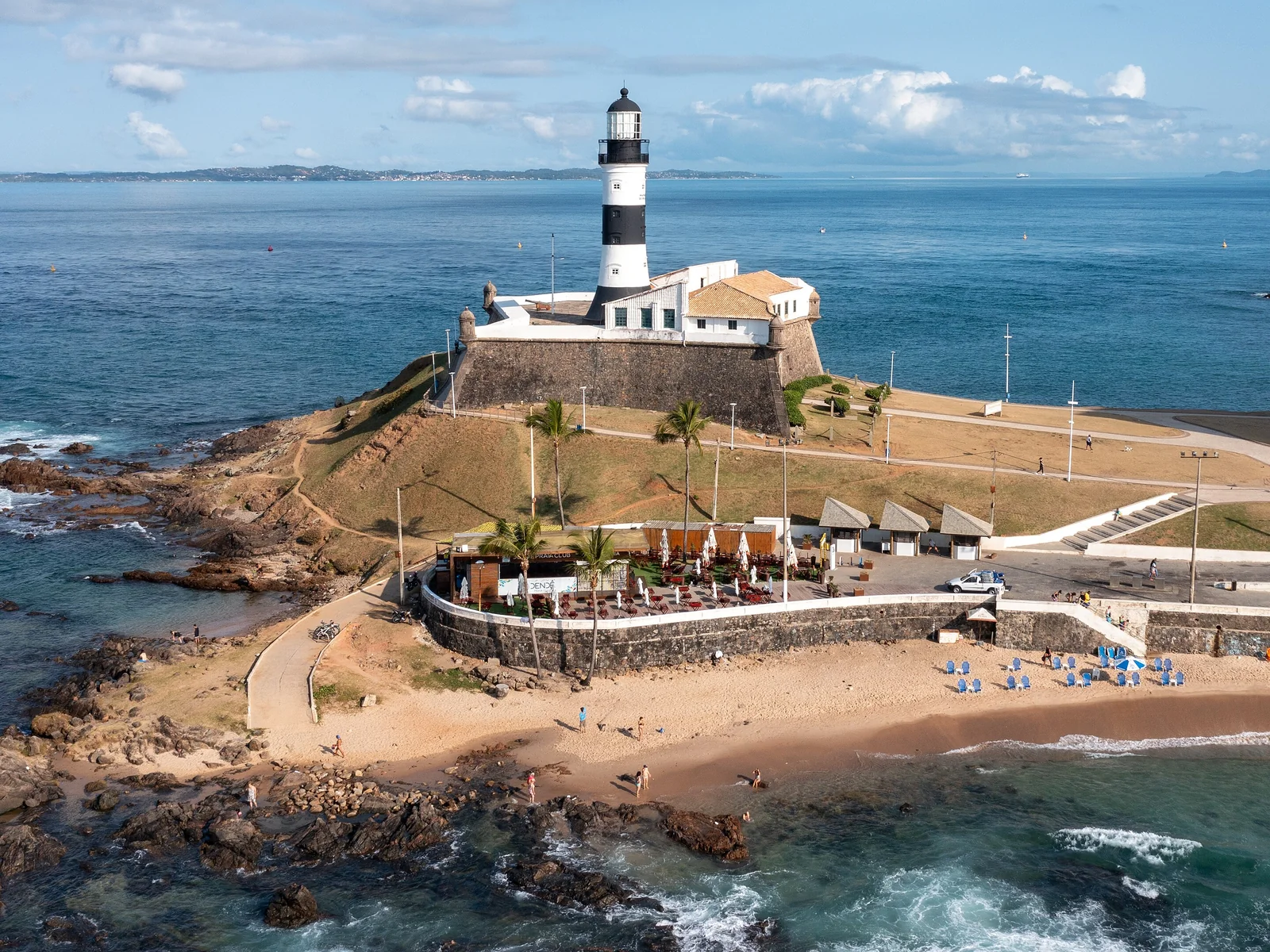
- Barra — a busy residential-and-tourist neighborhood with a seafront promenade, the lighthouse, and open-air restaurants; comfortable to walk well into the evening.
- Rio Vermelho — the bohemian nightlife district, fine within its cluster of bars and squares; take a car back rather than walking home late.
- Ondina and Graça — calmer coastal and residential areas next to Barra, easy and low-key by day.
What to skip: do not wander into unfamiliar low-income or peripheral neighborhoods, and avoid empty streets at night anywhere. If you want to see a favela, go only with a reputable, established local guide — never on your own and never on a casual invitation. As Wikivoyage bluntly puts it, if there are no other visitors around, it is probably not a place you should be.
Is Salvador safe at night? Day-and-night habits
Is Salvador safe at night? It can be, in the right places and with the right habits — but night is when to be most deliberate. The most useful mindset is to walk with purpose: look like you know where you are going, even when you do not. Beyond that, a short list covers it.
- Keep it low-profile. No flashed jewelry, no dangling camera, no phone out on the table. Bring a cheap day-bag, not a designer one.
- Carry little. Take the cash you need for the day and one card; leave your passport, spare cards, and anything you would hate to lose in your suite safe.
- Use your phone briefly. Check the map in a shop or café doorway, not standing on a corner. An older handset makes a good street phone.
- Prefer Uber or 99 over street taxis. Both ride-apps work well across Salvador, the price is fixed and tracked, and you skip the unlicensed-cab risk the FCDO flags. After dark, take a car rather than walking, especially alone.
- Do not walk alone late on quiet or unfamiliar streets — the short fare is always worth it.
Beaches and Carnival crowds
Salvador's beaches and its street Carnival are two of the best reasons to come, and two of the easiest places to lose a phone. Both are pickpocket territory precisely because everyone is relaxed, packed together, and distracted. The rule is simple: bring as little as possible. On the beach, take a bit of cash, sunscreen, and a beach phone if any, and never leave your things unattended while you swim. For Carnival and other big crowds, wear a cross-body pouch under your arm, leave every valuable at home, and agree on a meeting point with your group in case phones die or you get separated.
Common scams and what to do if you are robbed
The scams here are the ordinary big-city kind. Watch for card-cloning at ATMs (use machines inside banks or malls, and cover the keypad), the friendly stranger who gets a little too close in a crowd, distraction plays where one person asks the time while another works your bag, and inflated prices for tourists — agree a price before a taxi ride, an informal tour, or a market purchase.
And the one rule that matters most: if you are ever robbed, do not resist. Hand over the phone, the bag, the cash. None of it is worth your safety, everything in it is replaceable, and confrontation is the moment a theft can turn into something worse. Give it up, walk away, and report it afterward.
Solo travelers, women, and LGBTQ+ visitors
Salvador is a common and rewarding stop for solo travelers, including solo women, and the same playbook applies: low-profile, cars after dark, busy streets, and the willingness to leave any situation that feels off. Bahians tend to be warm and quick to help. As anywhere, be a little more cautious with dating apps and with letting strangers know you travel alone.
Salvador is also, by Brazilian standards, comparatively welcoming to LGBTQ+ visitors — it has a long-running Pride and an established gay scene, and same-sex couples are a normal sight in the tourist areas. The sensible advice is the same you would use in any unfamiliar city: read the room, and keep the general discretion that makes sense in less touristy or late-night settings.
Emergency numbers in Salvador
Save these before you go. They work from any phone, and you do not need credit to dial them.
- 190 — Military Police, the number for a crime in progress
- 192 — SAMU, ambulance and medical emergencies
- 193 — Fire brigade, which also handles rescue
Salvador also runs a tourist-police service in the Pelourinho that handles incidents involving foreign visitors, with officers used to working across a language barrier. Your host can point you to the current station and help you file a report if you ever need one.
None of this should put you off. Salvador rewards the traveler who arrives with a little street sense and gets on with enjoying one of the most extraordinary cities in the Americas. The most reliable safety measure of all is simply where you sleep: a base in the well-trafficked Cidade Alta, steps from the Elevador Lacerda and the Pelourinho, keeps you inside the foot traffic and the patrolled old-town core rather than out on a quiet edge. That is exactly where the Via Avantgarde suites sit, and once you settle in, most of this guide becomes second nature. When you are ready, reserve your dates, then read the practical guide and the neighborhood guide next.
Salvador, in images
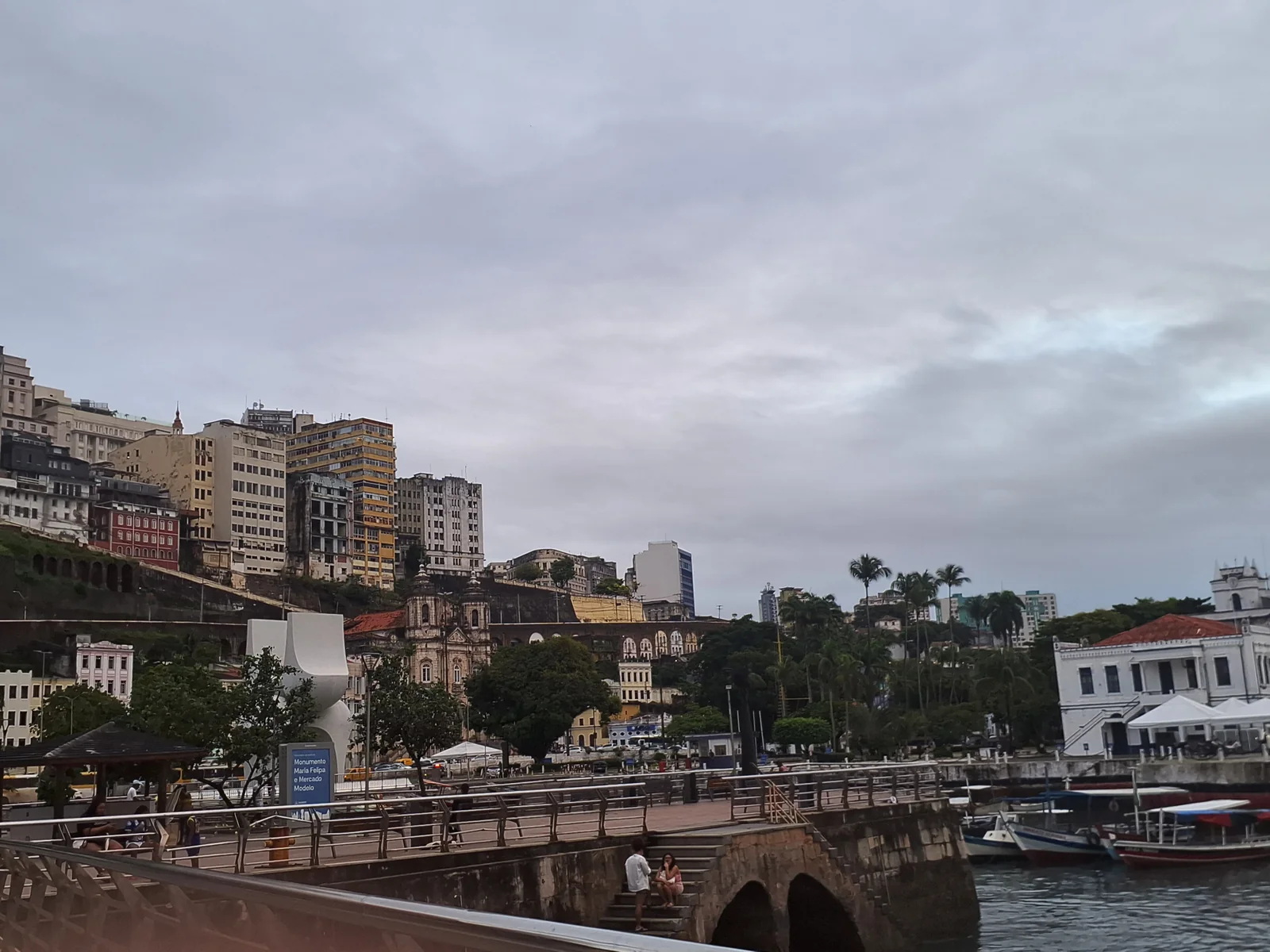
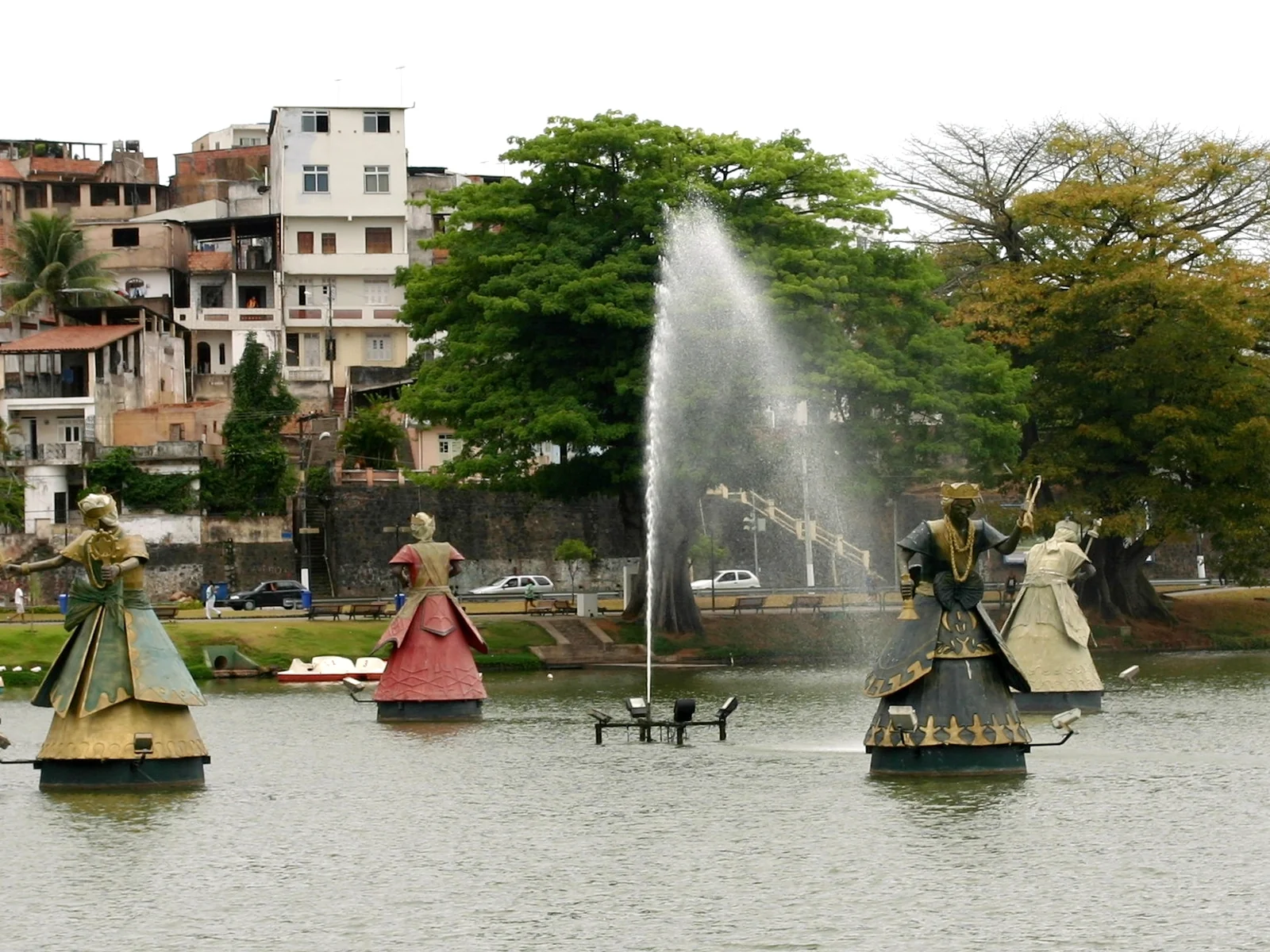
Photographs of the neighborhood, restaurant, and beach featured in this guide, with credit to each photographer.
Ready to discover Salvador?
Book one of the four Via Avantgarde suites in the Pelourinho — and receive the complete guides with recommendations for your stay.