Salvador vs Rio de Janeiro which one should you visit
Salvador or Rio de Janeiro? An up-to-date comparison of vibe, beaches, Carnival, food, cost and safety — plus how to combine both cities.
The essentials in 30 seconds
If you're weighing Salvador vs Rio de Janeiro for a first trip to Brazil, the honest answer is that you can't really lose — but the two cities feel nothing alike. Rio is the postcard beach metropolis: Christ the Redeemer, Sugarloaf, and the long curve of Copacabana and Ipanema. Salvador is Brazil's Afro-Brazilian heartland and its first capital — the UNESCO-listed Pelourinho, the birthplace of capoeira, candomblé and samba-reggae, and a city that runs warmer, slower and easier on your wallet. Pick Rio for the icons and the big-city buzz; pick Salvador for culture, history and value. Better still, do both — they sit about 1,600 km apart, but a nonstop flight takes only around two hours.
Salvador or Rio: the short answer
Ask ten seasoned travelers whether to choose Salvador or Rio and you'll get a fairly consistent split. Rio sells you a view — one of the most spectacular natural settings of any city on Earth, where forested mountains drop straight into the sea. Salvador sells you a feeling — rhythm, colour, history and a culture you simply won't find anywhere else in the Americas. If this is your only stop and you want the classic Brazil postcard, Rio is the safe bet. If you care most about music, food and roots, and you'd like your money to stretch further, Salvador quietly wins a lot of hearts. Plenty of visitors who arrive expecting to prefer Rio go home talking about Salvador.
Two different feelings — one metropolis, one heartland
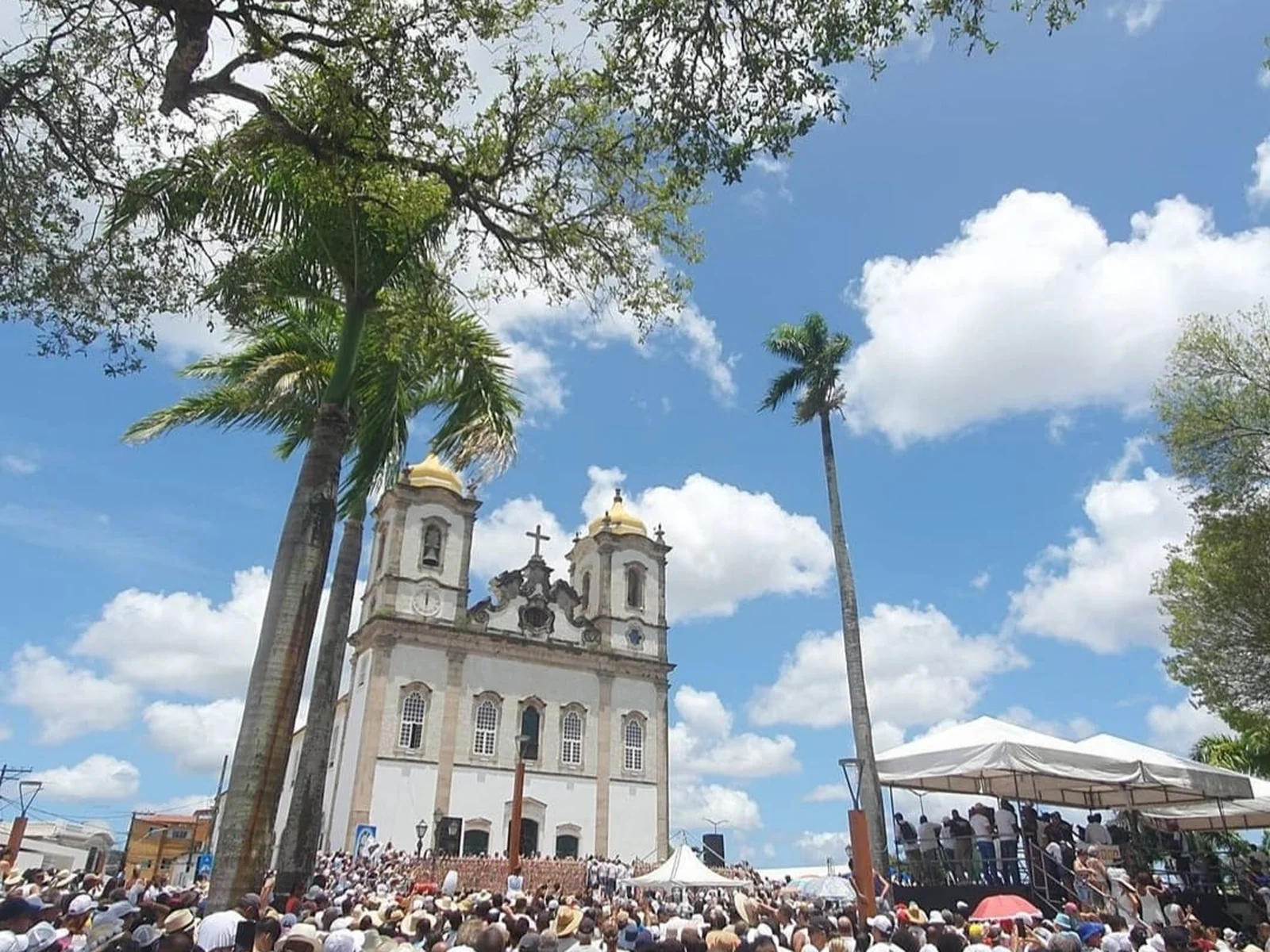
Rio is a big, fast, glamorous city of several million people, where the beach doubles as the living room and the energy rarely lets up. It is confident, cosmopolitan and built for spectacle. Salvador is gentler and more soulful. As the first capital of Brazil, from 1549 until 1763, it was the country's main Atlantic port — and the largest arrival point for enslaved Africans in the Americas. That history made it what it is today: a majority-Black city and the beating heart of Afro-Brazilian culture. You feel it in the capoeira rodas on the cobblestones, the drums of Olodum echoing off colonial walls, and the candomblé traditions woven through daily life. Our deep dive into the city's Afro-Brazilian history is the best place to understand why Salvador feels the way it does.
Beaches — dramatic city sand or warm, easy escapes
This one is close. Rio's beaches are world icons: Copacabana, Ipanema and Leblon sit right in the middle of the city, framed by mountains and alive with football, volleyball and vendors — beautiful, buzzing, and often crowded, with a lively Atlantic surf. Salvador trades some of that drama for warmth and ease. The calm, bay-facing sands of Porto da Barra are made for swimming and sunsets, while the Atlantic beaches out toward Itapuã are broad and unhurried. And you're a short boat ride from Morro de São Paulo and the islands of the Bay of All Saints. For our pick of where to swim, see the Salvador beaches guide. Verdict: Rio for the postcard, Salvador for warm water and fewer crowds.
Carnival — watch the parade, or become it
Both cities throw a legendary Carnival, and again they could hardly be more different. Rio's is a produced spectacle: samba schools parade through the purpose-built Sambadrome while tens of thousands of ticketed spectators watch from the grandstands. It is dazzling, and you are the audience. Salvador's Carnival is the opposite — a giant, participatory street party built around trios elétricos, the sound trucks that roll slowly through the crowds carrying live axé and samba-reggae bands, with thousands dancing behind them. It is often billed as the world's largest street party, it is mostly free, and you are not watching the show — you are in it. In 2027 both fall in early February. If you would rather dance than spectate, Salvador is your city; our music and nightlife guide explains how it works.
History and architecture — Salvador's home turf
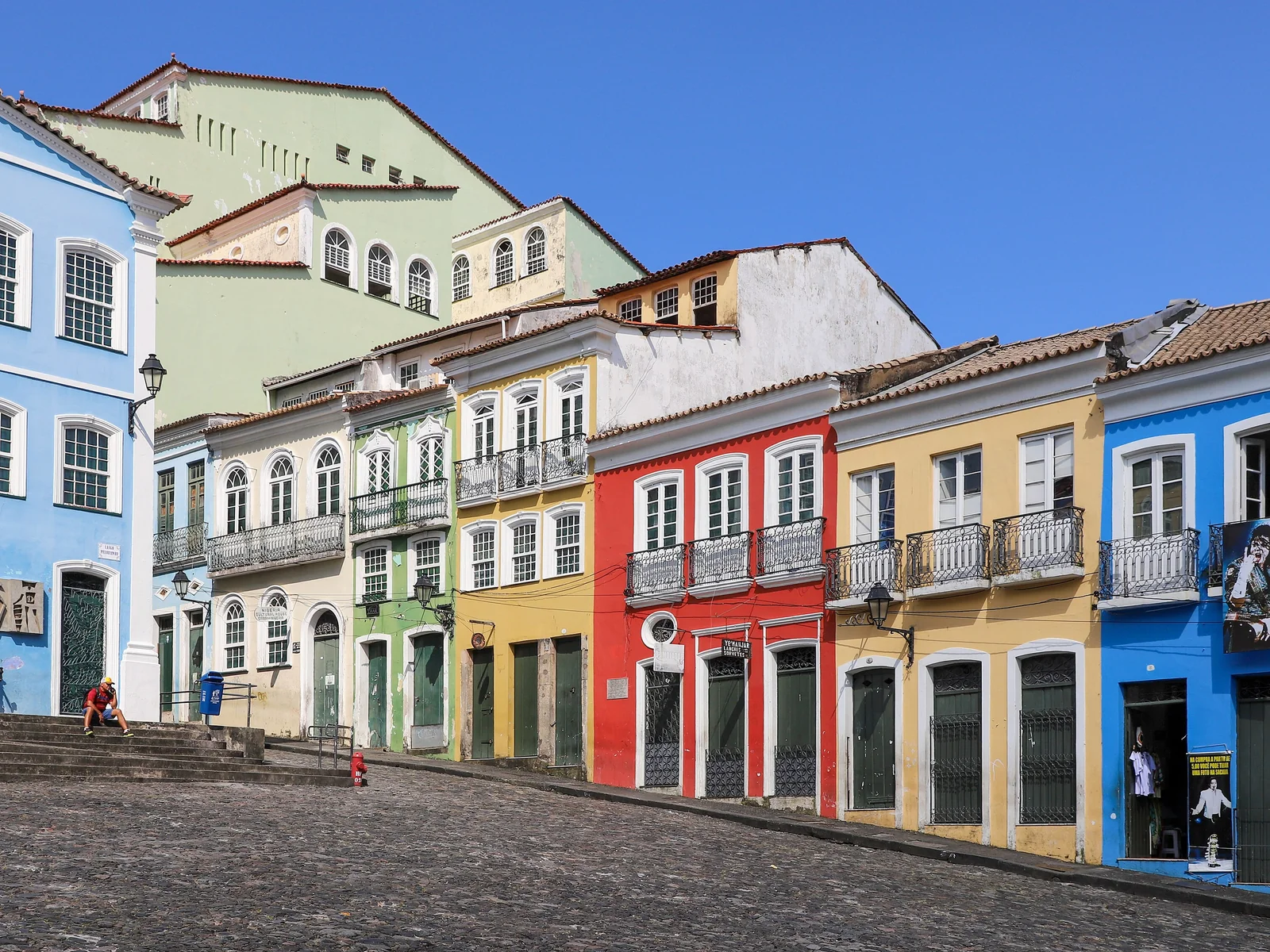
If old stones move you, Salvador wins outright. Its Pelourinho — the historic centre on the bluff of the Cidade Alta — is one of the best-preserved colonial districts in the Americas, listed as a UNESCO World Heritage Site in 1985. Pastel townhouses line the cobbled hills, gilded baroque churches like São Francisco glitter inside, and the whole quarter still hums with music and capoeira. Rio has real history too — imperial-era downtown, the bohemian lanes of Santa Teresa, grand old palaces — but its headline draws are natural rather than architectural. For colonial Brazil at its richest, base yourself in the Cidade Alta.
Food — the Bahian kitchen is a world of its own
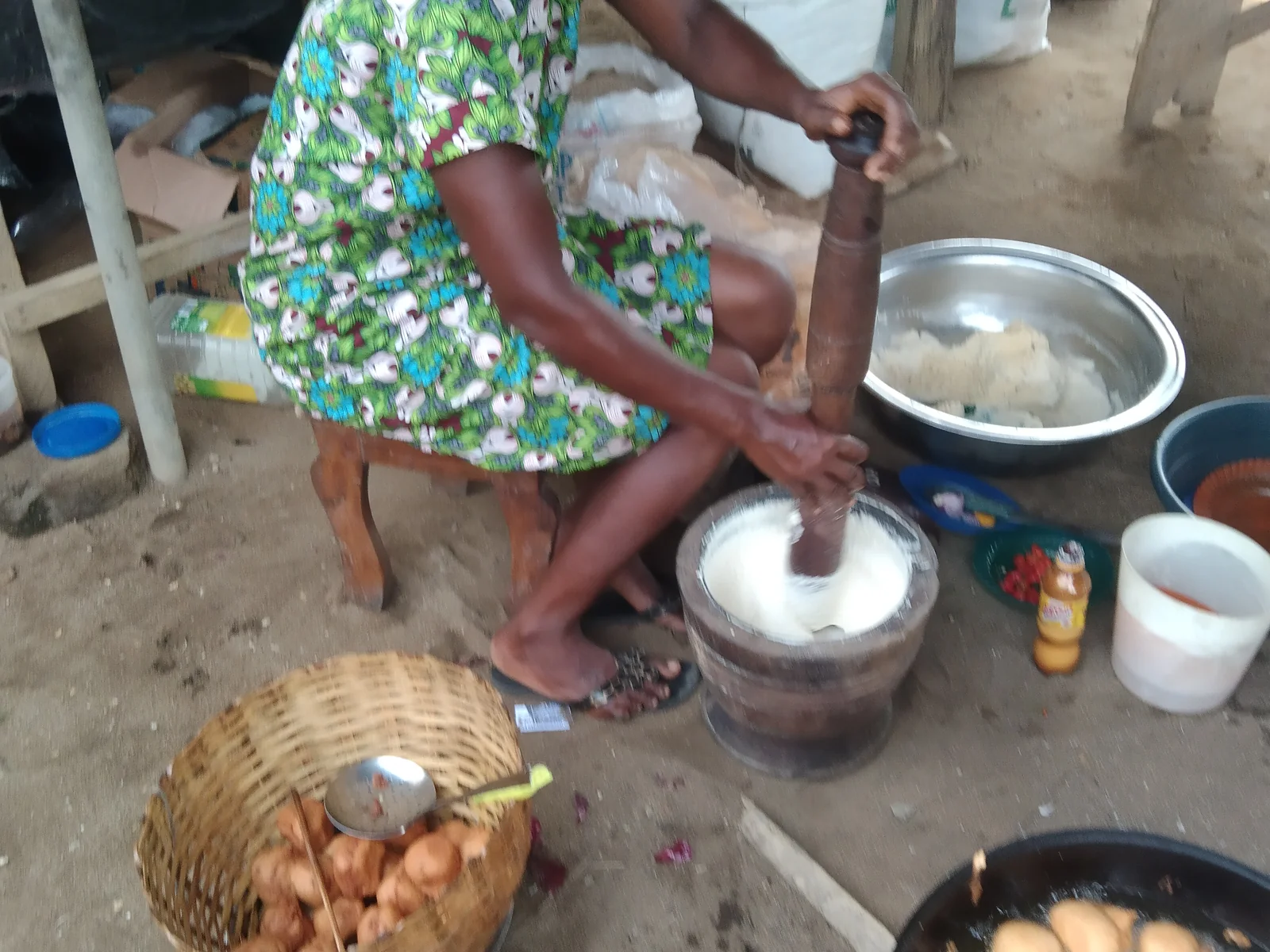
Rio has the broader, more cosmopolitan restaurant scene: sprawling churrascarias, beachfront botecos, feijoada on Saturdays and international kitchens of every kind. But Salvador has something rarer — a distinct regional cuisine you can't properly get anywhere else. Bahian cooking is built on dendê (palm oil), coconut milk and fresh seafood: moqueca stews, vatapá, caruru, and acarajé fritters sold hot from the stands of the white-clad baianas. It is one of Brazil's great food cultures, and eating your way through it is reason enough to come. Rio for range; Salvador for a flavour you'll remember.
Cost — where Salvador or Rio stretches your money
For most travelers, Salvador is noticeably more affordable than Rio. Lodging, restaurants, drinks and taxis all tend to cost less, while Rio's South Zone is among the priciest corners of Brazil. If you're budget-conscious, the same money simply buys more days — and more comfort — in Salvador. That value, paired with the culture, is exactly why culture-first travelers on a budget so often lean Bahian.
Safety and getting around
Both are large Brazilian cities that reward normal street smarts rather than fear. In each, keep valuables out of sight, use a ride app or taxi after dark, stay on busy streets and skip empty beaches at night. Rio's metro conveniently links the South Zone beaches; Salvador is hillier and leans more on apps and taxis, with the famous Elevador Lacerda connecting the upper and lower cities. For current, practical pointers, the Salvador travel wiki is a solid reference.
Why not both? Combining Salvador and Rio
Because the flight is so short, the smartest itinerary is often not Salvador vs Rio de Janeiro at all — it's Salvador and Rio. A common, satisfying split is a few days in each: Rio for the icons and the beaches, Salvador for the history, the food and the rhythm. Do them back to back and you'll see two Brazils that most first-timers never realise are so different.
Choose Salvador if… / Choose Rio if…
To make it simple:
- Choose Salvador if you're drawn to Afro-Brazilian culture, live music and capoeira; you love distinctive regional food; you want colonial history and a walkable old town; you're travelling on a budget; or you prefer warm water and a gentler pace.
- Choose Rio if you want the world-famous icons — Christ the Redeemer, Sugarloaf, Copacabana and Ipanema; you love a big, glamorous, high-energy city; you want the grandest natural setting; or you're chasing the Sambadrome Carnival spectacle.
There's no wrong answer here — only the trip that fits you. But if warmth, culture, history and value are what you're after, Salvador makes a quietly convincing case. And if the Cidade Alta wins your vote, it's exactly where you'll want to base yourself: have a look at our boutique suites in the heart of the old town.
Salvador, in images
Photographs of the neighborhood, restaurant, and beach featured in this guide, with credit to each photographer.



Ready to discover Salvador?
Book one of the four Via Avantgarde suites in the Pelourinho — and receive the complete guides with recommendations for your stay.