Itapuã Neighbourhood Guide the beach that became a song
Itapuã Salvador guide: the palm-lined beach, the lighthouse, the Lagoa do Abaeté, the acarajé and the poets who sang it — Vinícius, Toquinho and Caymmi.
The essentials in 30 seconds
This Itapuã guide covers the old fishing village turned bohemian beach neighbourhood on Salvador's far Atlantic coast — the one the whole country knows from song. Here is the palm-lined beach with its reefs and natural pools, the red-and-white lighthouse that marks it, the strange and beautiful Lagoa do Abaeté where black water meets white dunes, the acarajé and the fishing boats, and the poets and singers who made Itapuã a Brazilian myth. It is about twenty kilometres from the historic centre, more local than Barra and less polished, and this guide covers what to see, how to get there, and the honest case for a day trip rather than a base.
Where Itapuã is, and what it feels like
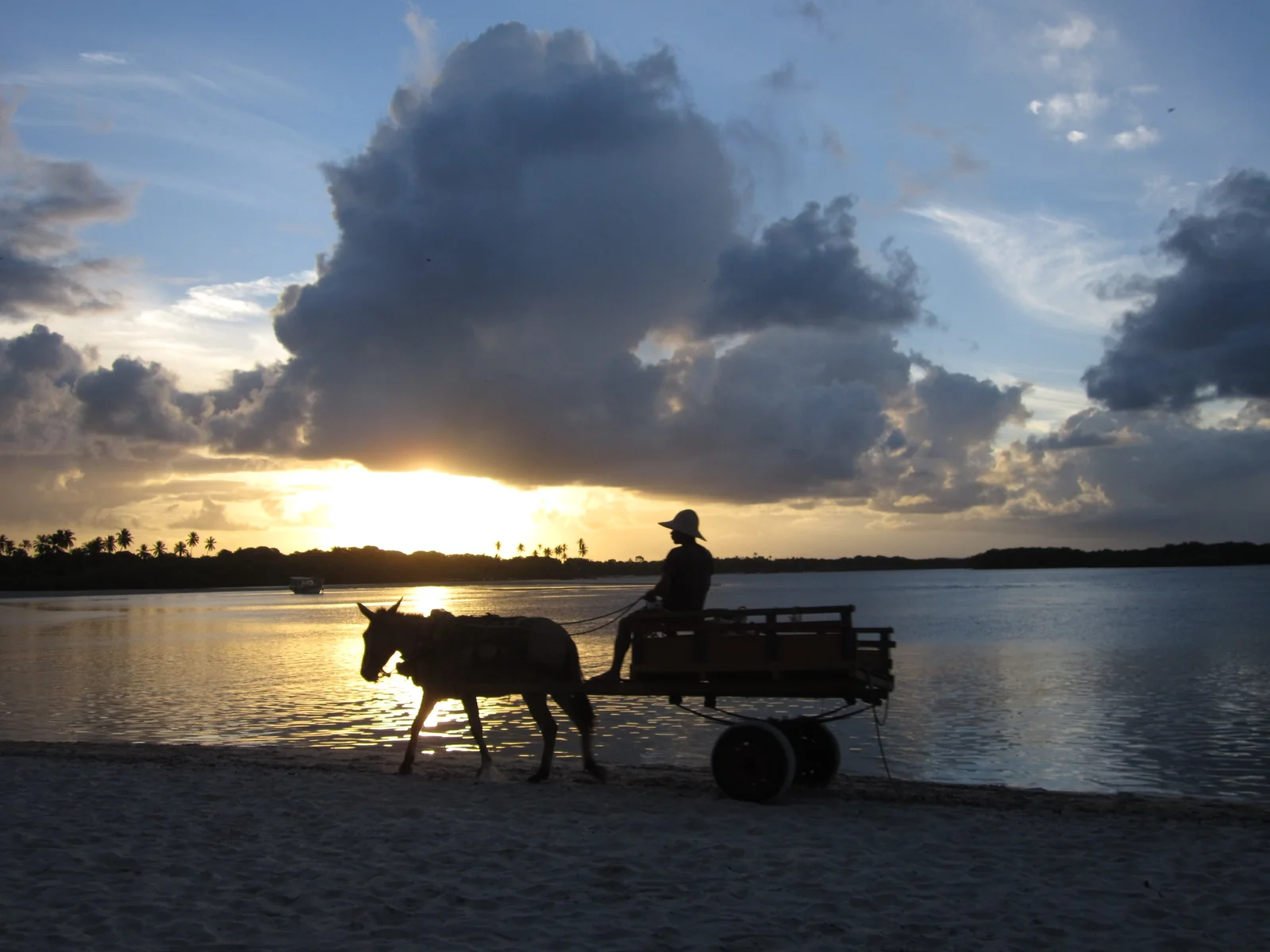
Itapuã sits far out along Salvador's Atlantic shore, roughly twenty kilometres north-east of the Pelourinho, past Rio Vermelho, Pituba and Boca do Rio, about halfway to the airport. It began as a fishing village and still carries that in its bones: jangada boats on the sand, baianas frying acarajé on the corners, a slower and more residential rhythm than the tourist beaches closer in. Over the twentieth century it drew artists, poets and musicians and became Salvador's bohemian quarter by the sea — a place with a genuine local soul rather than a resort strip. For how it compares to the city's other districts, our neighbourhoods of Salvador guide sets them side by side.
The neighbourhood the whole country sings about
No other Salvador beach lives so deeply in Brazilian music. Vinícius de Moraes and Toquinho wrote "Tarde em Itapuã," an afternoon here turned into one of the best-loved songs in the language, all sun, guitar and doing gloriously nothing. And the great bard of Bahia's coast, Dorival Caymmi, sang Itapuã and its lagoon into the national imagination — his statue now stands near the seafront, looking out at the beach he made famous. Knowing the songs changes the visit: you are not just at a nice beach, you are standing inside a piece of Brazilian culture. Our music and nightlife guide puts that songbook in context.
The beach
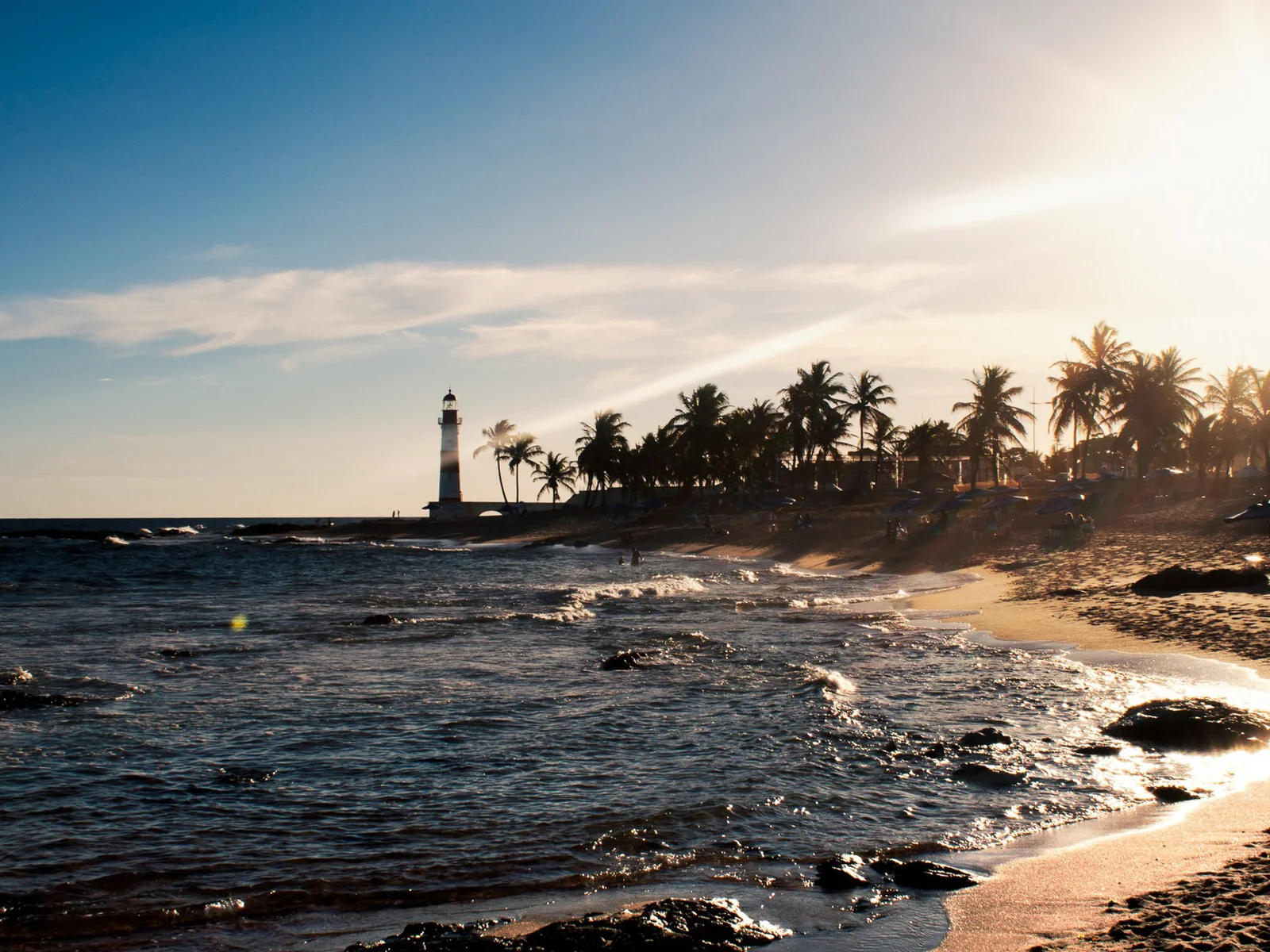
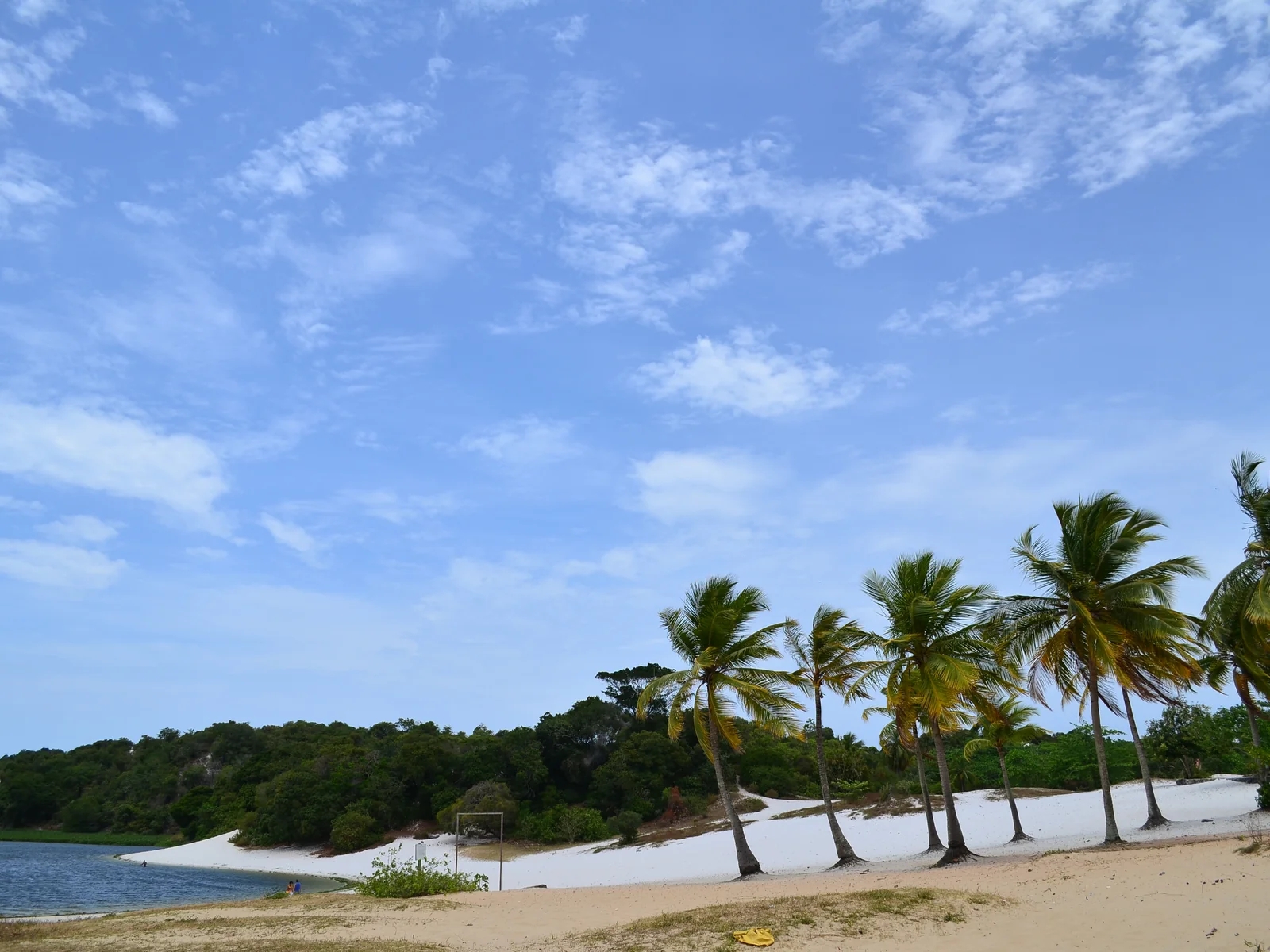
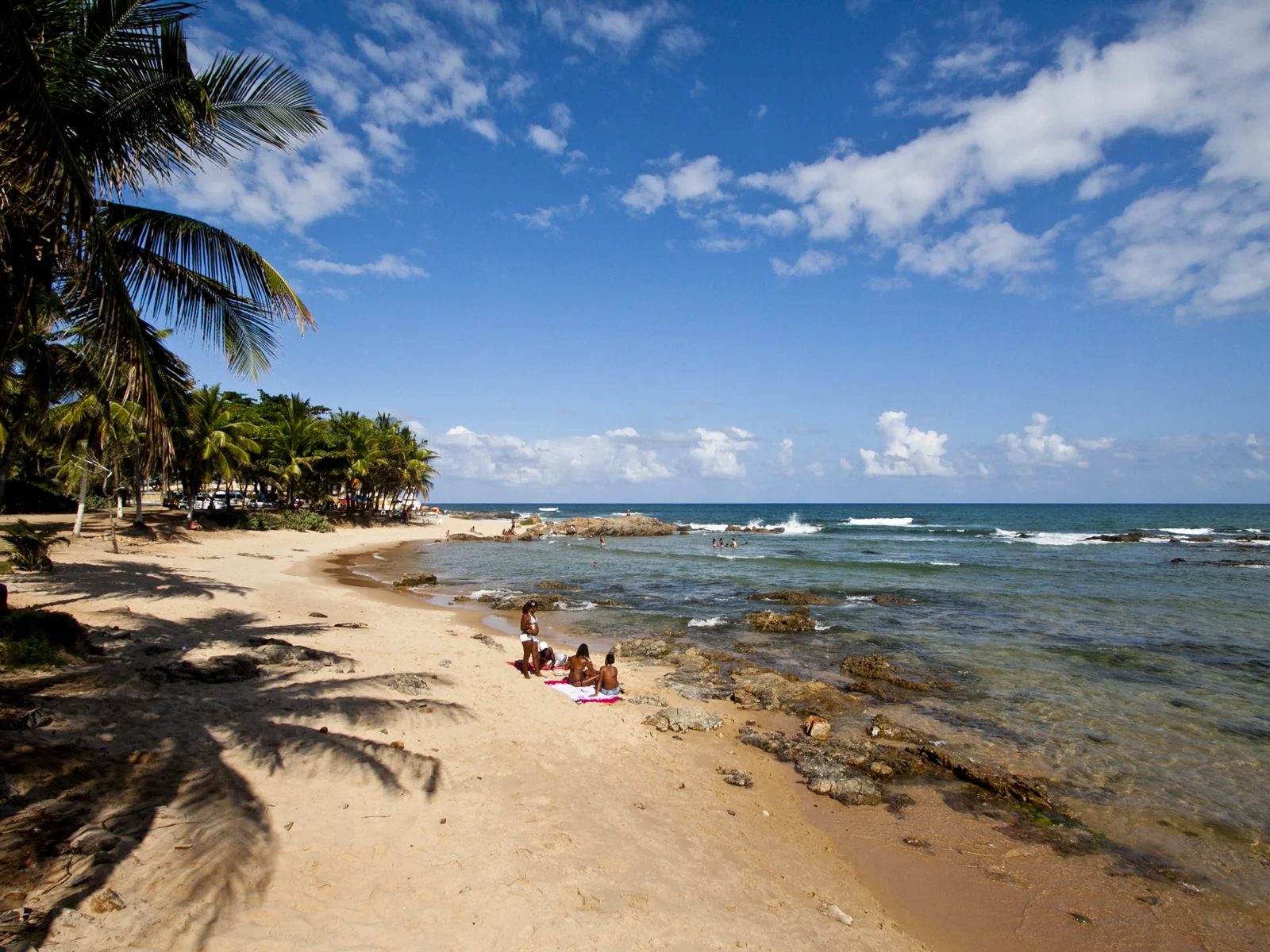
The beach itself is classic Bahian coast: coconut palms leaning over the sand, an offshore reef that calms the water and opens clear natural pools at low tide, and a line of barracas serving cold beer, fried fish and that view. It is a working beach as much as a leisure one — you will see fishermen bringing boats in — and it rewards the local rhythm of an early swim, a coconut, and a long afternoon under an umbrella. Check the tide before you go; the natural pools are the whole point and they only appear at low water. For the full run of the city's sands, from Porto da Barra out to here, see our Salvador beaches guide.
The lighthouse
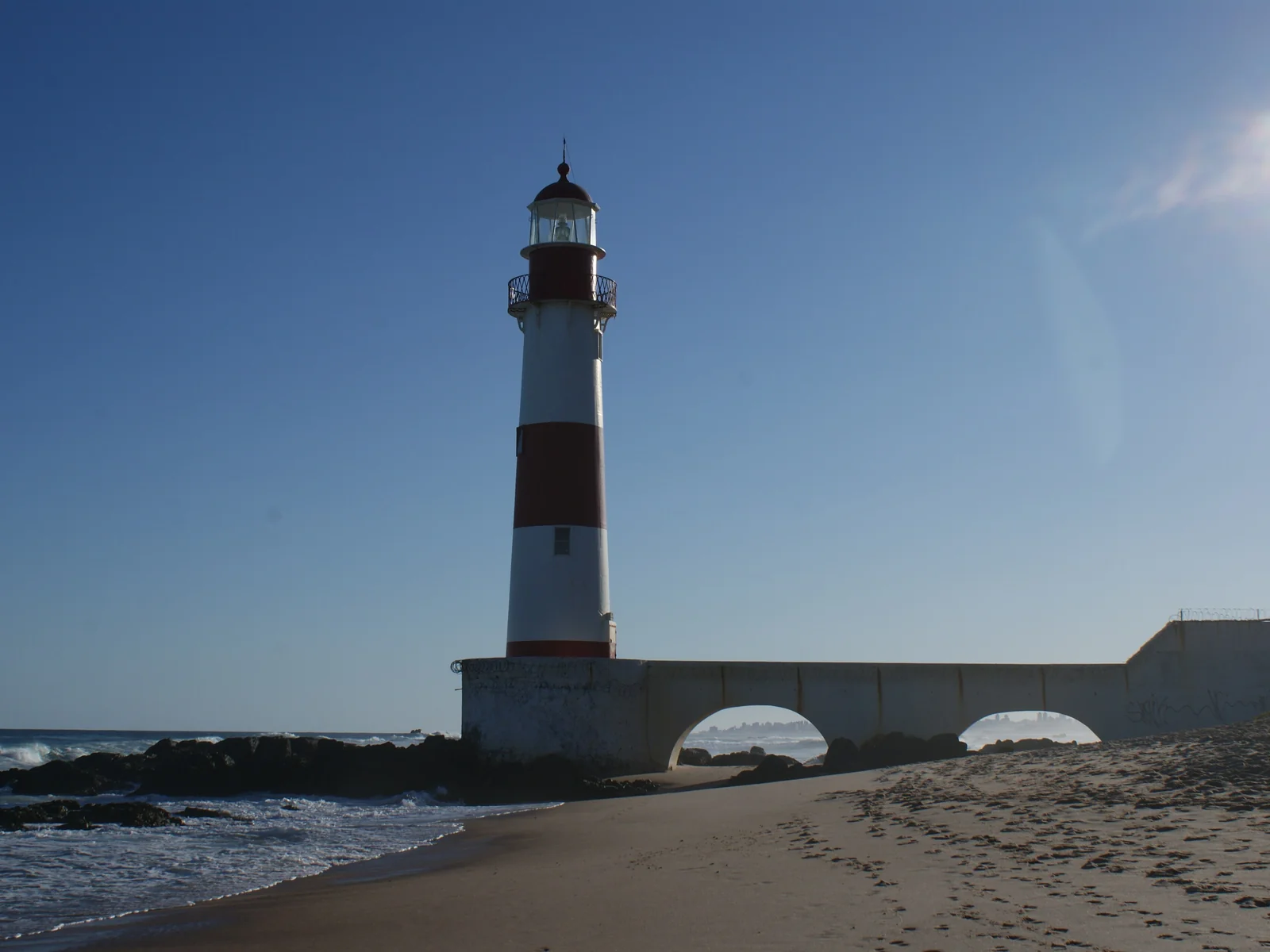
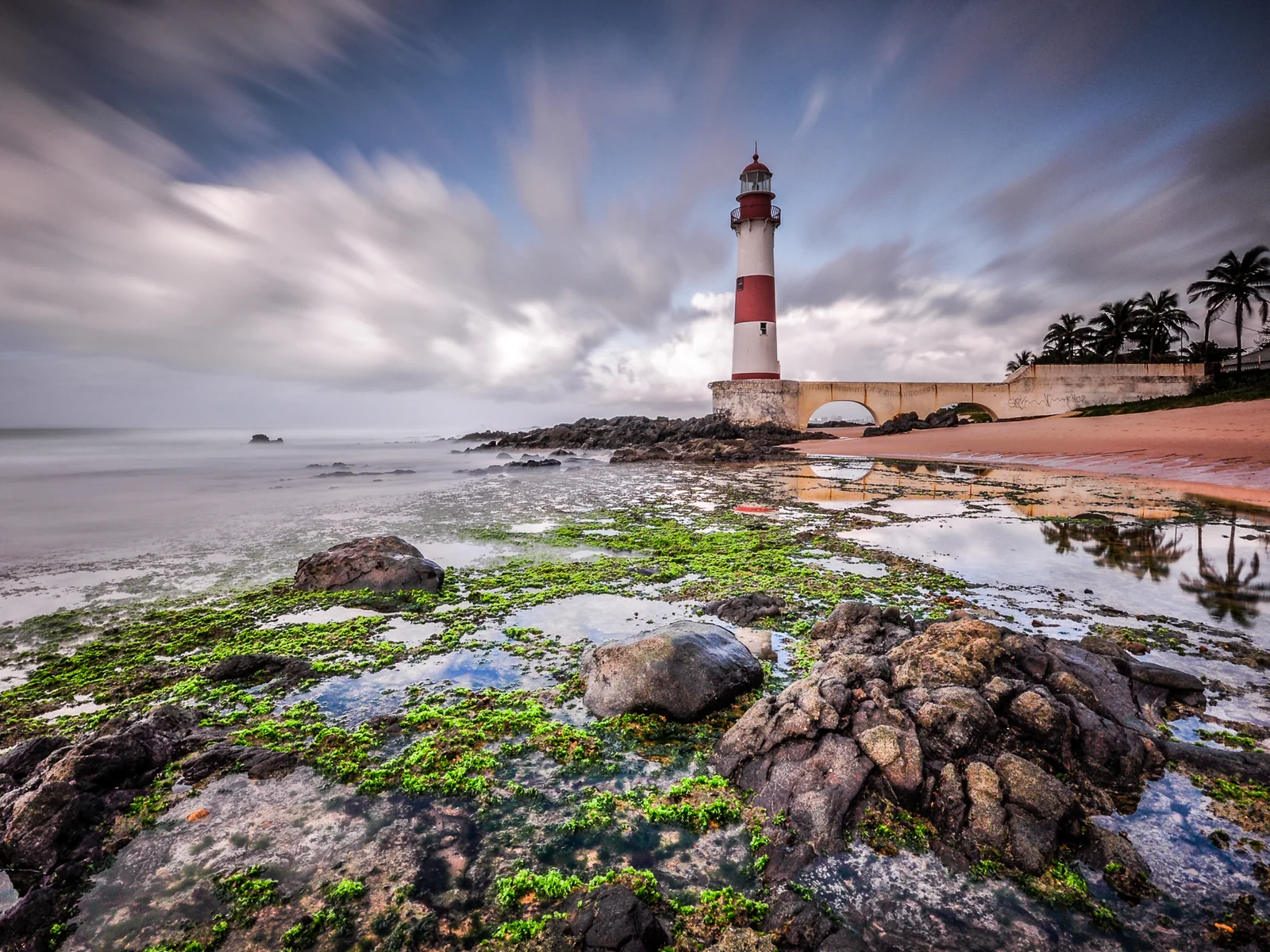
The Farol de Itapuã, the candy-striped red-and-white lighthouse on the point, is the neighbourhood's landmark and its best orientation marker. The little square around it is the social heart of the beachfront, busy with vendors, buskers and families in the late afternoon, and it is the natural place to start or end a walk along the sand. Caymmi's statue sits nearby, and together the lighthouse and the bard make the tidy postcard of Itapuã — worth the photo, and a good meeting point if you come with others.
The Lagoa do Abaeté
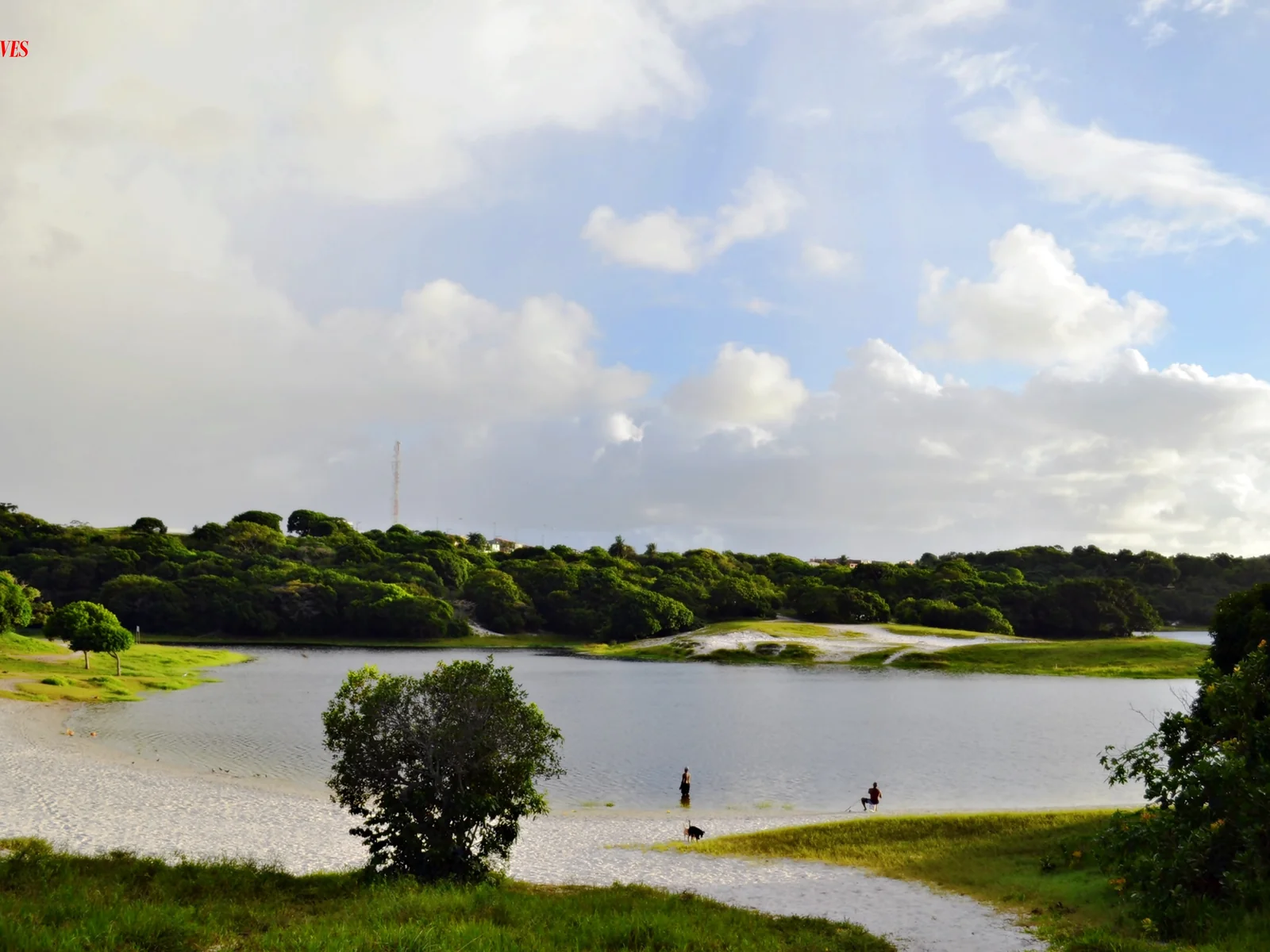
Just inland from the beach lies one of the strangest sights in Salvador: the Lagoa do Abaeté, a lagoon of dark, almost black fresh water ringed by brilliant white sand dunes. The black comes from the region's organic soil, and the contrast with the dunes is startling — it looks unreal, and it too is woven through Caymmi's songs. Generations of lavadeiras, washerwomen, once cleaned and dried clothes on these white sands, a scene the music remembers. It is now a protected environmental park; go in the daytime, take in the view over the water and dunes, and treat it as the short, memorable stop it is rather than a place to linger alone into the evening.
Acarajé and local life
Itapuã is one of the great places in the city to eat acarajé — the black-eyed-pea fritter fried in dendê palm oil and split with shrimp, vatapá and pepper — from a baiana at her tabuleiro on the beachfront. This is street food as living heritage, and having it here, where the neighbourhood actually eats, beats any restaurant version. Pair it with a coconut and you have the perfect Itapuã afternoon. For the wider world of Bahian street food and where else to find it, see our Salvador street food guide.
Stay here, or visit?
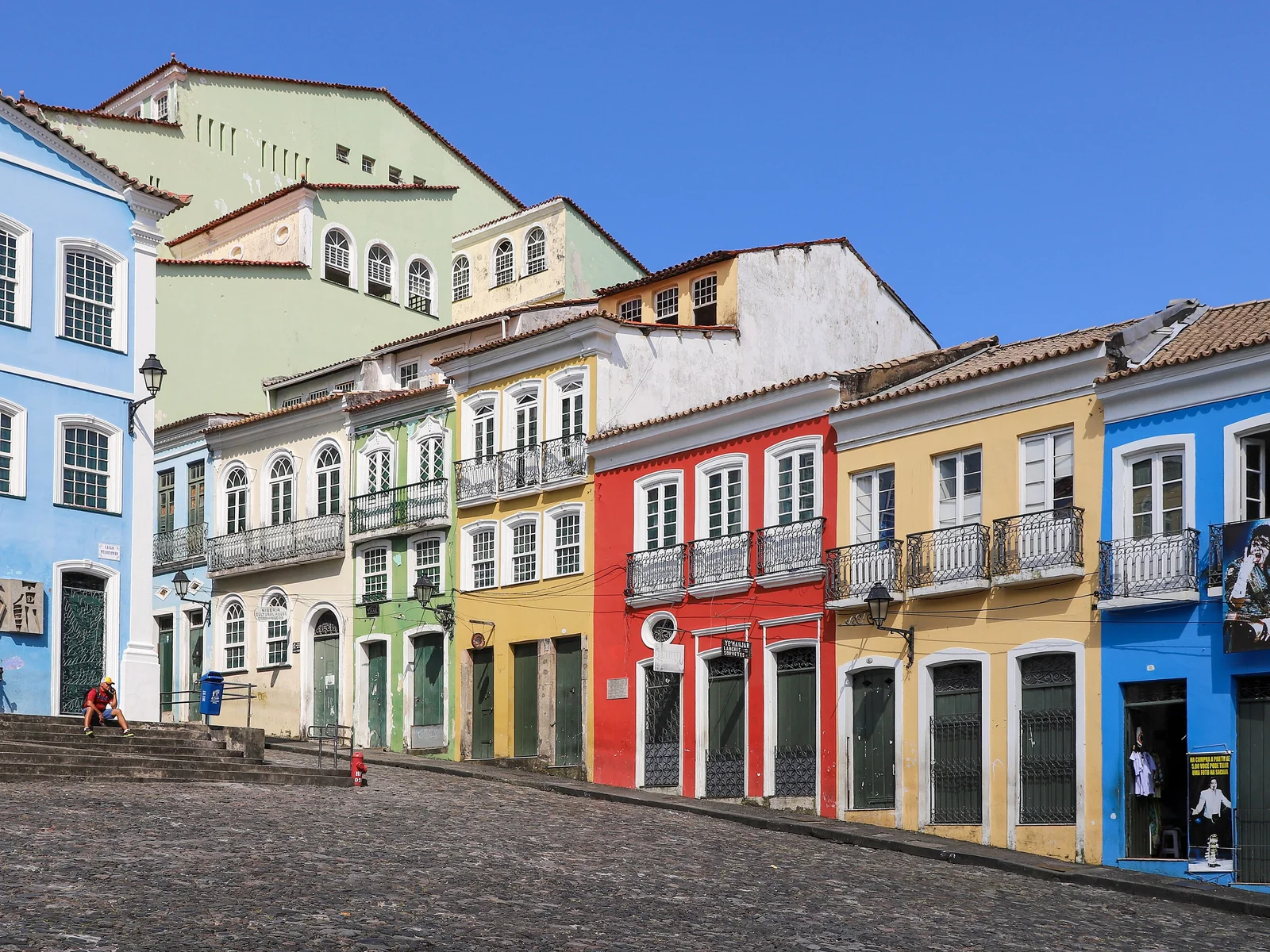
Itapuã is wonderful to visit and a harder call as a base. It is far from the historic core, more residential than resort, and getting to and from the old town eats real time each day. If your trip is all beach and you want local texture over polish, it can suit you — but for most visitors Itapuã is a rewarding day out rather than a place to sleep. We think the better plan is to stay in the historic centre, where the museums, churches, music and food are on your doorstep, and treat beaches like Itapuã as easy excursions. Our four suites sit up in the Cidade Alta, minutes from the Pelourinho; weigh it up with our where to stay guide, and if the old town wins, have a look at our four suites.
Salvador, in images
Photographs of the neighborhood, restaurant, and beach featured in this guide, with credit to each photographer.
Ready to discover Salvador?
Book one of the four Via Avantgarde suites in the Pelourinho — and receive the complete guides with recommendations for your stay.