Accessible Salvador a guide for wheels and weary knees
Salvador Brazil wheelchair accessible: a planning guide — level routes, step-free museums, adapted beach mornings, Uber tactics and where not to book.
The essentials in 30 seconds
The honest answer on Salvador, Brazil wheelchair accessible travel: the modern half genuinely is, the famous half mostly isn’t. The historic centre is steep, cobbled and short on curb cuts — but the Elevador Lacerda really is a public lift joining the upper and lower cities, and the flat Comércio at its foot holds two of the city’s best adapted museums. Barra’s rebuilt seafront is a level boardwalk with ramps to the sand, the malls lend out wheelchairs, the metro has lifts at every station, and on summer weekends the free ParaPraia programme floats you into the sea at Ondina in an amphibious chair. Plan around Uber, choose your room with cold-blooded care, and Salvador is very doable. Just not improvised.
The two-cities rule: where Salvador is hard, and where it isn’t
Salvador is two cities wearing one name. The colonial capital on the bluff — the Pelourinho and the rest of the Cidade Alta — is hard mode: rough stone setts, steep ladeiras, narrow footways, kerbs that rarely drop, and four-hundred-year-old townhouses whose staircases will never meet a lift. The twentieth-century city is another matter: the Atlantic seafront from Barra past Ondina, the flat Comércio along the bay, the malls, the newer museums — built with cars, concrete and, increasingly, ramps in mind.
So split your days deliberately between the two rather than hoping the old town will soften; it won’t. To its credit, the city hall publishes an official accessibility map of venues with ramps, lifts and adapted bathrooms — twenty well-spent minutes before you book anything. Written for wheelchair users first, this page applies just as well to anyone with a cane, a healing hip or less stamina than the ladeiras demand.
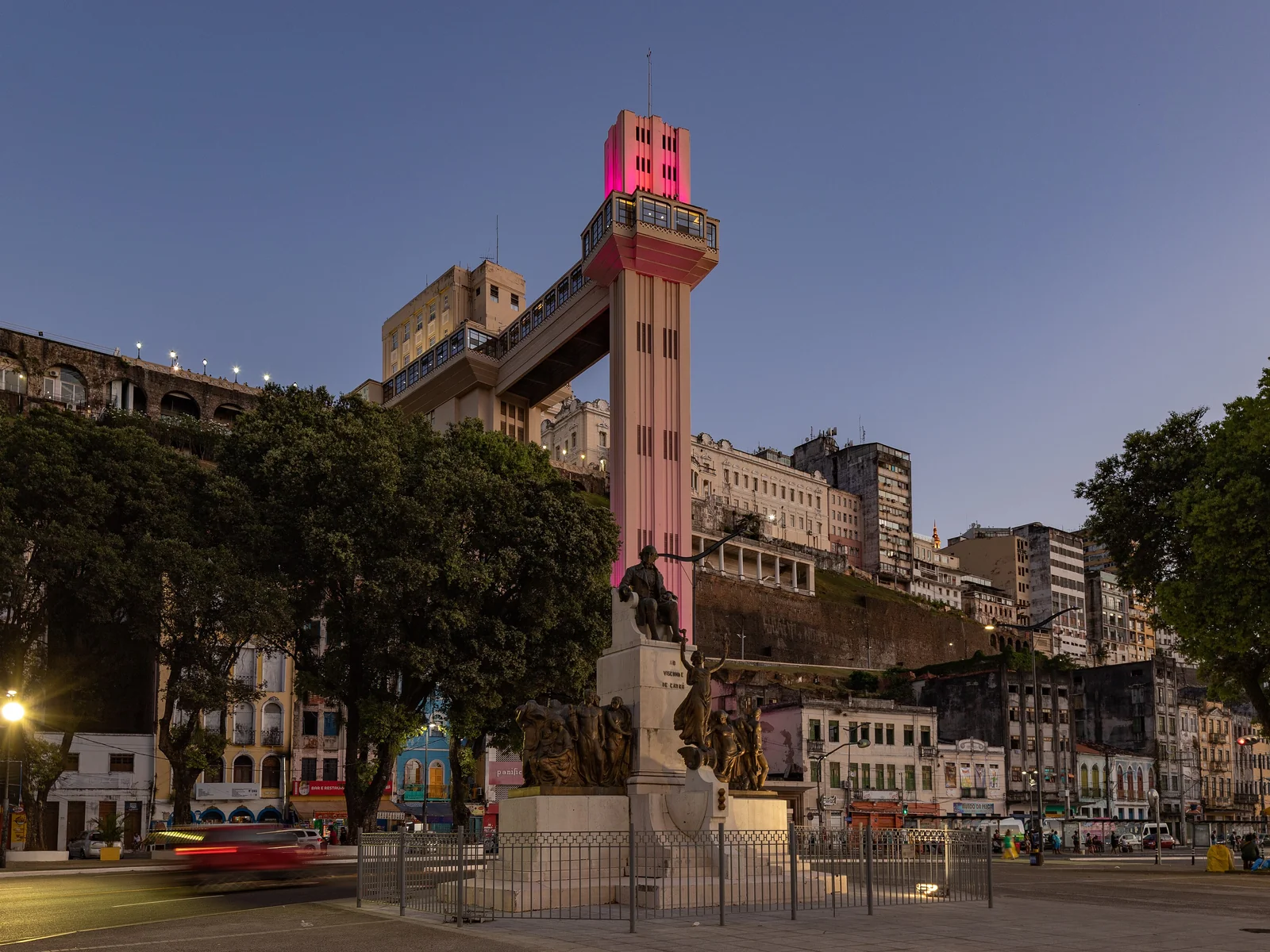
The Elevador Lacerda really is an elevator
Salvador’s postcard is, conveniently, a piece of vertical infrastructure. The Elevador Lacerda has joined the upper and lower cities since 1873: four cars, a 72-metre drop, about thirty seconds, level boarding at both ends. Reopened in February 2025 after a year-long restoration, it now charges a flat R$ 1 — up from the 15 centavos of past decades, still under €0.20 — and runs daily from early morning into the evening.
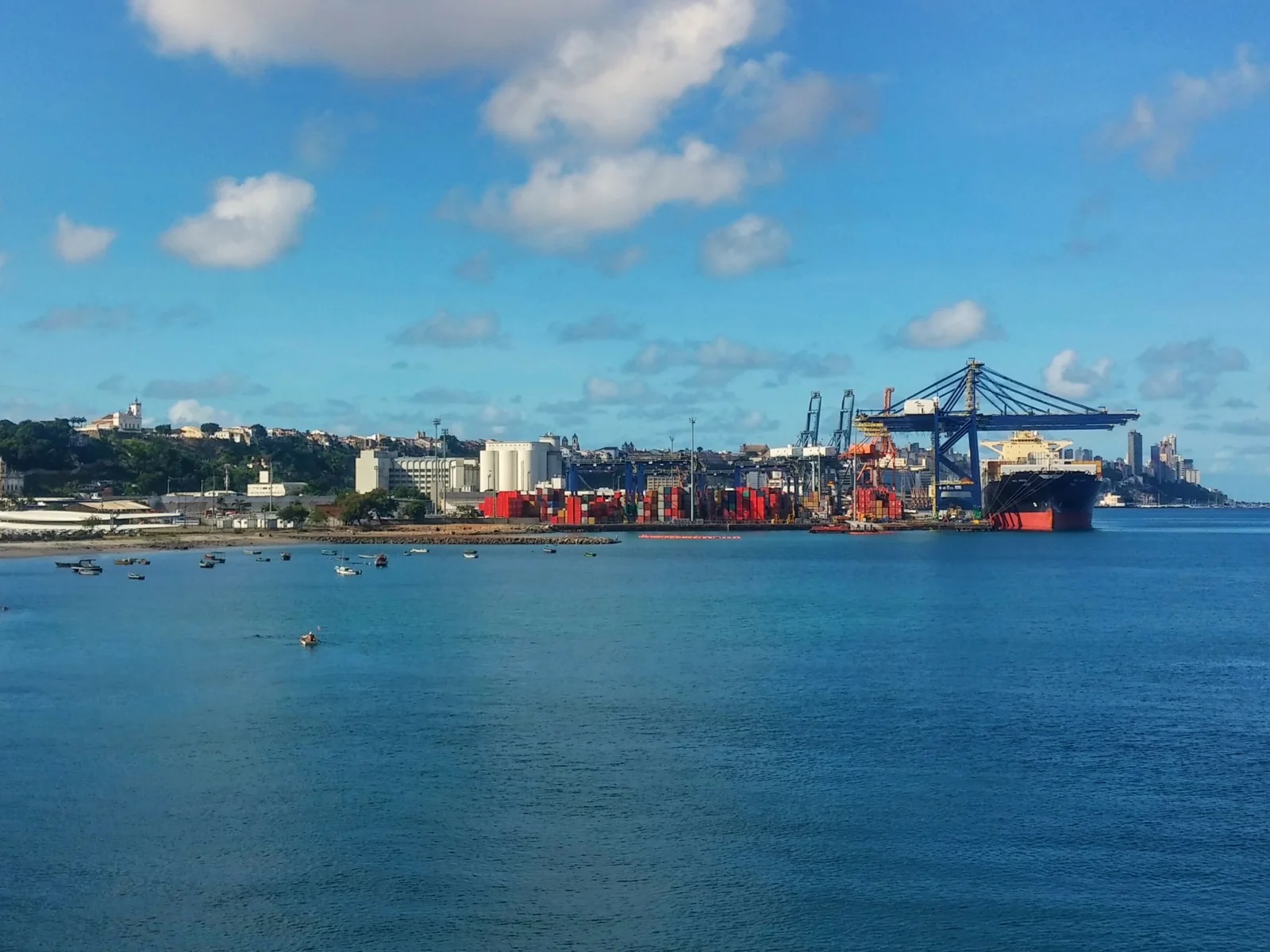
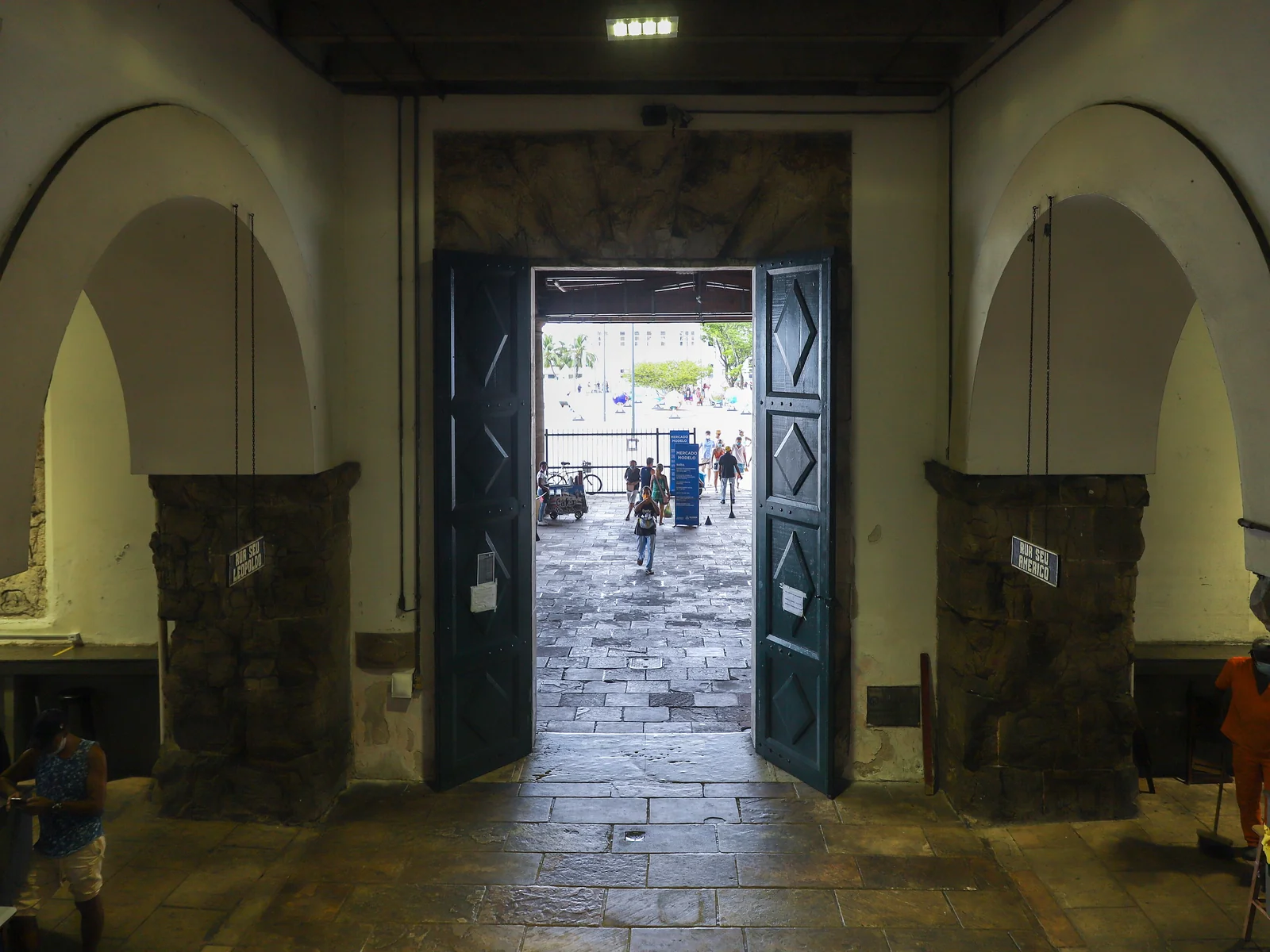
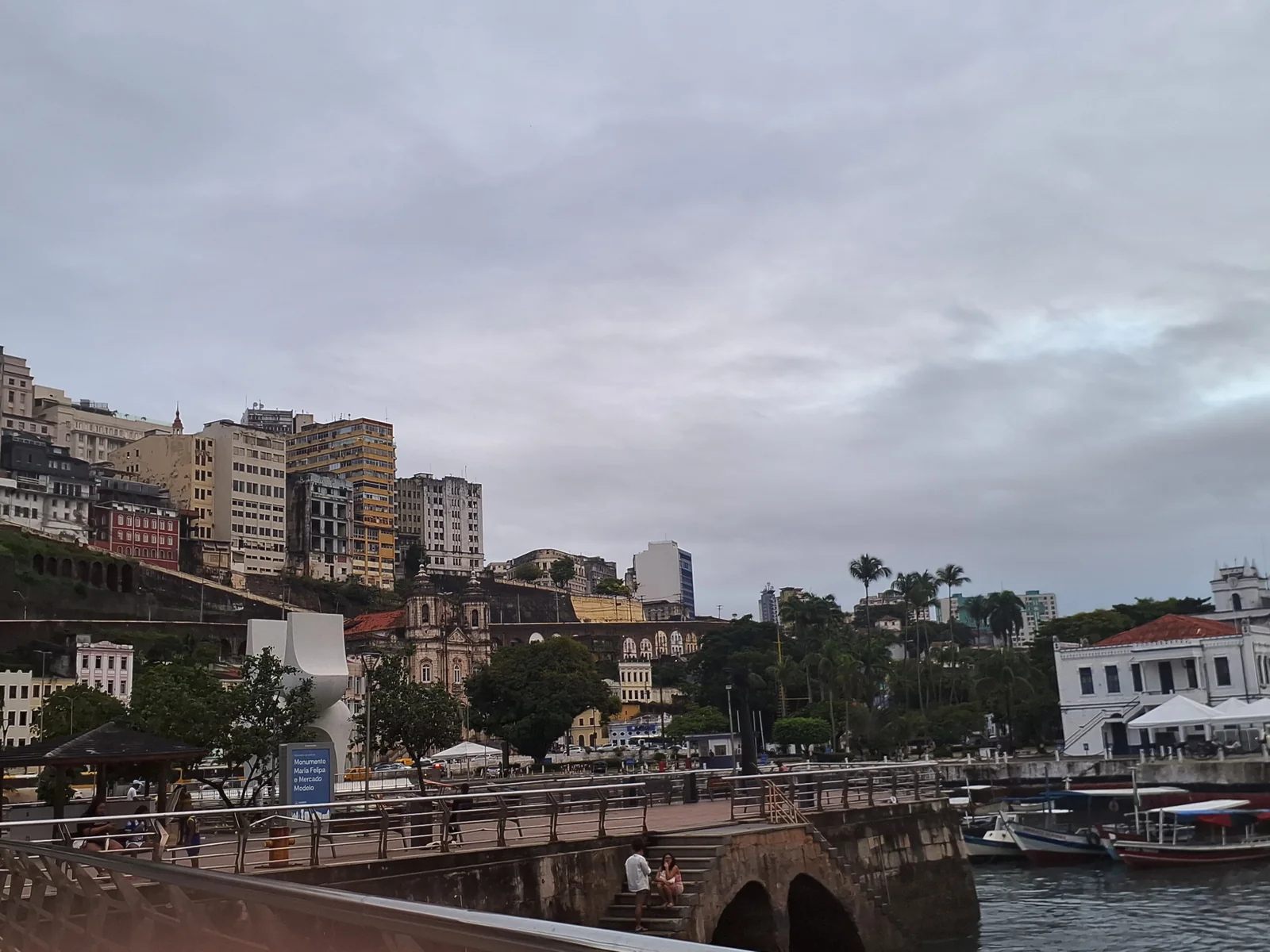
Both of its doors matter. The upper station opens onto the Praça Tomé de Sousa — a flat paved esplanade with the best view in the city — and the Casa do Carnaval museum one small square away. The lower station puts you in the Comércio on level ground: the Mercado Modelo stands directly opposite, the Cidade da Música some two hundred flat metres away.
Wheelchair accessible Salvador: the shortlist with documented level access
These are the places where access is documented — by the city’s map, by the venue itself, or both — rather than hoped for:
- Cidade da Música da Bahia (Comércio) — the interactive museum of Bahian music: lifts to all four floors, accessible bathrooms. Tuesday to Sunday 10 am to 5 pm; R$ 20, about €3; visitors with disabilities plus a companion free.
- Casa do Carnaval (beside the elevator’s upper station) — the carnival museum, listed on the city’s accessibility map; Tuesday to Sunday 9 am to 5 pm, R$ 20, free on Wednesdays.
- Casa das Histórias de Salvador (Rua da Bélgica 2, Comércio) — city history with lifts, tactile exhibits, braille maps and audio guides in Libras, the Brazilian sign language.
- Casa do Rio Vermelho — Jorge Amado’s house, with ramps, a lift, audio description and Libras videos.
- Museu do Mar Aleixo Belov (Santo Antônio) — lifts and trained staff; the catch is the cobbled street outside — take a taxi to the door.
- The malls — Salvador Shopping lends wheelchairs free from its L2 service desk and has lifts to every floor and adapted bathrooms; Shopping Barra keeps loaner chairs at the first-floor reception, north wing. Nobody flies to Brazil for a mall, but on a 32-degree afternoon, level floors and cold air are infrastructure.
Doing the historic centre anyway — wheels, canes and uncertain knees
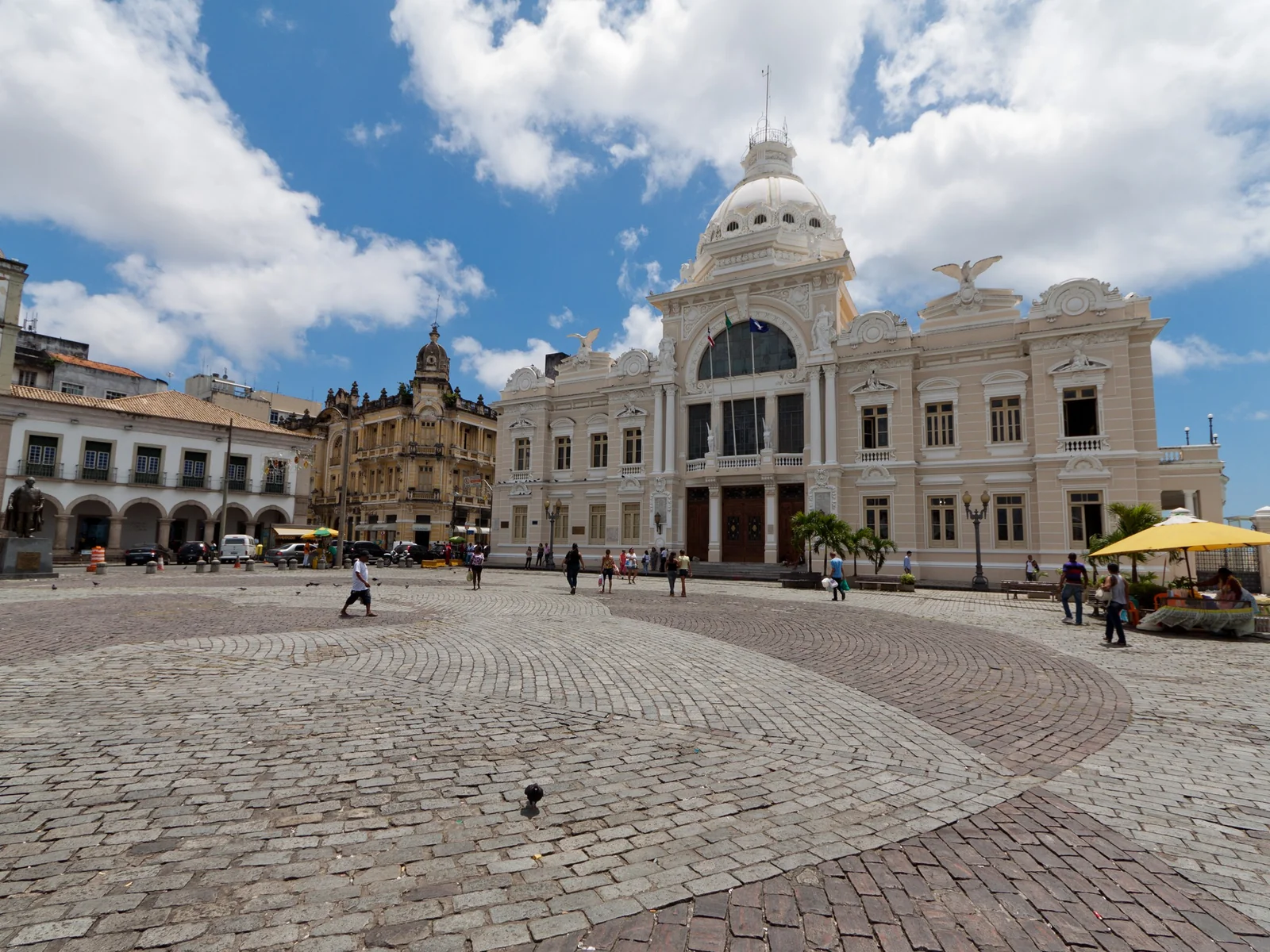
You did not come to Salvador to skip the Pelourinho. The least-fight version: arrive by elevator and work the old town’s one true plateau. From the Praça Tomé de Sousa, Rua da Misericórdia runs about four hundred metres to the Praça da Sé and the Terreiro de Jesus — a gentle rise on rough paving, unlovely under small front casters, manageable with a strong push or a power chair. There, churches, café tables and capoeira share ground that stays more or less level.
Skip the rest without guilt: the Largo do Pelourinho drops away steeply (admire it from the top), the Escadas do Carmo are stairs by name and by nature, and any street a local calls a ladeira will mean it. Four centuries of feet have polished the setts; after rain, give them an hour to dry. The golden church of São Francisco, the old town’s least accessible interior, has in any case been closed since its ceiling collapsed in early 2025.
Beaches: the flat kilometre at Barra, and the ParaPraia mornings
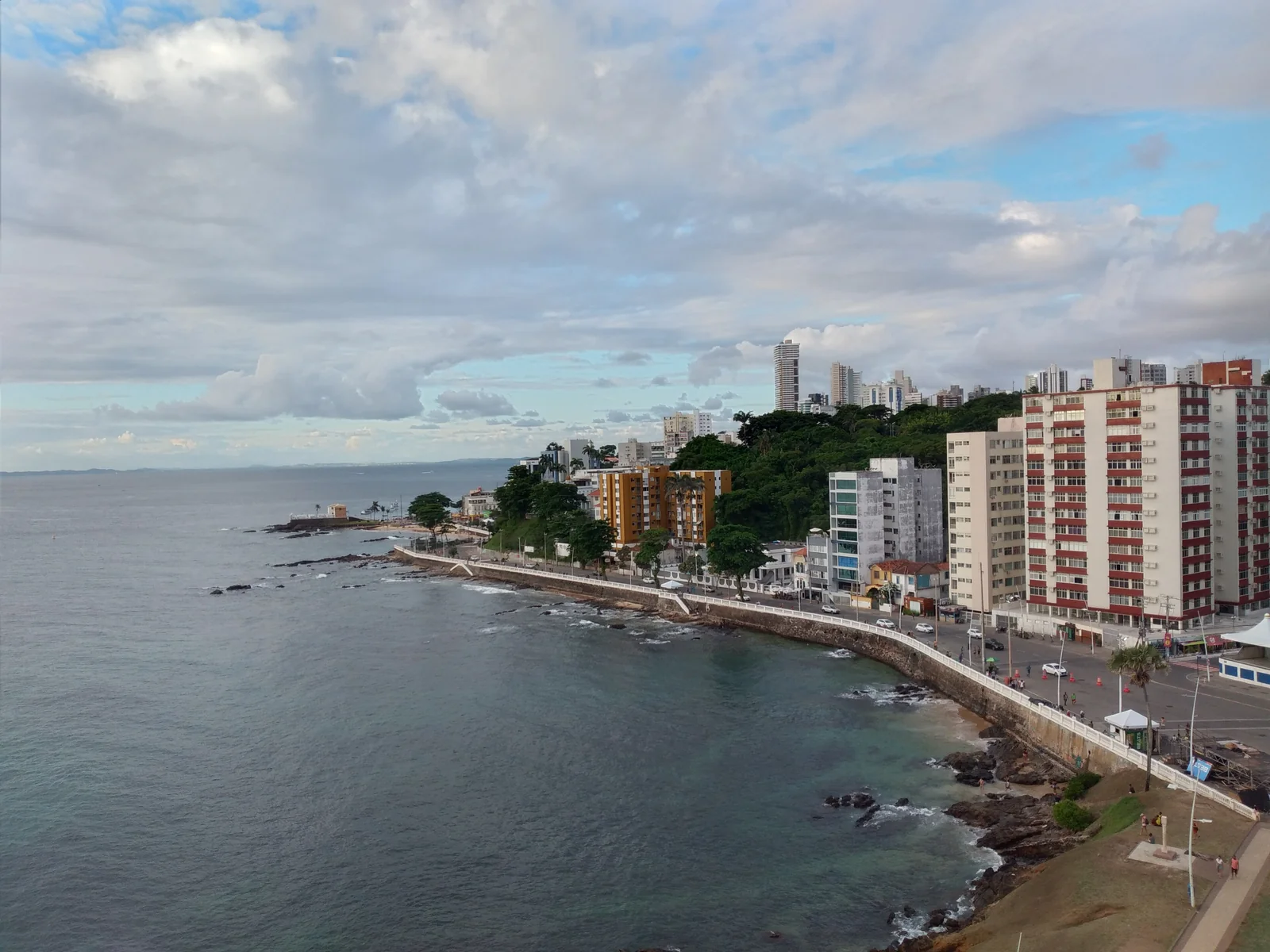
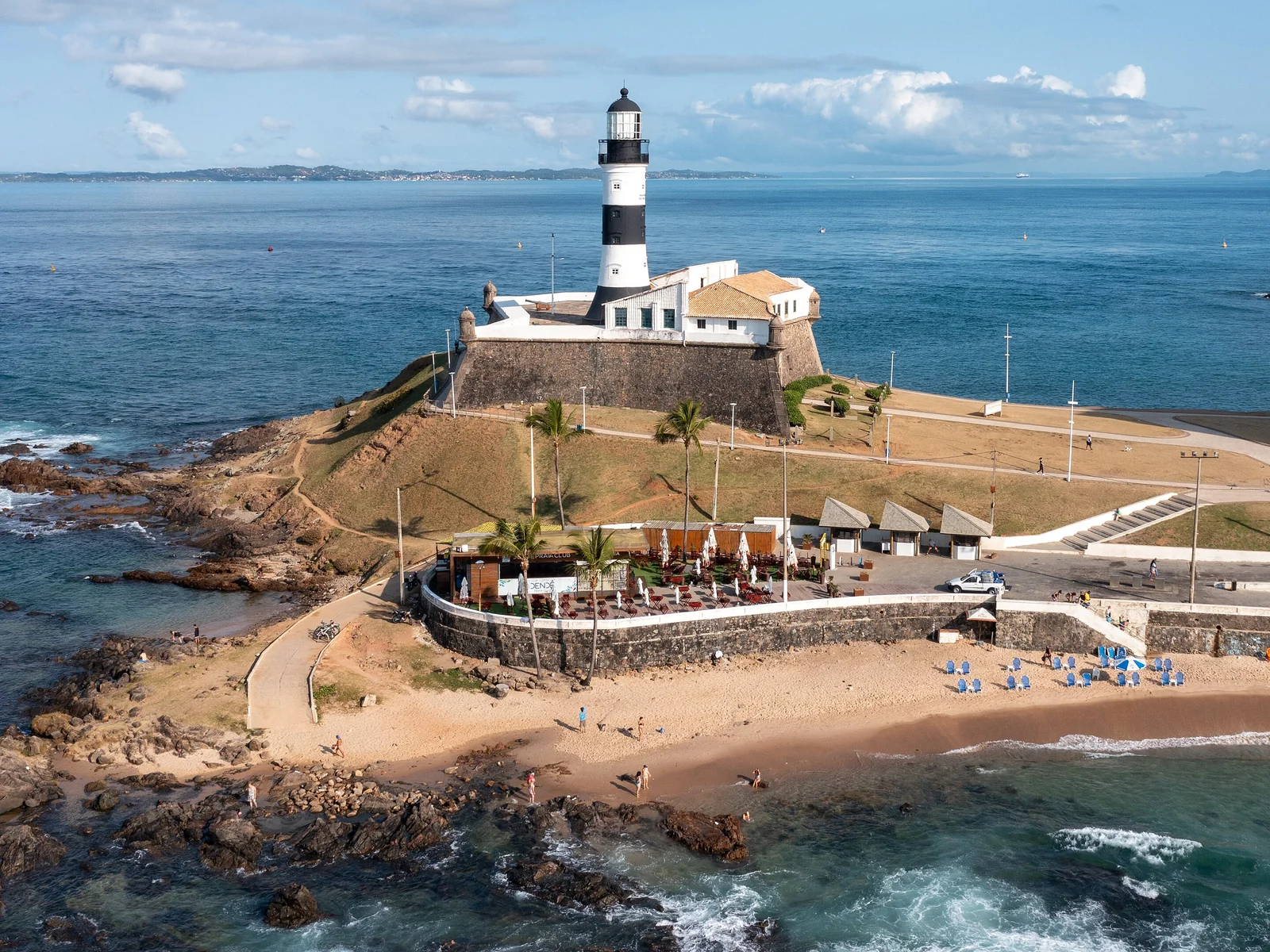
The rebuilt Barra seafront is the city’s accessibility success story and the most wheelchair-friendly corner of Salvador: a continuous level promenade with tactile paving, benches and ramps down to the sand, where the run from Porto da Barra around the lighthouse is a good kilometre of genuinely step-free rolling. Sunset at Porto da Barra — the one the crowd applauds — works perfectly from the esplanade, no sand required; on the beach itself, three hundred metres of calm bay water, vendors bring chairs, drinks and an umbrella to you. The broad esplanade circling the Farol da Barra stays paved and level; the fort’s interior, home to the Museu Náutico, is only partly so — ramps below, steps above, R$ 20 in, free for visitors with disabilities and a companion.
Then there is ParaPraia, the city’s adapted-bathing programme, run since 2015 at the Bacia das Moças in Ondina, opposite the IBR rehabilitation institute: on summer weekends from 8 am to noon, amphibious floating chairs, access ramps, adapted bathrooms and some sixty trained volunteers a day put people with disabilities or reduced mobility into the sea, free — around ninety bathers a morning. The city marked its tenth season in 2025. For the rest of the coast, our beaches guide flags which shores you can reach without stairs.
Getting around: Uber is the workhorse, with one caveat
Ride-hailing is how Salvador moves: plentiful cars, short waits, fares low by North American or European standards. The caveat — Uber Assist and the ramp-equipped WAV category do not exist in Brazil, so no car on the app carries a ramp; riding means transferring to the seat while the driver stows the folded chair. It works, routinely — a message at booking (cadeira de rodas dobrável, folding wheelchair) sets expectations, and the Comfort and Black tiers buy a bigger boot and an easier transfer. The 99 app does the same job. City buses officially carry lifts; in practice they are crowded and the lifts are a lottery. A typical cross-town Uber runs R$ 15–25, call it €3–4 — pay it and be done.
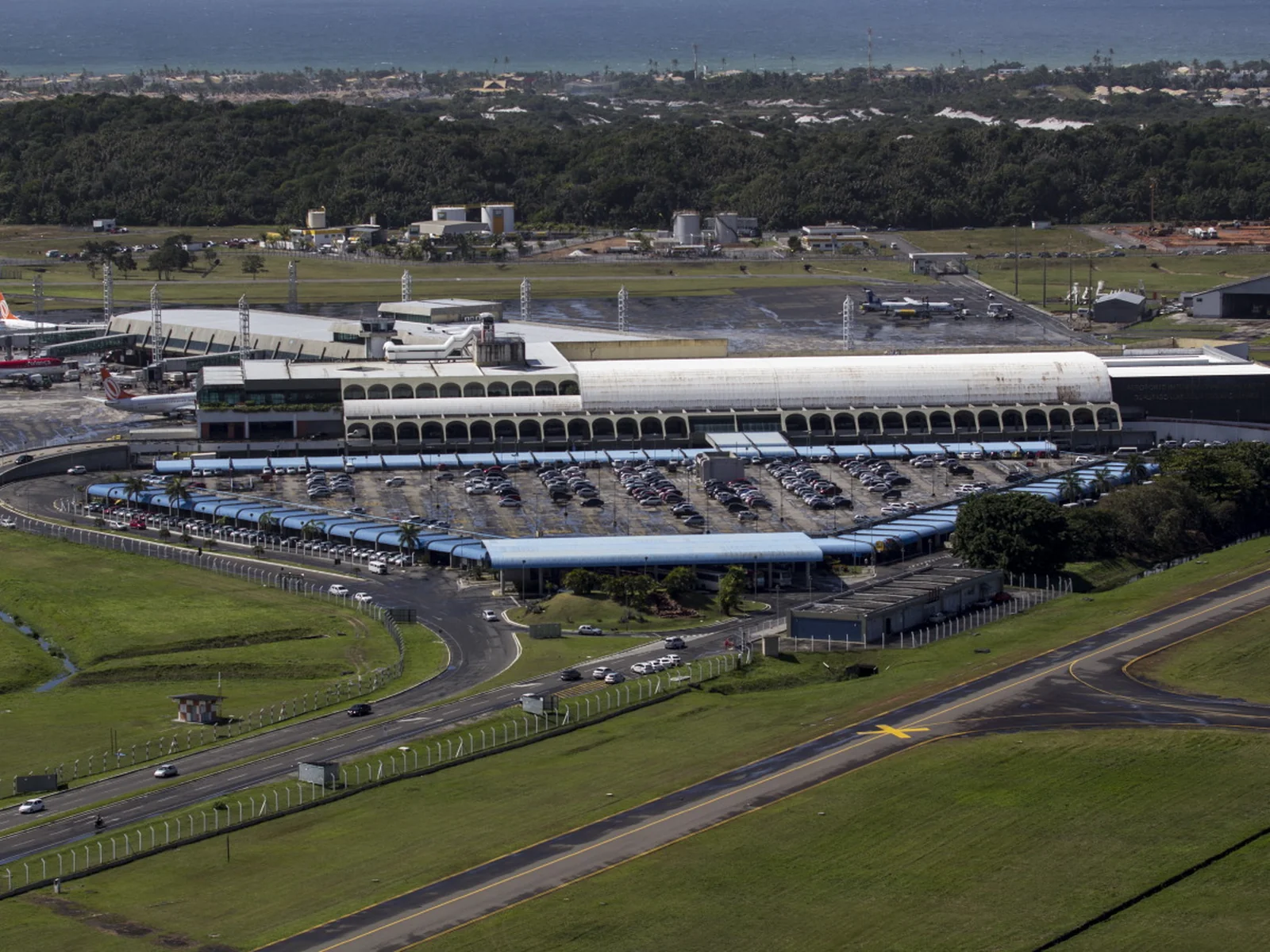
The metro is the opposite story: lifts at every station, ramps built to the Brazilian ABNT norm, tactile flooring, braille signage and adapted toilets throughout — excellent, and largely beside the point: the two lines serve commuters, and the nearest station leaves a rough kilometre of hills to the Pelourinho. Where it earns its keep is the airport run. The airport itself has a tactile route from pavement to gate, lifts, adapted bathrooms and Ambulift vehicles for aircraft on remote stands — details on its accessibility page — but assistance must be requested through your airline at least 48 hours ahead under Brazil’s ANAC rules. Wider logistics: our airport guide and getting around Salvador.
Booking a room: where not to sleep, and the questions that work
The costliest mistake here is the romantic one: a restored colonial sobrado in the Cidade Alta or Santo Antônio with three steep flights, no lift and a cobbled lane no car can enter. Glorious architecture; the wrong tool. Most travellers with mobility limits end up happiest in the modern buildings along the Barra–Ondina seafront — lifts, level lobbies, the flat orla at the door — and our where-to-stay guide weighs those neighbourhoods honestly.
Whatever you book, interrogate the host with counts, not adjectives. "Is it accessible?" invites optimism; numbers invite truth:
- Exactly how many steps between the street and the bed? People say "practically none" and mean eight.
- Can a car stop at the door — and if not, how far is the nearest point it can reach?
- Is there a lift, and which floor is the room on?
- Is the shower walk-in, or over a step or a tub edge — and are there grab rails?
- How wide is the narrowest door on the way to the room: 75 centimetres or more?
- In doubt, ask for a photo of the entrance and the bathroom door. Thirty seconds of a host’s time settles everything.
Travelling older: pacing Salvador for seniors
Most readers of this page are not in wheelchairs — they travel with more birthdays and less patience for hills, and their real adversary is heat. Salvador sits thirteen degrees south of the equator; days run warm to hot all year and turn properly humid from December to March, as our best-time guide lays out. The pattern that works: sights before 11 am, shade or air-conditioning in the early afternoon, seafront after 4 pm, coconut water throughout. Alternate each historic-centre day with a flat day — orla, museums, malls — and knees stay on speaking terms with the cobbles.
Small things that help: handrails are rare on the ladeiras, so shoes with real grip and a rubber-tipped cane earn their luggage space. The new orla has benches at regular intervals; in the Pelourinho the benches are café tables — use them without embarrassment. Pharmacies are everywhere and well stocked — the practical chapter of our A-to-Z guide covers them, along with insurance and the emergency numbers. And ride the elevator and the little Plano Inclinado funicular on principle: both were free to ride in 2026, and they spare the exact joints you came to use.
A last word on where we fit. Our own suites live in the Cidade Alta, steps from the elevator — which means historic buildings, and historic buildings mean stairs. If steps are a limit, write to us before you book — we will count them honestly — and if we are the wrong fit we will say so and point you somewhere better. We would rather lose a booking than have you meet a staircase we forgot to mention. The suites are here when the answer is yes.
Salvador, in images
Photographs of the neighborhood, restaurant, and beach featured in this guide, with credit to each photographer.
Ready to discover Salvador?
Book one of the four Via Avantgarde suites in the Pelourinho — and receive the complete guides with recommendations for your stay.