Is Salvador Worth Visiting? the case for and against
Is Salvador Brazil worth visiting? The case for the music, food and Afro-Brazilian culture, the case against, who should pick Rio, how many days.
The essentials in 30 seconds
The honest answer on whether Salvador, Brazil is worth visiting: for travellers who care about music, food, history and a living Afro-Brazilian culture that exists nowhere else, emphatically yes — and it costs roughly half of what Rio does. For travellers who want resort polish, seamless infrastructure and nothing to stay alert about, genuinely no — the resort coast north of the city will serve you better, and we'd rather say so now than after you've booked. Below: the full case for, the honest case against, who should choose Rio instead, and a verdict on days. Short version: three or four at minimum, a week if you can.
The case for: the Afro-Brazilian capital of the Americas
Salvador is a city of about 2.4 million people, and roughly 80 per cent of them identify as Black or mixed-race — the largest Afro-descendant population of any city outside Africa. That is not a line for a plaque; it is the organising fact of the place. Candomblé, capoeira and the samba that Rio later made famous all took shape here, and they continue as everyday practice rather than heritage display: a terreiro ceremony is a religious service, not a show, and the drum corps you hear rehearsing through an open window are preparing for something real. On Tuesday nights the old town holds a free street party after mass at the Rosário dos Pretos church. No other city in the hemisphere sounds like this, and you don't need a ticket for any of it.
The case for: a 16th-century capital with beaches inside it
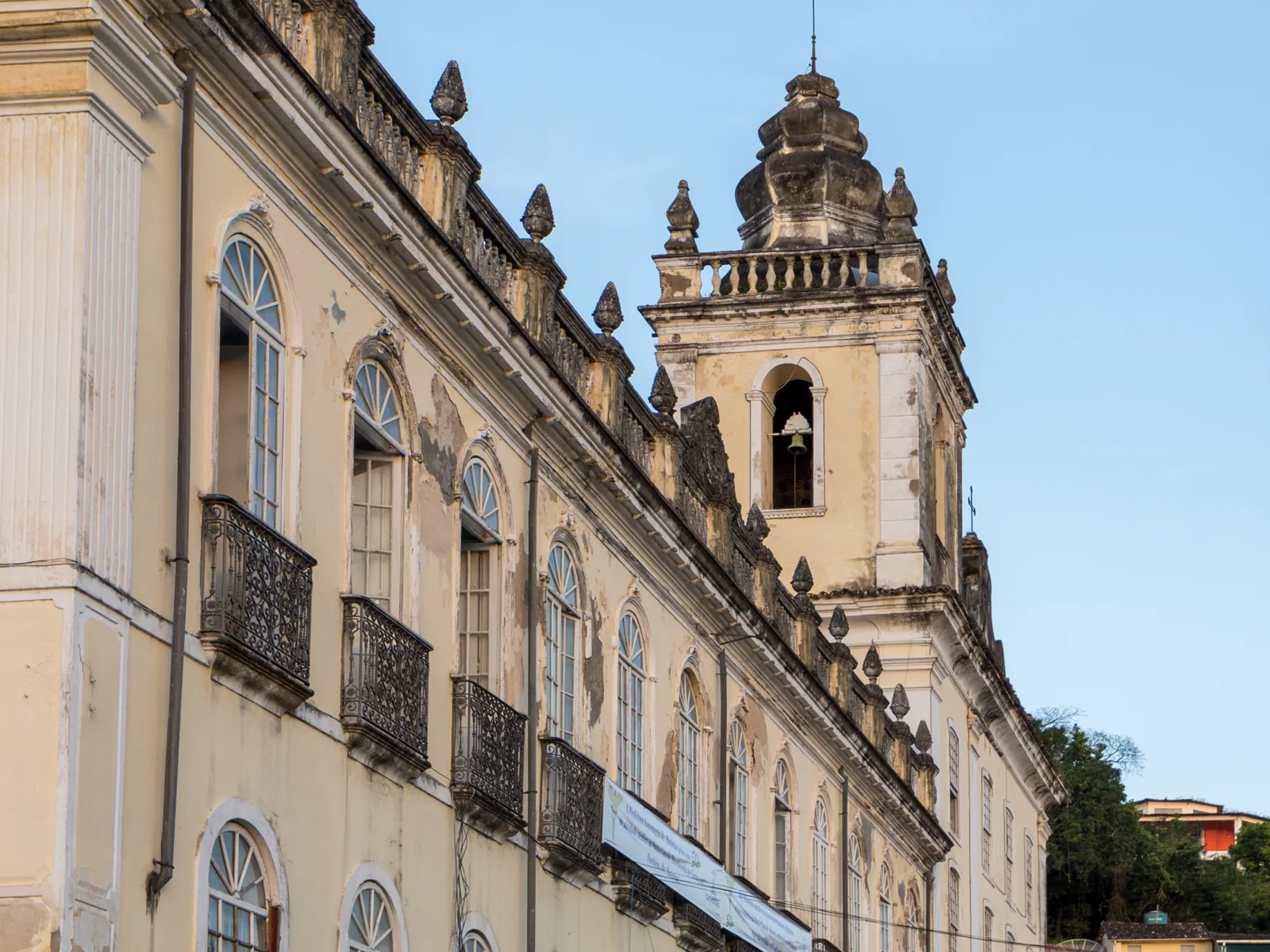
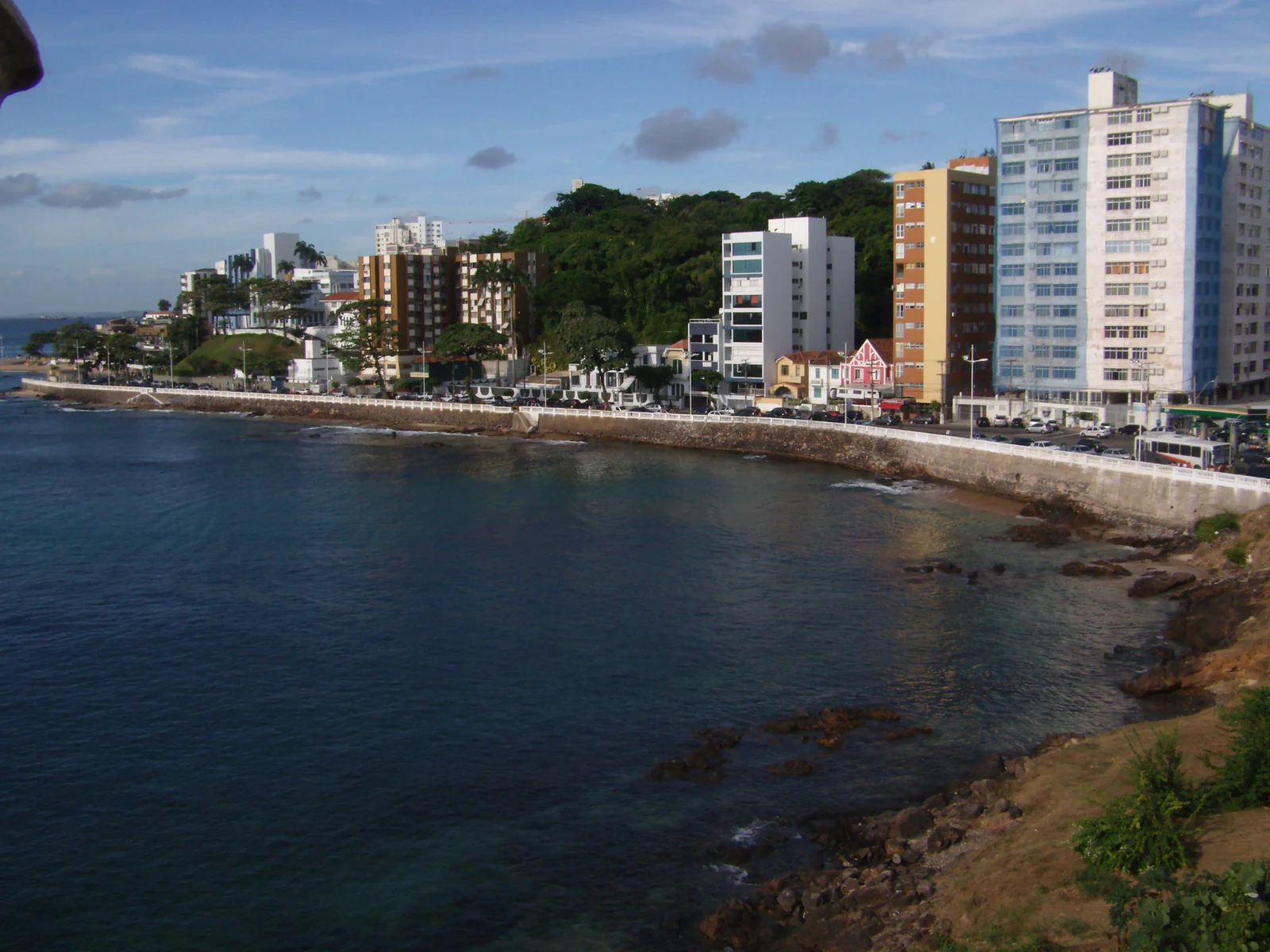
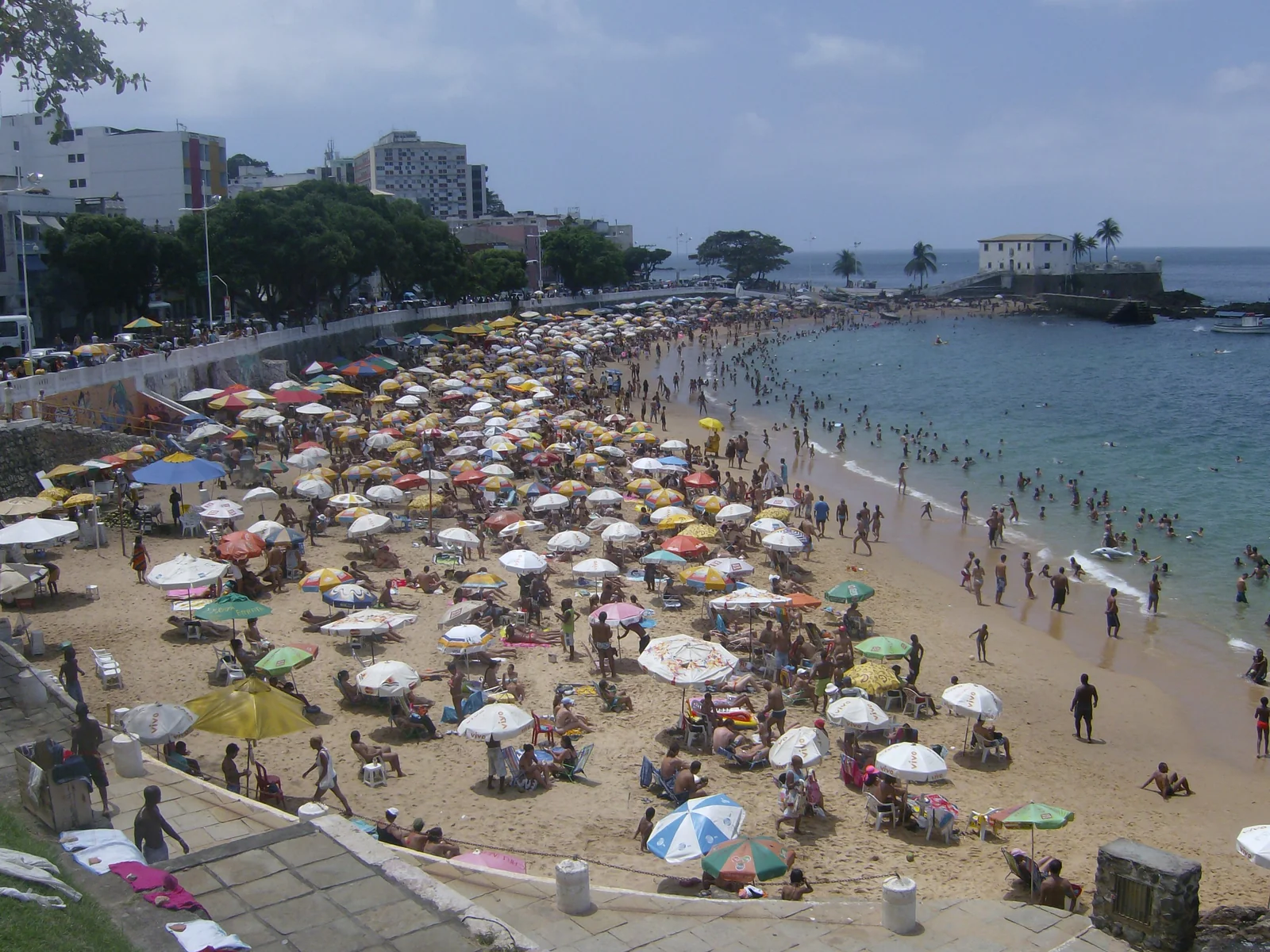
Salvador was Brazil's first capital, from 1549 to 1763, and the Pelourinho — a UNESCO World Heritage Site since 1985 — still reads as the colonial city it was: hillsides of 17th- and 18th-century townhouses, baroque churches, steep cobbled squares. The Elevador Lacerda has joined the upper and lower cities since 1873, came out of a full refurbishment in February 2025, and was free to ride in 2026. Then, twenty minutes from the old town, the city has proper swimming beaches: Porto da Barra is a calm, west-facing crescent between two forts where the sun sets into the sea and the beach applauds it down. From July to October, humpback whales pass along the coast. Cities offering all three at once — a preserved colonial core, warm ocean swimming and a music culture this deep — are rare enough that we struggle to name a second one. Our things to do in Salvador guide works through the specifics.
The case for: the food, and what everything costs
Bahian cooking is its own cuisine, not a regional accent — dendê palm oil, coconut milk, seafood and pepper, worked the same way for three centuries. An acarajé from a baiana's street tray costs R$ 10–15, about US$ 2–3 at early-August 2026 rates (US$ 1 ≈ R$ 5.11); a moqueca for two in a proper restaurant runs R$ 100–180, roughly €17–30. And beyond the plate, Salvador is one of the cheapest genuinely great cities you can currently visit: the elevator is free for now, the churches, the beaches and the street music are free, and the sunset costs nothing either. For scale — the adult ticket for Christ the Redeemer in Rio stands at about R$ 134 as of mid-2026, more than every signature sight in Salvador put together.
The case for: February
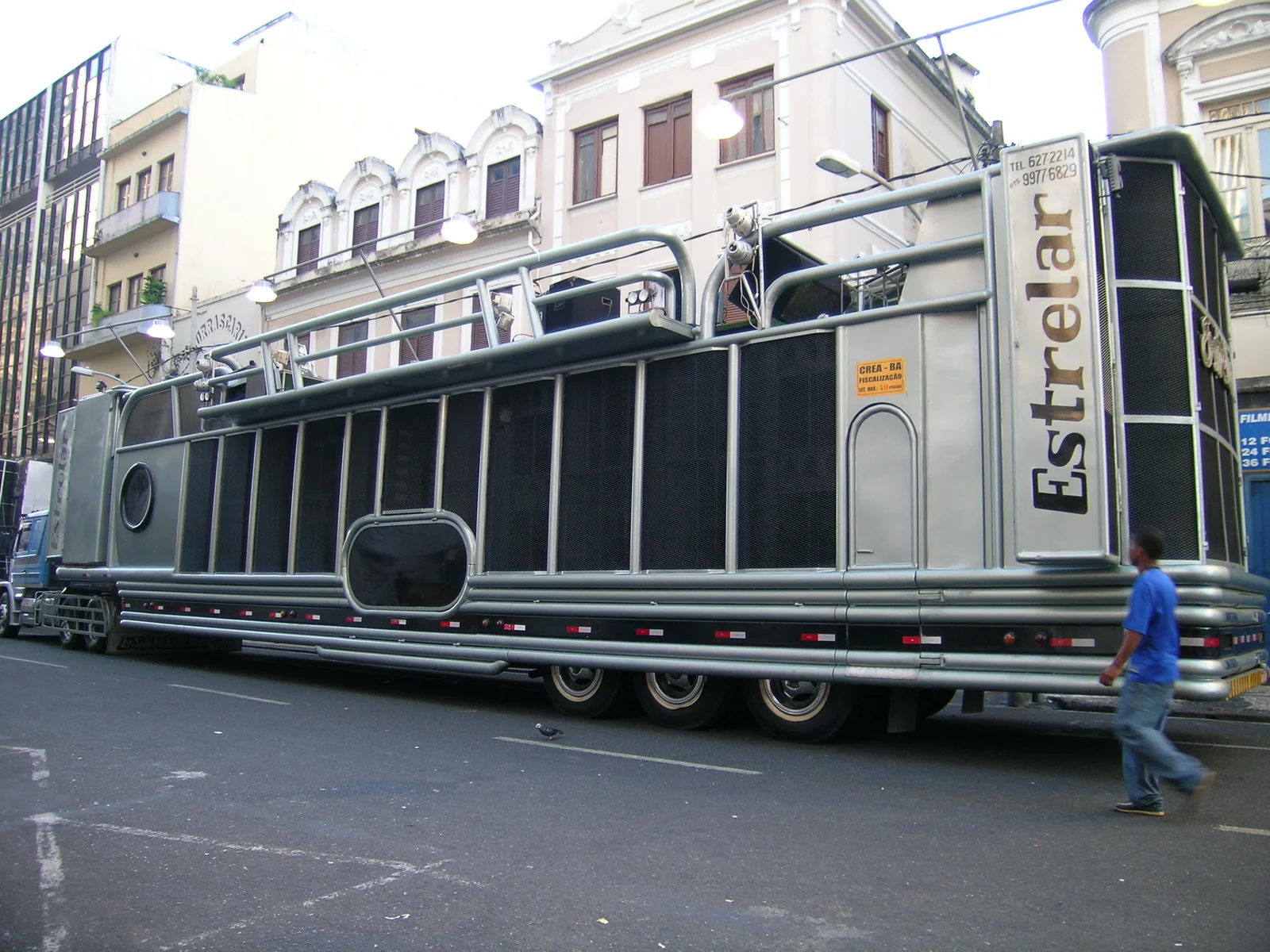
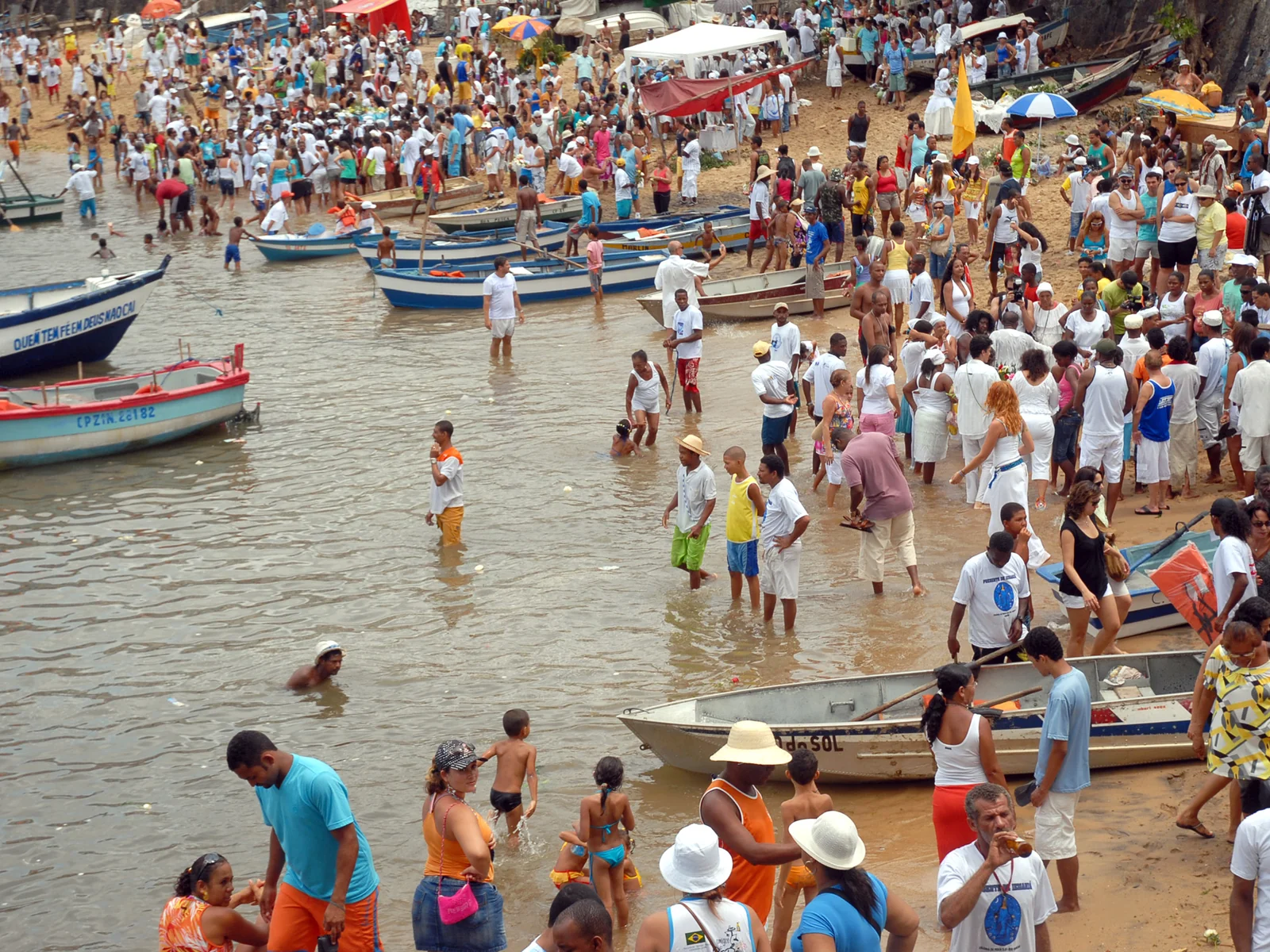
If you can travel in February, the question of whether Salvador is worth visiting mostly answers itself. Carnival here is the participatory one: around 2.5 million people follow the trios elétricos — rolling sound-trucks with live bands on top — along three circuits, Dodô on the seafront, Osmar in the centre, Batatinha in the old town. Guinness has certified it as the biggest street party on the planet, and in March 2025 added a second record for the world's biggest trio elétrico carnival. The official dates for 2027 are 4–10 February. Bracket the week with the Festa de Iemanjá on 2 February, when Rio Vermelho spends a whole day carrying flowers out to the sea goddess, and you have the densest stretch in the Brazilian calendar. Our Bahia festival calendar maps the rest of the year.
The case against
Now the other side, stated just as plainly. If your Brazil is a beach resort, Salvador is the wrong tool. The Costa dos Coqueiros begins about 80 kilometres north of the city: Praia do Forte and Imbassaí have proper all-inclusives — Iberostar, Tivoli, Grand Palladium — with gated calm, swim-up bars and no decisions to make. Salvador's beaches are urban beaches: cheap, loud, full of vendors and families, and never effortless. If you need polished infrastructure everywhere you look, parts of the centre will grate. One street behind the restored squares stand semi-derelict townhouses with trees growing out of the roofline; the Comércio district below the bluff empties after office hours; pavements are broken; buses are crowded. Salvador is a working metropolis with real problems, not a preserved set. That is exactly why it feels alive — and exactly what a certain kind of traveller will not enjoy.
Two real taxes: attention and drizzle
Petty theft is a tax you pay in attention. Bahia records more than 54,000 phone robberies and thefts a year — the number is falling, down around 14 per cent — and violent crime concentrates in peripheral neighbourhoods far from anywhere a visitor goes. The practical consequence is a set of small habits: phone in a front pocket, nothing on you that you'd mourn, licensed cars after dark, attention half-on in crowds. None of it is hard; all of it is a low hum a resort week never asks of you. Our Salvador safety guide covers the actual geography of risk and the habits that matter. The weather is the second tax. The rainy season runs April to July, heaviest in May and June, usually as short hard squalls with sun in between — and August, when this page was last updated, still carries the tail of it: most days bring a brief shower or a spell of drizzle around 26 °C, over a sea warm enough that nobody cancels the beach. Our month-by-month guide to the best time to visit Salvador breaks it down.
Who should choose Rio instead
We run four suites in Salvador, so weigh this section accordingly — and we'll still say it plainly. Choose Rio if this is your one trip to Brazil and the postcard matters: Christ the Redeemer, Sugarloaf and the curve of Copacabana have no equivalent here, and pretending otherwise would make this page useless. Choose Rio for a deeper bench of big-name sights, for polished hotels and restaurants in the Zona Sul, for more English spoken and far more flight connections. Expect to pay roughly double day to day, and don't expect the safety rules to relax — Rio's are no lighter than Salvador's. If your week must look like the Brazil of the imagination, go to Rio. If it must sound like Brazil at its source, come here. The full comparison, sight by sight and price by price, is in Salvador vs Rio.
Salvador vs the alternatives
| Destination | Its strongest case | The trade-off |
|---|---|---|
| Salvador | Afro-Brazilian culture at the source; a UNESCO old town; live music as a daily fact; the lowest prices of the four | Frayed around the edges; vigilance habits required; beaches are urban, not idyllic |
| Rio de Janeiro | The most dramatic setting of any big city, and the deepest roster of famous sights | Roughly double the daily spend; its own safety rules; more rehearsed for visitors |
| Recife–Olinda | Olinda's hilltop centre (UNESCO-listed in 1982) and Brazil's other great street Carnival | You don't swim in the city — Boa Viagem has a documented shark problem and surfing is banned; a thinner week overall |
| The resort coast (Praia do Forte north) | Effortless warm-water beach weeks; all-inclusive logistics that families love | Interchangeable with any warm country; the culture arrives as a dinner show |
A note on access, since it surprises people: from Europe, Salvador is easy — TAP flies nonstop from Lisbon six days a week as of mid-2026, in a little under nine hours, and Air Europa connects Madrid. From the United States there is no nonstop; you change planes once, usually in São Paulo, Rio or Panama.
The verdict: is Salvador worth visiting, and for how long
Salvador is worth visiting — decisively — if you choose places for what can only be seen, heard and eaten there, and honestly not if you want the tropics with the difficulty removed. The city gets underrated for a specific reason: people give it a day, spend that day inside two postcard squares, and leave before it starts talking. Give it three or four days at minimum — the Pelourinho done properly, Bonfim, a Porto da Barra sunset, a day out on the bay. With a week, the day trips open up: Morro de São Paulo is two and a half hours away by catamaran, the schooner islands closer still. Our Salvador itinerary lays out both versions day by day.
And if your answer is yes, the follow-up question is where to base yourself — because most of the case above is strongest in one neighbourhood. The drums through the window, the elevator at the end of the street, the old town starting at your door: that is the Cidade Alta. Our boutique suites put you in the middle of it, a few minutes' walk from the Pelourinho.
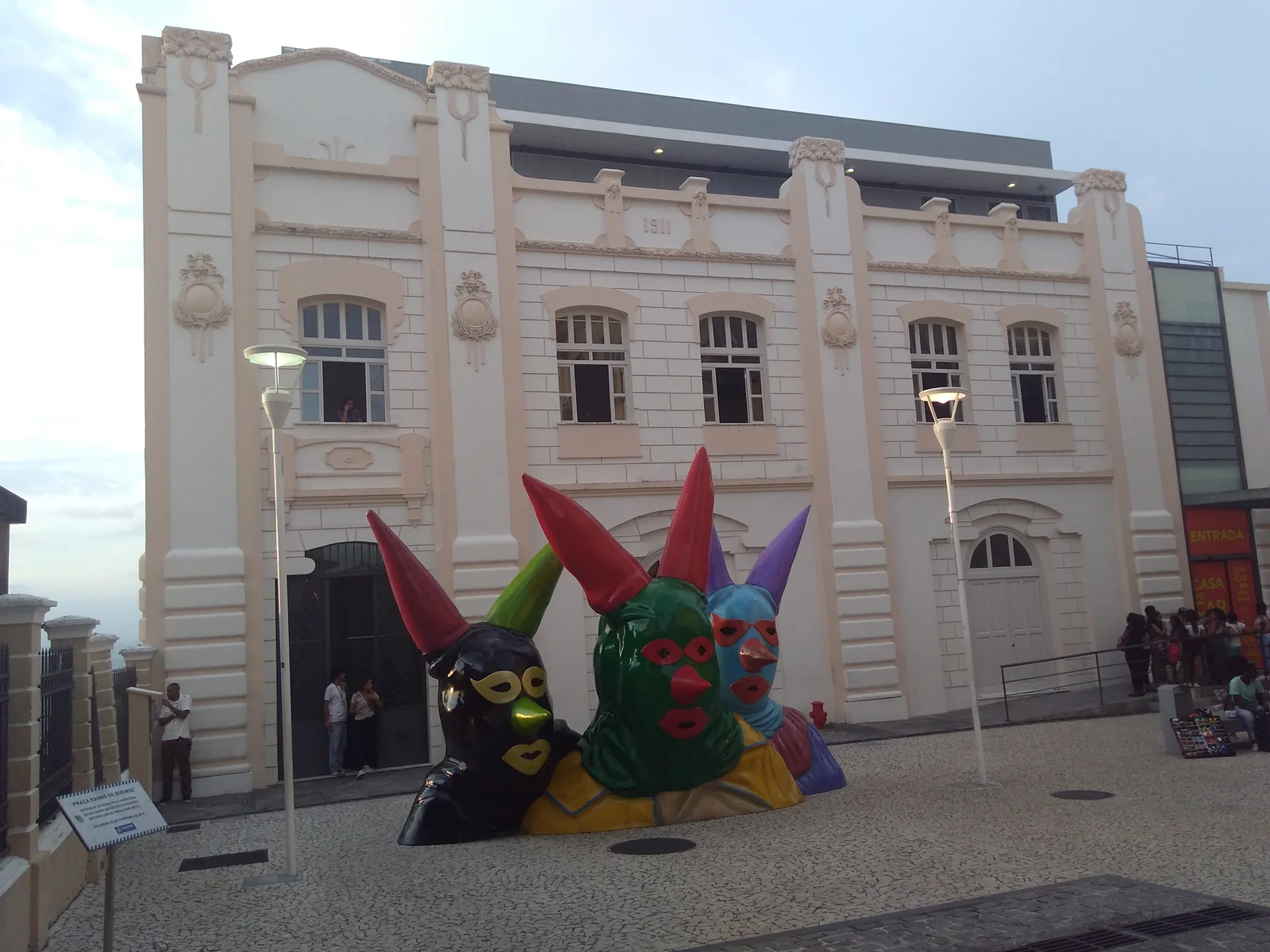
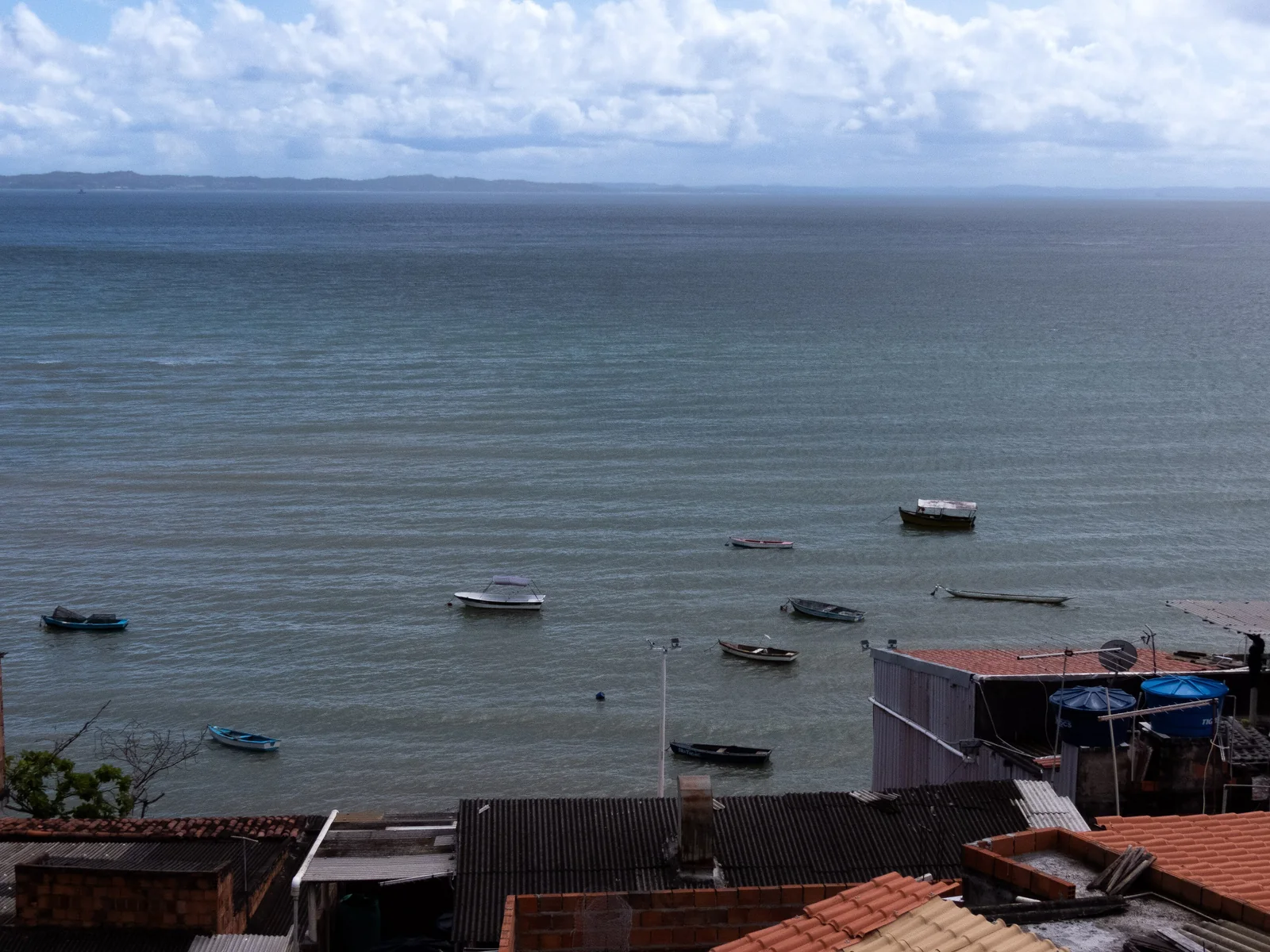
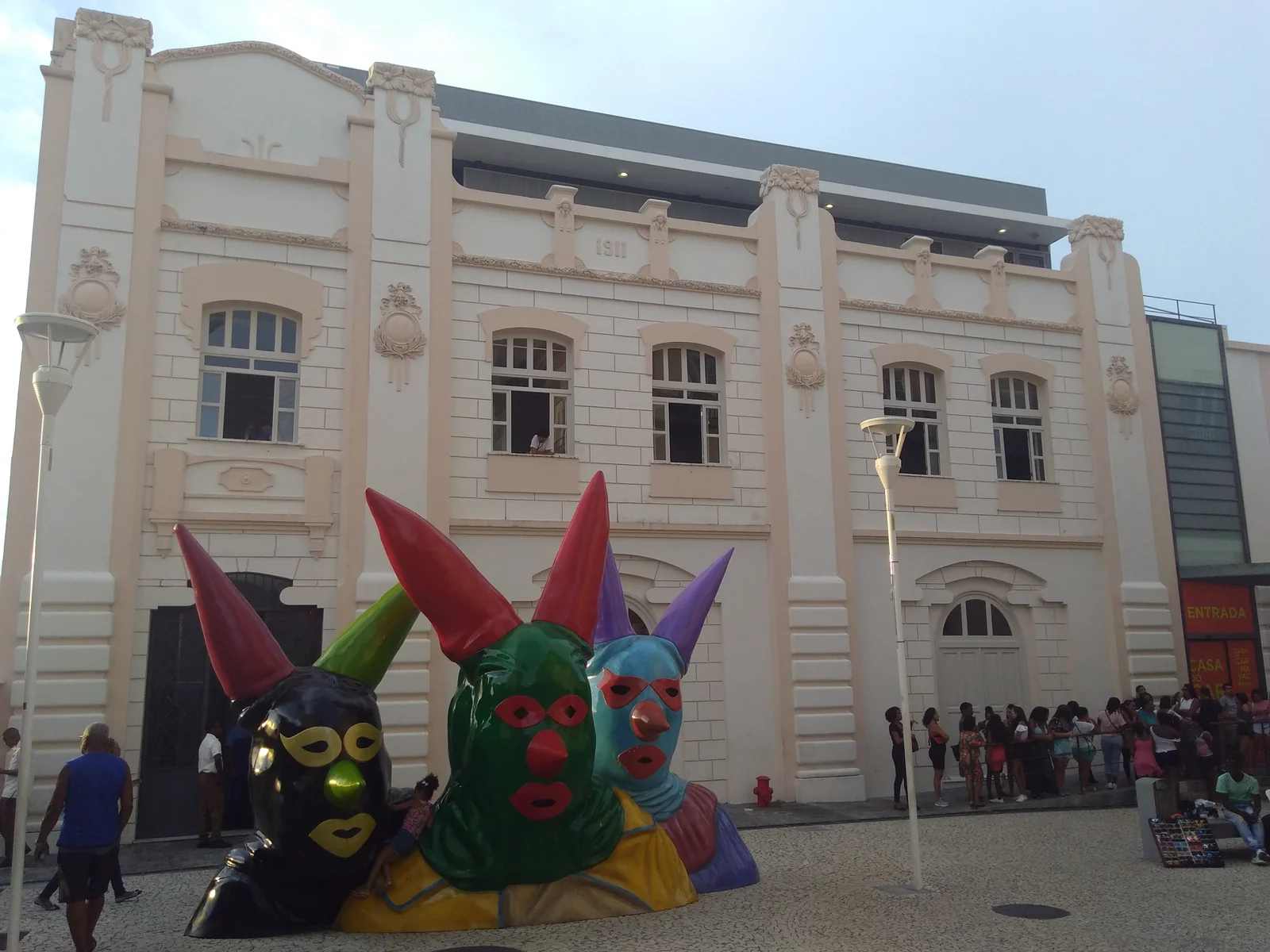
Salvador, in images
Photographs of the neighborhood, restaurant, and beach featured in this guide, with credit to each photographer.
Ready to discover Salvador?
Book one of the four Via Avantgarde suites in the Pelourinho — and receive the complete guides with recommendations for your stay.