Cachoeira and the Recôncavo the culture-first inland day trip
Cachoeira Bahia day trip from Salvador: the 1885 iron bridge to São Félix, the Boa Morte festival, baroque churches, the Dannemann cigar works and how to get there.
The essentials in 30 seconds
A Cachoeira Bahia day trip runs about 110 kilometres inland from Salvador into the Recôncavo, the sugar-and-tobacco basin that made colonial Bahia rich. Cachoeira and its smaller twin, São Félix, sit facing each other across the Paraguaçu river, joined by a single iron bridge shipped over from England in 1885. You come for the baroque churches, the Dannemann cigar works on the far bank, the story of Bahian independence and, above all, the Irmandade da Boa Morte — the sisterhood of descendants of enslaved women whose mid-August festival is the deepest cultural event of the year in the state. By car it is about an hour and three-quarters; by bus, a little over two hours. Come on a market Saturday or during a festival, not a half-asleep Tuesday.
What the Recôncavo is, and why it earns the drive
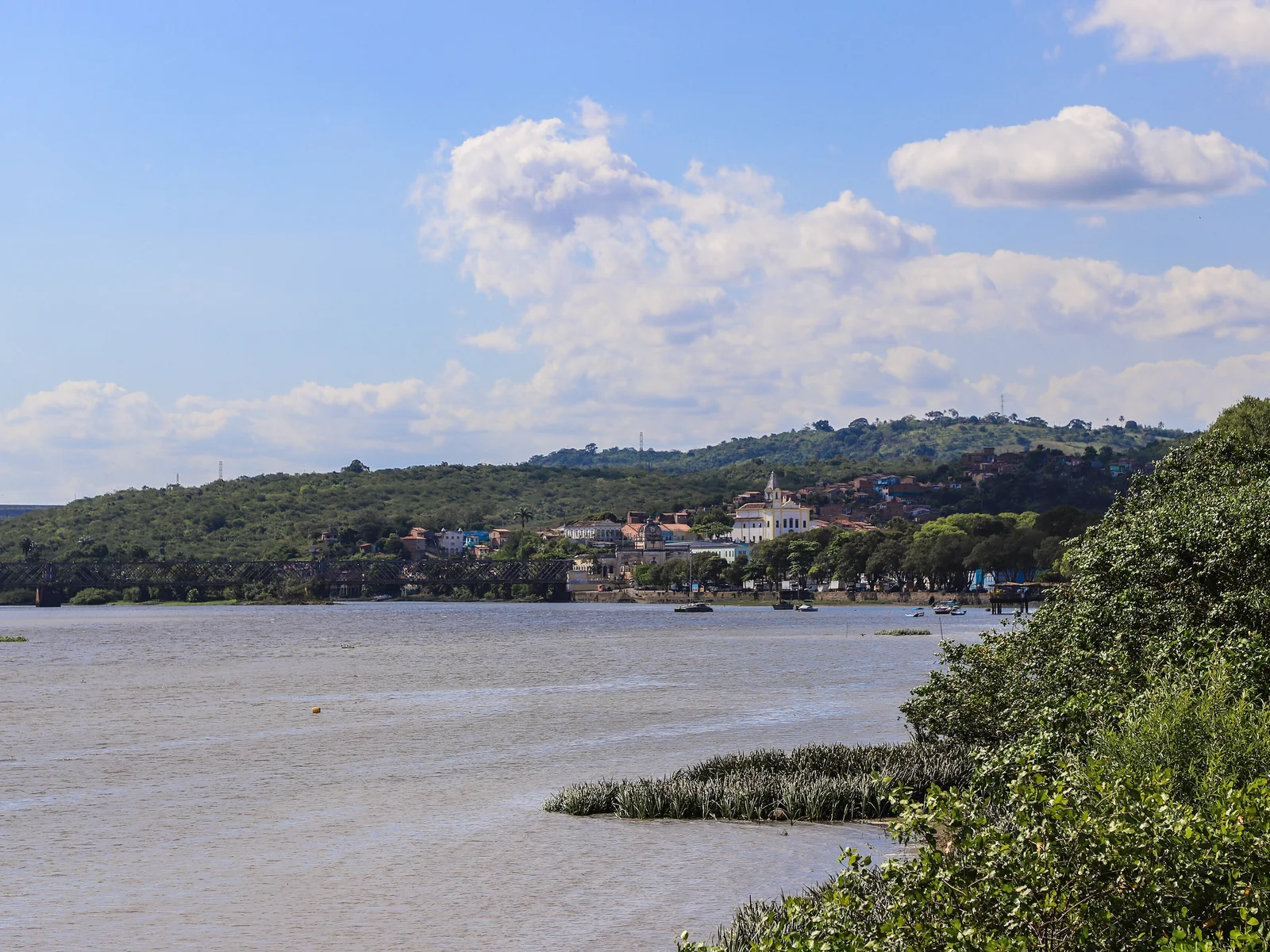
The Recôncavo is the ring of fertile land wrapped around the Baía de Todos os Santos, and for two centuries it was the richest countryside in Brazil. Sugar came first, then tobacco — fumo, in Portuguese — grown and cut by enslaved Africans on plantations whose profits paid for the mansions and gilded churches of Salvador. Cachoeira sat at the head of navigation on the Paraguaçu, the river port where sugar and cigars were loaded for the coast; its parish was founded in 1693 to serve the planters and traders crowding in. When the sugar economy faded, the town all but stopped growing where it stood — which is exactly why it survives as one of the best-preserved colonial centres in the country, declared a Monumento Nacional in 1971. Across the water sits São Félix, smaller and sleepier, the home of the cigar trade. Our day trips guide lines Cachoeira up against the other escapes from the city; this is the one for travellers who want history and culture rather than another beach.
Getting there: bus, car, and the train that no longer runs
The trip is easiest by car: take the BR-324 north out of Salvador, branch onto the BA-026, and you arrive in about an hour and three-quarters, roughly 110 kilometres. By bus, Viação Cidade Sol runs the route from Salvador's main rodoviária at close to hourly intervals from early morning until around 19:30, and the ride takes a little over two hours; a one-way ticket costs somewhere between R$ 25 and R$ 50 (about €4 to €8.50). Buy ahead on festival weekends, when the buses fill fast. What you cannot do any more is come by train. Scheduled passenger services into the Recôncavo ended long ago; the line that still crosses the river carries the occasional freight train and little else.
The Ponte Dom Pedro II and its single-lane dance
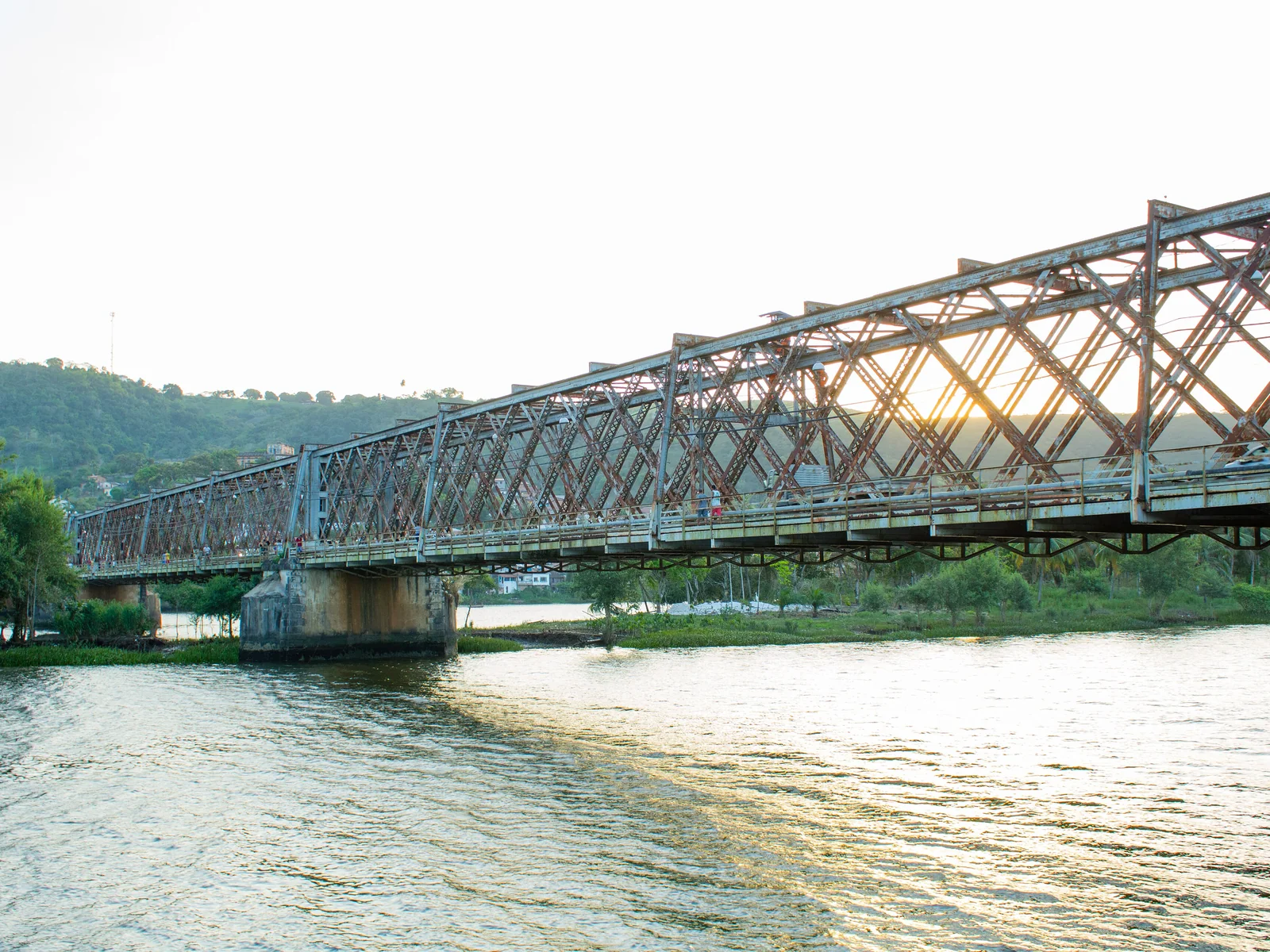
The two towns are stitched together by the Ponte Dom Pedro II, an iron bridge of around 365 metres inaugurated on 7 July 1885, its metal structure shipped in pieces from England. It turned 141 in 2026 and still does three jobs at once: a railway line runs down the centre, with a single lane of road traffic squeezed alongside. Because that lane is only wide enough for one direction at a time, cars have to take turns crossing — a slow, informal give-and-take that locals treat as normal and first-timers find faintly alarming. Walk across instead. From the middle you get the classic view: Cachoeira climbing one bank, São Félix the other, the brown Paraguaçu sliding underneath. The bridge shows its age — the Civil Defence has flagged worries about its upkeep, and recent work has been more cosmetic than structural — so cross it as the venerable relic it is.
The Irmandade da Boa Morte, the deep-culture event of the year
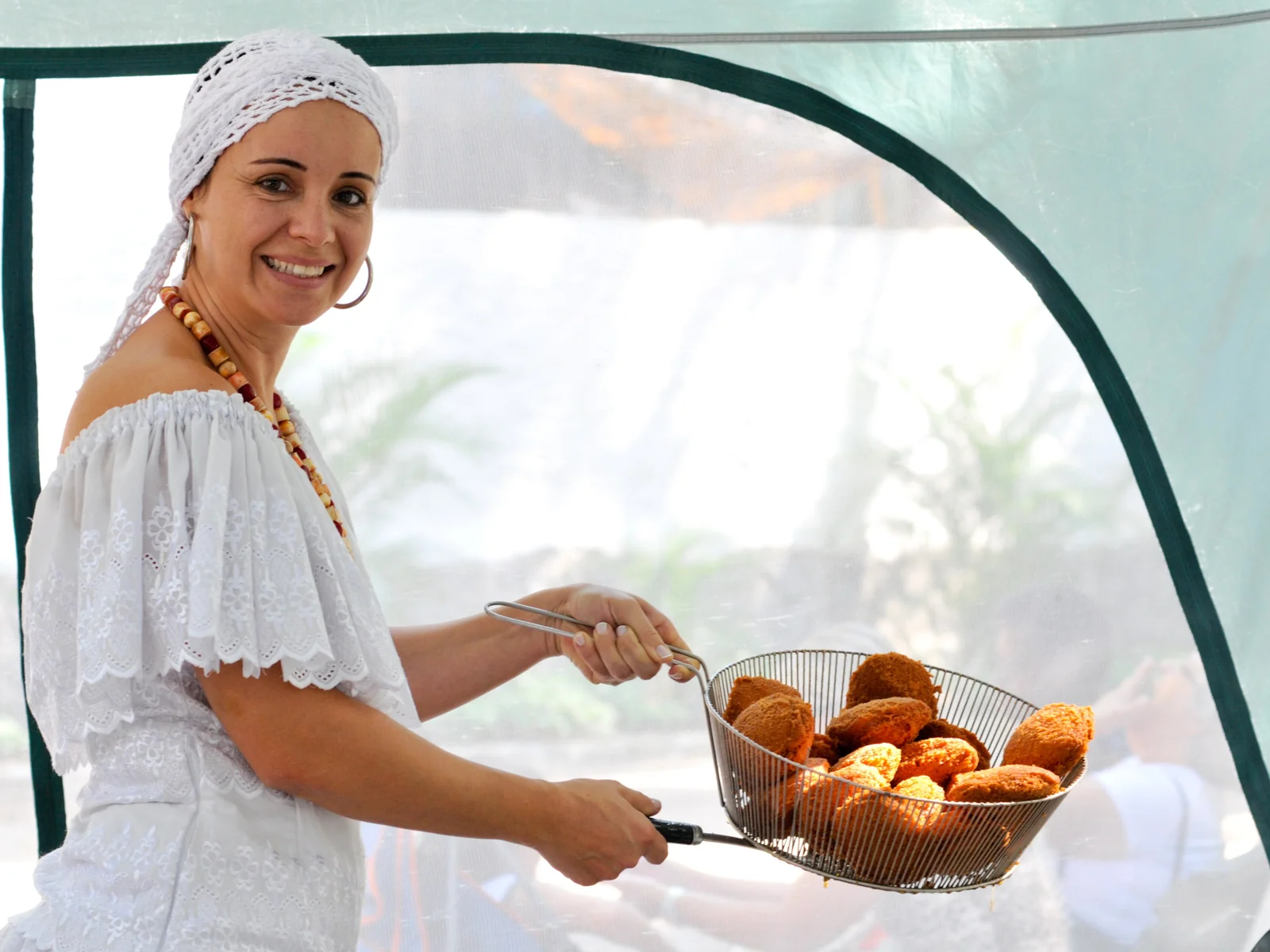
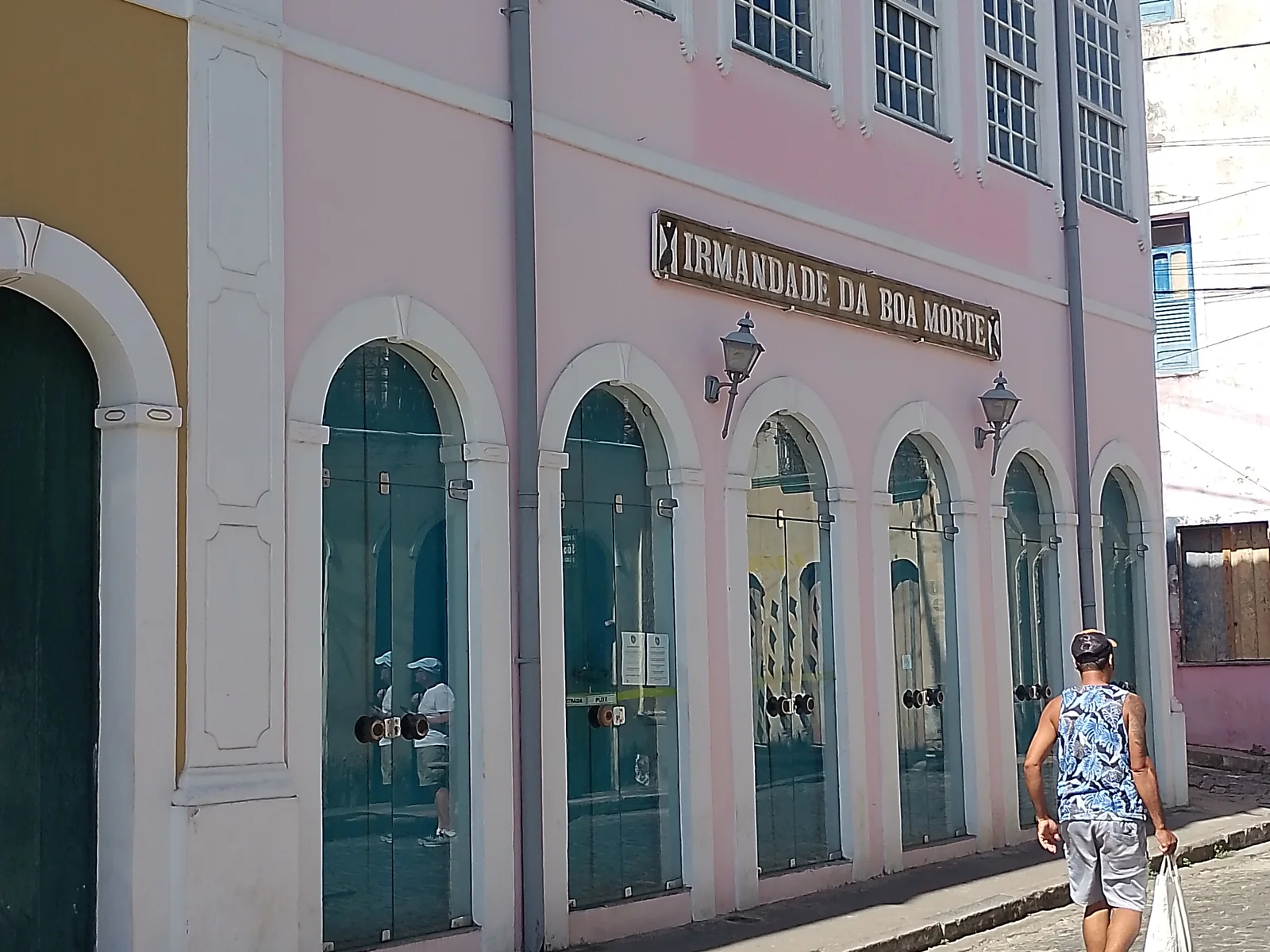
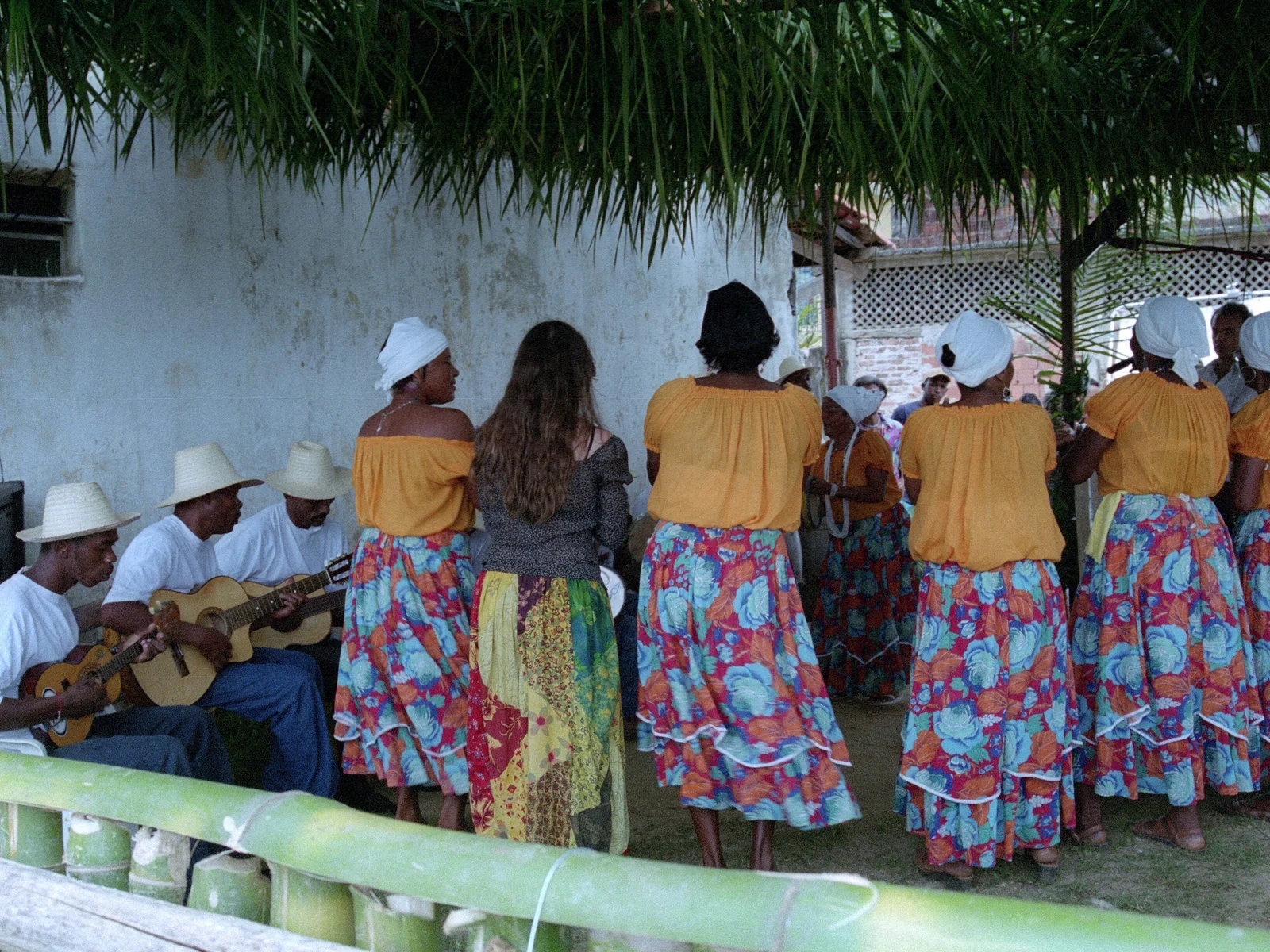
If there is one reason to time your visit precisely, it is the Irmandade da Boa Morte — the Sisterhood of the Good Death. It is a lay religious brotherhood of Black women, all of them descendants of enslaved Africans, that has kept a syncretic blend of Catholic devotion and Candomblé alive for more than two centuries. Their festival, held from 13 to 17 August around the Catholic feast of the Assumption, is the most important Afro-Brazilian celebration on the Bahian calendar, and it has been listed as Intangible Cultural Heritage of Bahia since 2010. Over those days the sisters — most in their seventies and eighties, in white lace and long strings of beads — lead processions, a solemn Mass, and then feasting, dancing and samba de roda late into the night. It is a religious event, not a show staged for outsiders; visitors are welcome, but come to witness it respectfully rather than to photograph everything that moves. The background to all of it is in our Afro-Brazilian history guide.
Baroque churches and the colonial core
Cachoeira's historic centre is small enough to walk in an hour, and its set piece is the Igreja da Ordem Terceira do Carmo, a baroque church begun in 1715 with a heavily gilded interior, blue-and-white Portuguese azulejo panels and carved wooden saints said to have come from Macau. The adjoining former Carmelite convent is now the Pousada do Convento do Carmo, so you can wander the cloister even if you are only there for lunch. A few streets away, the Casa de Câmara e Cadeia — the old town hall and jail, built between 1698 and 1712 — houses a museum, and the parish church of the Rosário and a scatter of smaller chapels fill in the rest. Much of this opens only in the mornings and can be shut without warning on a quiet weekday, so build in some slack and do not count on any single church being unlocked.
São Félix, the Dannemann factory and the cigar trade
Cross the bridge to São Félix and the theme turns to tobacco. The Centro Cultural Dannemann, on the riverfront, stands on the site of the first cigar factory in Bahia, opened by the German immigrant Gerhard Dannemann in the 1870s. Inside, charuteiras still roll cigars by hand at long wooden benches, much as they have for generations, and you can watch them work; the building doubles as a gallery and cultural centre. It keeps unusual split hours — roughly 07:00 to 11:45 and 13:00 to 16:45 — so plan around the lunch break. Also spanning the two towns is the legacy of Hansen Bahia: Karl Heinz Hansen, a Hamburg-born engraver who settled in the Recôncavo, took the state's name as his own and became a master of xilogravura, or woodcut. The Fundação Hansen Bahia keeps his gallery in Cachoeira, open daily except Mondays, and his former home as a museum-house.
Where Bahian independence began
Cachoeira carries a title most Brazilian towns would envy: cidade heroica, heroic city. On 25 June 1822, well before the more famous cry on the banks of the Ipiranga, it declared for Dom Pedro I and against continued rule from Lisbon. The Portuguese commander in Salvador sent a gunboat up the river, and its shots on the town helped start the war that ended with Bahia finally free on 2 July 1823. That date — Dois de Julho — is the great civic holiday in Bahia, marked more fervently here than Brazil's official 7 September, and every 25 June the state symbolically shifts its seat of government to Cachoeira for the day. It is a lot of history for a town this size, and it sits out on the streets rather than behind glass.
Planning your Cachoeira Bahia day trip
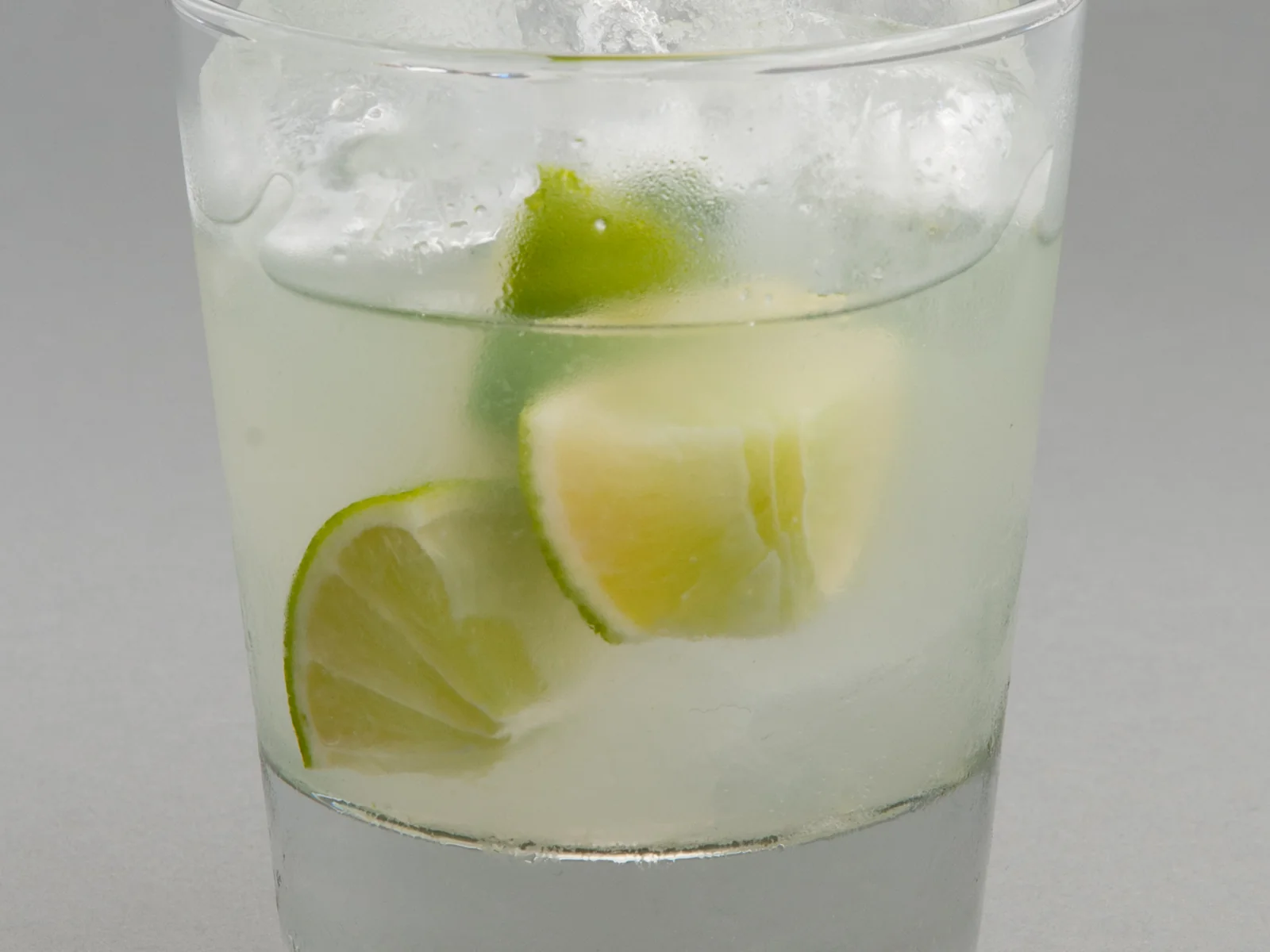
The old sugar economy left one happy legacy: cachaça. Stills still work the countryside around the town, and stalls in the centre sell local cane spirit alongside trays of doces, the fudgy coconut and fruit sweets the Recôncavo is known for. The other thing to grasp is the town's yearly rhythm. The two dates worth building a trip around are São João in late June — Cachoeira's version, the São João da Feira do Porto around the Praça Aristides Milton, runs roughly 20 to 25 June 2026, with philharmonic bands and samba de roda — and the Boa Morte in August. That samba de roda, incidentally, is no local curiosity but a tradition proclaimed by UNESCO in 2005. Our Bahia festival calendar maps the whole year, and our São João guide explains how the June festivals work and how to reach them from the city.
Cachoeira makes the argument for basing yourself in the Cidade Alta better than almost any other excursion: the bus and the BR-324 both start a short walk from our door, so you can be among the baroque churches of the Recôncavo by mid-morning and back on the bluff above the Baía de Todos os Santos in time for dinner. Have a look at our boutique suites in the historic centre — the right base for a trip built around Salvador and the towns that made it.
Salvador, in images
Photographs of the neighborhood, restaurant, and beach featured in this guide, with credit to each photographer.
Ready to discover Salvador?
Book one of the four Via Avantgarde suites in the Pelourinho — and receive the complete guides with recommendations for your stay.