Bahia Festival Calendar Salvador's festivals, month by month
A month-by-month Salvador and Bahia festival calendar: Lavagem do Bonfim, Iemanjá, Carnival, São João, Dois de Julho and Réveillon, with the 2027 dates.
The essentials in 30 seconds
Time your trip to the Bahia festival calendar and Salvador hands you a party for almost every month. The year opens with the Lavagem do Bonfim in January and the Festa de Iemanjá on 2 February, builds to Carnival (4-9 February in 2027), and keeps rolling with São João in June, Dois de Julho for Bahia's own independence, and a white-clad Réveillon on the beaches at New Year. Most of the biggest Salvador festivals are free and out in the open street. The two you truly must book far ahead for are Carnival and New Year.
The Bahia festival calendar at a glance
Few cities pack as much into the year as Salvador. Its festivals grew out of the meeting of Catholic feast days with African faith and rhythm, and the result is a calendar where a solemn procession and a sound-system street party often share the same afternoon. Here is the shape of the year, so you can pick your moment:
- 6 January — Festa de Reis (Three Kings' Day), the traditional start of the season.
- Mid-January — Lavagem do Bonfim, the washing of the church steps (14 January in 2027).
- 2 February — Festa de Iemanjá, offerings to the goddess of the sea in Rio Vermelho.
- February/March — Carnival, six main days of trios elétricos and blocos (4-9 February in 2027).
- 13 May — Bembé do Mercado in Santo Amaro, marking abolition.
- June — São João and the Festas Juninas, forró and bonfires, peaking on 23-24 June.
- 2 July — Dois de Julho, Bahia's independence procession.
- 31 December — Réveillon, fireworks and white clothes on the beach.
January: Festa de Reis and the Lavagem do Bonfim
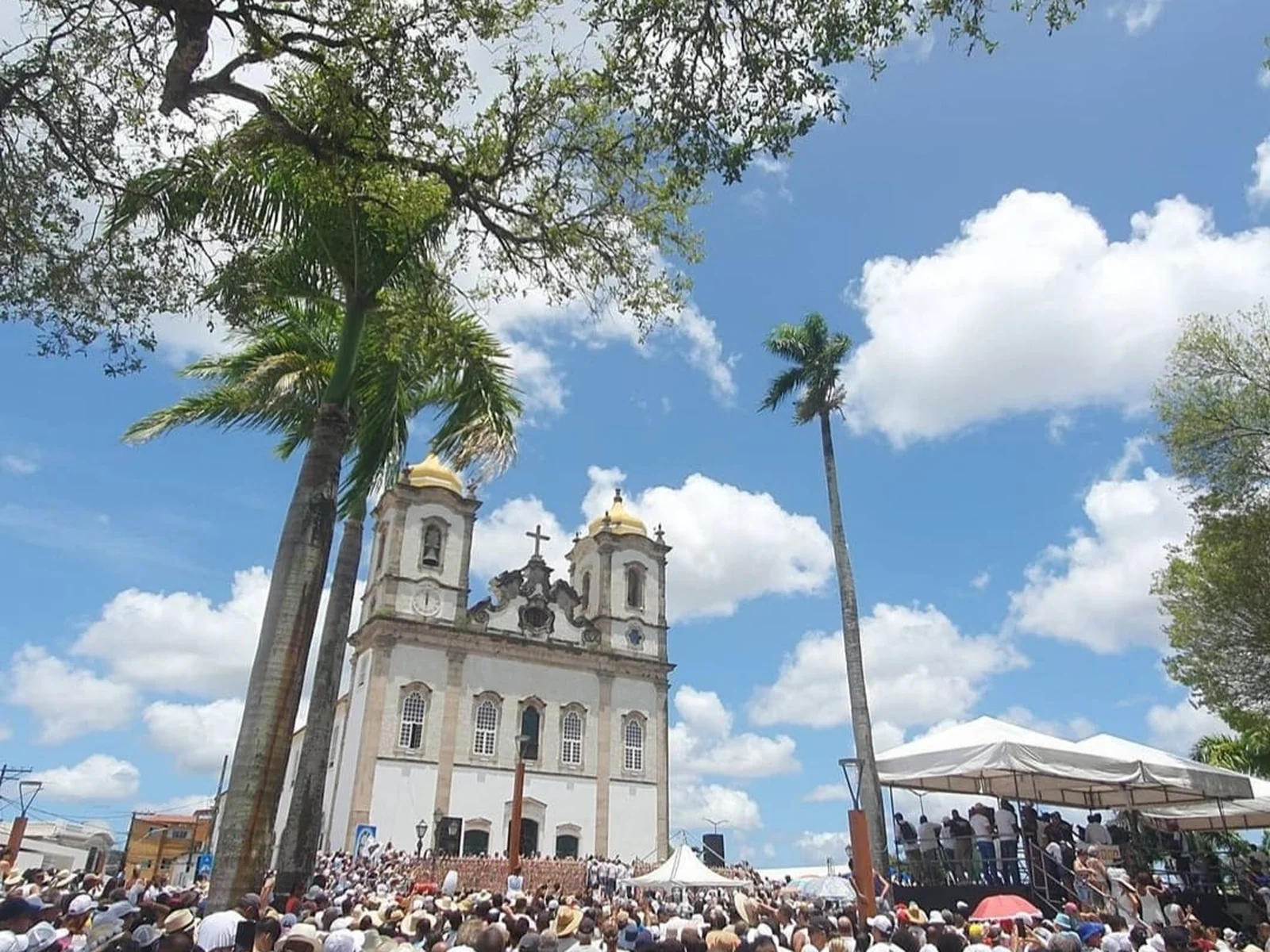
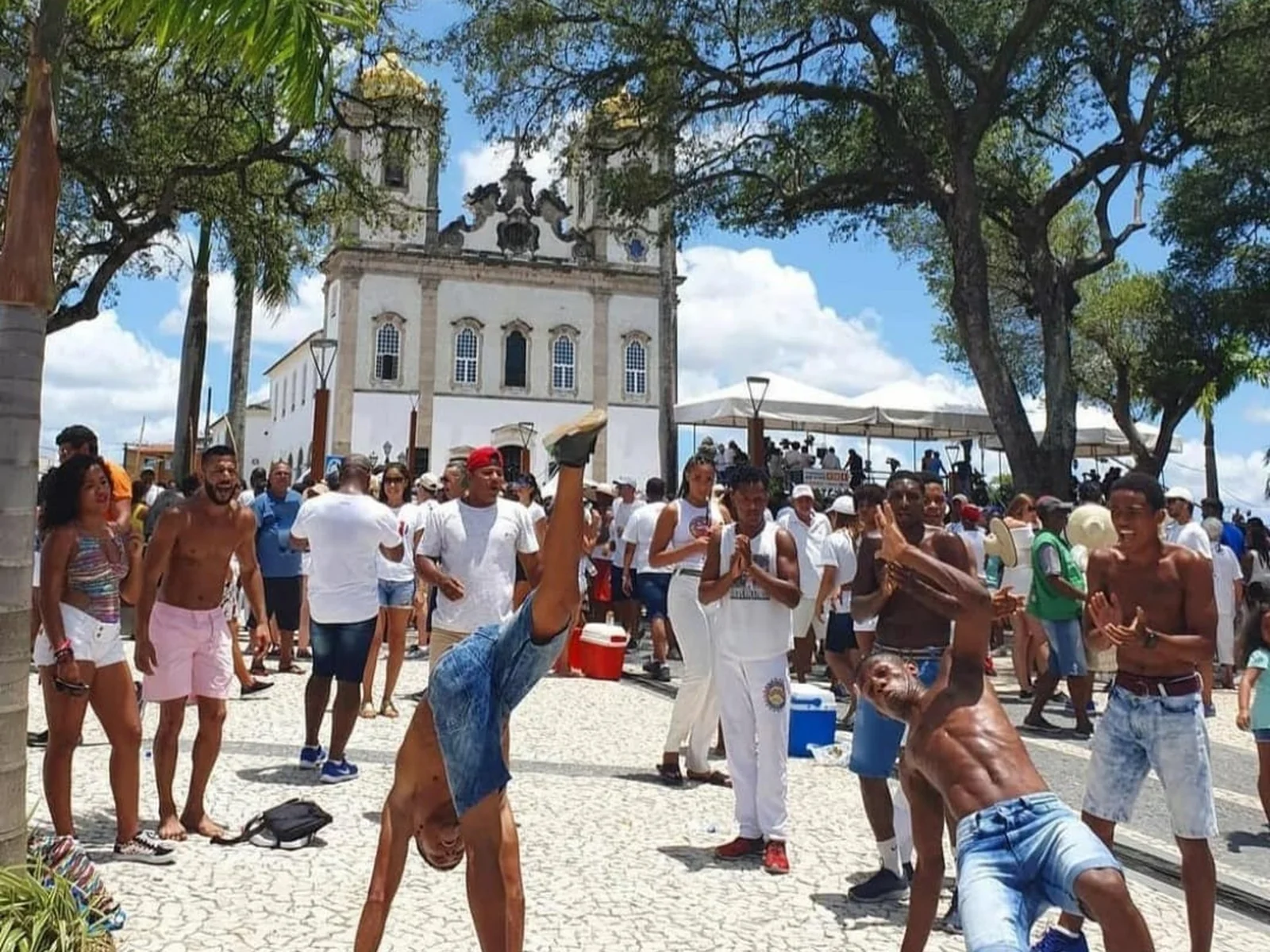
The Bahian year begins in white. Festa de Reis on 6 January (Dia de Reis, Three Kings' Day) closes the Christmas season with roving music groups moving through the old town. The month's centrepiece comes a week or so later: the Lavagem do Bonfim, held on a Thursday in mid-January — 14 January in 2027. The procession walks the roughly eight-kilometre route from the Igreja da Conceição da Praia in the lower town up to the Igreja do Senhor do Bonfim, where baianas in white lace wash the church steps with scented water in a rite that quietly blends Catholic devotion and Candomblé. It is joyful rather than sombre, all flowers, drums and beer carts, but it is a religious event at heart, so come with respect and a camera you do not mind getting splashed.
February: Festa de Iemanjá, goddess of the sea
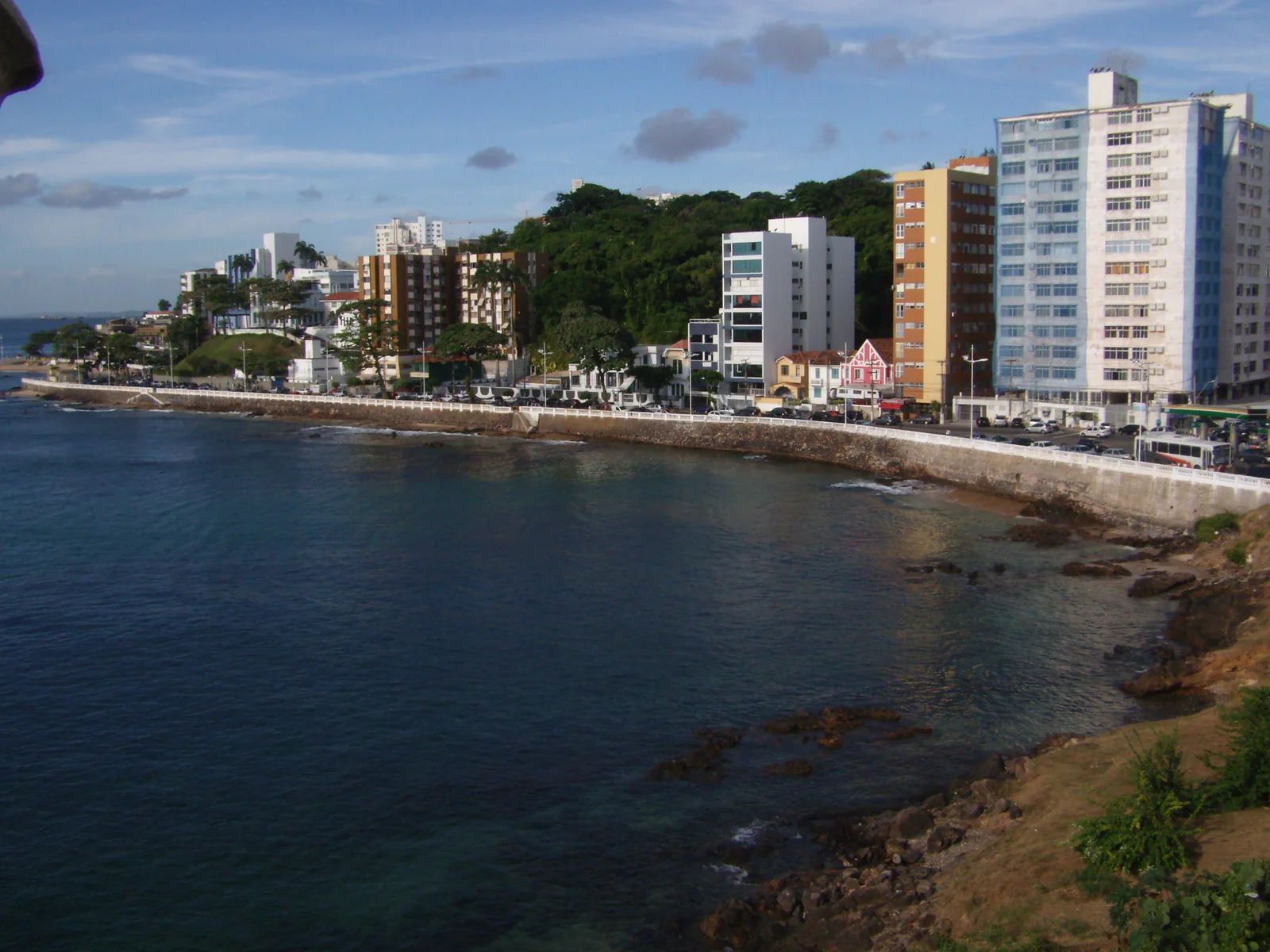
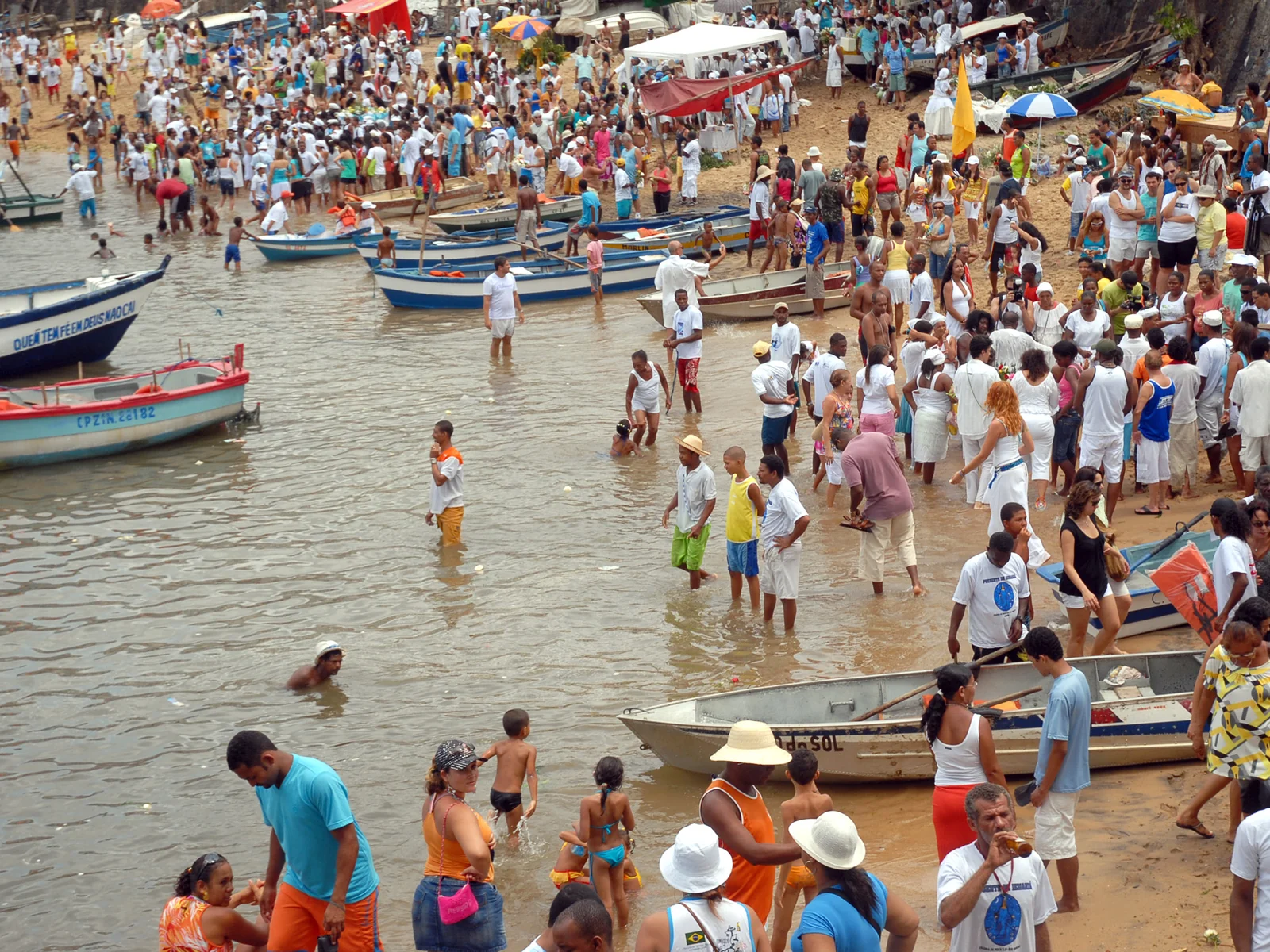
On 2 February the old fishing neighbourhood of Rio Vermelho gives itself over to the Festa de Iemanjá, the honouring of the orixá of the sea in the Yoruba-rooted tradition of Candomblé. From before dawn, people dressed in white and blue queue to leave offerings — flowers, perfume, letters, small mirrors — that are gathered into decorated boats and carried out past the breakers as gifts to the goddess. What starts as a devotional morning turns, by afternoon, into one of the warmest street parties of the year, with music spilling from every bar. It is a moving thing to witness and a natural primer for Carnival, usually only a week or two away. For the deeper story, our guide to Salvador's Afro-Brazilian heritage is a good companion.
Carnival: the biggest of all Salvador festivals
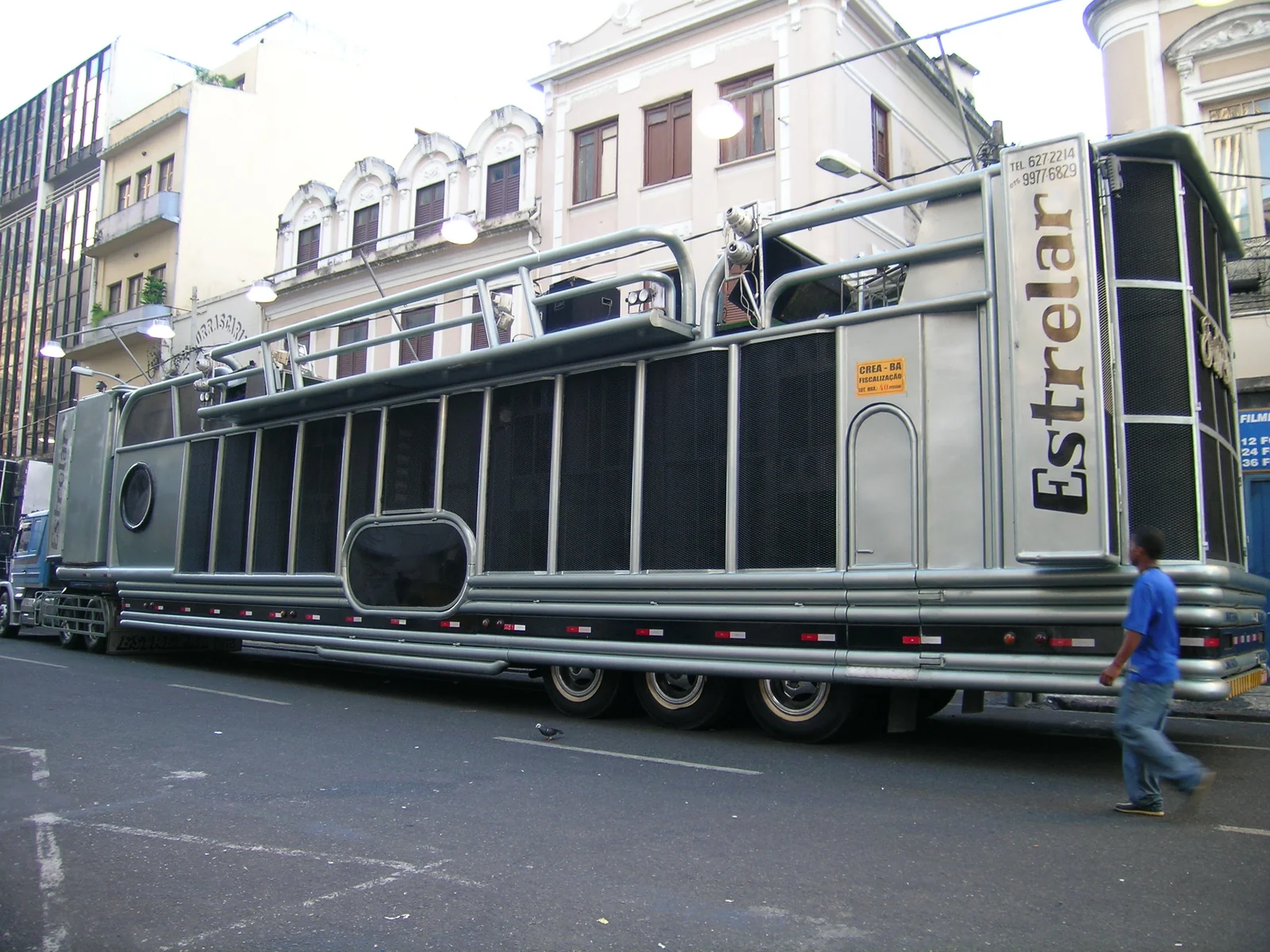
Salvador's Carnival is one of the world's largest street parties, and it feels nothing like the seated stadium parade of Rio. Here the show moves. Trios elétricos — giant sound-system trucks — roll through the crowd trailing a river of dancers, along two main circuits: Barra-Ondina beside the sea and Campo Grande, the Osmar circuit in the upper town, with a third, more traditional stage in the Pelourinho. This is where you meet the afoxés such as Filhos de Gandhy and the blocos afro like Olodum and Ilê Aiyê, whose drumming is the soul of the whole thing. Read up first in our guide to Salvador's music and nightlife, or on the history of Bahian Carnival.
The one thing to grasp before you go is how you take part. The free way is the pipoca — literally "popcorn" — the open crowd that dances in the street around the trios for nothing at all. The paid ways are the abadá, a branded T-shirt that buys you into a roped-off bloco section moving with a particular trio, and the camarote, a private grandstand with a bar and a view. None is better than another: the pipoca is the rawest and cheapest, the camarote the calmest. In 2027 the main days run Thursday 4 to Tuesday 9 February, and the Arrastão closes the party on Ash Wednesday, 10 February. The city now bills it as 13 days of festa: pre-Carnival starts on Friday 29 January with Pipoco, then Furdunço and Fuzuê that weekend, with Iemanjá on 2 February and Habeas Copos on the 3rd.
May: Bembé do Mercado in Santo Amaro
Away from the coast, in the Recôncavo town of Santo Amaro, the Bembé do Mercado fills the streets around 13 May. Held since 1889 to mark the abolition of slavery, it is one of Brazil's great Afro-Brazilian celebrations: days of Candomblé, samba de roda, capoeira and drumming in open public space, ending with offerings to Iemanjá at the waterfront. It sits under two hours inland from Salvador, and it rewards travellers who want to see Bahia's roots honoured where they run deepest, well off the usual tourist track.
June: São João and the Festas Juninas
Ask a Bahian which festival they love most and many will say São João, not Carnival. Through June the Festas Juninas take over the state — forró music and accordion, quadrilha square-dancing, bonfires, and food built around corn — all peaking on the night of 23-24 June, St John's Eve. Salvador holds its own events, but the festival burns brightest in the interior: Cachoeira in the Recôncavo and Amargosa, whose celebration fills the days leading up to 24 June, are two of the most beloved. It falls in the cooler, rainier half of the year, which keeps prices friendlier than summer — a fine time to pair a city stay with a night in the countryside.
July: Dois de Julho, Bahia's own independence
Brazil marks its independence in September, but Bahia keeps a date of its own. Dois de Julho (2 July) commemorates the day in 1823 when Bahian forces finally drove the last Portuguese troops out, and it is the most heartfelt civic festival in the state. A great procession carries the figures of the Caboclo and Cabocla — symbols of the indigenous and mixed fighters who won that war — from Largo da Lapinha through the historic centre to Campo Grande, with fanfare bands, students and neighbourhood groups behind them. It is proud, popular and pointedly Bahian, and a fascinating thing to catch if you are in town in early July.
December: Réveillon and the Festival da Virada
Réveillon, New Year's Eve, sends Salvador to the beach dressed in white for luck. Crowds gather along Barra and the ocean fronts for fireworks over the water, many pausing to float flowers out to Iemanjá as the year turns. The city also stages the Festival Virada Salvador, free concerts that this time run from 30 December 2026 to 3 January 2027. Like Carnival, it is enormous and it books out early, so treat New Year in Salvador as a plan to make months in advance, not weeks.
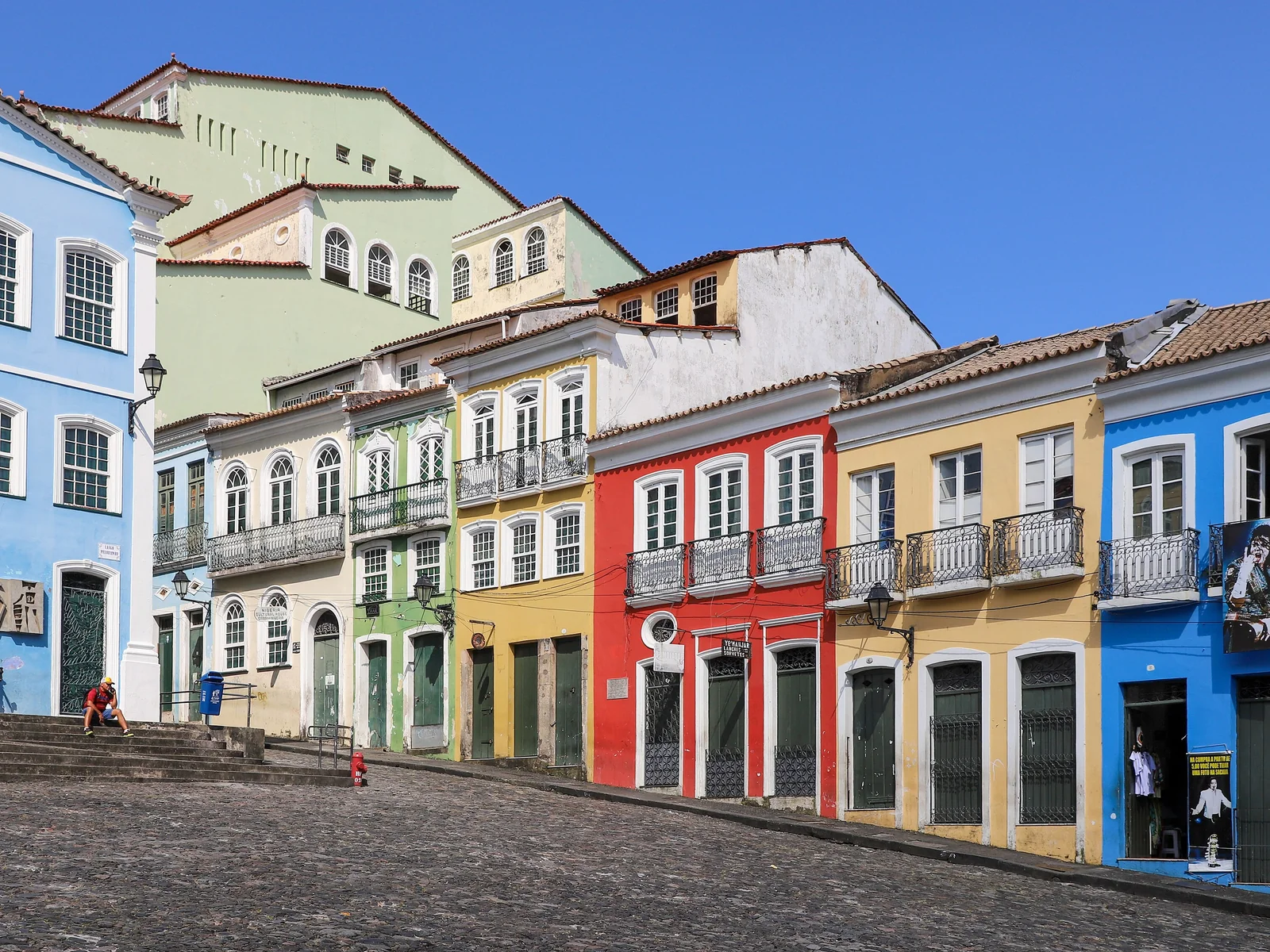
Whatever you come for, staying in the heart of the old town puts much of this within walking reach — the Bonfim ribbons in the lanes, the Pelourinho drums after dark, the Iemanjá and Carnival crowds a short ride down the hill. When your dates line up with the calendar, our suites in the historic Cidade Alta put you where the year actually happens.
Salvador, in images
Photographs of the neighborhood, restaurant, and beach featured in this guide, with credit to each photographer.
Ready to discover Salvador?
Book one of the four Via Avantgarde suites in the Pelourinho — and receive the complete guides with recommendations for your stay.