Rio Vermelho Salvador's bohemian night quarter
Rio Vermelho Salvador nightlife: the largos, acarajé at dusk, the Mercado do Peixe late, the Casa de Iemanjá and Jorge Amado's old house — and when to go.
The essentials in 30 seconds
Rio Vermelho is where Salvador goes out. Rio Vermelho Salvador nightlife runs on plastic tables and street food more than on velvet ropes: a former fishing colony turned bohemian quarter that has become the city's night kitchen. Eat acarajé from a baiana's tray at dusk on the Largo de Santana, drink at the Largo da Mariquita until the tables spill into the street, and finish with seafood at the Mercado do Peixe at an hour when the rest of the city is asleep. This is also home to the Casa de Iemanjá and the 2 February offerings to the sea, and to Jorge Amado's old house. Stay here if your nights matter more than your mornings; otherwise come over any evening from Tuesday to Sunday.
From fishing colony to the city's night kitchen
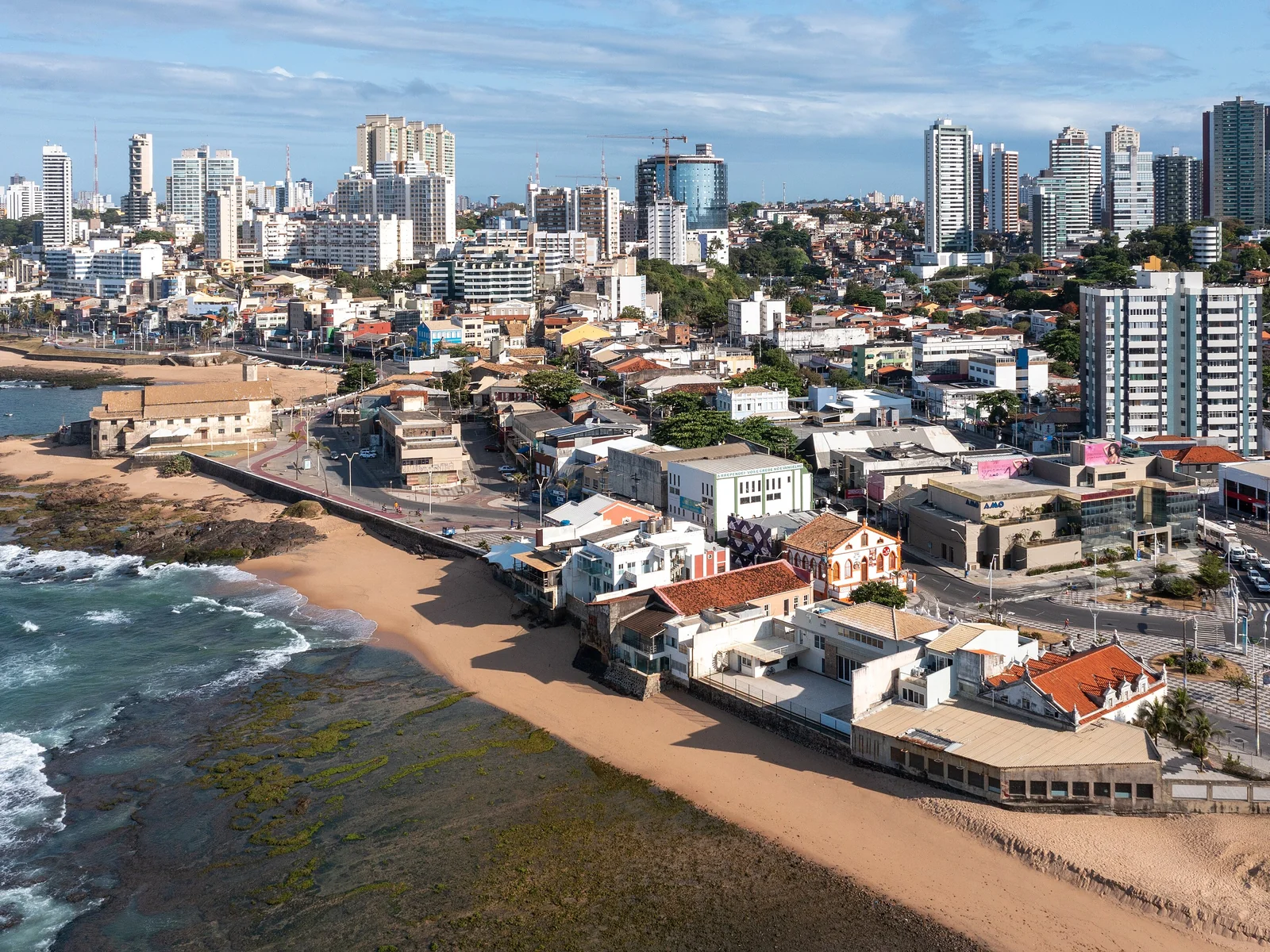
Rio Vermelho started as a fishing village and, in the ways that matter, still is one. A French merchant named Tollenare passed through around 1817 and described it as a settlement of about a hundred huts at the mouth of a small river. The fishermen were here long before that — the colony has worked this stretch of coast since the seventeenth century — and their descendants still launch boats from the same rocky inlet. The name is older still: it comes from the Tupi Camarajipe, the river of the camará — a small red flower that once grew here in drifts, giving the little river, and then the neighbourhood, its colour. The reddish rocks along the shore are sometimes credited instead; the flower is the better-documented story. The bohemian chapter came in the twentieth century, when writers, musicians and artists made the neighbourhood their own, Jorge Amado chief among them. What you get now is a district that is residential and a little frayed by day, then fills up after dark. For where it sits among Salvador's other neighbourhoods, our neighbourhoods guide puts it in context.
The Casa de Iemanjá and the fishermen's colony
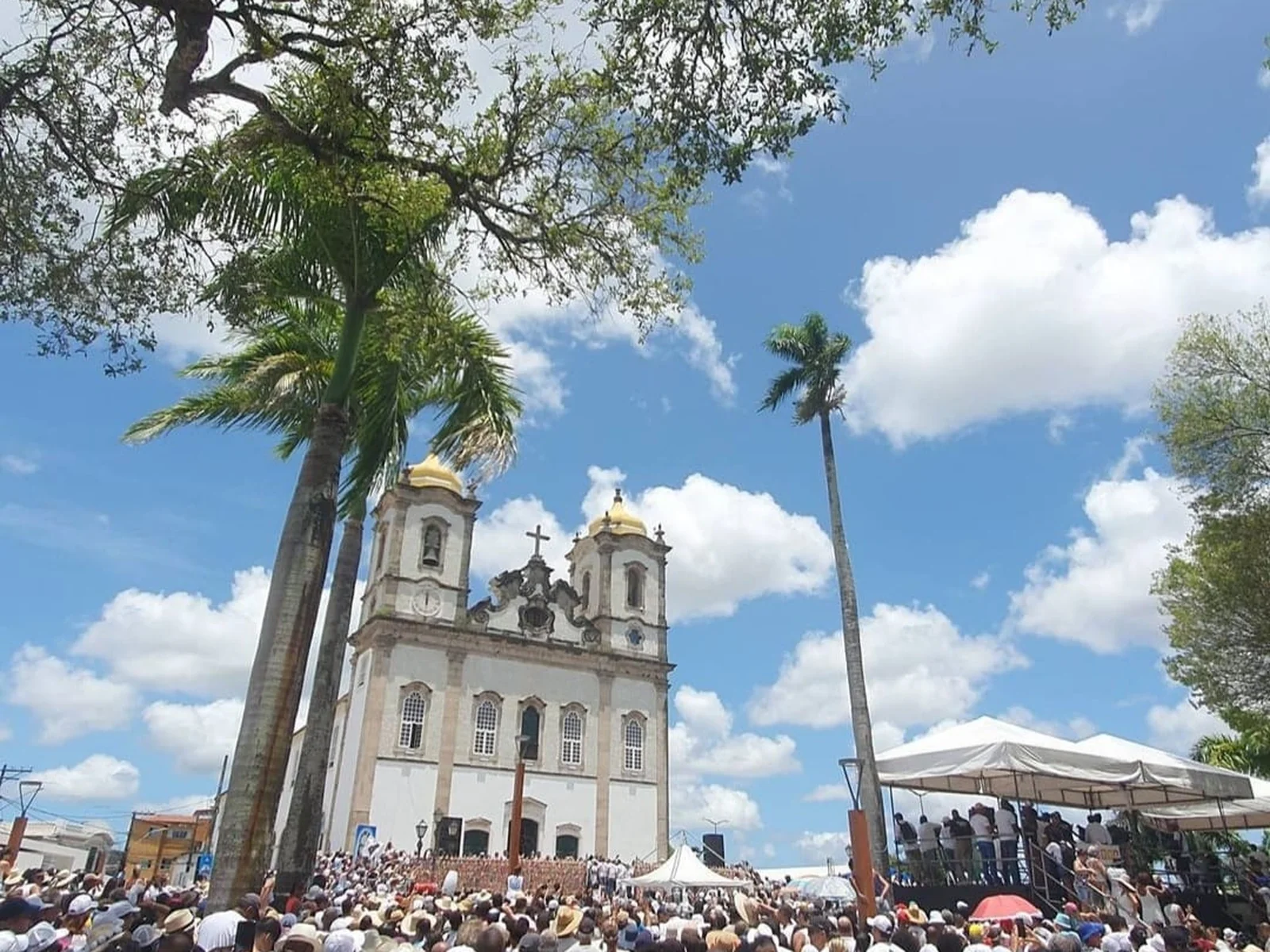
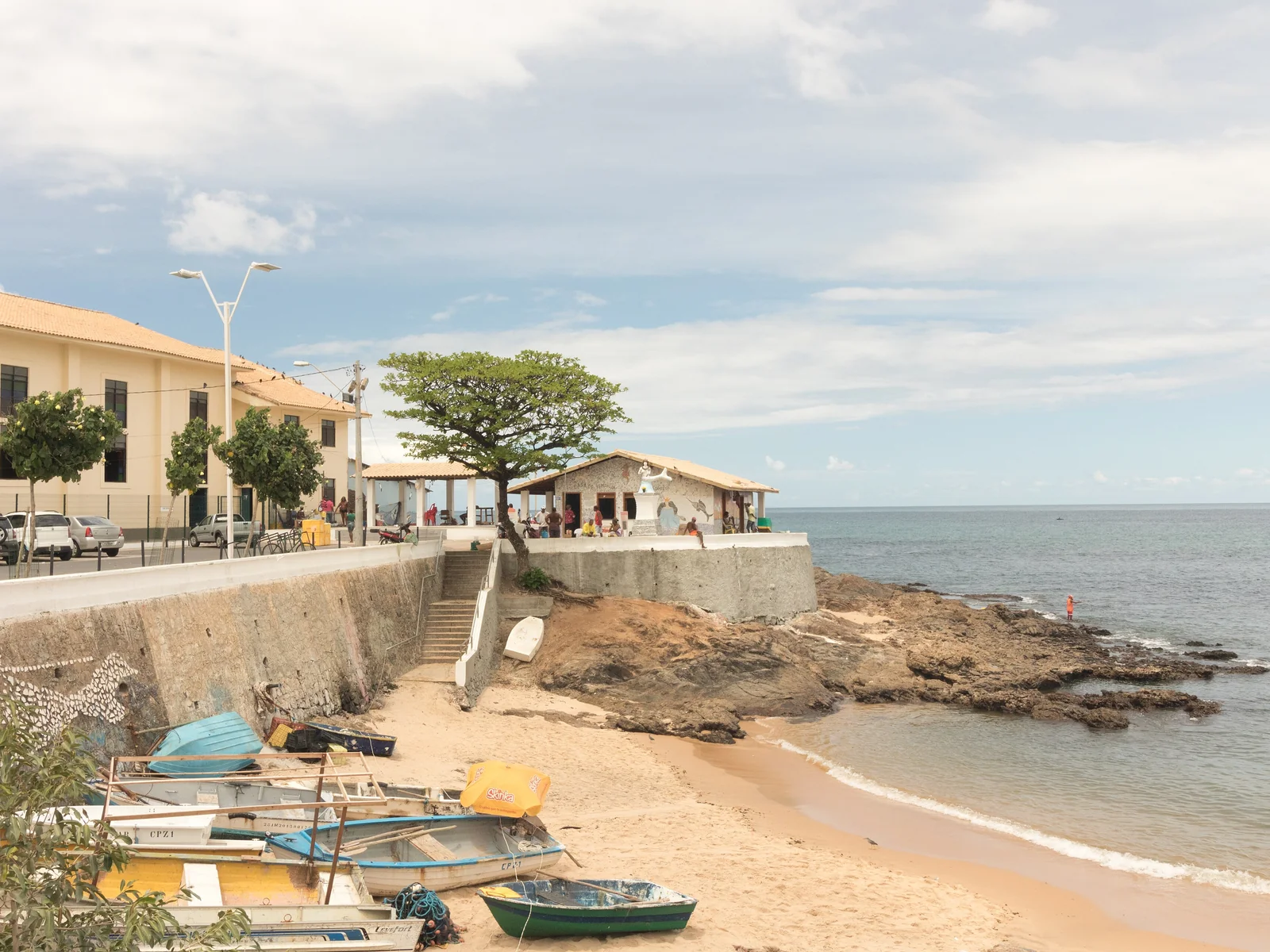
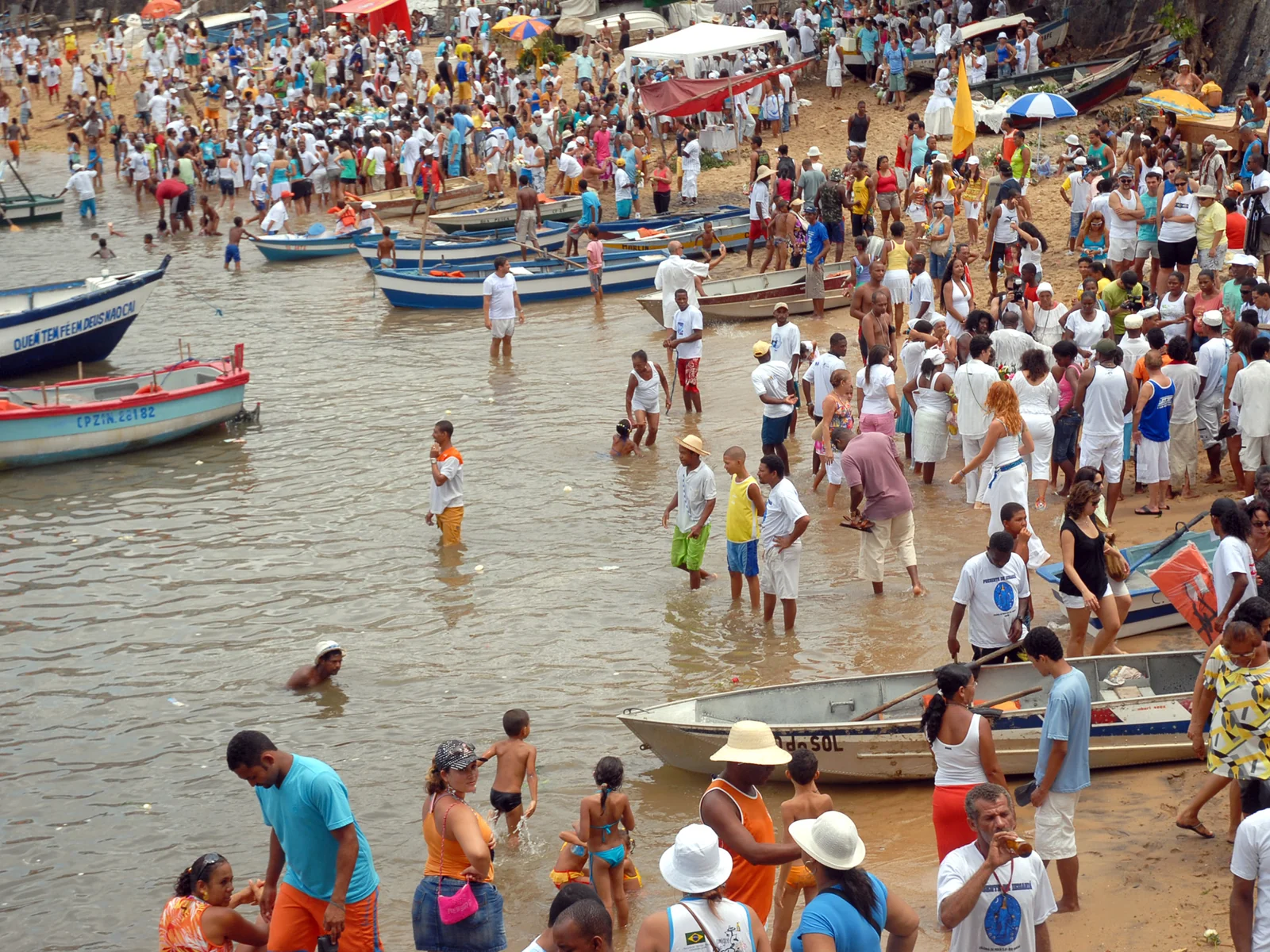
The working colony, Colônia de Pescadores Z-1, sits on the seafront by the Igreja de Sant'Ana, and beside it stands the Casa de Iemanjá — a small house kept for the orixá of the sea. For most of the year it is quiet. On 2 February it becomes the centre of one of the largest popular festivals in Brazil. The colony has made its offering to Iemanjá on this date since 1923. Before dawn, fishermen carry the main balaio of flowers and gifts to the shore; it rests in the caramanchão through the day while thousands queue to add their own flowers, and in the late afternoon the boats carry everything out to sea. Salvador recognised the festival as intangible cultural heritage in 2020. If you are here in early February, our Réveillon and Iemanjá guide explains what happens and how to take part without getting in the way.
Acarajé at dusk, and the baiana "wars"
The daily ritual here is acarajé. In the late afternoon the baianas set up their trays on the largos and a queue forms — a black-eyed-pea fritter fried in dendê, split and filled with vatapá, caruru, dried shrimp and as much chilli as you dare, handed over hot for around R$ 12 (roughly €2). Three names matter, and locals will defend their favourite. On the Largo de Santana — which half the city just calls the Largo da Dinha — the tray founded by Dinha has drawn a crowd for sixty years, with Regina working the same square. A few streets over on the Largo da Mariquita, Cira has led her tray for about fifty years and been voted the city's best more than once. There is real history behind the rivalry. In October 1998 a turf dispute between the baianas boiled over into what the papers called the guerra das baianas — the war of the baianas — and it made national news until the city stepped in with a decree setting out where each could stand. Everyone made up. All three trays are still there, all three are institutions, and the sensible plan is to try more than one.
Rio Vermelho nightlife: the largos after dark
By nine or ten the same squares change character. The largos — Santana and Mariquita above all — fill with plastic tables and cold beer, and on a Friday or Saturday it can feel as though the whole city has come to drink outdoors. There are proper bars behind the tables, but the scene is the street: you buy a beer, you pull up a stool, you stay. It is loud, cheap and completely unpretentious, and it is the clearest picture of Rio Vermelho Salvador nightlife you will get. Weeknights are calmer but rarely dead, and the crawl thins out on Sunday and Monday. For how this fits the wider after-dark map — Pelourinho on a Tuesday, the beach bars, the club nights — see our guide to Salvador at night.
Live music, if you want a stage
Not all of Rio Vermelho happens on the pavement. The neighbourhood has long been Salvador's live-music district, and on the Largo da Mariquita several bars put a band on most nights. For a proper room with a bill, Commons Studio Bar is the best-known live house in the neighbourhood — a mid-sized space built partly from pallets and fruit crates, holding a few hundred people, with a programme that runs from samba and MPB to pop across the week. Line-ups change constantly, so check the venue's current listings rather than trusting a name you read months ago. The Teatro Sesi nearby also stages intimate música-popular-brasileira sets. What is on any given night is exactly what our music, nightlife and Carnival guide keeps current.
Eating late: the Mercado do Peixe
The neighbourhood has the densest restaurant scene in Salvador, from contemporary Bahian kitchens to sushi counters and corner botecos, and it would take a separate page to do it justice — which is what our Salvador restaurant guide is for. What Rio Vermelho does that nowhere else in the city quite manages is late. The Mercado do Peixe, on the water, is a cluster of small stalls where at least one kitchen is frying fish and pouring beer at almost any hour of the night. This is where cooks, clubbers and cab drivers end up in the madrugada, the small hours, over a plate of shrimp or a mariscada. It is rough around the edges and not much to look at. It is also the best late meal in the city, by acclamation of the people who work nights.
Jorge Amado's Casa do Rio Vermelho
For an hour that has nothing to do with drinking, walk to the Casa do Rio Vermelho at Rua Alagoinhas 33 — the house where the novelist Jorge Amado lived with the writer Zélia Gattai, now a memorial to both. The garden holds their ashes, and the rooms are given over to their books, photographs and film. It opens Tuesday to Sunday from 9am to 5pm, with last entry at 4pm; admission is R$ 20 (about US$4), half on production of the right document, and free on Wednesdays. You can confirm the day's hours on the city culture secretariat's page. Amado set much of his Bahia here; the house is the quiet counterweight to the largos two streets away.
Should you stay in Rio Vermelho? And a word on safety
Here is the honest positioning. If nights out are the point of your trip, staying in Rio Vermelho itself lets you walk home from the tables. For most visitors, though, the daytime pull of Salvador is the historic Cidade Alta — the churches, the Pelourinho, the views — and Rio Vermelho is a short taxi away, about fifteen minutes from the centre outside rush hour. Base yourself up top and come over in the evening, any night from Tuesday to Sunday, and you get the best of both. Our guide to where to stay in Salvador weighs the neighbourhoods against each other.
On safety: the busy largos on a weekend evening are about as easy as Salvador gets, full of families and police. Keep the usual city sense — phone away, only what you need in your pocket — and you will be fine. The one place to avoid is the dark seafront and the rocks late at night, away from the lights and the crowd. Stay where the people are.
That last point is really the case for our own corner of the city. Our suites are up in the Cidade Alta, a few minutes from the Elevador Lacerda, so your days are spent in the historic centre on foot and your Rio Vermelho nights end with a quick taxi back to a quiet street rather than a long haul across town. Have a look at the suites when you are ready to plan the trip.
Salvador, in images
Photographs of the neighborhood, restaurant, and beach featured in this guide, with credit to each photographer.
Ready to discover Salvador?
Book one of the four Via Avantgarde suites in the Pelourinho — and receive the complete guides with recommendations for your stay.