Chapada Diamantina The interior, from Salvador
How to visit Chapada Diamantina from Salvador: buses, flights and the drive to Lençóis, the waterfalls, caves and treks, and how many days to plan.
The essentials in 30 seconds
A trip to Chapada Diamantina from Salvador is Bahia's great inland escape — a highland of flat-topped mountains, blue-water caves, and one of Brazil's tallest waterfalls. This is not a day trip. The gateway town of Lençóis sits about 400 km inland, roughly six hours by road, so plan on at least three or four nights away from the coast. You get there by overnight bus, by a short flight that runs a couple of days a week, or by car, then hike with a local guide to Morro do Pai Inácio, Cachoeira da Fumaça, and the Vale do Pati. When it is over, the Cidade Alta makes a gentle place to land.
Chapada Diamantina from Salvador: what you are signing up for
Reaching Chapada Diamantina from Salvador means trading the Atlantic for the sertão — the dry interior — and a rhythm of long walks, cold rivers, and early starts. The Parque Nacional da Chapada Diamantina, created in 1985, protects some 152,000 hectares of tablelands, canyons, and waterfalls in the heart of Bahia. The old diamond-mining town of Lençóis is the usual base and the place nearly every trip begins.
The single most important thing to understand is that this is an overnight, multi-day journey, not an afternoon excursion. Distances inside the park are large, the best sights are spread across a region the size of a small country, and the road in from the coast is long. Treat it as its own trip within your Bahia holiday — a proper block of days, not a bolt-on.
How to get to Chapada Diamantina from Salvador
There are three honest ways to cover the roughly 400 km between the coast and Lençóis, and the right one depends on your budget and how much of a day you are willing to give up.
- By bus — the classic route. Real Expresso (and its sister line Guanabara) runs coaches from Salvador's rodoviária to the Lençóis bus station, taking about six to seven hours. There are usually a few departures a day, including an overnight service that saves you a night's lodging; seats are comfortable semi-sleepers. Book ahead in high season.
- By air — the fast option, when it runs. Azul flies a small turboprop between Salvador and Lençóis (airport code LEC, Coronel Horácio de Mattos) in a little over an hour, but only a couple of days a week and on a schedule that shifts with the season. Check the current days and fares before you count on it.
- By car — freedom, at the cost of a long drive. It is roughly a six-hour trip on the BR-324, BR-116, and BR-242 highways. A car helps for reaching scattered sights, but many of the best trails still need a local guide, so weigh it against a guided package.
The highlights: waterfalls, caves, and viewpoints
Chapada Diamantina is not a single sight but a scattering of them, and part of the planning is deciding which you can reasonably reach in the days you have. These are the names worth knowing:
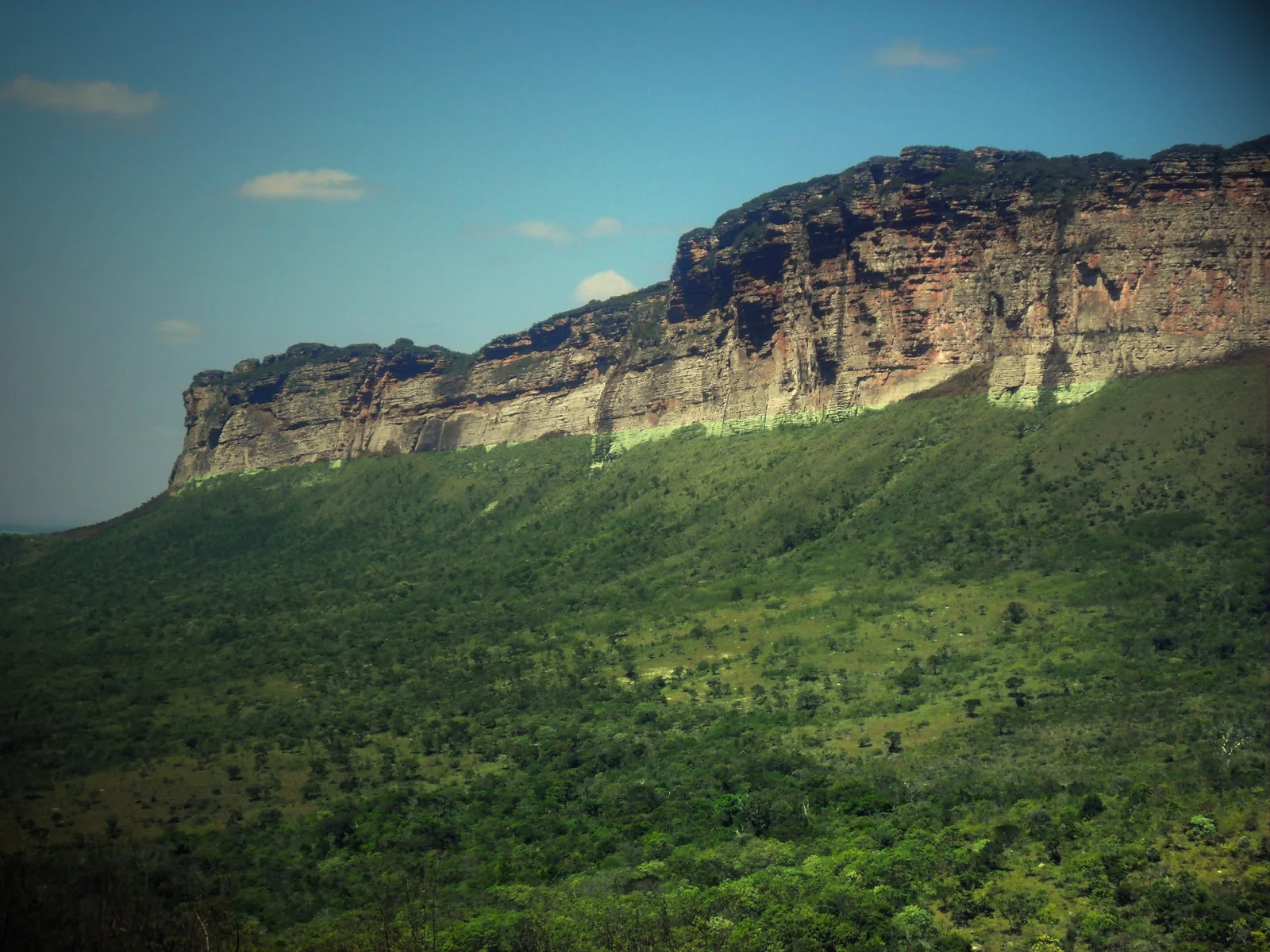
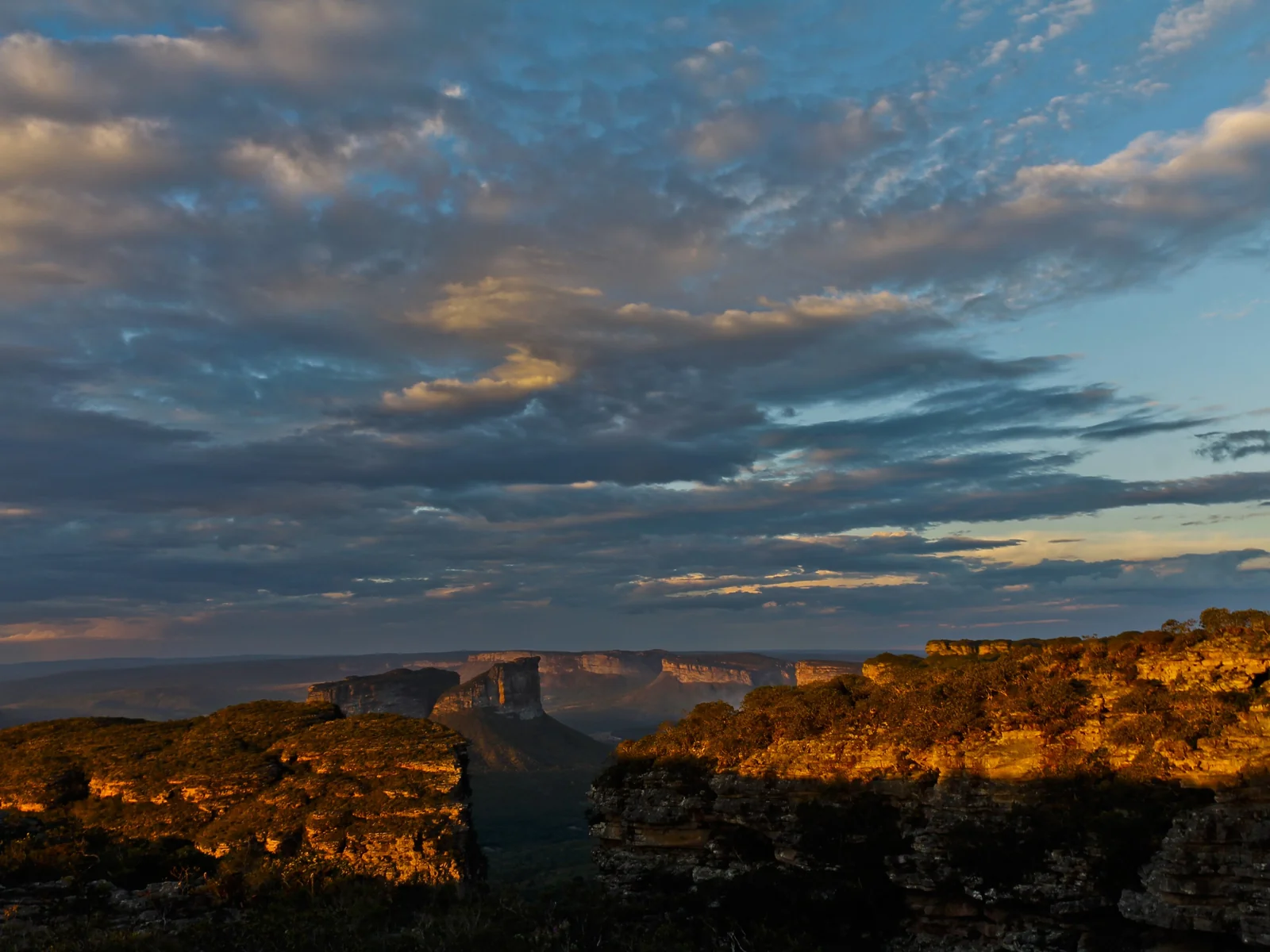
- Morro do Pai Inácio — the region's signature viewpoint, a flat-topped mountain with a short climb and a wide sunset over the tablelands. The easiest big-ticket sight, often paired with nearby caves.
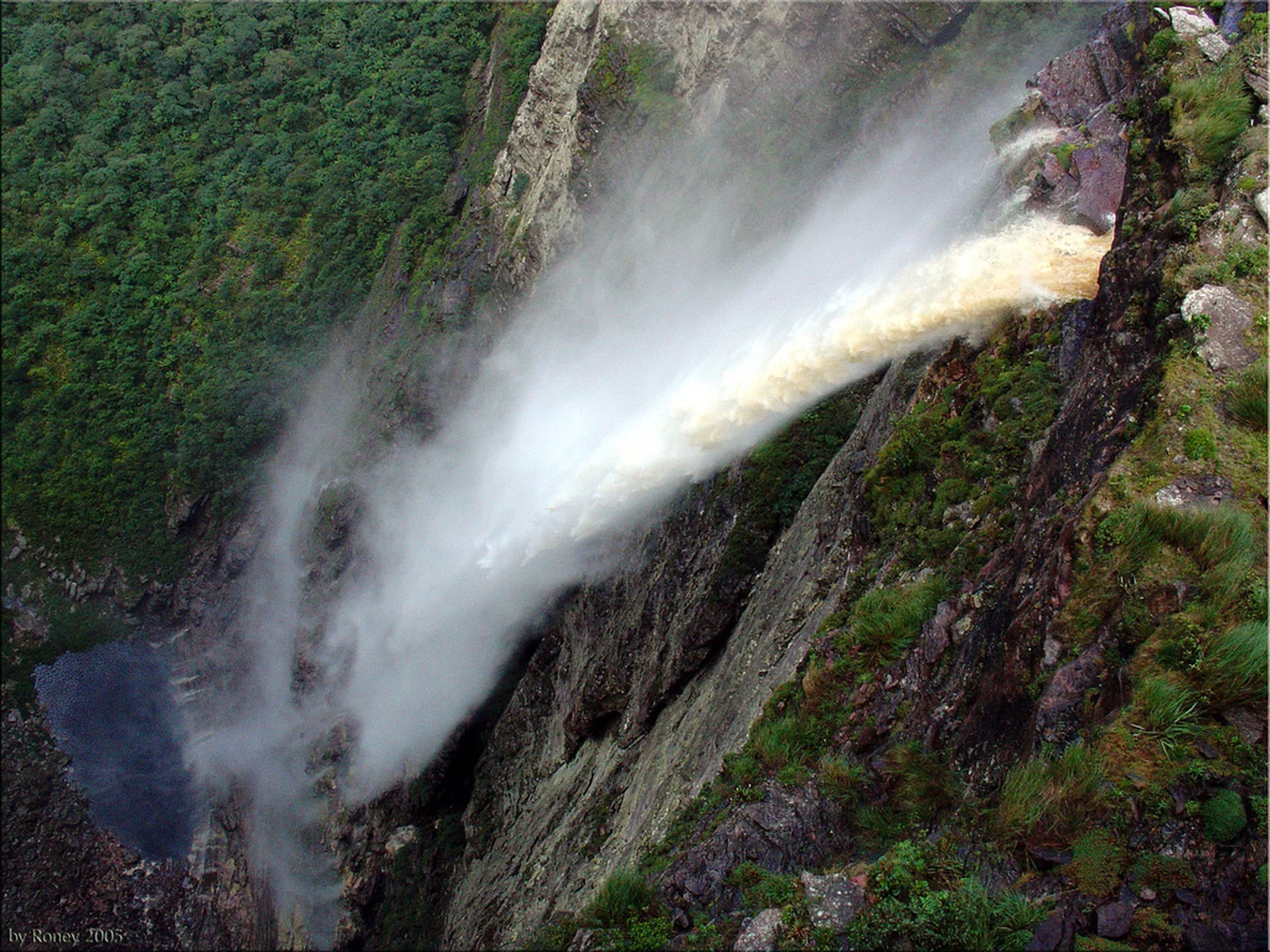
- Cachoeira da Fumaça — the "smoke waterfall," a ribbon of water about 340 metres tall that drifts into mist before it lands, long counted among Brazil's highest. The view from the top is a half-day hike; the harder trek to the base takes two days.
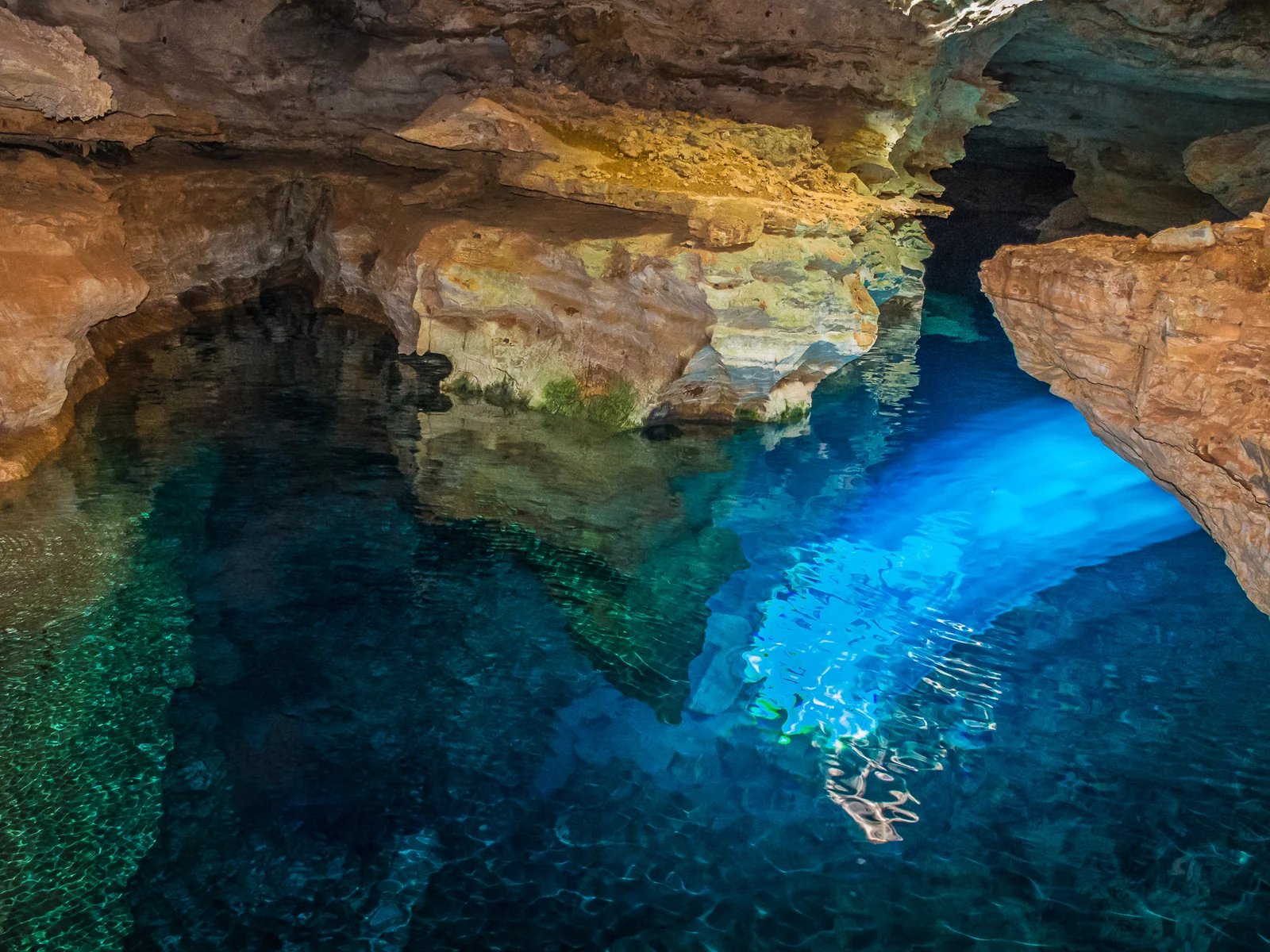
- Poço Azul and Poço Encantado — two flooded caves of astonishing blue water. On sunny days in the drier months, a shaft of light drops through an opening around midday and lights the pool from within.
- Gruta da Lapa Doce — a vast dry cave you walk through with a guide, all stalactites and cathedral spaces.
- Mucugezinho and the Poço do Diabo — a river gorge with a swimmable waterfall pool, an easy and popular half-day.
- Marimbus — a wetland sometimes called the "Bahian Pantanal," explored slowly by canoe.
- Ribeirão do Meio — a natural rock slide into a pool just outside Lençóis, the town's favourite easy afternoon.
Vale do Pati: the great multi-day trek
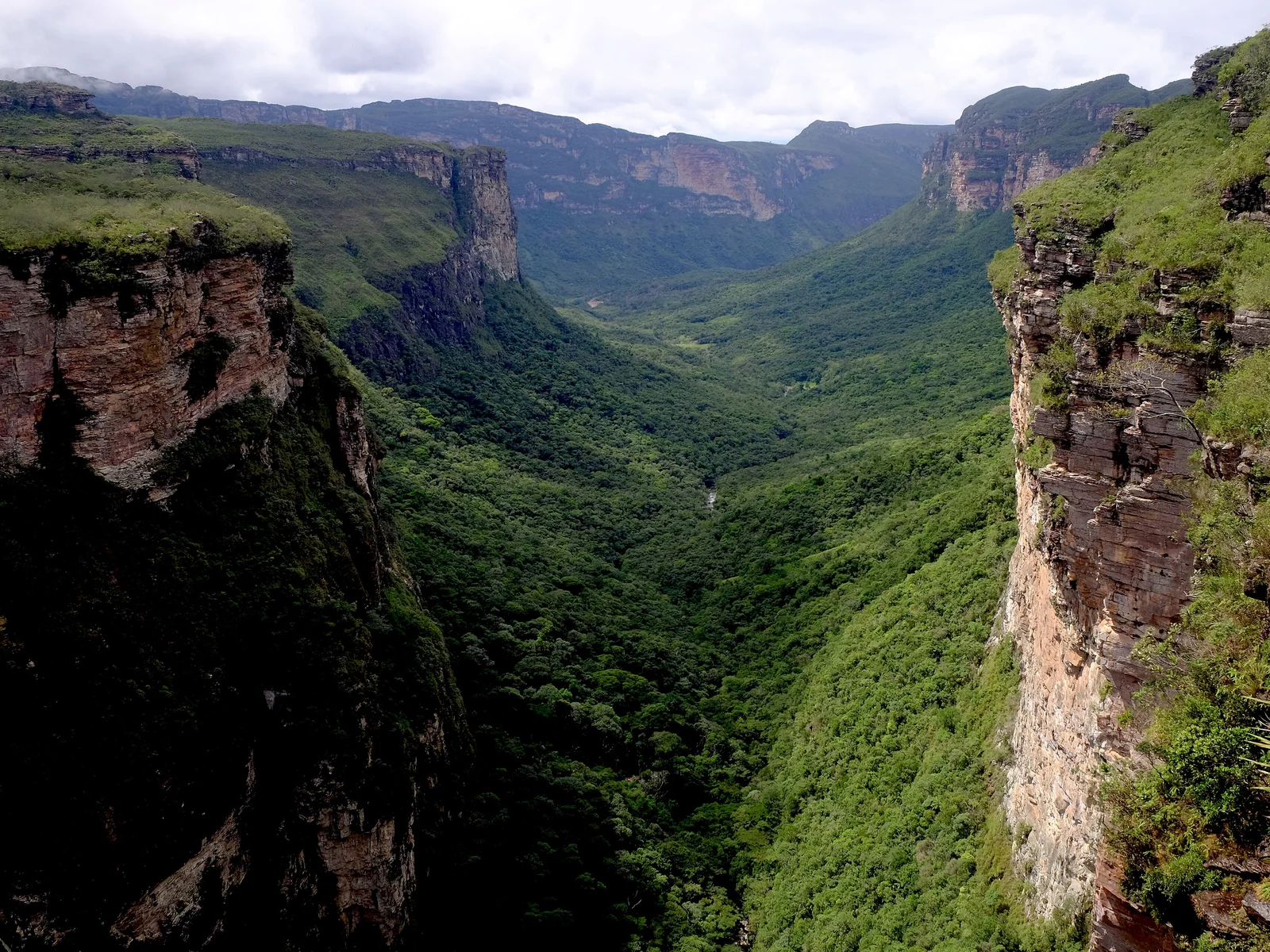
If you are a walker, the Vale do Pati is the reason to come. Widely called one of the finest treks in Brazil, it threads a deep valley of small farms and waterfalls where local families still host hikers in their homes. It is not a day walk: the classic loop runs three to four days on foot, sleeping in simple guesthouses along the way, with a guide who knows the paths and the households. Give it the time it deserves, or save it for a return trip.
How many days do you need?
The honest answer depends on whether you want the highlights or the full immersion. A rough guide:
- Three to four days — the sensible minimum. Enough for Morro do Pai Inácio, a cave or two, one blue pool, and the view over Cachoeira da Fumaça, at a fair pace.
- Five to six days — comfortable. The above without rushing, plus both flooded caves, a canoe on the Marimbus, and a spare day for weather.
- A week or more — for the Vale do Pati. Budget three to four days for the trek itself, and a day either side to arrive, rest, and travel home.
When to go, and what to pack
The dry season, roughly May to September, is the easiest time to walk: firm trails, clear skies, and cooler nights. The rains, heaviest from November to March, fill the waterfalls to their most dramatic but can swell rivers and close some routes after a downpour. The blue caves are at their luminous best on sunny days, usually reckoned from around April to September, when the midday sun reaches the water — ask locally when you book, as the window shifts.
Whatever the month, pack for real hiking: broken-in walking shoes or boots, a light rain layer, a swimsuit and quick-dry clothes for the pools, sun protection, insect repellent, and a refillable water bottle. Nights in the highlands run cooler than the coast, so bring one warm layer even in summer. Our practical guide to Salvador covers money, SIM cards, and the rest of the everyday logistics.
However you plan it, Chapada Diamantina rewards the traveller who gives it real days rather than a rushed dash — quite unlike the coastal day trips you can do in an afternoon. The neat move is to bookend it with the city: a night or two in the historic Cidade Alta to arrive and gather yourself, the mountains in the middle, and a soft landing back among the old streets before you fly home. When you are ready to set your dates, reserve your stay and make our suites in the Cidade Alta your base before and after the interior.
Salvador, in images
Photographs of the neighborhood, restaurant, and beach featured in this guide, with credit to each photographer.
Ready to discover Salvador?
Book one of the four Via Avantgarde suites in the Pelourinho — and receive the complete guides with recommendations for your stay.