Bahian Food what to eat in Salvador
Bahian food explained for travelers: acarajé, moqueca, vatapá and more. What each Salvador dish is, how to order it, and how to ask for less chili.
The essentials in 30 seconds
If you're wondering what to eat in Salvador, the short answer is Bahian food — one of Brazil's great regional cuisines, born from West African, Indigenous and Portuguese cooking and built on dendê (palm oil), coconut milk, malagueta chili and seafood. Start with acarajé, the black-eyed-pea fritter sold hot from the stands of the white-clad baianas, then work through a moqueca seafood stew, a creamy vatapá and a bobó de camarão, and finish with a cocada or a cold beer. It's rich, generous and unlike anything else in the country. Below is what each dish actually is, how to order it, and how to ask for less chili or less palm oil if you'd like.
What is Bahian food, and where does it come from?
Bahian food is the cooking of the coast around Salvador, and it tastes the way it does because of history. When enslaved West Africans were brought to Bahia, they carried techniques and ingredients — palm oil, black-eyed peas, okra, dried shrimp, hot chili — that fused with Indigenous staples like cassava and native fish and with the Portuguese love of eggs, sugar and salt cod. The result is a cuisine you genuinely can't get in full anywhere else in Brazil. Four ingredients define it: dendê, a vivid orange palm oil with an unmistakable aroma; coconut milk, which softens and enriches; the small, fiery malagueta chili, usually served on the side; and dried shrimp, which lends a deep savoury backbone. You can read more on the cuisine of Bahia before you come, but the best introduction is simply eating it.
Acarajé — the icon of Bahian street food
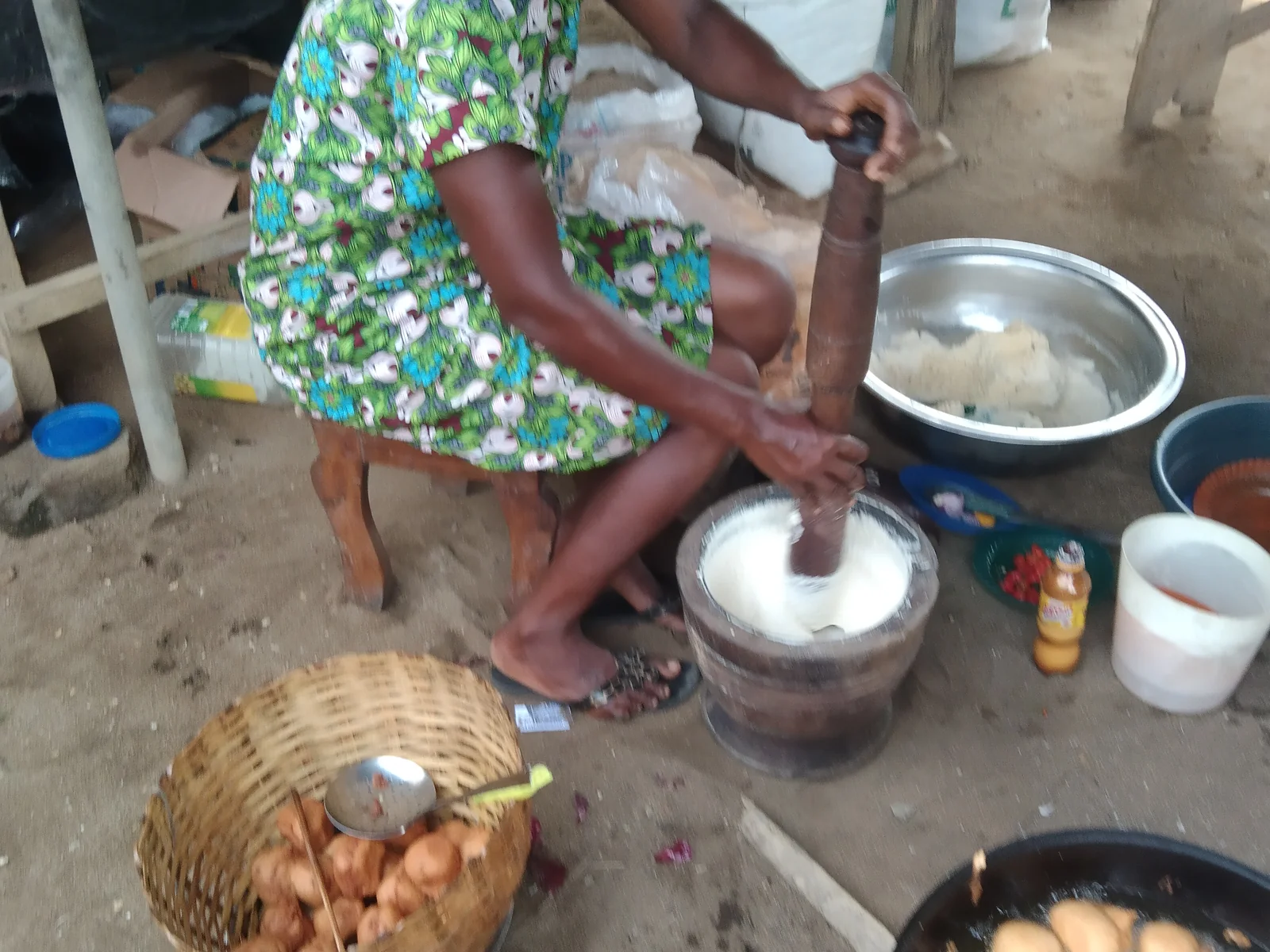
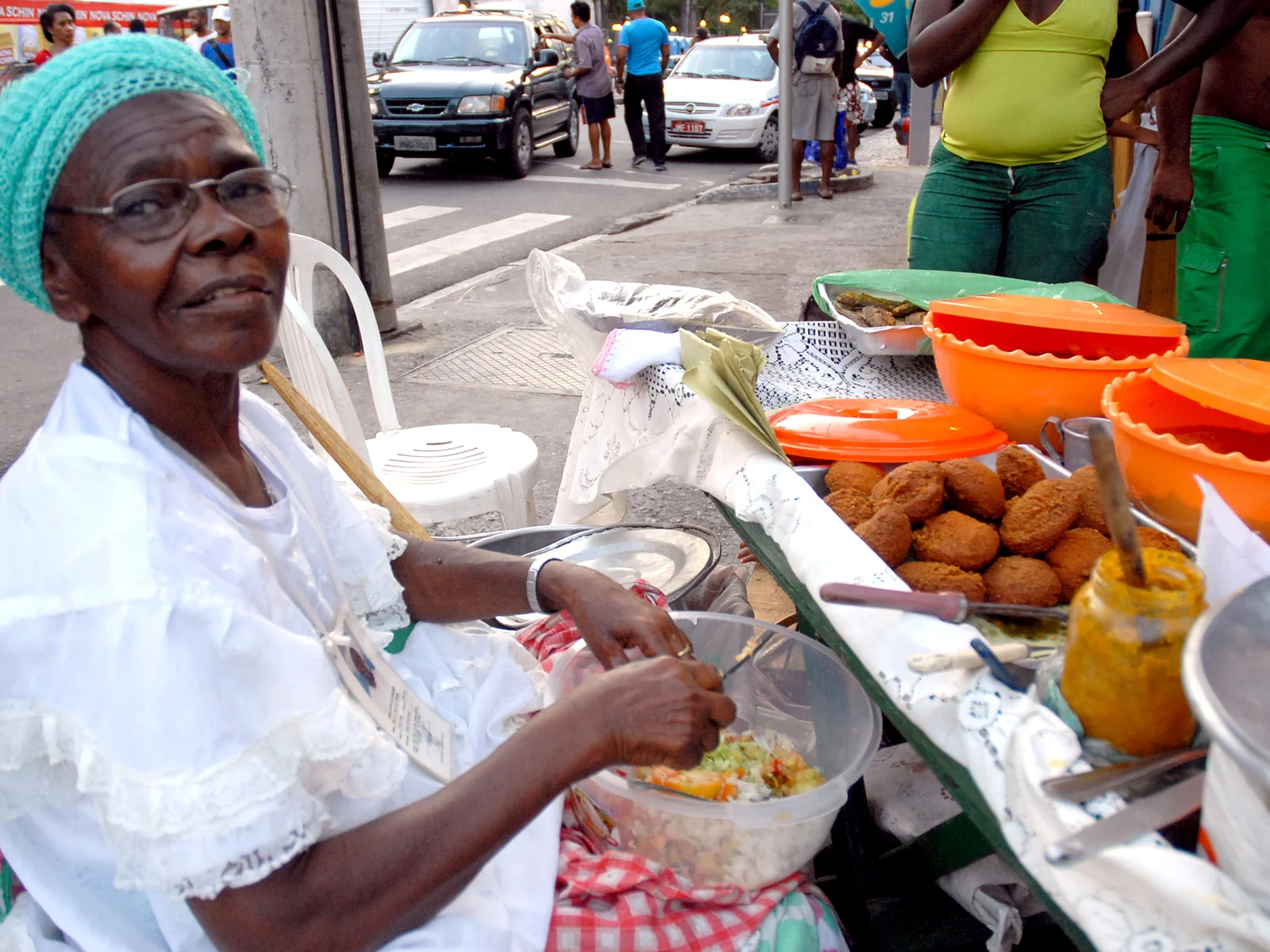
Acarajé is the dish every visitor should try first. It's a fritter of ground black-eyed peas seasoned with onion and salt, shaped by hand and deep-fried in bubbling dendê until crisp outside and soft within. The baiana then splits it open and fills it: vatapá (a creamy paste of bread, shrimp, coconut milk, peanuts and palm oil), caruru (an okra-and-dried-shrimp stew), whole dried shrimp, a little tomato salad and, if you say yes, a spoon of fiery chili. You eat it standing at the stand, in the street, hot in a napkin. The women who make it — the baianas de acarajé, in their white cotton dresses and headscarves — are a Salvador institution, and their craft is registered as a Brazilian intangible cultural heritage by IPHAN. Prefer it not fried? Ask for abará, the same batter steamed in a banana leaf rather than deep-fried. See our Salvador dining guide for where to find the most trusted stands.
Moqueca and the great Bahian stews
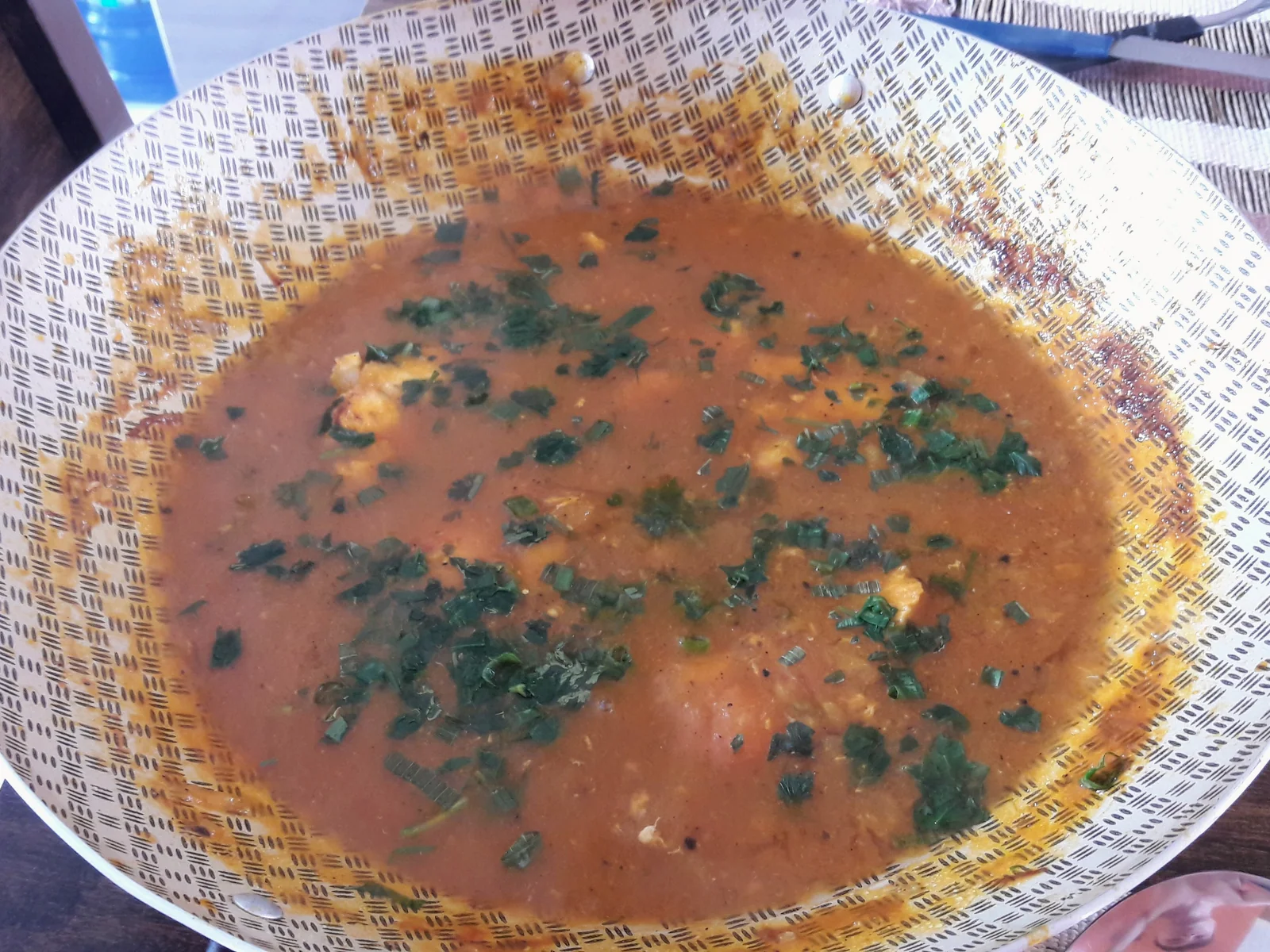
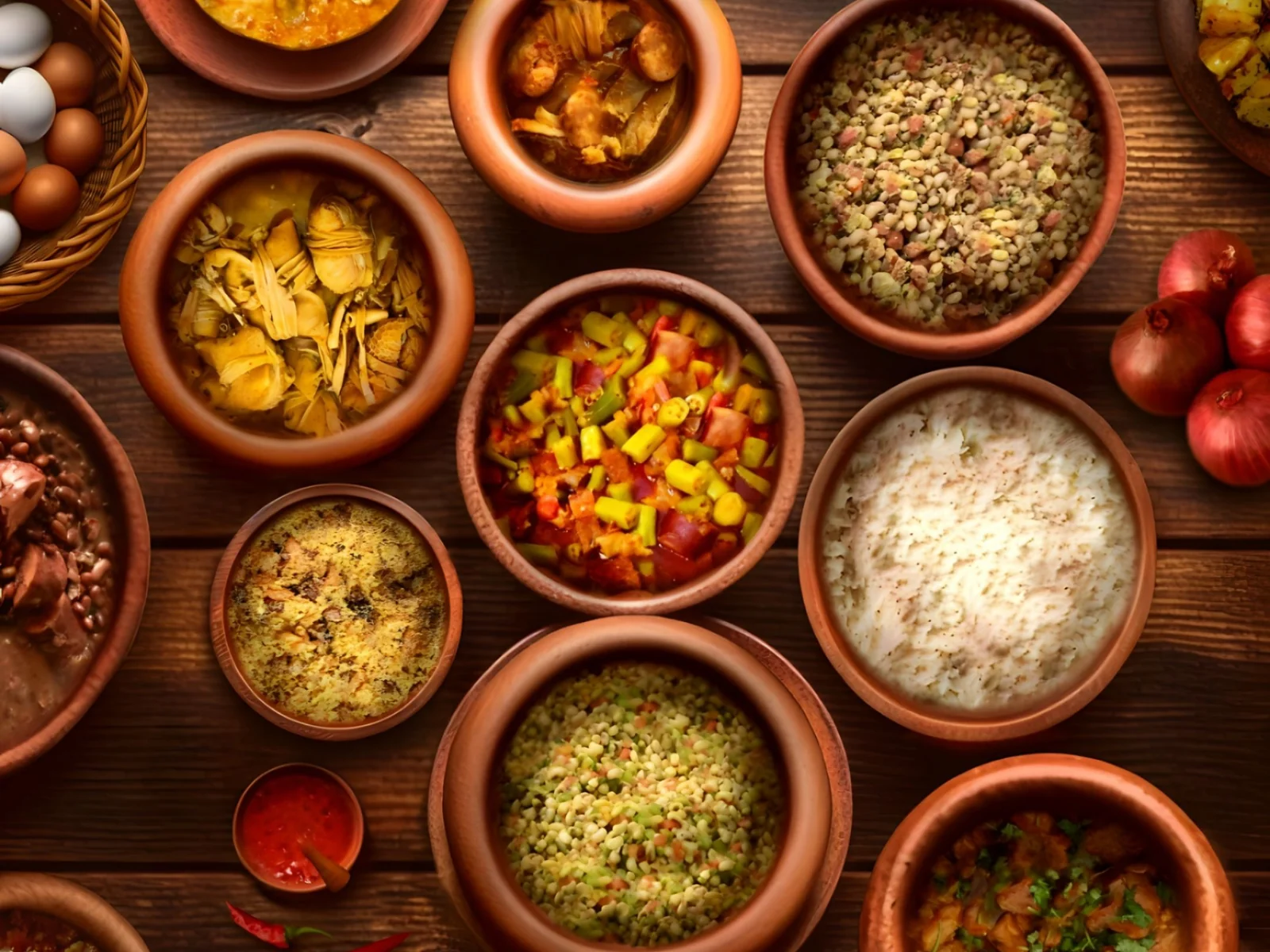
If acarajé is the street star, moqueca baiana is the sit-down showpiece: a slow-simmered seafood stew of fish or shrimp cooked with dendê, coconut milk, tomato, onion, bell pepper and coriander, served bubbling in a clay pot with rice, pirão and farofa. It's fragrant, golden and meant for sharing. Note that Bahia's version is the rich one — the moqueca of neighbouring Espírito Santo (moqueca capixaba) uses annatto oil instead of dendê and coconut, and comes out much lighter. Read more on the two styles of moqueca if you're curious. Around the moqueca sits a whole family of stews worth working through:
- Vatapá — the creamy bread-and-shrimp purée that also fills acarajé, eaten on its own with rice.
- Caruru — okra cooked down with dried shrimp, peanuts and dendê; silky rather than slimy.
- Bobó de camarão — shrimp in a smooth sauce of puréed cassava, coconut milk and dendê.
- Xinxim de galinha — chicken braised with dried shrimp, peanuts, cashews and palm oil.
- Casquinha de siri — seasoned crabmeat baked and served in the shell, a perfect starter.
- Ensopado — a lighter fish or seafood stew, often made without dendê if you ask.
Sweets, snacks and what to drink
Save room. Bahia's sweets lean, unsurprisingly, on coconut and sugar. A few to look for on the baiana's tray and in cafés:
- Cocada — chewy coconut candy, white or dark with burnt sugar, sold in squares on the street.
- Quindim — a glossy, bright-yellow baked custard of egg yolk, sugar and coconut, a Portuguese-convent sweet gone tropical.
- Mungunzá (called canjica here) — sweet white corn simmered with coconut milk, cinnamon and clove.
- Bolinho de estudante — the "student's fritter", a fried tapioca-and-coconut sweet dusted with cinnamon sugar.
To drink, little beats água de coco — chilled coconut water straight from the shell — on a hot afternoon. In the evening, the national caipirinha (cachaça, lime, sugar and ice) does the job, an ice-cold beer is the local reflex with seafood, and you'll spot homemade fruit licores for a sweeter nightcap. If you're pairing dinner with music, our nightlife guide points you to the right neighbourhoods.
How spicy is it, and how to order like a local
Here's the reassuring part: Bahian food is rich, but it isn't automatically fiery. The heat lives in the malagueta chili, which is almost always served separately so you control it. When a baiana asks "com pimenta?" — "with chili?" — you can smile and say sem pimenta (no chili) or pouca pimenta (a little). If a dish is heavy with palm oil and you'd like it gentler, ask for sem dendê. Vegetarians do fine here too: abará, vatapá made without shrimp, plain beans, rice and cassava are all easy to find, though it's worth checking, since dried shrimp hides in many recipes. A few words go a long way — our Portuguese phrases guide has the exact ones to use at a stand.
The real joy of Bahian food is that it's everywhere and unhurried — a fritter on a corner, a clay pot of moqueca by the water, a square of cocada as you walk. Base yourself in the Cidade Alta and it's all within a short stroll, and because each of our boutique suites has its own kitchen, you can carry home a bag of dried shrimp, a bottle of dendê and fresh fish from the market and try a moqueca of your own.
Salvador, in images
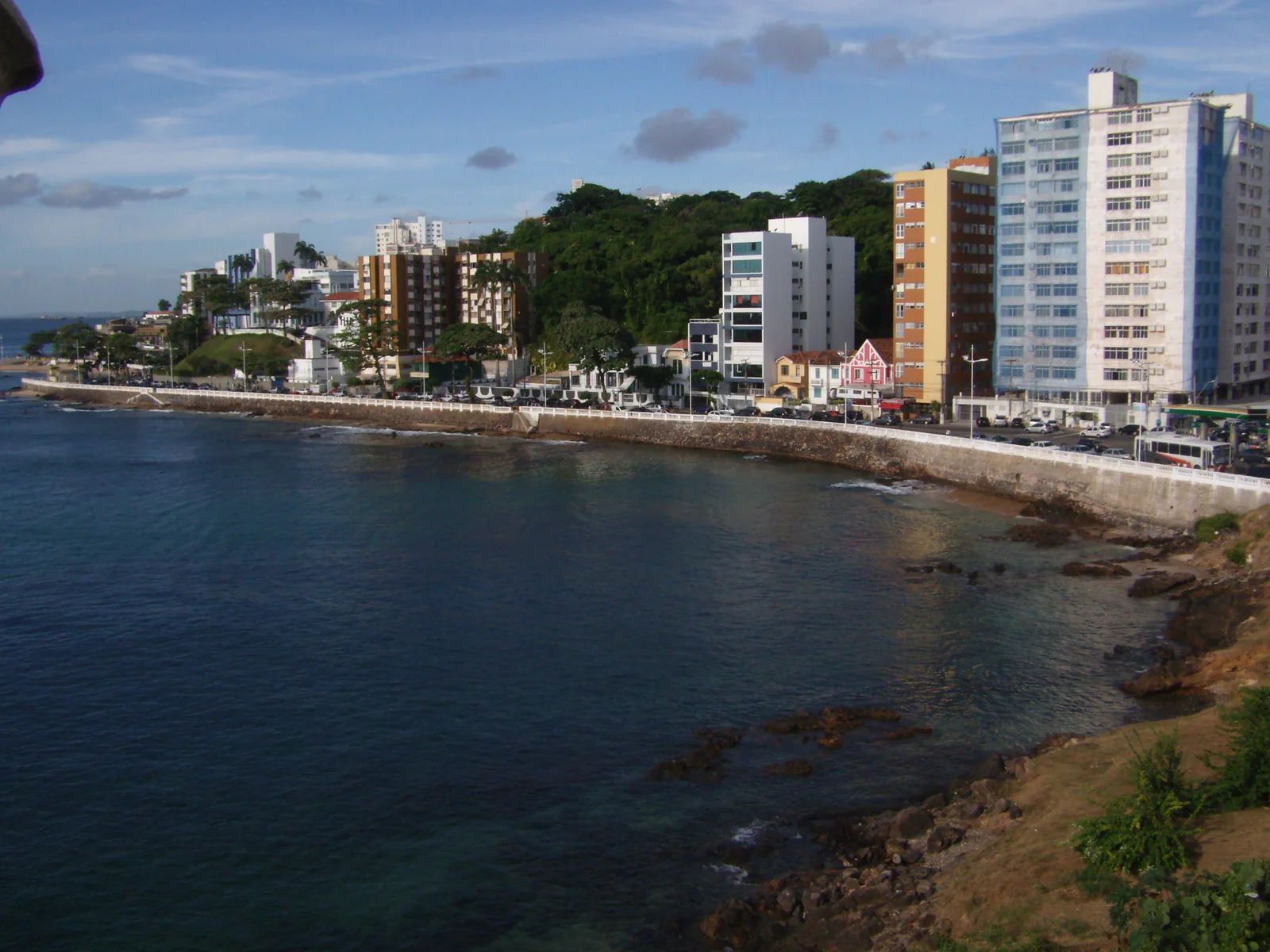
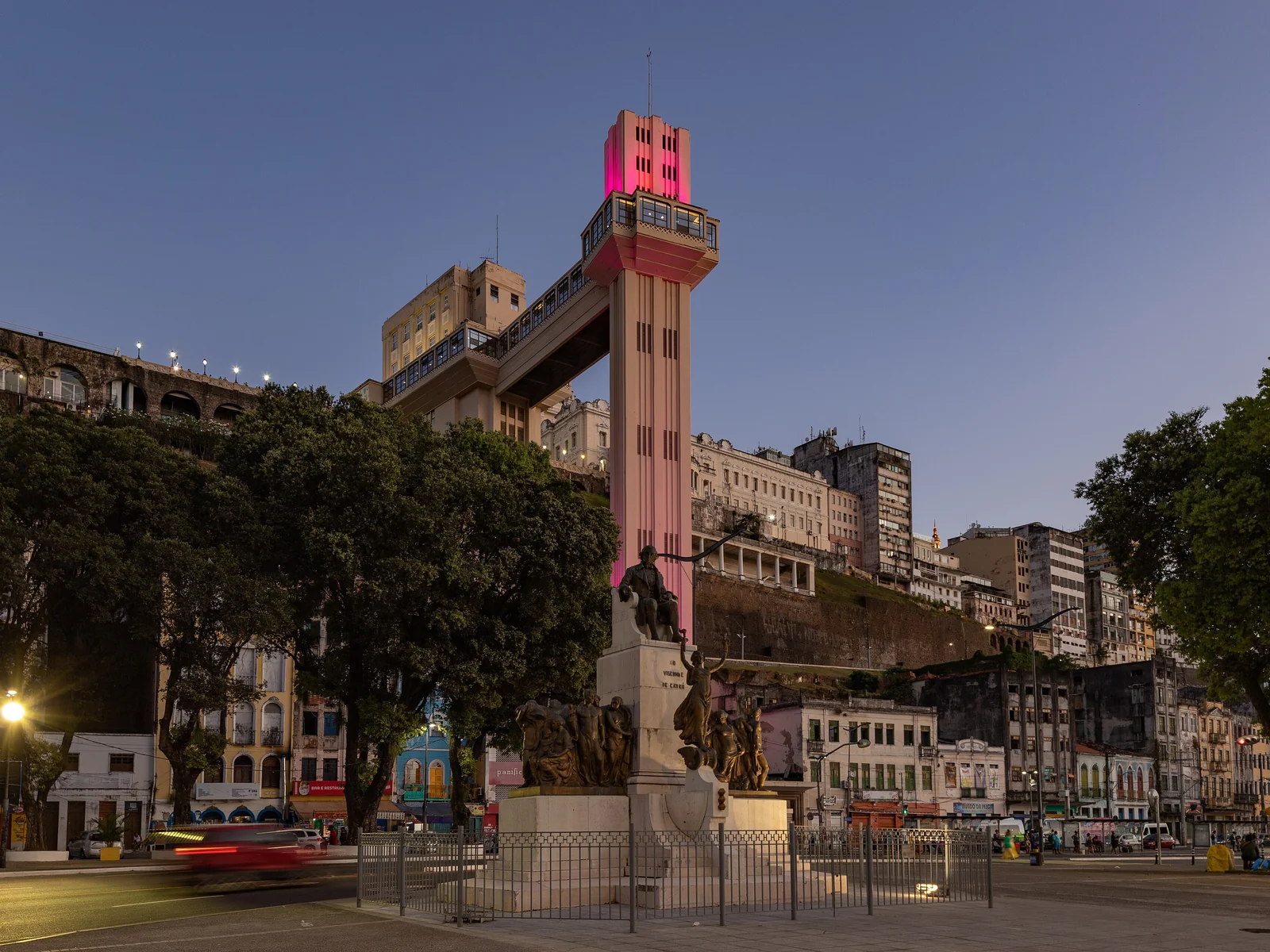
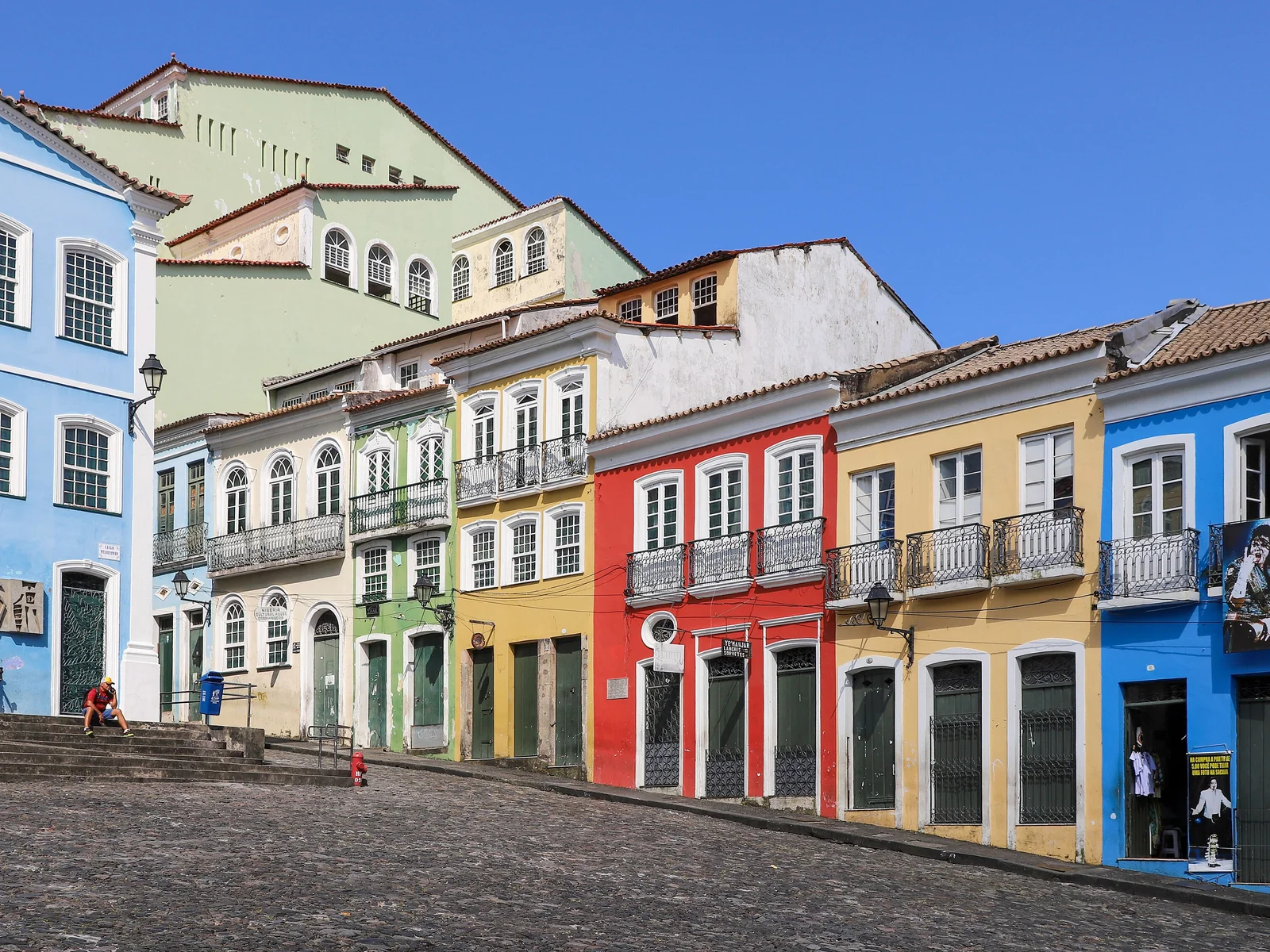
Photographs of the neighborhood, restaurant, and beach featured in this guide, with credit to each photographer.
Ready to discover Salvador?
Book one of the four Via Avantgarde suites in the Pelourinho — and receive the complete guides with recommendations for your stay.