Things to Do in Salvador the eight that are actually worth your time
Things to do in Salvador: the Pelourinho, Elevador Lacerda, Bonfim, Porto da Barra, acarajé, capoeira and the Bay of All Saints — with what's open in 2026 and how long to give each one.
The essentials in 30 seconds
The best things to do in Salvador are not really a list of monuments — they're a handful of places where the city is most itself. Walk the Pelourinho, the UNESCO-listed old town on the bluff. Ride the Elevador Lacerda down to the bay. Tie a ribbon at the Igreja do Bonfim. Watch the sun drop into the water at Porto da Barra. Eat acarajé from a baiana's tray and a moqueca by the sea. Catch a capoeira roda and, on a Tuesday night, the drums of the Bênção. Then get out on the Bay of All Saints by schooner. Three days covers the essentials; a week lets you do them slowly, which is the right speed for this city.
1. Walk the Pelourinho — and give it more than an hour
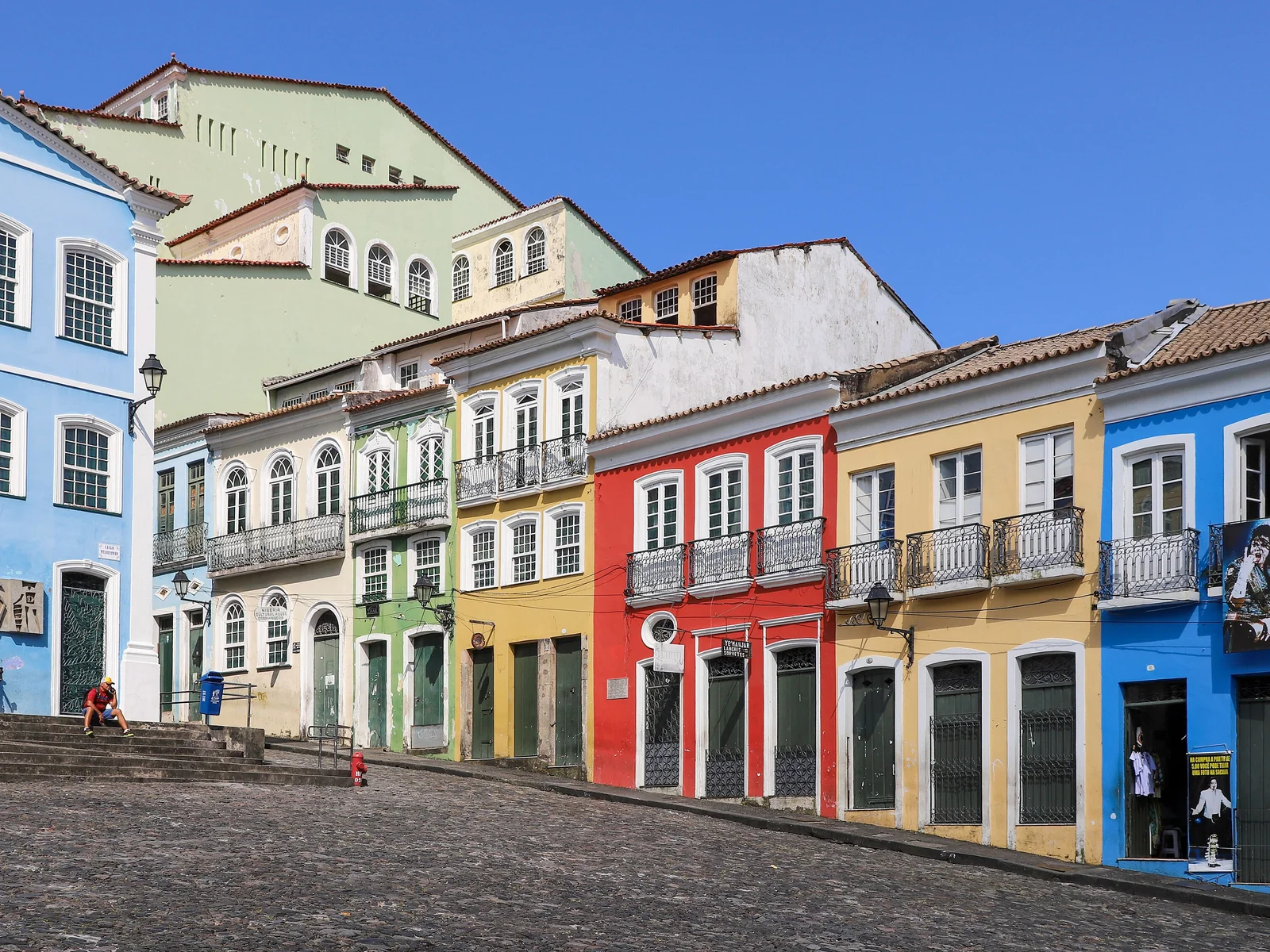
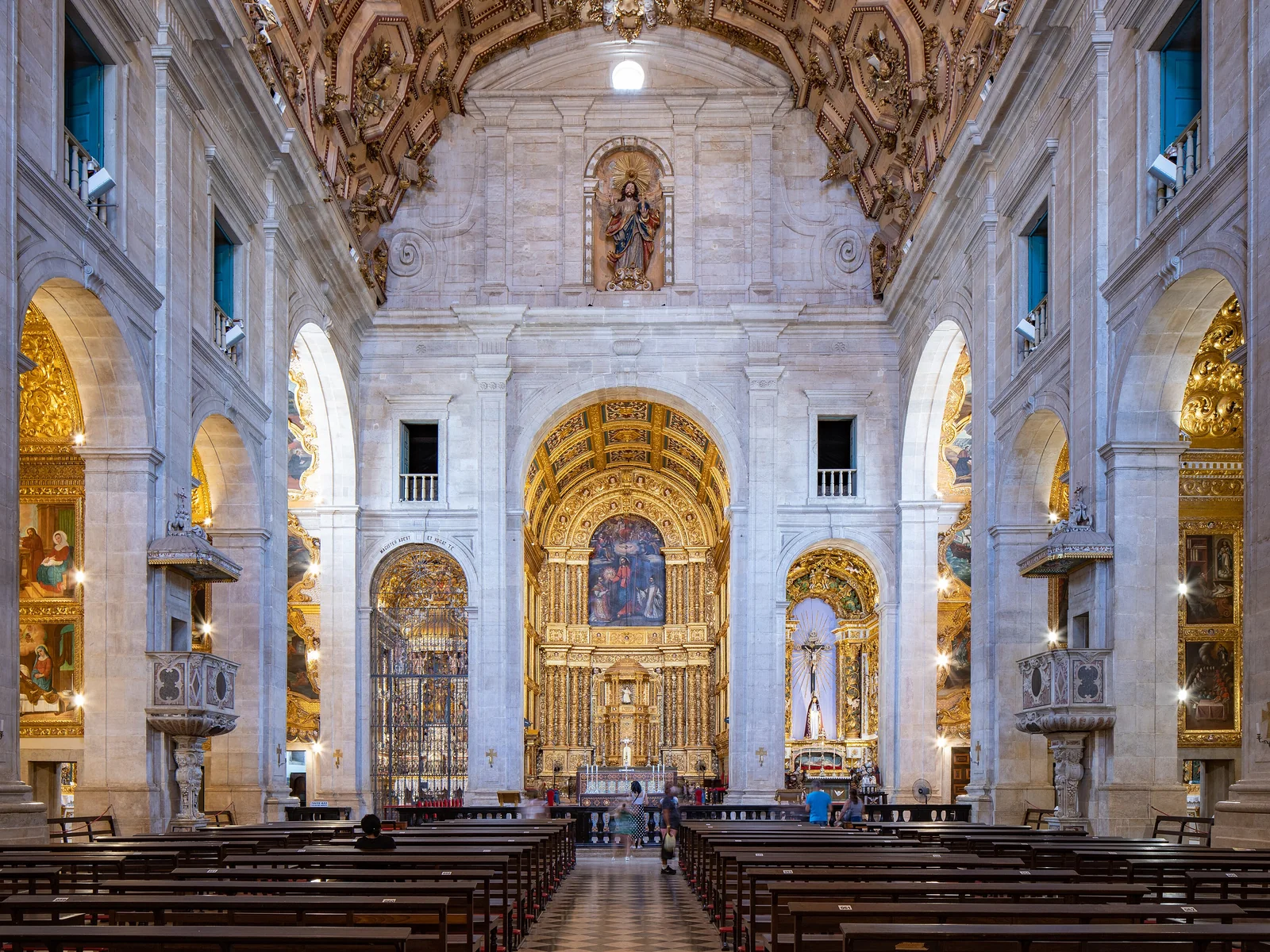
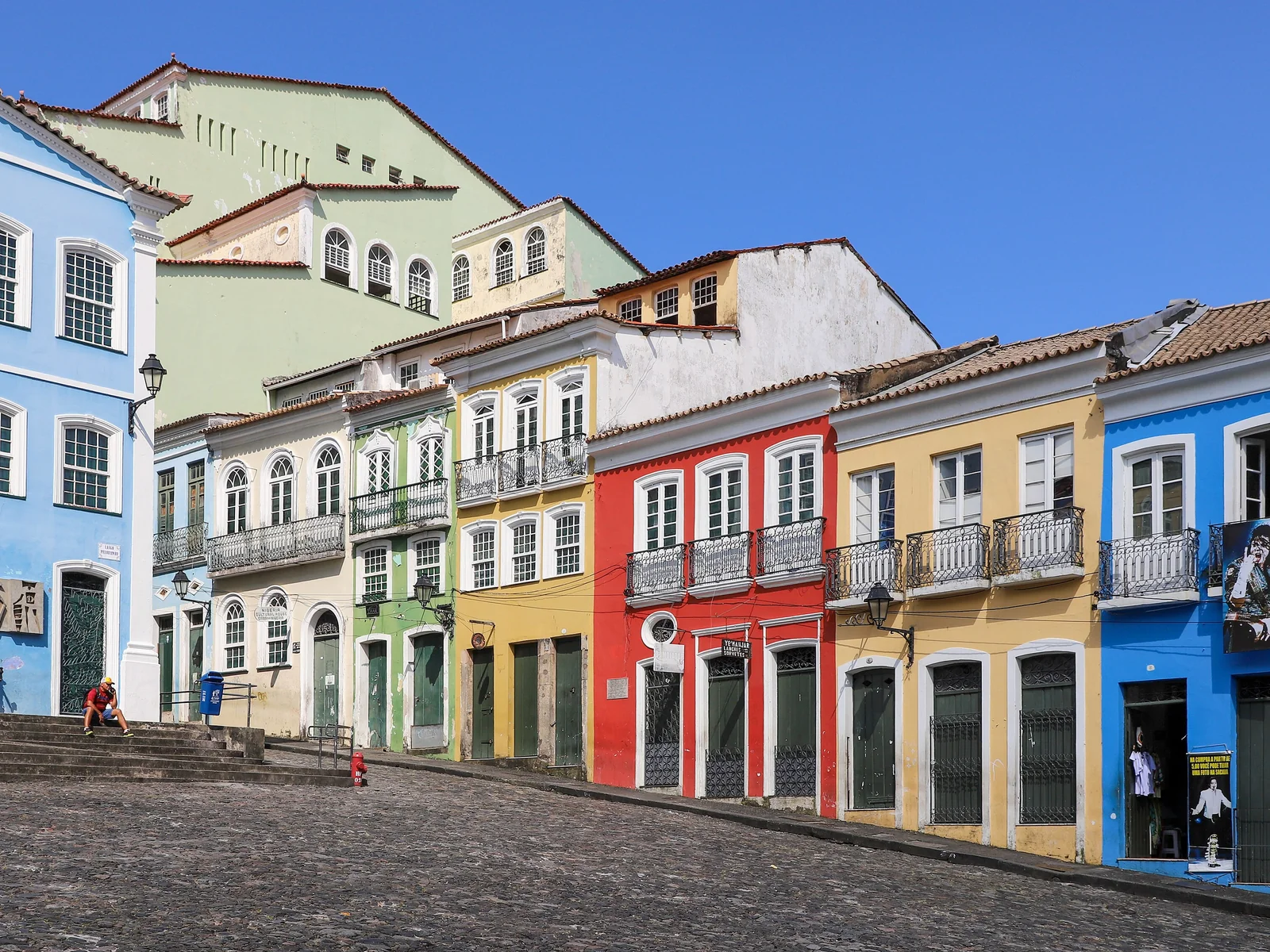
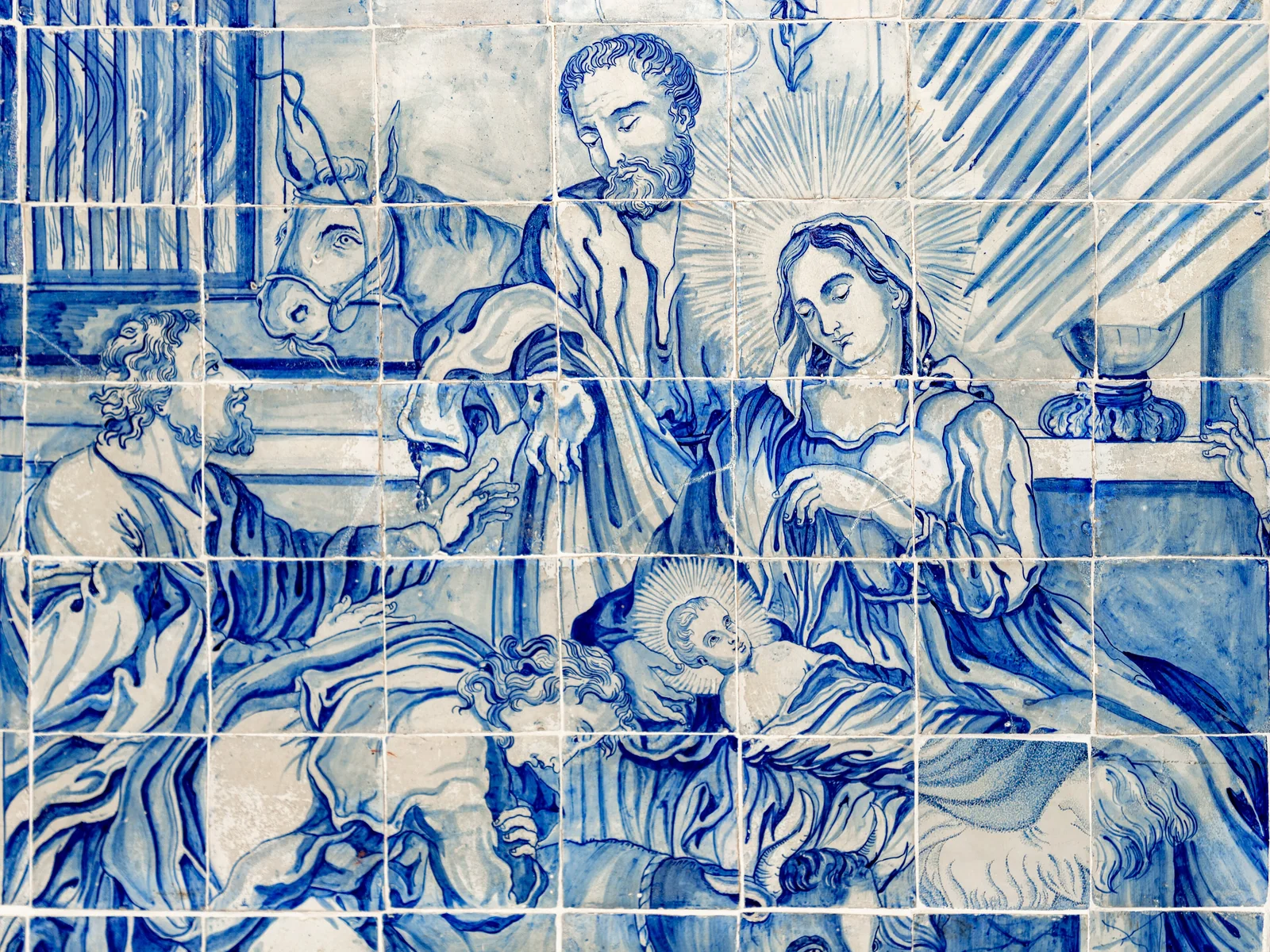
Almost every list of what to do in Salvador starts here, and it should. The Pelourinho is the historic heart of the Cidade Alta: cobbled hills, pastel townhouses, baroque churches and a soundtrack of drums that seems to come from three directions at once. It was Brazil's first capital from 1549 to 1763, and it became a UNESCO World Heritage Site in 1985. Most visitors treat it as a photo stop and leave after forty minutes. Give it half a day: the Terreiro de Jesus and its churches, the Igreja do Rosário dos Pretos built by enslaved Africans for their own worship, the blue mansion of the Fundação Casa de Jorge Amado, and the long sloping Largo do Pelourinho where the samba-reggae bands rehearse. Our dedicated Pelourinho guide maps the whole quarter street by street.
2. Ride the Elevador Lacerda between the two cities
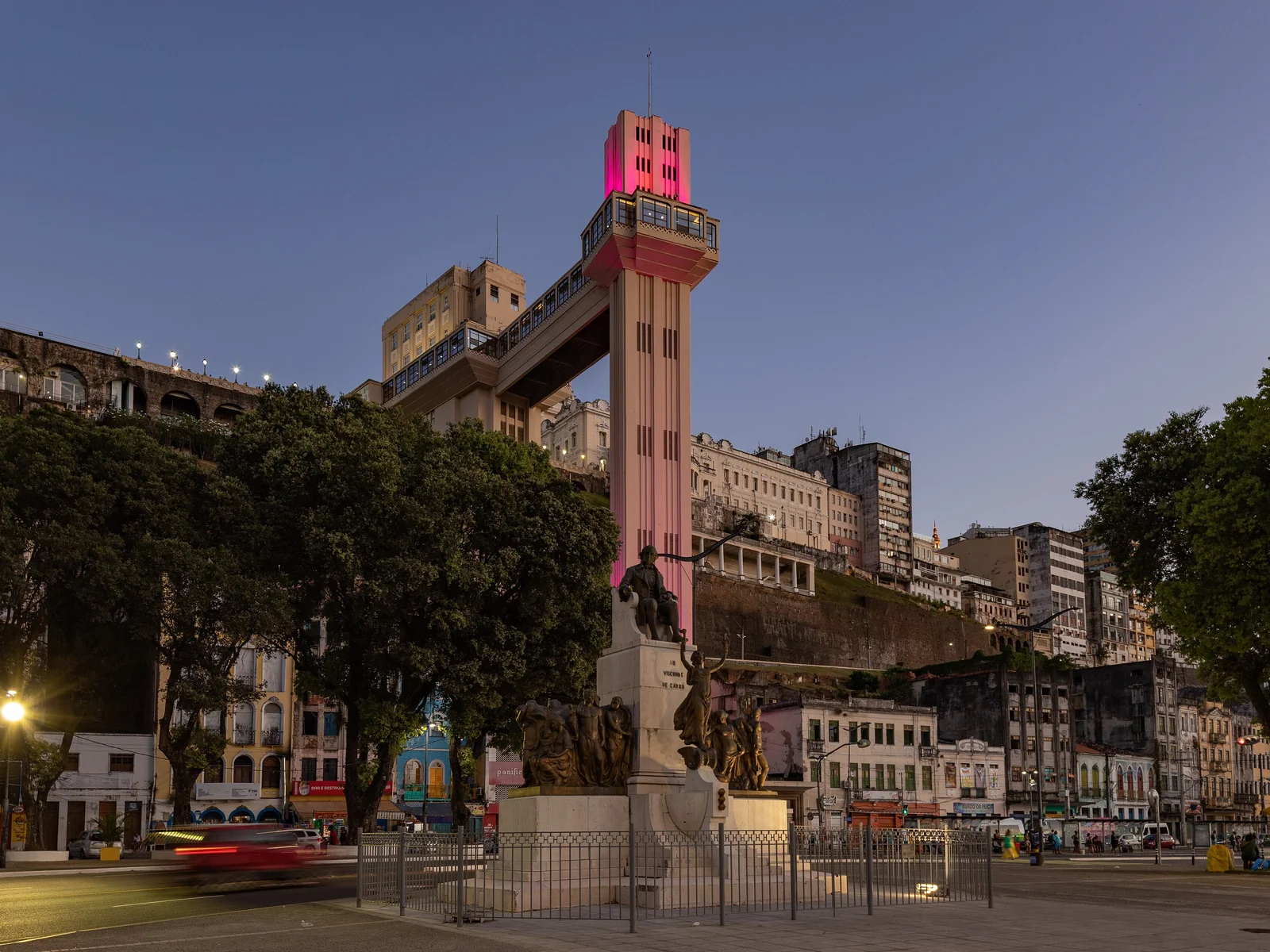
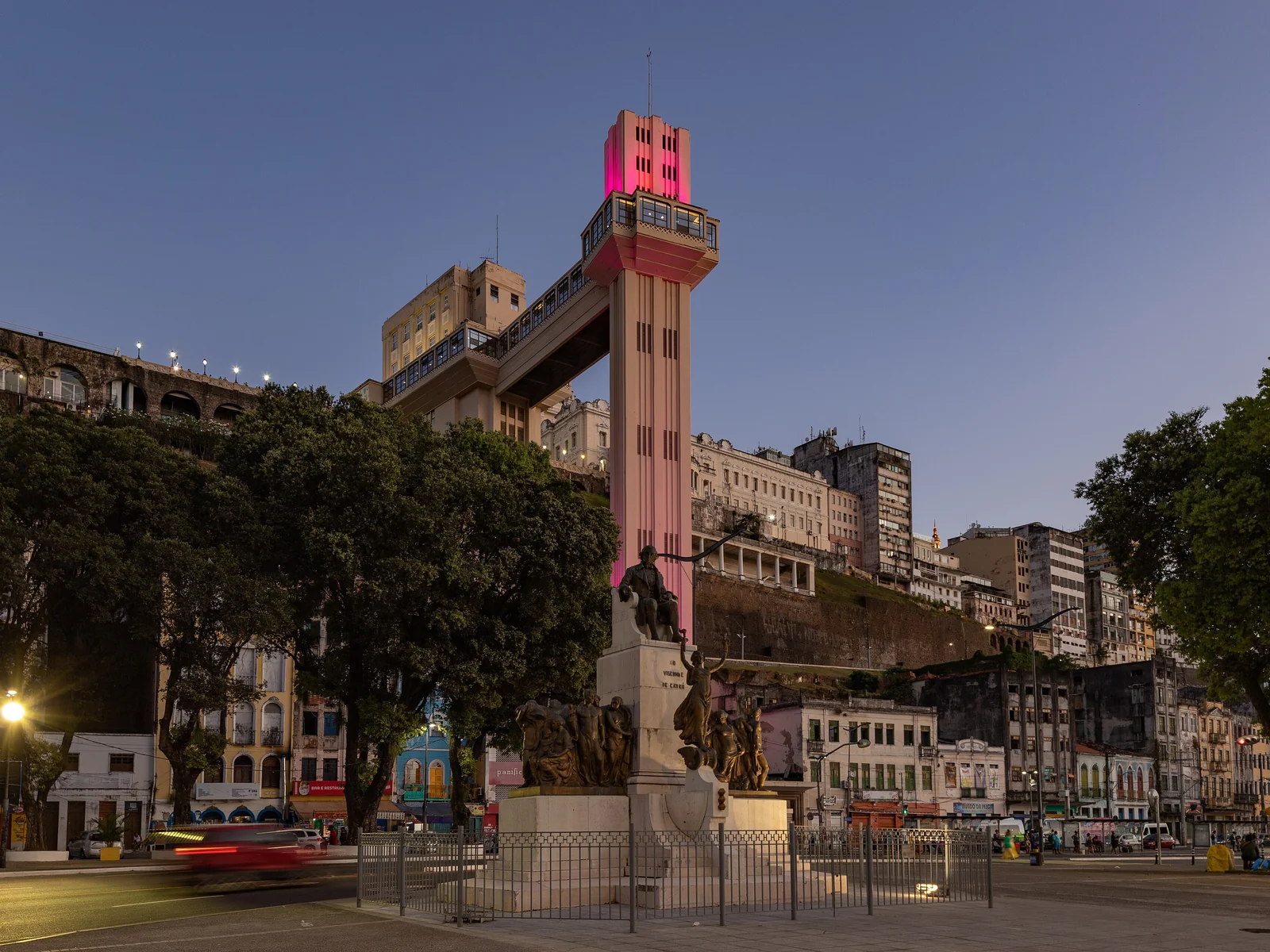
Salvador is built on two levels, and the Elevador Lacerda is how they've been joined since 1873. Four cars drop 72 metres from the Praça Municipal in the Cidade Alta to the Comércio district and the port below, in about thirty seconds, free to ride in 2026. It is a genuine piece of working infrastructure rather than a tourist ride — thousands of people commute on it daily — and the view from the upper platform across the Baía de Todos os Santos is the single best free thing to do in the city. Go at the end of the afternoon when the light turns gold over the water. Nearby, the smaller Plano Inclinado Gonçalves does the same job on rails.
3. Tie a ribbon at the Igreja do Bonfim
The Basílica do Senhor do Bonfim, on its own hill in the Península Itapagipe, is the most beloved church in Bahia and the clearest place to see how Catholic and Candomblé traditions grew into each other here. Outside, vendors sell the coloured fitas — ribbons printed with the church's name. The custom is to tie one around your wrist with three knots, one wish per knot, and let it fall off on its own; cut it early and the wishes don't count. Inside, the Sala dos Milagres is hung with photographs, crutches and wax limbs left by people whose prayers were answered. It is moving, and it takes ten minutes to understand more about Salvador than an afternoon in a museum will teach you. Our Afro-Brazilian history guide explains the syncretism behind it.
4. Spend a sunset at Porto da Barra
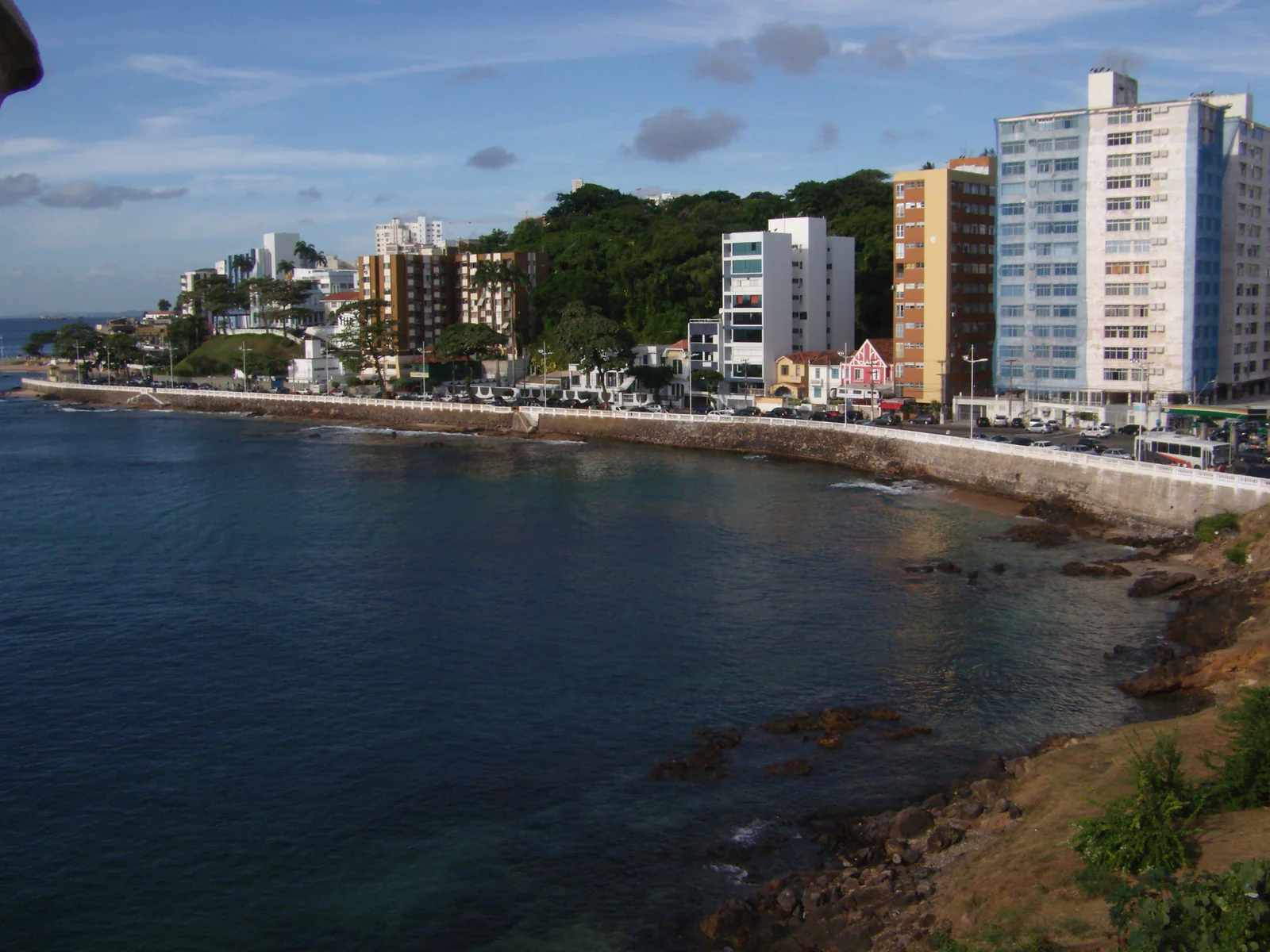
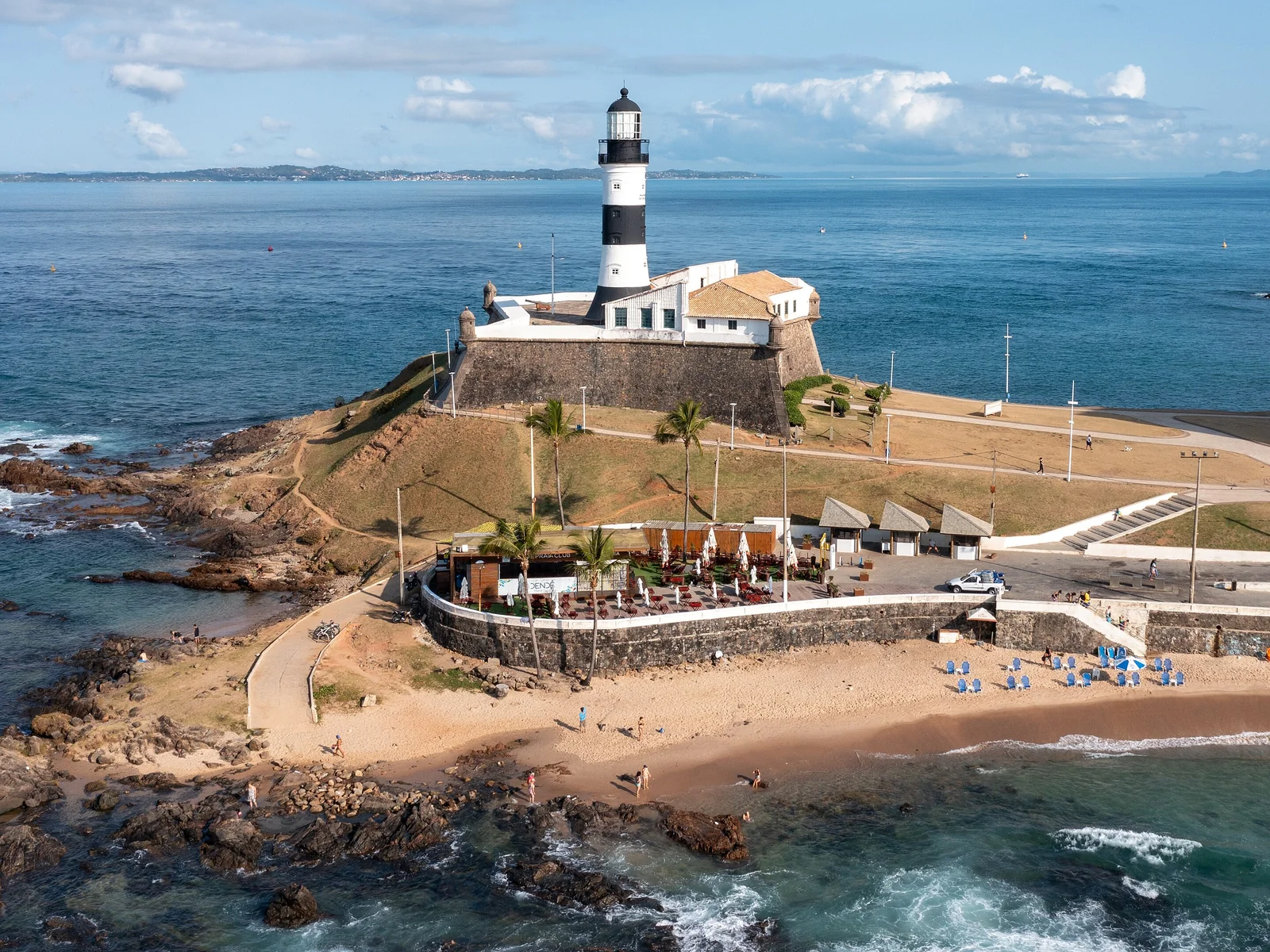
Porto da Barra is a small, protected, bay-facing crescent between two forts, and it has been called one of the best city beaches on Earth for a reason: the water is warm, calm and clear, and because it faces west, the sun sets directly into the sea in front of you. Locals applaud when it goes. Walk fifteen minutes around the point to the Farol da Barra, the lighthouse in the Forte de Santo Antônio, which houses the small Museu Náutico da Bahia and marks the exact spot where the Atlantic meets the Bay of All Saints. For the wilder Atlantic beaches out toward Itapuã and Stella Maris, see our Salvador beaches guide.
5. Eat your way through the Bahian kitchen
Food is not a sideline in Salvador — it is one of the main reasons to come. Work through these in roughly this order:
- Acarajé — the black-eyed-pea fritter fried in dendê and split open with vatapá, caruru and dried shrimp, bought hot from a white-clad baiana at a street stand.
- Moqueca — the golden seafood stew of palm oil, coconut milk and coriander, served bubbling in a clay pot and meant to be shared.
- Feira de São Joaquim — the sprawling, chaotic, entirely un-touristy market where the city actually shops. Go in the morning.
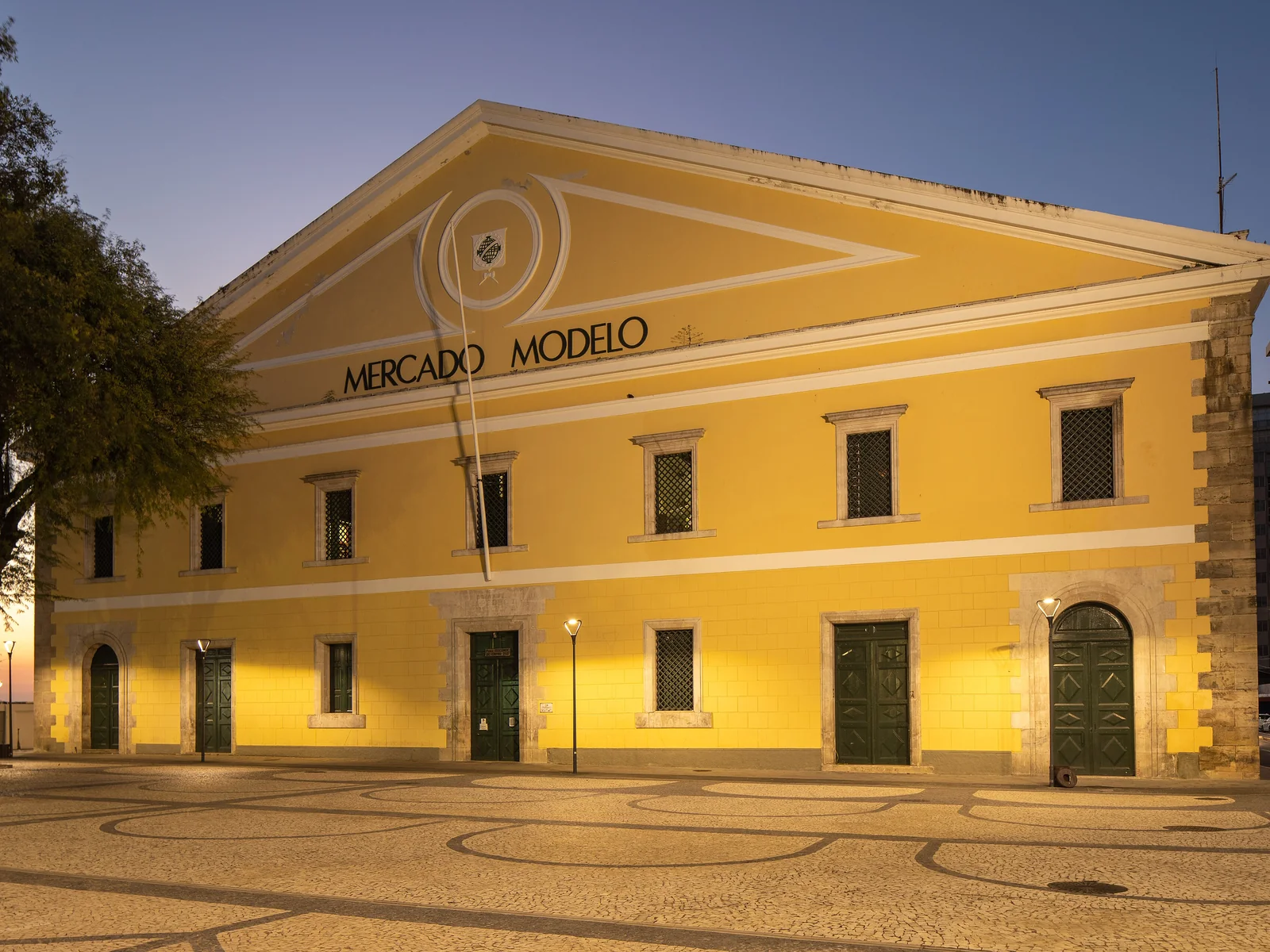
- Mercado Modelo — the handsome old customs house on the waterfront, now crafts stalls above and two restaurant terraces with a bay view.
- Cocada and água de coco — coconut candy from a street tray and chilled coconut water from the shell, which is how you survive an afternoon here.
The full menu, with what each dish is and how to ask for less chili, is in our Bahian food guide.
6. Hear the drums — Tuesday nights and Olodum rehearsals
Salvador's music is not something you schedule; it finds you. Still, two fixtures are worth planning around. A Terça da Bênção — Blessing Tuesday — turns the Pelourinho into a free open-air party every Tuesday evening, after the mass at the Igreja do Rosário dos Pretos, with bands playing on several squares at once. And the percussion blocos, Olodum among them, hold open rehearsals in the historic centre in the weeks running up to Carnival, which is as close as you'll get to a Carnival crowd without the crowd. Our music and nightlife guide has the current nights and neighbourhoods, including Rio Vermelho, where the city goes to drink.
7. Watch a capoeira roda
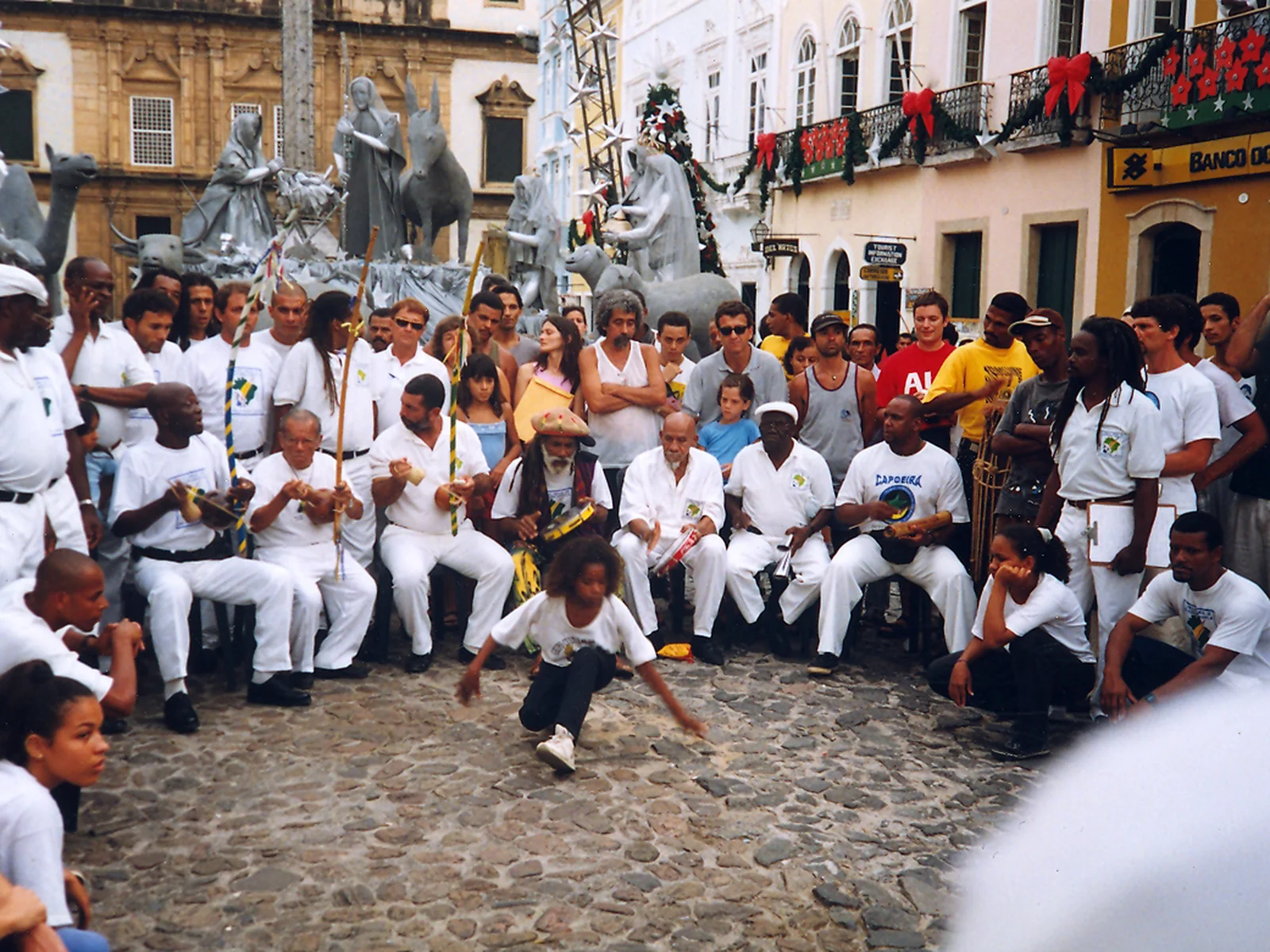
Capoeira — the Afro-Brazilian art that hides a fight inside a dance — was born in Bahia, and Salvador is the best place on Earth to see it done properly. You'll come across informal rodas on the Terreiro de Jesus and near the Mercado Modelo, and serious academies around the Forte de Santo Antônio Além do Carmo hold classes and rodas that visitors can watch or join. A first class is far more fun than it sounds and needs no fitness or experience. Where to find the real thing — and the etiquette of the street rodas — is covered in our capoeira guide, and we can arrange a private beginner's session through our capoeira class.
8. Get out on the Bay of All Saints
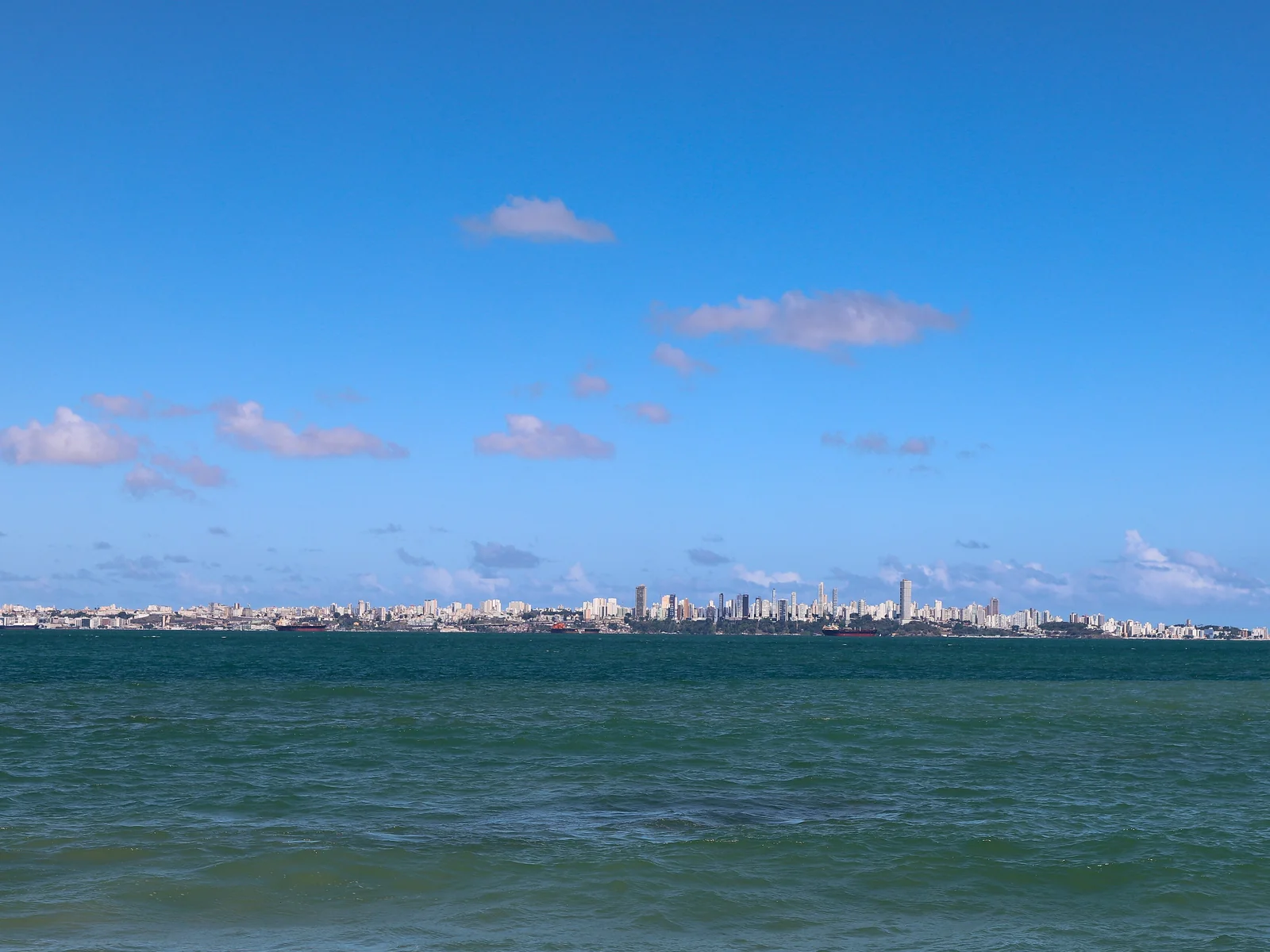
The Baía de Todos os Santos is the largest bay in Brazil, and seeing Salvador from the water reframes the whole city. Day schooners cross to Ilha dos Frades and Itaparica, stopping to swim; the passenger ferry and the small lanchas from the terminals below the Elevador Lacerda do the same trip for a couple of reais if you'd rather improvise. Further afield, Morro de São Paulo is a two-and-a-half-hour catamaran ride to car-free sand, and the waterfalls and table mountains of Chapada Diamantina are a night bus inland. Our day trips guide and Chapada Diamantina guide cover the logistics.
Fitting it into the days you have
With two days, do the Pelourinho, the Elevador Lacerda, Bonfim and a sunset at Porto da Barra. With three or four, add a schooner day on the bay, the Feira de São Joaquim and a night in Rio Vermelho. With a week, add Morro de São Paulo or Chapada Diamantina and let whole afternoons go unplanned — which is, honestly, when Salvador is at its best. Our Salvador itinerary lays out each version day by day, and getting around Salvador explains how to move between them.
One last thing worth saying: the shortlist above is walkable almost in its entirety if you stay in the Cidade Alta. That is the quiet argument for basing yourself in the historic centre rather than out by the beaches — you step out of the door and you're already there. Have a look at our boutique suites, all of them a few minutes' walk from the Pelourinho.
Salvador, in images
Photographs of the neighborhood, restaurant, and beach featured in this guide, with credit to each photographer.
Ready to discover Salvador?
Book one of the four Via Avantgarde suites in the Pelourinho — and receive the complete guides with recommendations for your stay.