Salvador Dining Guide the most complete guide to where to eat and drink
From clay-pot moqueca to the contemporary kitchens of Origem and Manga, from Dinha's acarajé to Soeta's chef's table. Thirty addresses with direct website links, signature dishes, and why each one matters.
The essentials in 30 seconds
Salvador is, with little argument, Brazil's best city for eating out — the only one with a fully-formed authorial cuisine that doesn't need to import its inspiration. The base is Afro-Brazilian Bahian cooking: dendê palm oil, coconut milk, chili, fish, shrimp and shellfish from the Bay of All Saints. On top of that base sit three layers: popular cooking (acarajé, moqueca, fish in banana leaf) served in century-old houses; contemporary Bahian, which reinvents tradition with French technique and local product (Origem, Manga, Soeta, Pereira); and international (Japanese, Italian, Peruvian), which has gained ground in the last ten years. This guide covers thirty addresses, organized by occasion — breakfast, beach lunch, afternoon moqueca, authorial dinner, late-night drink, dessert. All with a direct booking link.
Bahian cooking, in one breath
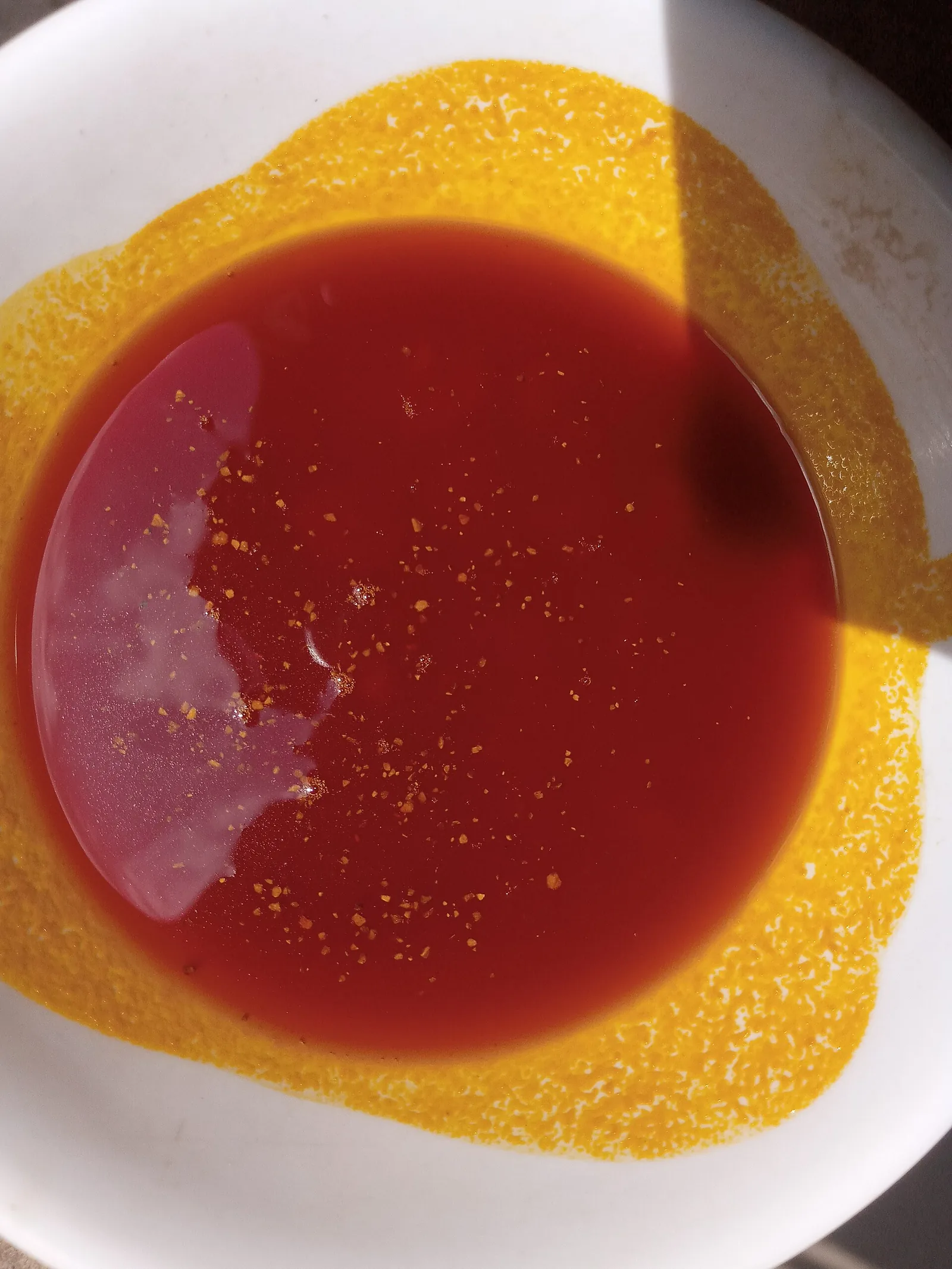
Before the restaurants, the food. Bahian cuisine is the result of nearly five hundred years of forced and voluntary mixing between three traditions: indigenous Tupinambá (manioc in every form, fish roasted in leaf, chili), Portuguese (olive oil, vinegar, cheese, wine, bread), and African Yoruba-Jeje brought by the slave trade (palm oil, okra, yam, ginger, fragrant chili, coconut milk, and — above all — the orixá pantheon that defines what is eaten when, on which day, in which dish). It's the only Brazilian cuisine with a strong religious base: each orixá has its foods of the saint, and the popular Bahian dishes have their origin in candomblé temples.
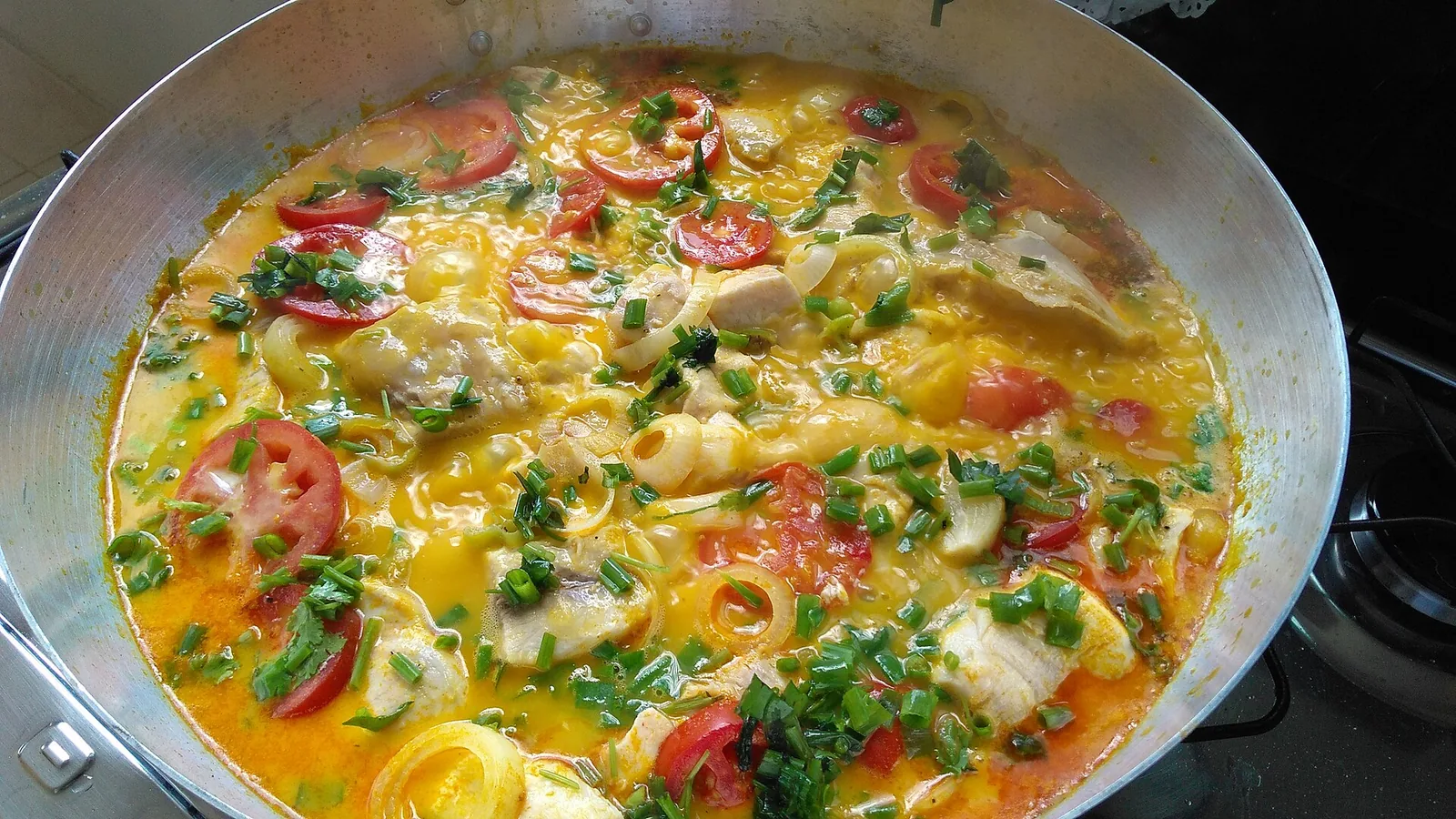
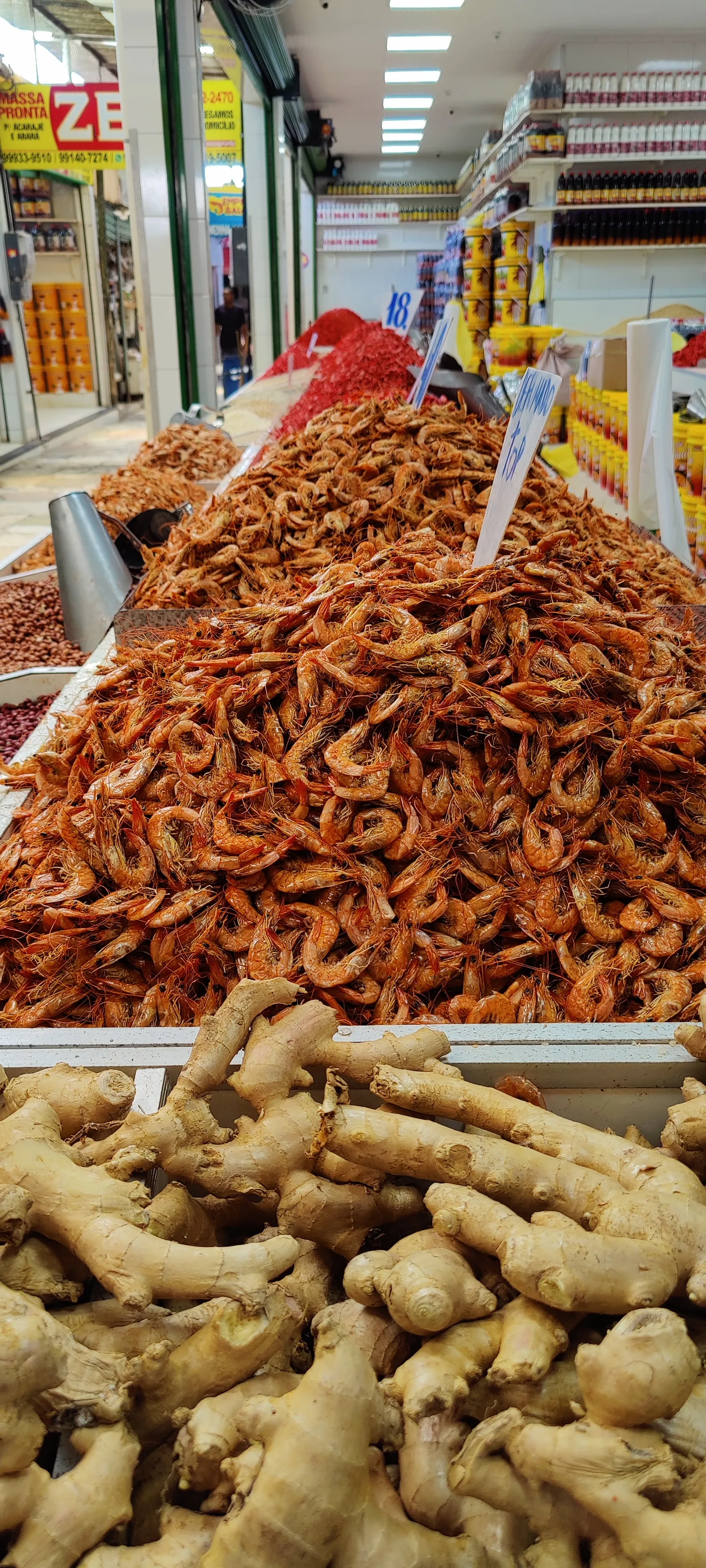
The pillars: moqueca (fish or shellfish in a clay pot with coconut milk, palm oil, peppers, tomato, cilantro), vatapá (a cream of bread, dried shrimp, coconut milk, palm oil, cashew, peanut), caruru (okra with shrimp and palm oil), bobó de camarão (with manioc purée), acarajé (a black-eyed-pea fritter fried in palm oil, stuffed with vatapá, caruru, dried shrimp, tomato salad and chili), abará (the steamed-in-banana-leaf version of the acarajé), and grilled fish or fish in banana leaf. The drinks: cold beer, cachaça caipirinha, or coconut water when eating by the sea.
The four addresses to know
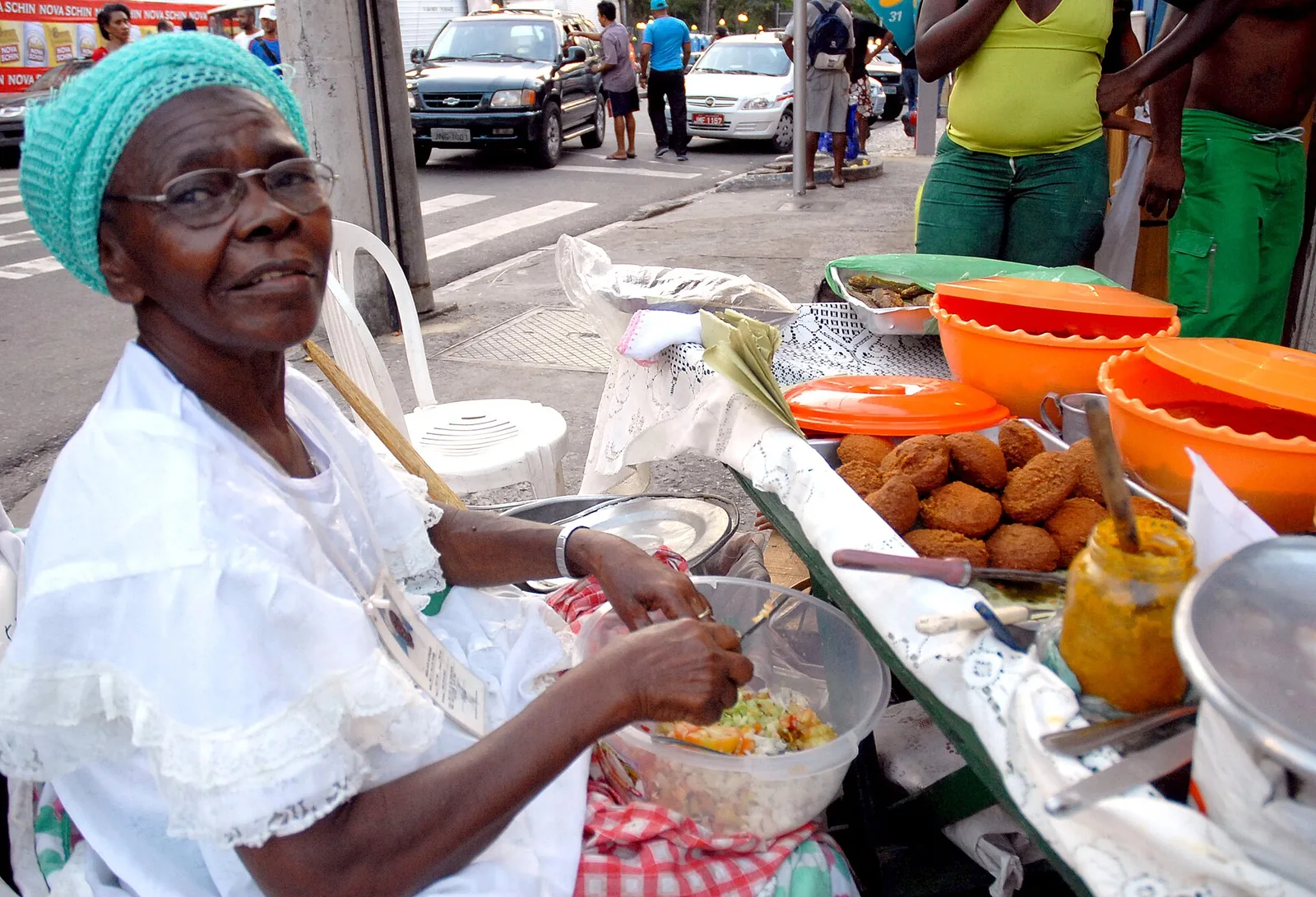
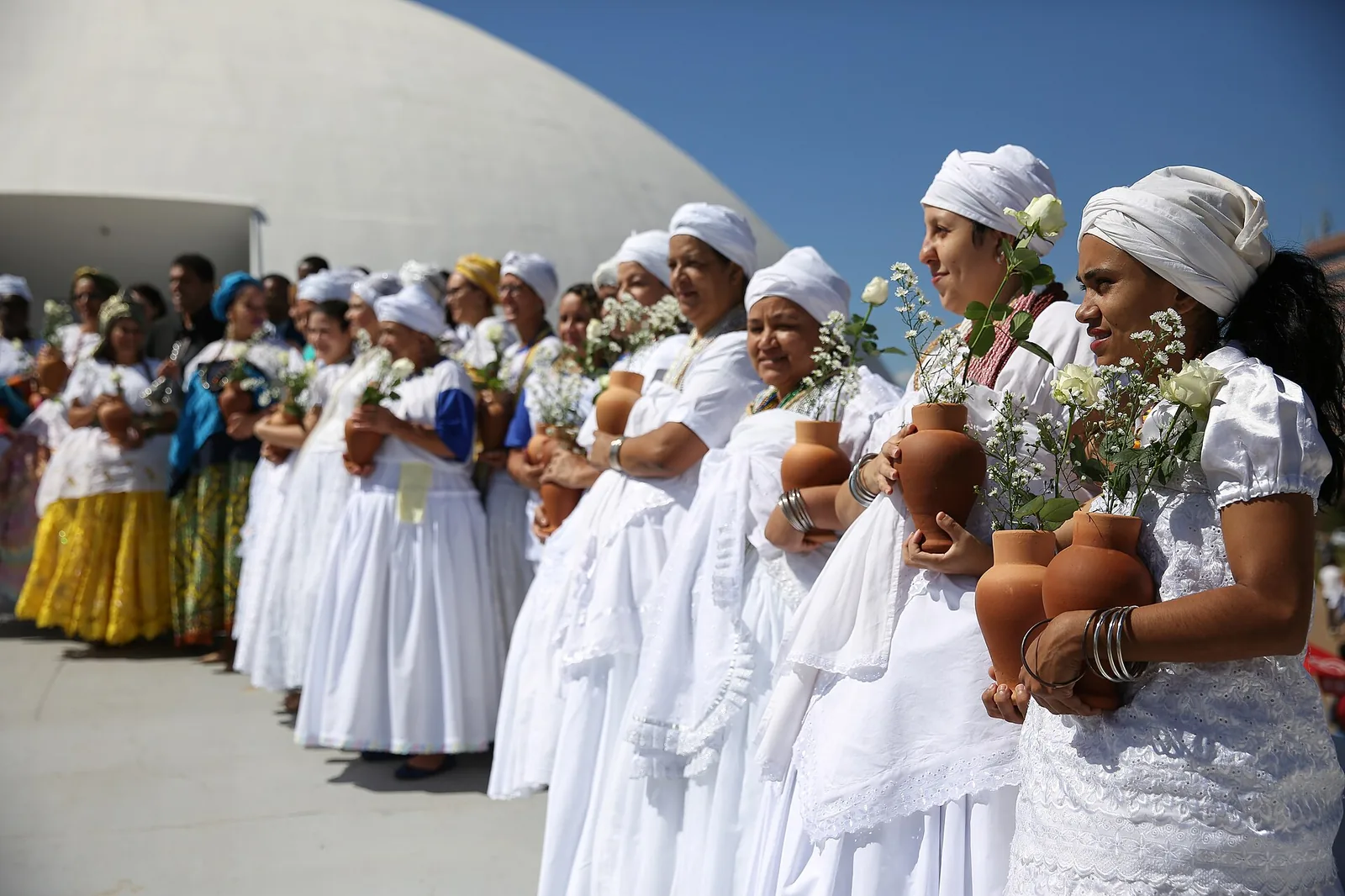
If you only have three meals in Salvador, eat them at: Origem (the most ambitious authorial cuisine in the Northeast — origemrestaurante.com), Casa de Tereza (the best moqueca in town — casadetereza.com.br), and Acarajé da Dinha in the Rio Vermelho (the country's most famous street food, served by Bahian women in white-lace dresses with beads and ribbons — instagram @acarajedadinha). For the fourth meal, choose Manga (Dante Bassi's contemporary kitchen — @mangarestaurante) or Lafayette at the Hotel Fasano, with its bay view (fasano.com.br/restaurantes/lafayette).
Beyond moqueca: the categories
Acarajé — the deep-fried black-eyed-pea fritter that is, in Salvador, more than a dish: it's a religious institution, a neighborhood economy, and a social marker. Sold by baianas de acarajé at decorated stalls, it has its origin in candomblé temples as an offering to Iansã and Xangô. Recognized as Intangible Heritage by IPHAN in 2005. Best stalls: Dinha, Cira and Regina (Pelourinho).
Moqueca — fish or shellfish in clay pot with coconut milk and dendê palm oil. Best at Casa de Tereza, Mistura Perfeita, Maria Mata Mouro, Yemanjá, and the Restaurante do SENAC (Pelourinho cooking school) — the most didactic way to taste the entire Bahian repertoire.
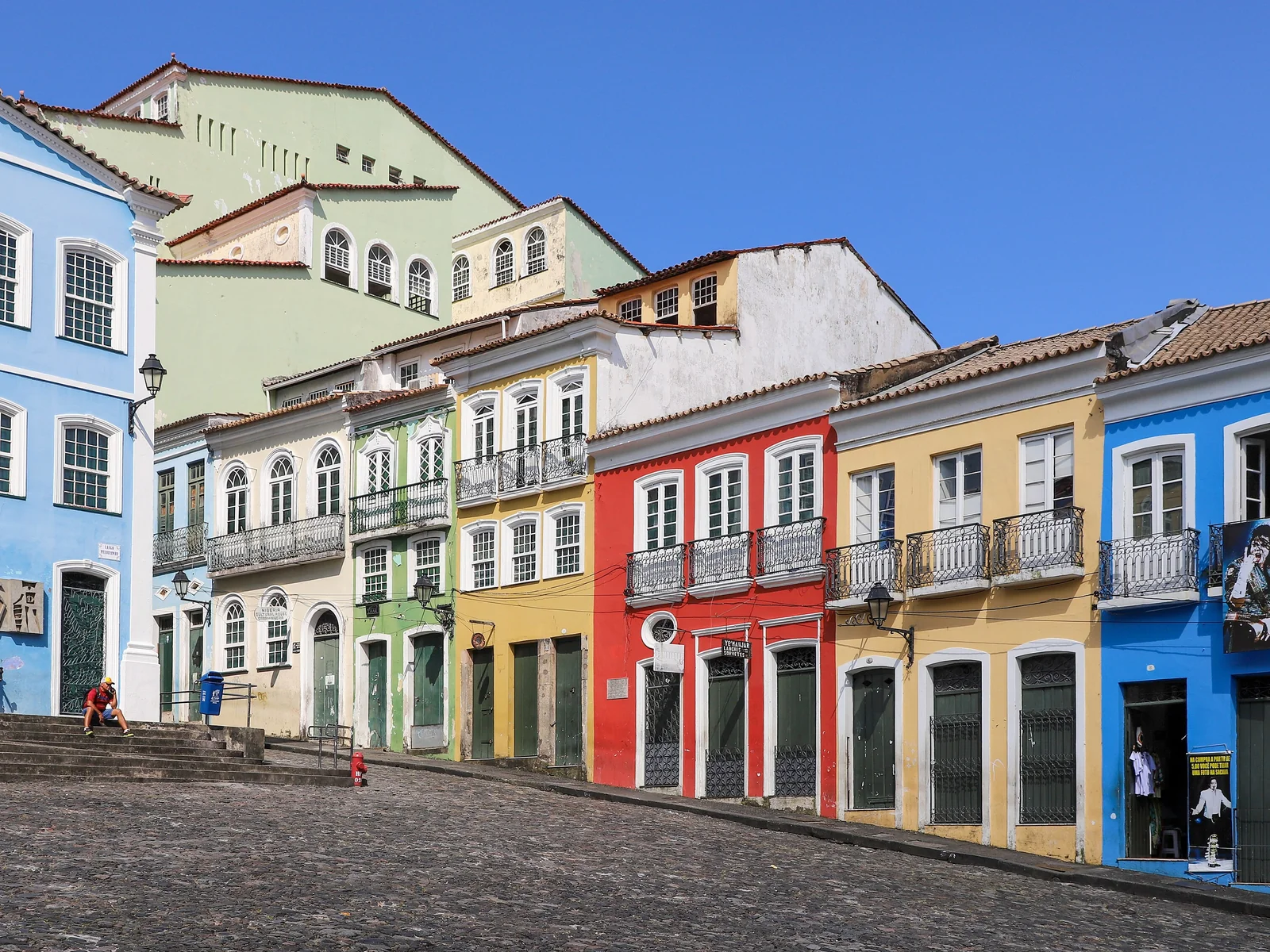
Contemporary Bahian — Origem, Manga, Soeta, Pereira, Lafayette, Trapiche Adelaide. The five-restaurant axis that put Salvador on the international gastronomic map in the last seven years.
Beach kiosks — for feet-in-the-sand lunch: Barraca da Edna at Porto da Barra, Lôro Beach Club in Itapuã.
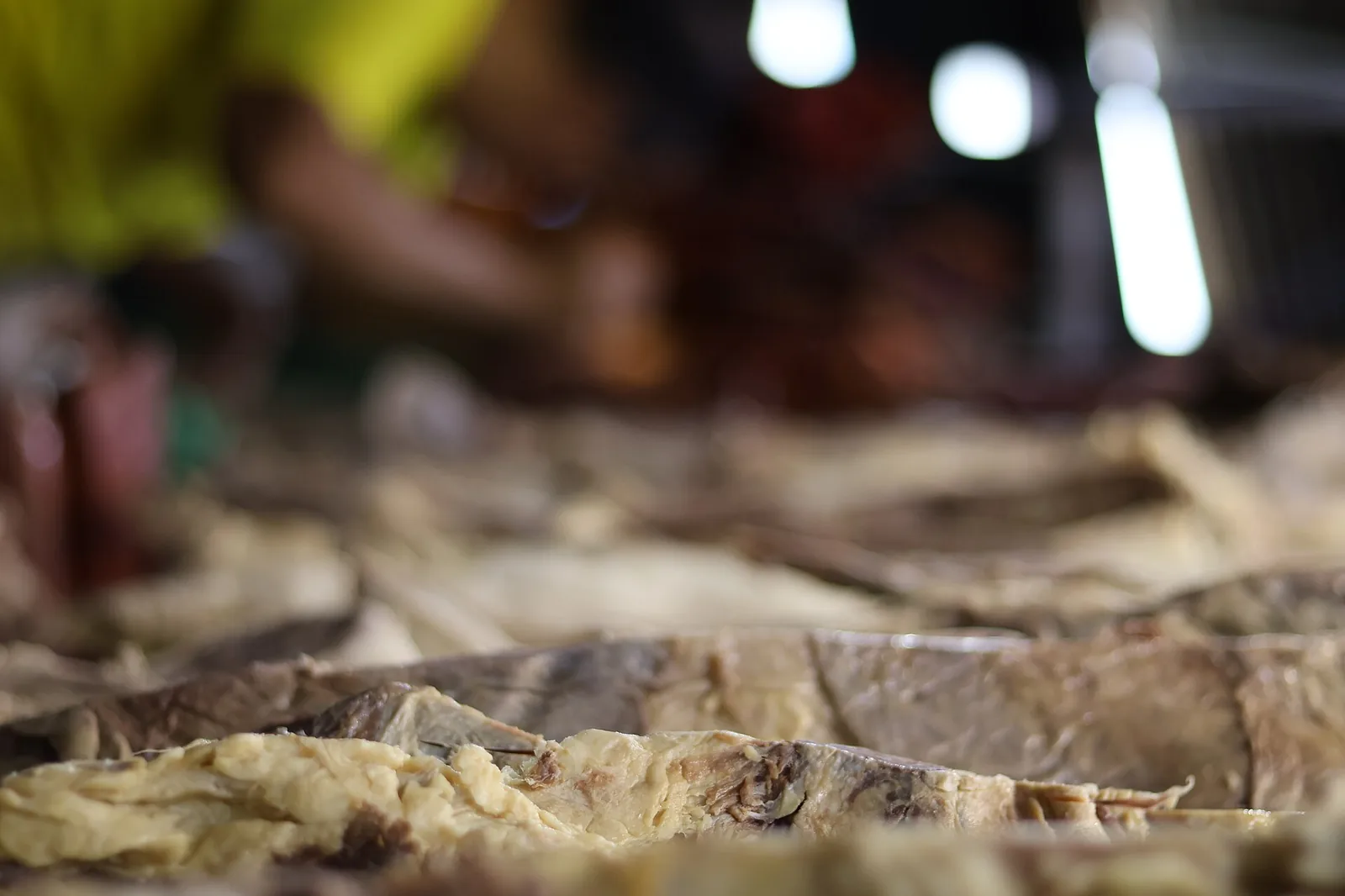
Markets — the Mercado do Rio Vermelho (renovated, gastronomic) and the Feira de São Joaquim (raw, sprawling, the largest popular market in the city).
Sweets — the Sorveteria da Ribeira, an institution since 1931 with sixty tropical-fruit ice cream flavors, sat on a Bonfim porch with the Bay in front.
How to book — and when
Salvador doesn't have the strict reservation culture of São Paulo or Rio: for most restaurants, walk in. Important exceptions: Origem, Manga, Soeta, Lafayette and Trapiche Adelaide require booking — typically a week ahead in low season, two to three weeks in high season. Casa de Tereza, Maria Mata Mouro and Pereira take bookings but accept walk-ins if a table is free. Acarajé stalls and beach kiosks don't book — arrive early or wait.
Best time for moqueca lunch: 12:30–14:00. Best time for acarajé: 17:00–19:00, before dinner. Best time for Origem or Manga: dinner, opens around 19:00. Bars warm up after 22:00 and run to midnight or 1am. Salvador eats late by Brazilian standards, sleeps early by Recife standards.
What Via Avantgarde books for you
For Via guests, we set up the harder reservations in advance — Origem, Manga and Lafayette for dinner, Casa de Tereza and Trapiche Adelaide for Sunday lunch. Just flag it on your stay confirmation with dates and party size. We also build personalized food itineraries — three dinners across three styles, or a market-and-stall circuit — depending on time and appetite. In Salvador, eating is not a side act. It's part of the trip.
Salvador, in images
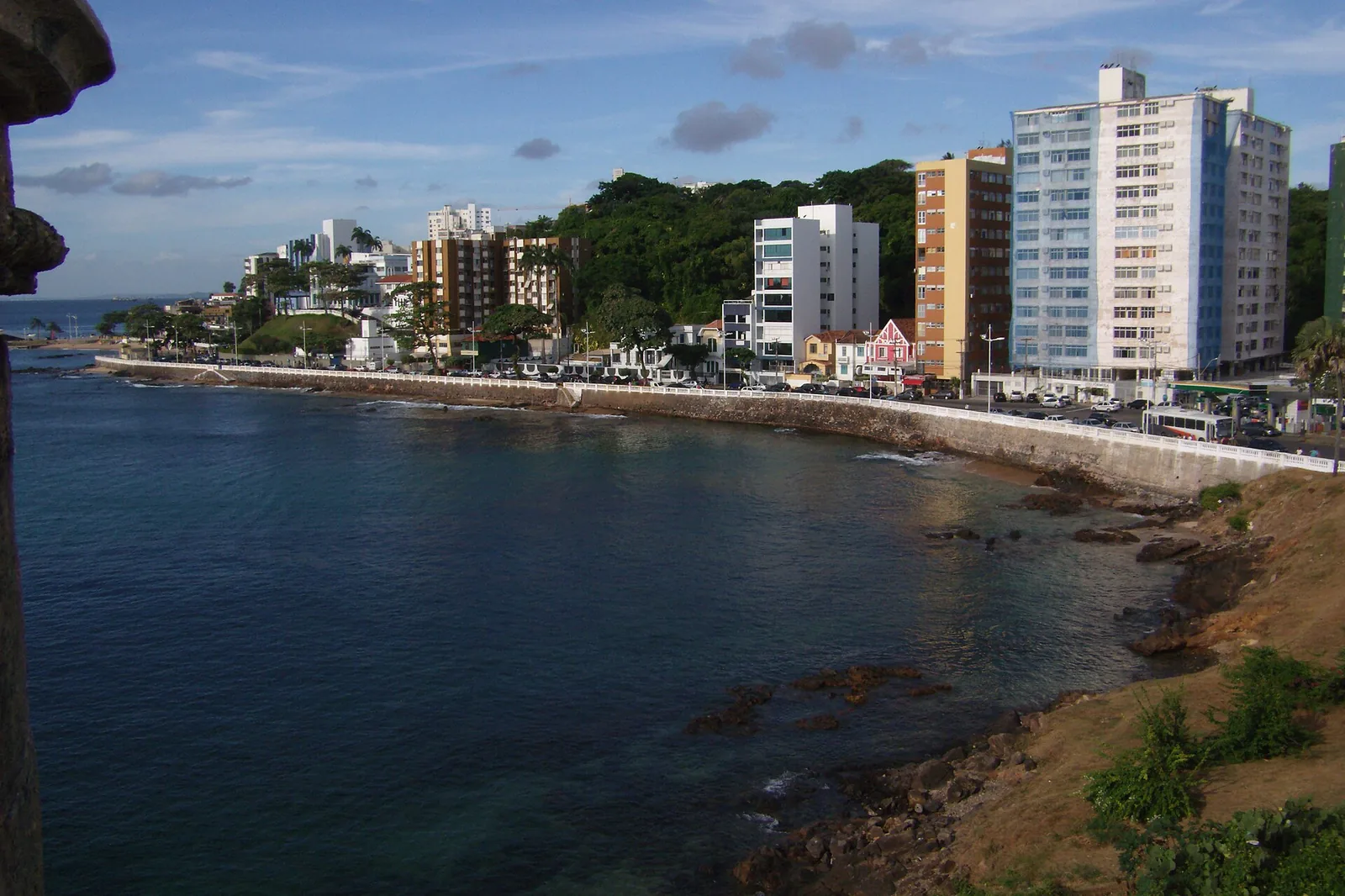
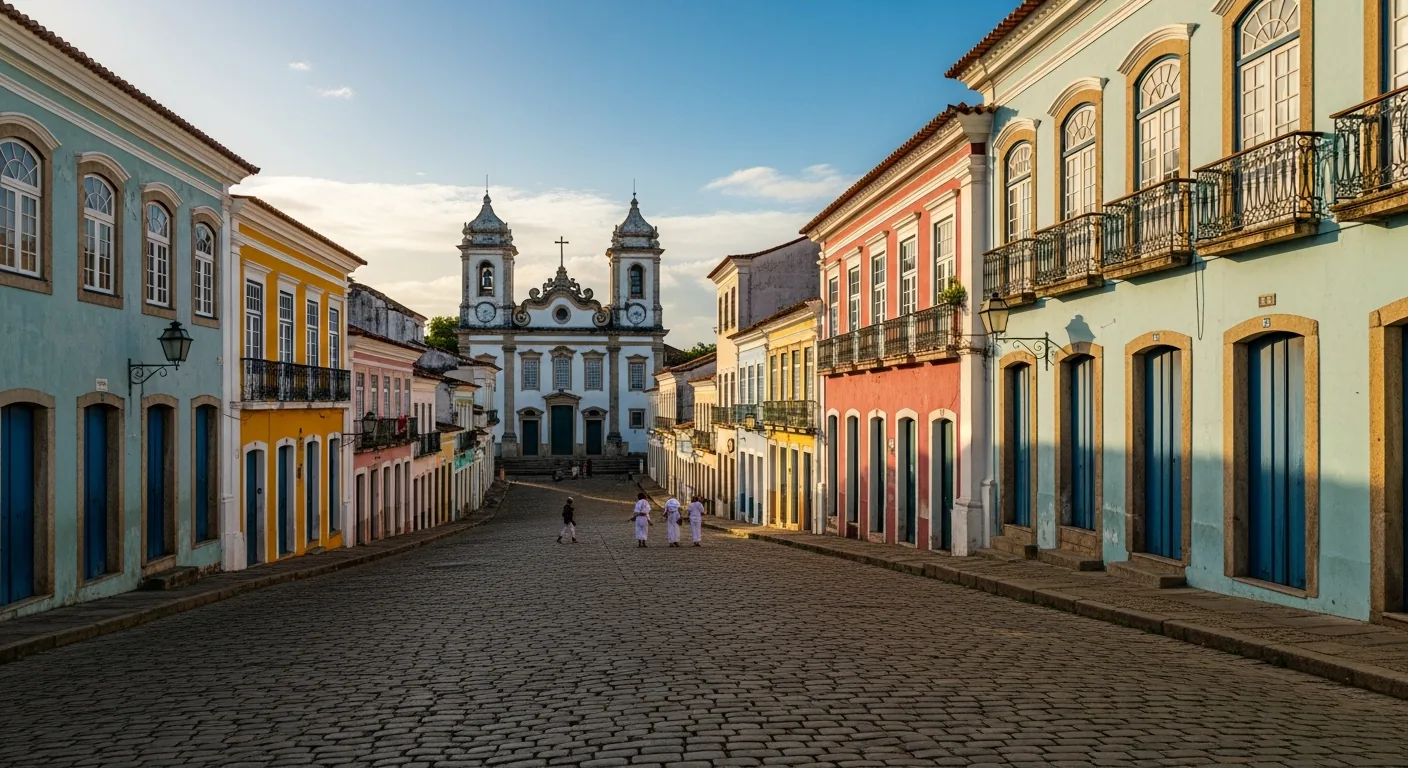
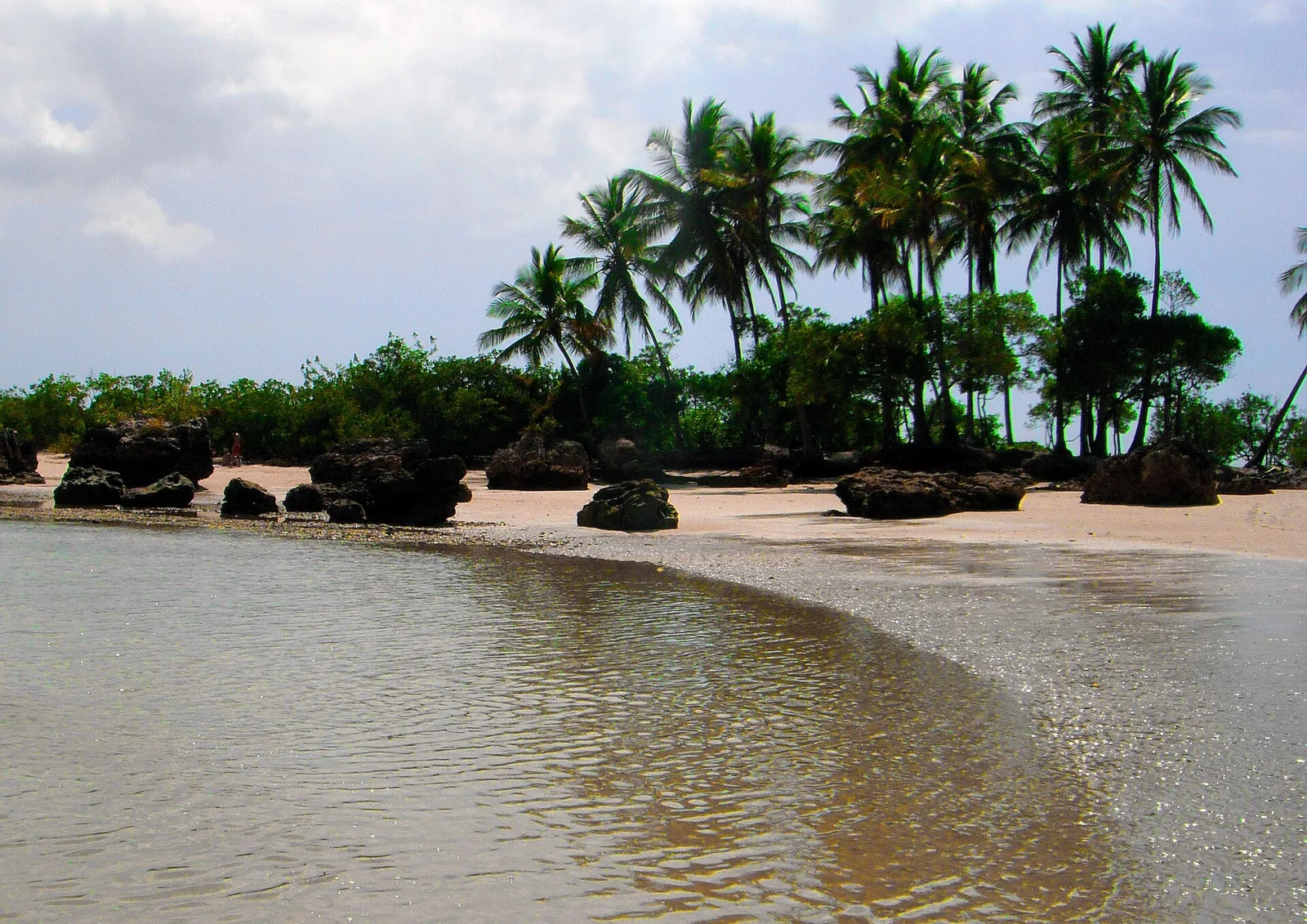
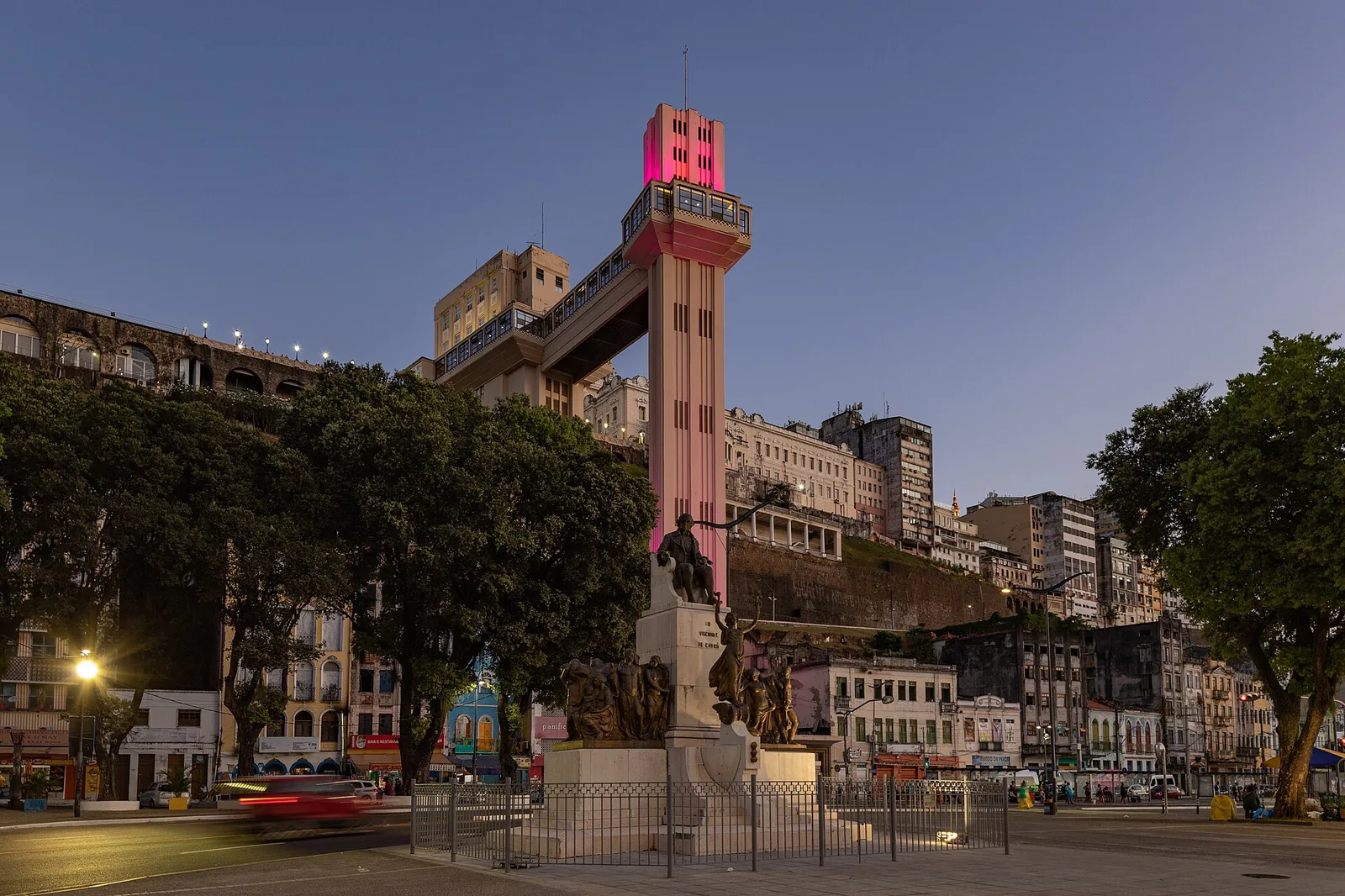
Photographs of the neighborhood, restaurant, and beach featured in this guide, with credit to each photographer.
Ready to discover Salvador?
Book one of the four Via Avantgarde suites in the Pelourinho — and receive the complete guides with recommendations for your stay.