Salvador Carnival Guide pipoca, abadá or camarote — and when to book
Salvador Carnival guide: the three circuits, and pipoca, abadá or camarote with 2026 price bands, plus the 2027 dates (4-10 February) and exactly when to book each one.
The essentials in 30 seconds
This Salvador Carnival guide is about the Carnival most people don't know exists: not a stadium parade you watch from a seat but a week you spend inside, built around trios elétricos — sound-trucks with live bands — and crowds that hit roughly two million on the big days. Carnival 2027 runs 4–10 February. Three circuits: Barra–Ondina on the seafront, Campo Grande downtown, and the Pelourinho for the traditional, family side. Four ways in: free in the pipoca crowd, inside the ropes of a bloco with an abadá (R$ 100 to about R$ 2,000 a day in 2026), in a camarote grandstand, or at the rehearsals in the weeks before, which cost next to nothing. Book the bed months out. Phones are the crime to plan for.
A party you join, not a parade you watch
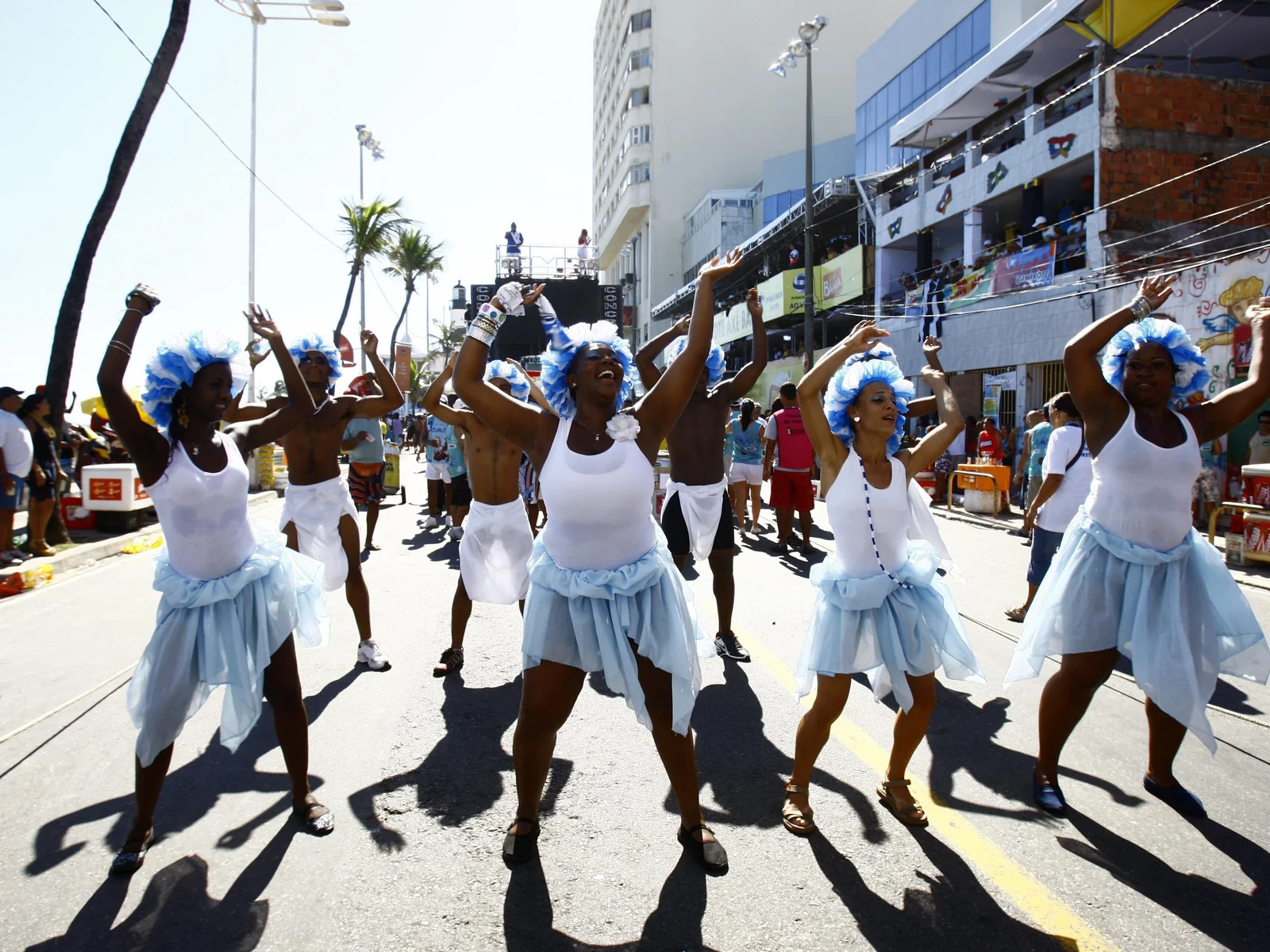
Rio's Carnival is, at heart, a ticketed show: samba schools file through a purpose-built stadium while you applaud from a seat. Salvador never built the stadium. Its Carnival is a street party — by the city's own count, 12.5 million attendances across the 2026 edition, the biggest nights putting some two million people on the tarmac at once — and no stage separates the show from you. It drives past at walking pace, and you walk with it.
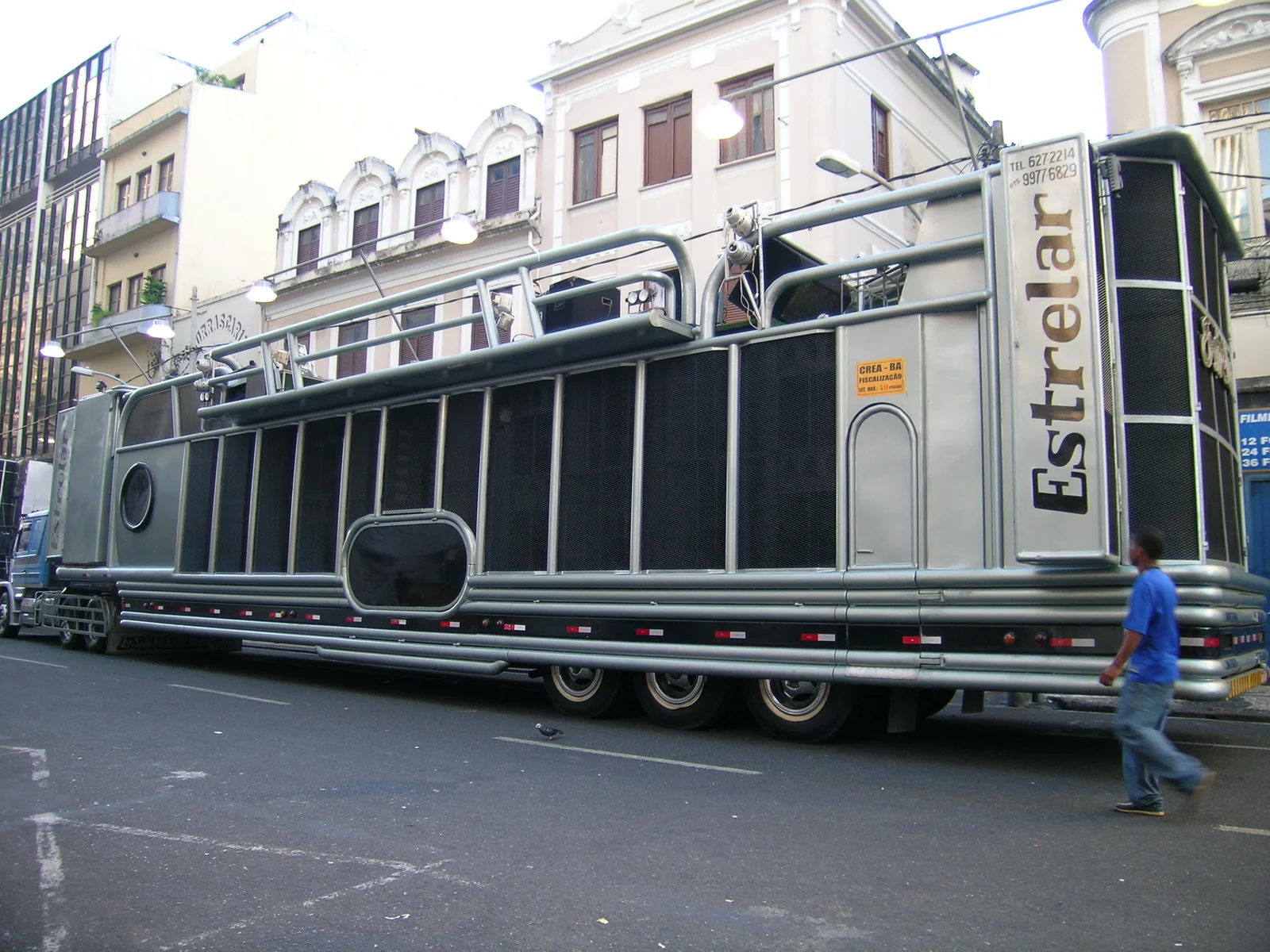
The machine that makes this possible was invented here. In 1950, two local musicians, Dodô and Osmar, mounted home-built electrified instruments on a 1929 Ford nicknamed the fobica and drove it through the crowds playing frevo. The crowd followed them toward the Praça Castro Alves and wouldn't let them stop. A third musician, Temístocles Aragão, joined the next year, and the "electric trio" had its name. Three-quarters of a century later, the trio elétrico is an articulated truck carrying a full band and a sound system quoted in the tens of thousands of watts, and everything about Salvador's Carnival — the circuits, the blocos, the economics — is arranged around it.
The three circuits, explained like a local
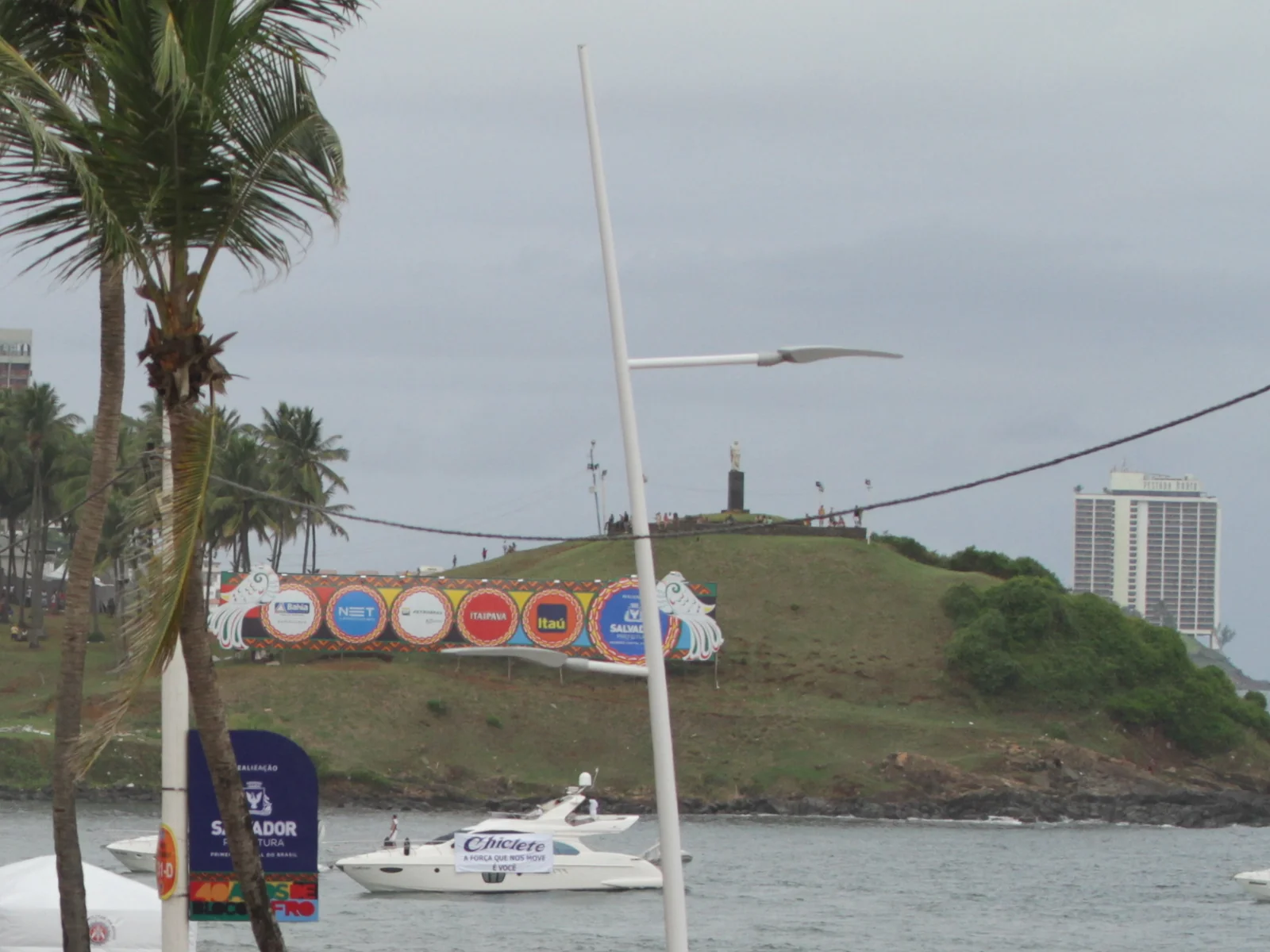
Circuito Dodô (Barra–Ondina) is the one you've seen on television: some four kilometres of seafront from the Farol da Barra lighthouse to Ondina, running from late afternoon deep into the night. This is where the biggest names — Ivete Sangalo, Bell Marques, Léo Santana — pull the biggest trios and the densest crowds, and where almost all the camarotes stand. It is the glamorous circuit, the expensive one, the most intense.
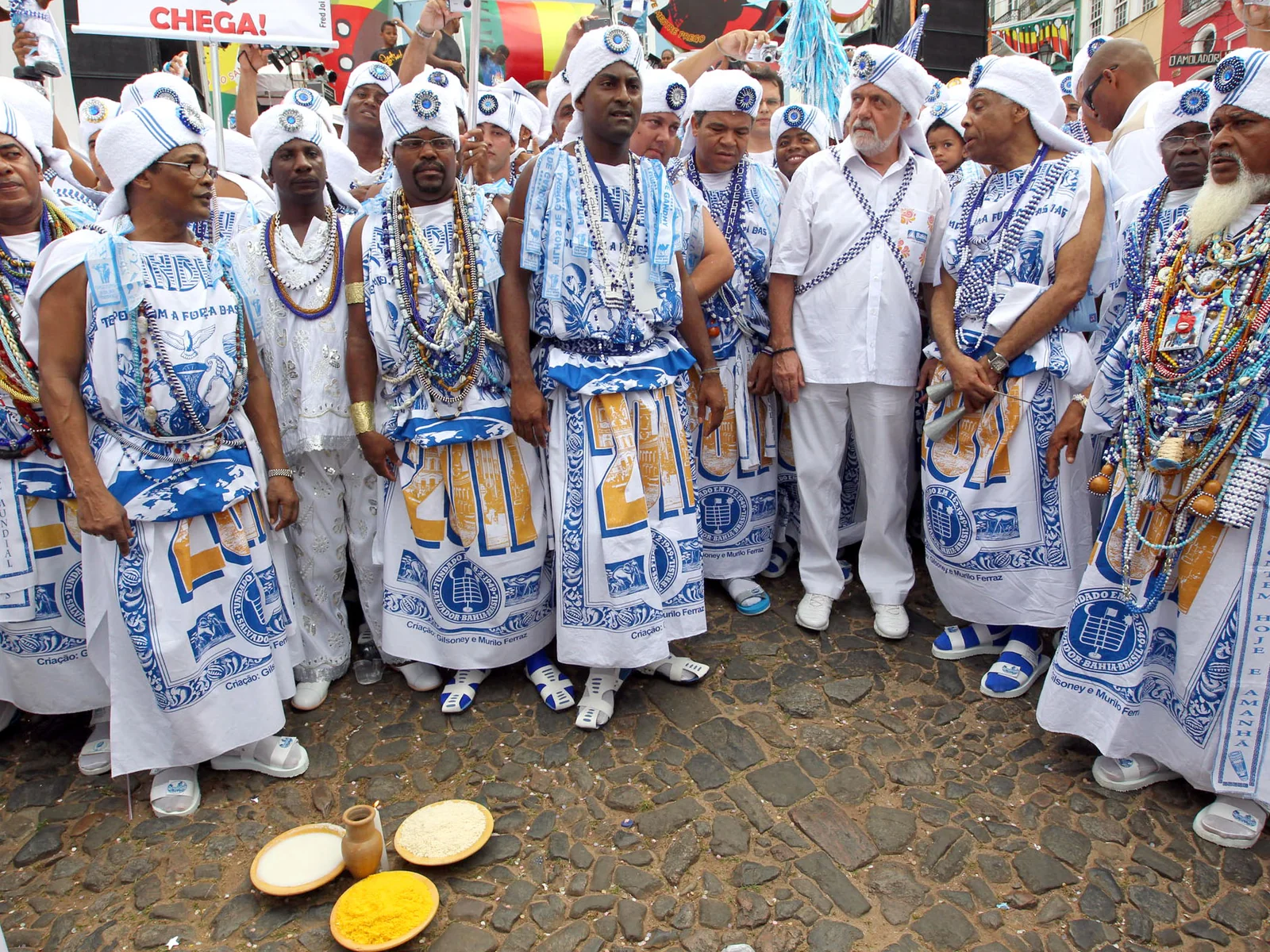
Circuito Osmar (Campo Grande) is the original: down Avenida Sete de Setembro toward the Praça Castro Alves, the same streets the fobica drove in 1950. It keeps the older ingredients of Bahian Carnival — the afoxés, the smaller blocos, the costumed processions Barra has mostly shed. The afoxé Filhos de Gandhy, founded by dock workers in 1949 and now thousands of men deep in white robes and blue-and-white beads, parades here twice in the week; watching that river of white come down the avenue is one of the sights of Brazil, and it costs nothing. In 2026 they formed up on Rua Chile at 3 pm on the Sunday and the Tuesday. The Osmar circuit starts about a twenty-minute walk from our door.
Circuito Batatinha (Pelourinho), named for the Bahian samba composer, is the counter-programme: no giant trios at all. In 2026 it ran about 150 attractions and more than 250 hours of music across six days, all of it free, on the squares of the historic centre — the Largo do Pelourinho, Tereza Batista and the Praça das Artes. Samba, afoxés, brass bands, reggae, children's balls in the afternoons. It is the traditional, human-scale, family end of Carnival, and if you're staying with us it is literally outside the front door.
Pipoca: the free way, and the trade-offs
The pipoca — "popcorn" — is everyone on the street who isn't wearing an abadá: the unticketed crowd that surges around and behind each trio. It costs nothing, needs no planning, and at its best is the purest version of the whole event — dancing among strangers while a truck the size of a building plays axé at you. Several headliners run trios sem corda, without ropes, for the pipoca — the biggest pulls of the week.
The trade-offs, flatly: you stand for hours, you cannot sit, the crush directly beside a trio is genuinely intense, and this is where nearly all of Carnival's theft happens. Pickpocket crews work moving crowds, and a phone held up to film a trio is the easiest thing to steal in Bahia. None of this should talk you out of the pipoca for at least one night — just do it with empty pockets and closed shoes, on a calmer day, at the edge of the crowd rather than its centre.
Abadá: buying your way inside the ropes
An abadá is a printed shirt that is also your ticket: wearing it puts you inside a bloco, the roped-off block of a few thousand people that moves down the circuit with a specific trio and artist. You trade money for space, a safety margin and the band you came for.
What it cost in 2026, to calibrate: entry-level blocos on the Campo Grande circuit sold Thursday abadás from R$ 100–200 (about US$ 20–40) — Reggae O Bloco, with the band Adão Negro, was the cheapest at R$ 100. At the top of the market, on Barra–Ondina, Ivete Sangalo's Bloco Coruja ran R$ 1,590–1,690 a day (just over US$ 300) and Bell Marques's Camaleão R$ 1,490–1,990 a day depending on the night, with VIP tiers above R$ 2,000. Multiply by two or three nights and the shirt can cost more than your flight.
Timing matters more than most guides admit. Sales for the following year open almost immediately: by August 2026, Central do Carnaval — the main official vendor — was already selling Camaleão abadás for February 2027. The famous blocos' best nights and VIP allocations sell out weeks to months ahead, and prices only move upward. If a specific artist is the reason you're coming, buy when your flights are booked, not when you land.
Camarote: the grandstand, for a price
A camarote is a fixed venue built over the circuit — nearly all of them along Barra–Ondina — with a view of the trios rolling past below and, depending on the tier, open bar, food, proper bathrooms, DJs and indoor stages of its own. It is Carnival with a floor to stand on and somewhere to put your drink — sensible for anyone who wants the spectacle without eight hours in a crowd.
The 2026 price spread was wide: simpler camarotes sold single nights from about R$ 220–300 (roughly €40–50), mid-tier operations like Camarote Planeta Band started at R$ 739, and the famous Camarote Salvador — where the inside line-up included Caetano Veloso, Olodum and Timbalada, plus a spa and salon — ran roughly R$ 2,600 to R$ 4,235 (about US$ 830) for a single night and up to R$ 18,000, about €3,000, for the full run. The honest caveat: a camarote keeps a railing between you and the very thing that makes this Carnival unlike any other. Do a night up there for the view; don't spend the whole week behind glass.
The neighbourhood alternative: rehearsals and the Curuzu
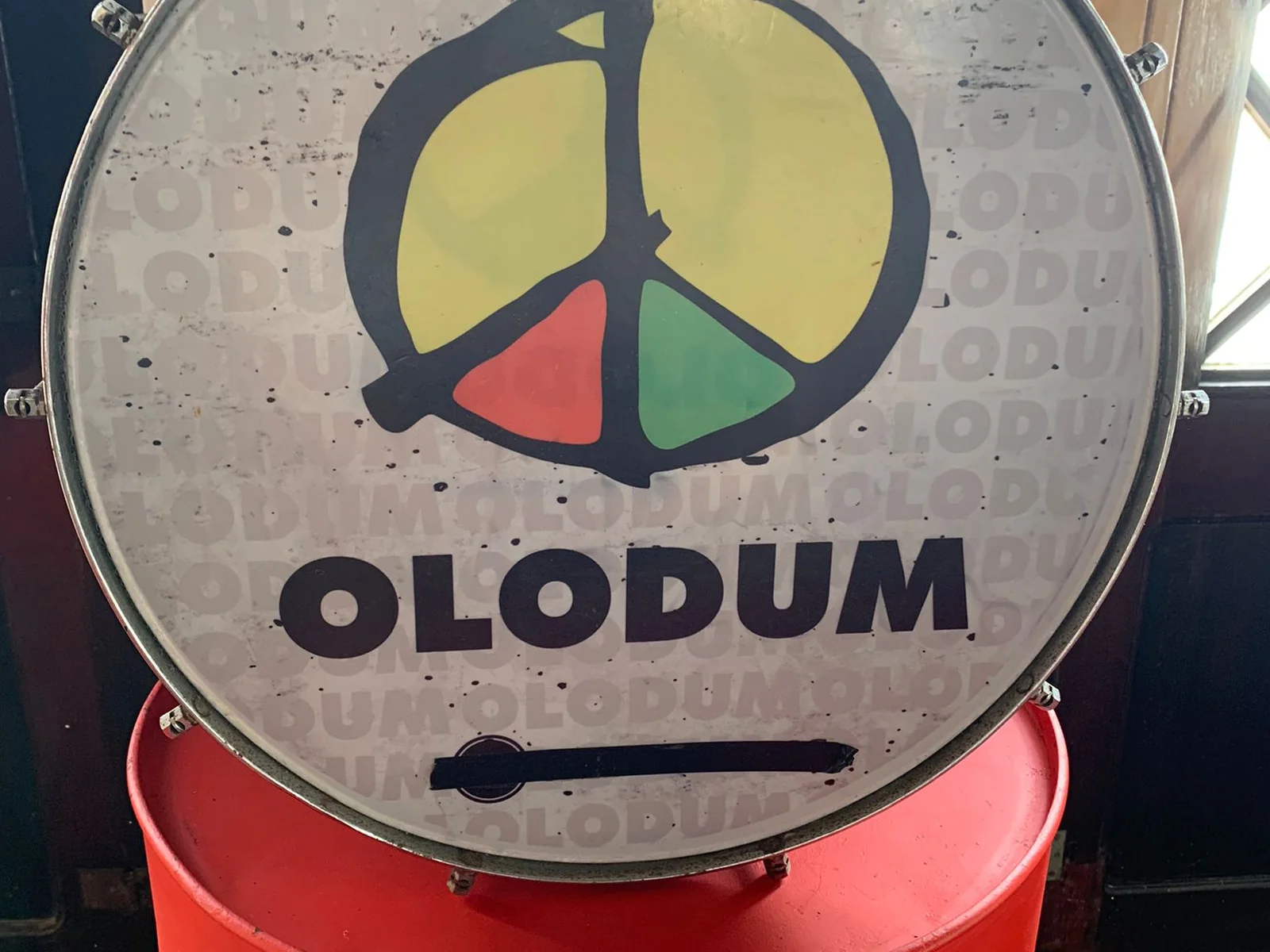
The fourth way is the one this Salvador Carnival guide would quietly pick for a first visit, and it starts weeks earlier. Through January, Olodum holds its summer rehearsals on Tuesday evenings from 7 pm at the Praça das Artes in the Pelourinho — a full-strength samba-reggae drum corps at close range, minutes from our suites. Timbalada runs its Sunday ensaios from 4 pm at Candyall Guetho Square in Candeal, roughly fortnightly from December to February, ticketed and worth the taxi. These are not warm-up acts; they are the same bands at full power.
And on the Saturday night of Carnival itself — 6 February in 2027 — the oldest bloco afro of them all, Ilê Aiyê, founded in 1974, makes its saída down the Ladeira do Curuzu in Liberdade. In 2026 it left the Ilê Axé Jitolu terreiro at 8 pm behind a ritual that scatters white corn, popcorn and pemba powder over the crowd for Oxalá and Obaluaê, then paraded downtown in the small hours. It is the most moving thing all week, far from any camarote. Take a taxi both ways, go respectfully, and you'll see why the group is called o Mais Belo dos Belos — the most beautiful of the beautiful. Our music, nightlife and Carnival guide covers what these groups do the rest of the year.
Booking Salvador Carnival 2027: the timeline
The official dates are 4–10 February 2027 — seven days, one more than the classic six, running right through Ash Wednesday. Work backwards from them:
- Now — the bed. Carnival 2026 filled 95% of the city's hotel rooms, 100% on the circuits. Dorm beds started around R$ 120 a night, plain hotel rooms at R$ 600 (about €100), whole-apartment listings reached R$ 42,000 for six nights, and average hotel rates were already just under R$ 900 in January. Book the moment your dates firm up.
- With the flights — the abadás. Sales for 2027 were live by mid-2026; the big names' best nights go first, and nothing gets cheaper by waiting.
- A few weeks out — the camarotes. Single nights at mid-tier camarotes hold availability longer, and late deals exist in a way abadás rarely allow.
- On the ground — nothing. The pipoca, the Batatinha circuit and the rehearsal calendar need no tickets at all.
If the dates or the density put you off, February is not the only answer: the festive season really runs from early December to Iemanjá on 2 February, and our Bahia festival calendar and best time to visit guides map the calmer routes through it.
Survival rules, learned the sweaty way
- Closed shoes, always. Trainers, not sandals. A crowd this size will stand on your feet repeatedly, and the tarmac collects glass. (Our packing list has the full kit.)
- Empty pockets. Nothing you'd mourn. A little cash split between front pockets or a zipped pouch under the shirt; cards and documents stay in the suite safe. PIX covers the street vendors anyway.
- Solve the phone problem before you leave the house. Bahia logs more than 54,000 phone thefts a year even after a recent drop, and the raised, filming phone is Carnival's signature crime. Take a cheap spare, or keep the real one zipped away and film less.
- Agree a meeting point and a time. With a couple of million people on the same cells, the network buckles exactly when you need it. Pick a corner, name an hour, treat it as binding.
- Water, constantly. It is February, it is over 30 °C, and you will dance more than you think. Vendors sell chilled water every ten metres for a few reais.
- Earplugs. This sounds like a joke until your third consecutive night fifty metres from a sound system built to be heard over two million people. The musicians wear in-ears. Draw your own conclusion.
For the wider picture — neighbourhoods, precautions, what the statistics really say — our is Salvador safe guide covers the city year-round.
The family days and the quiet days
Salvador's Carnival has a volume knob. The Batatinha circuit is the family setting: free, trio-less, daytime-friendly, with children's balls and samba in the squares — in the Pelourinho's pedestrian streets, not on a six-lane avenue. The pre-Carnival Fuzuê was built as the family day, brass bands and folklore groups in daylight. Within the week, Thursday and Friday are the gentler official days: smaller crowds, the R$ 100–200 abadás, more locals, less celebrity. The crescendo comes Saturday to Tuesday on Barra–Ondina, and the 2027 calendar officially runs through Ash Wednesday, 10 February, when a closing arrastão traditionally sweeps the seafront one last time.
One decision quietly shapes all the others: where you sleep. On the Barra–Ondina seafront you live inside the party, with everything that means at 4 am. Up in the Cidade Alta the Batatinha is at your door, Campo Grande is a downhill walk, and a heavy colonial door closes between you and the sound systems when you're done. That balance — in the party by day, out of it by night — is where our suites sit, and in Carnival week they book up further ahead than any abadá. If February 2027 is the plan, the bed is the first ticket to buy.
Salvador, in images
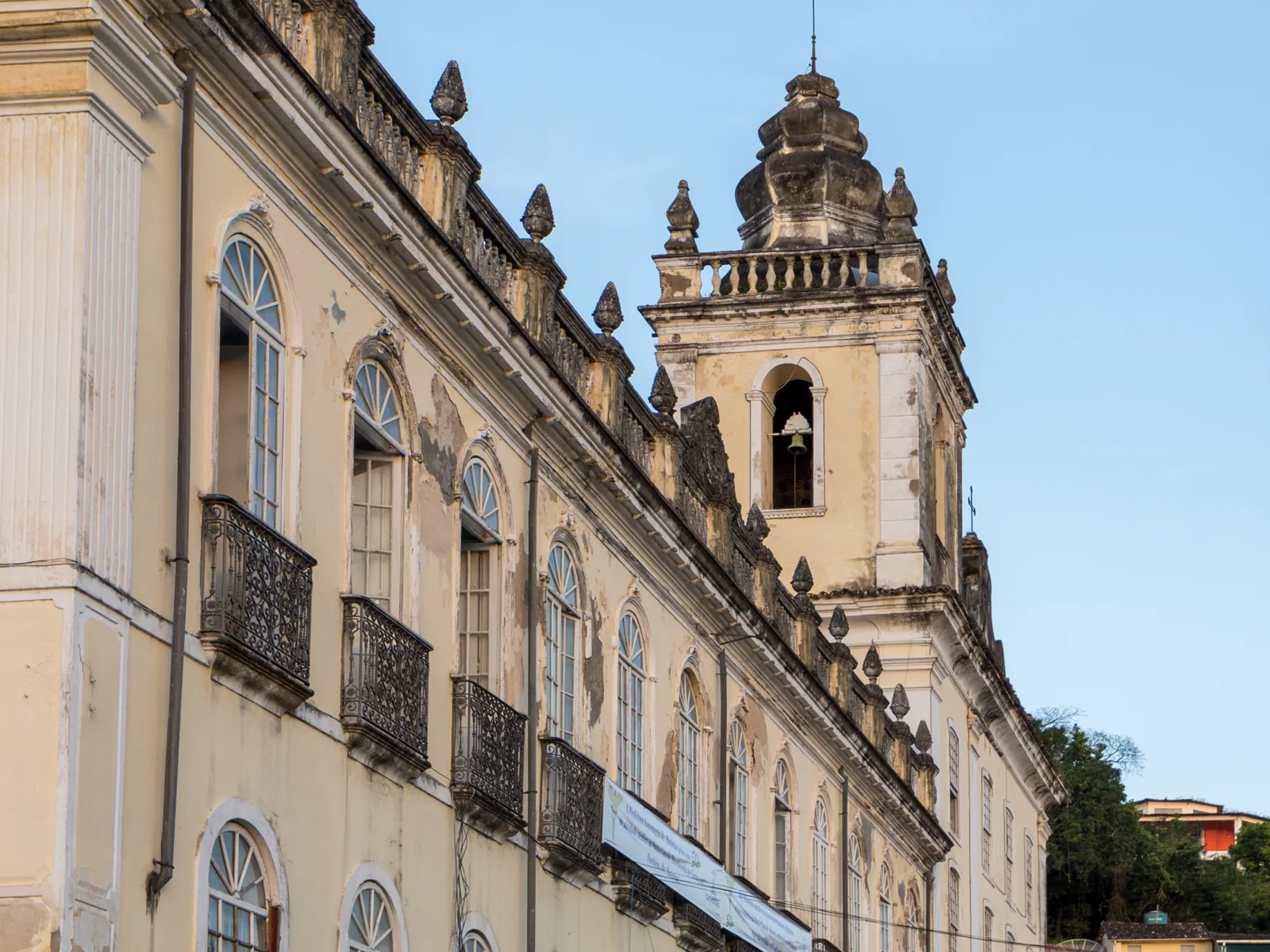
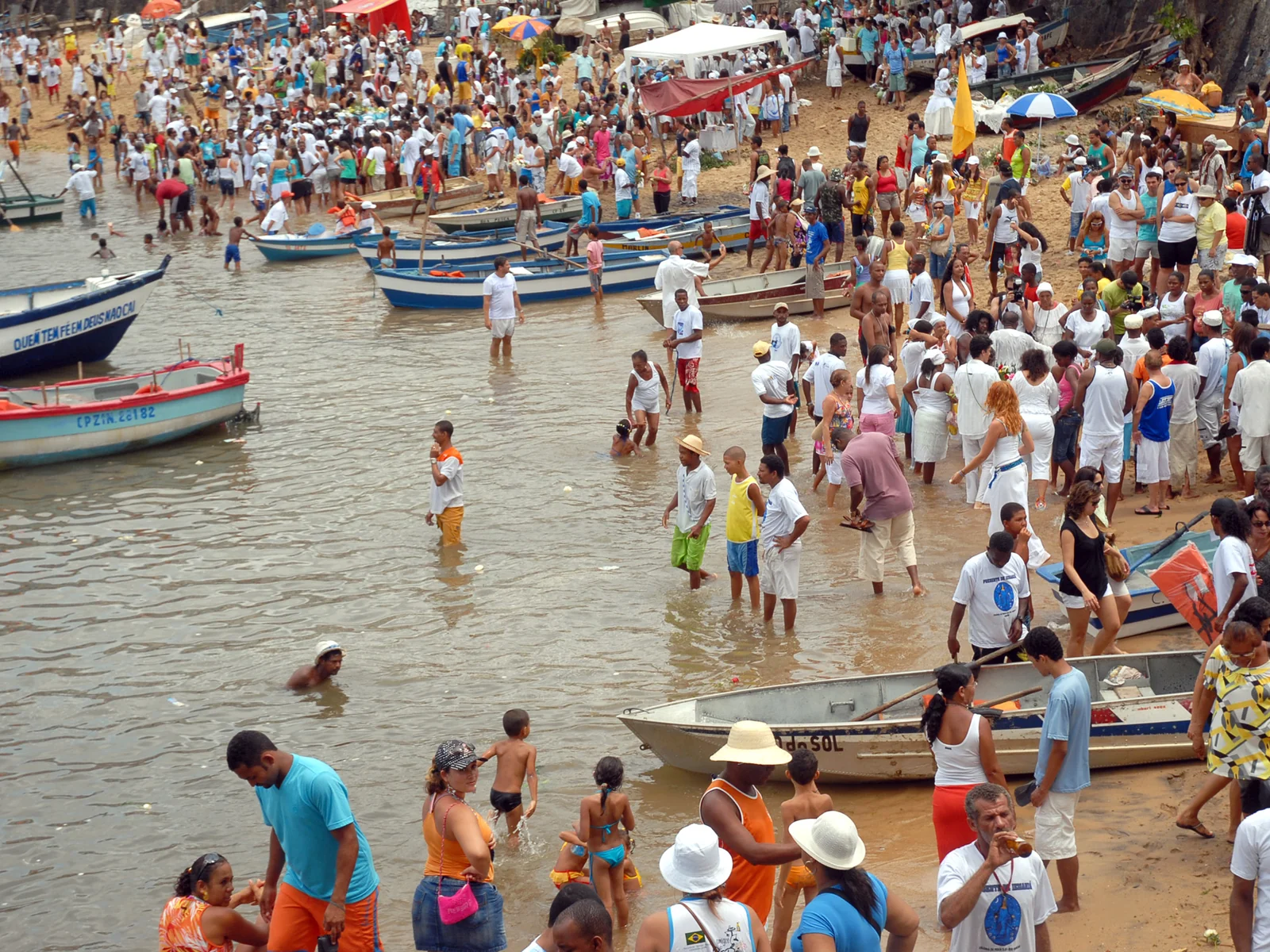
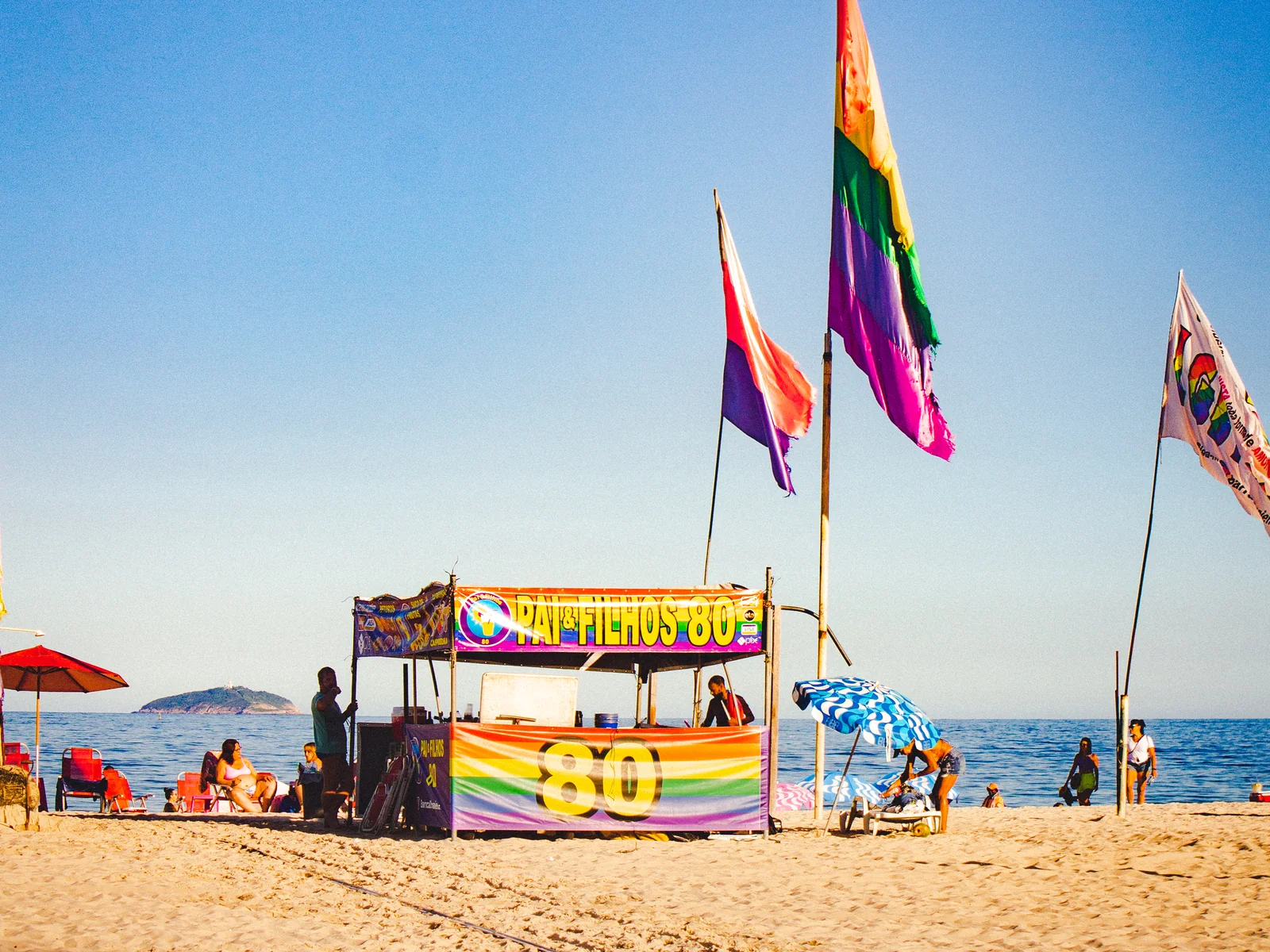
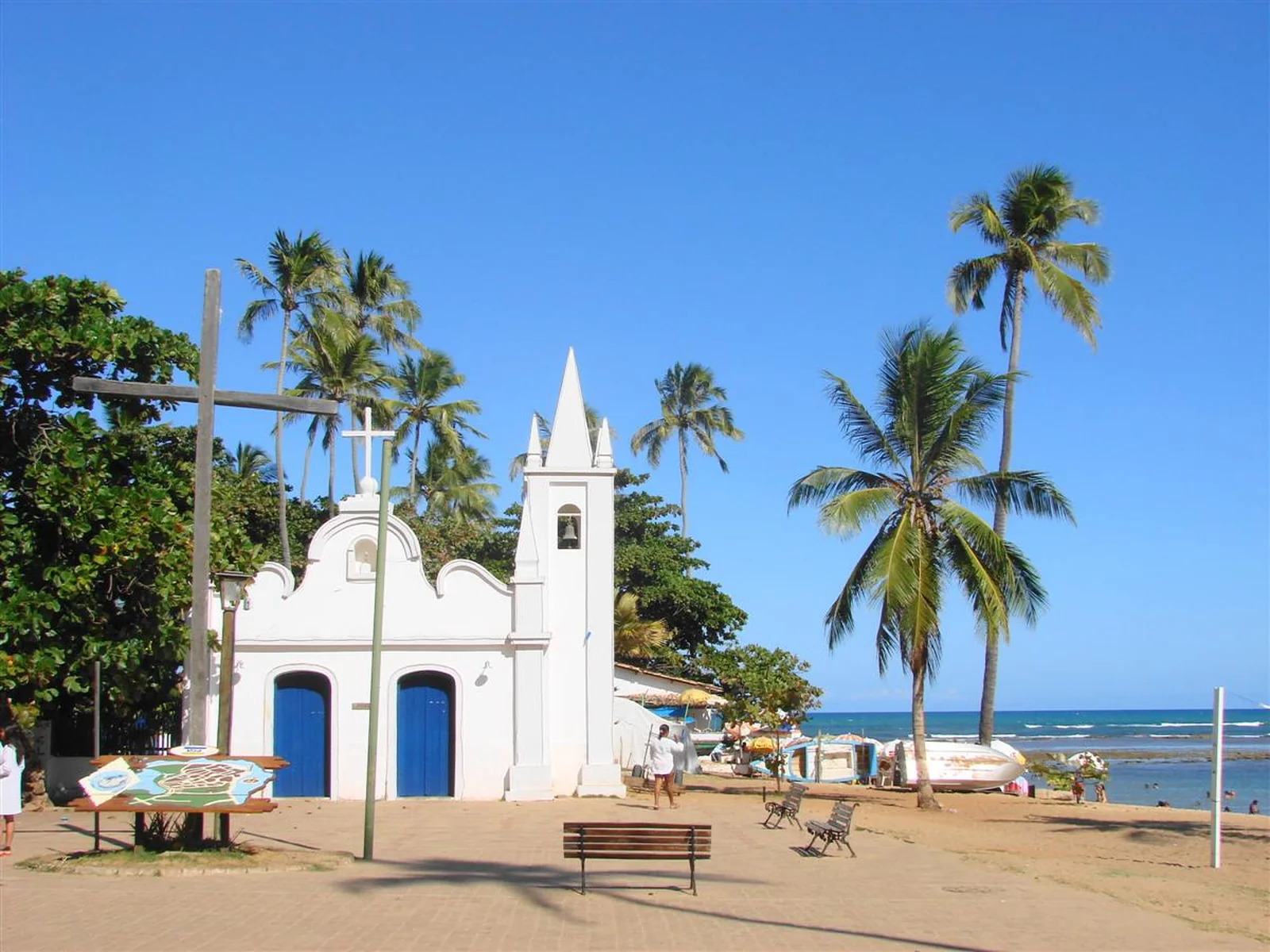
Photographs of the neighborhood, restaurant, and beach featured in this guide, with credit to each photographer.

Ready to discover Salvador?
Book one of the four Via Avantgarde suites in the Pelourinho — and receive the complete guides with recommendations for your stay.