Boat Trips on the Bay of All Saints the classic schooner and the cheap crossings
Bay of All Saints boat trip from Salvador: the classic Frades and Itaparica schooner, the cheap Mar Grande lancha and São Joaquim ferry, plus 2026 times and prices.
The essentials in 30 seconds
A Bay of All Saints boat trip is the quickest way to grasp why Salvador exists at all — the city was built to face this water, not the open ocean. The classic day out is the schooner from the Terminal Náutico: off the quay around 8 am, roughly two and a half hours each on Ilha dos Frades and Itaparica, back between 5 and 6 pm, for R$ 110–160 (about US$ 22–31) plus lunch and a R$ 25–35 landing fee. The DIY versions cost next to nothing — the lancha to Mar Grande is a 50-minute crossing for R$ 10.50, and the São Joaquim car ferry carries foot passengers for R$ 7.20. Summer mornings are glassy; the April-to-July rains bring chop and cancellations; humpbacks pass the outer bay from July to October.
The bay, and four ways out on it
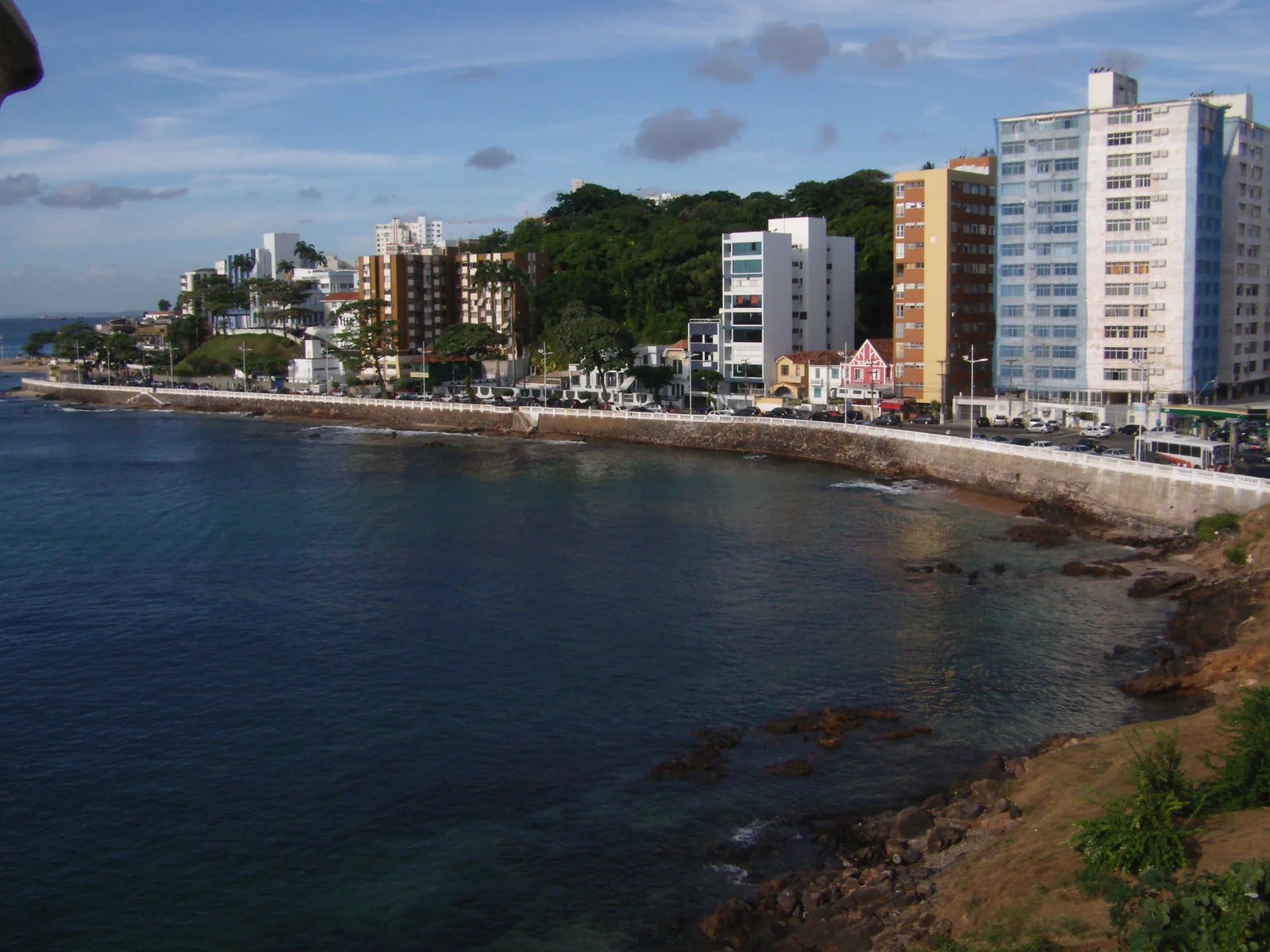
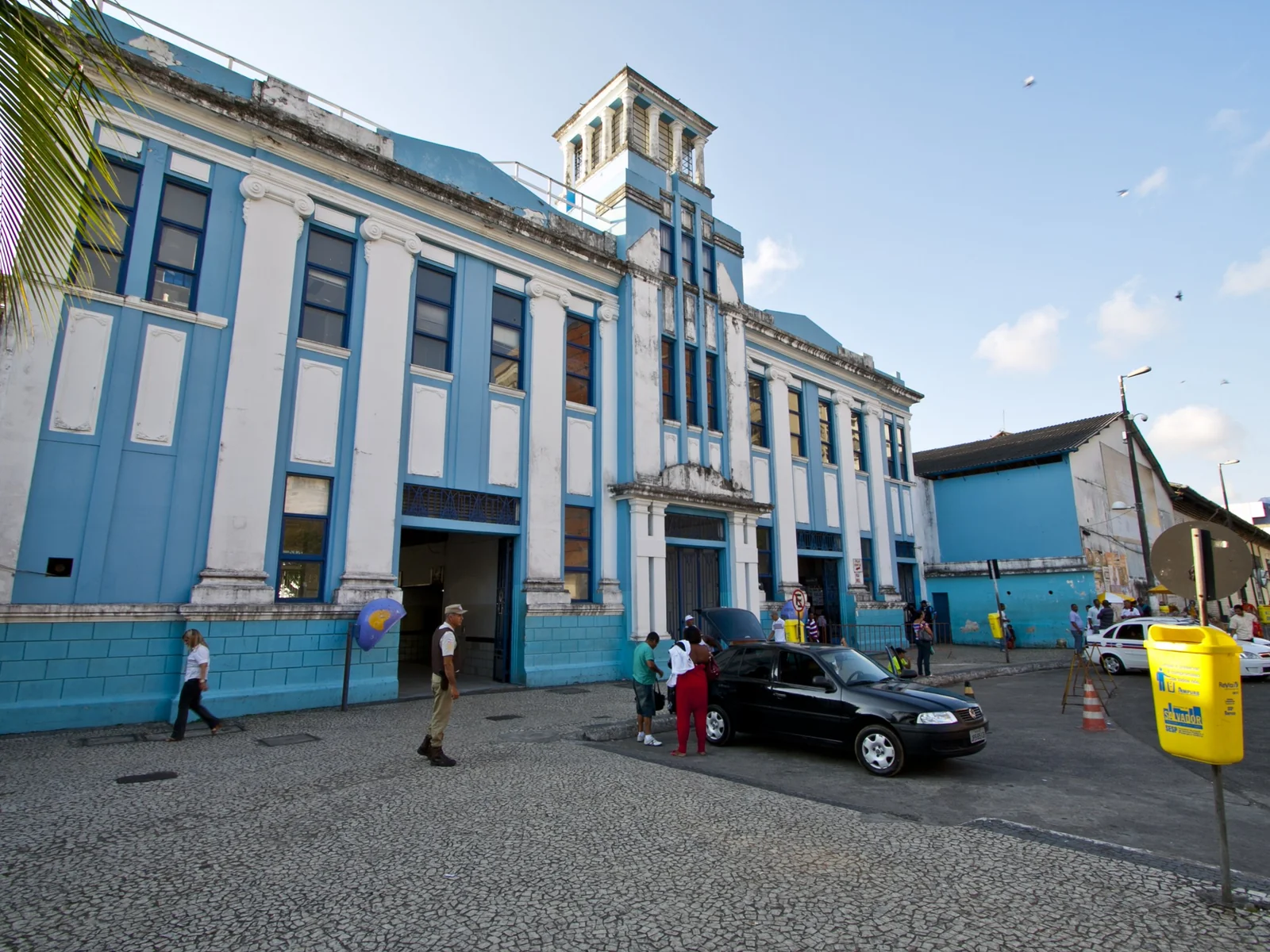
The Baía de Todos os Santos took its name on All Saints' Day 1501, when a Portuguese expedition sailed into what turned out to be Brazil's largest bay — more than 1,000 square kilometres of sheltered water holding some fifty islands. You already look at the Bay of All Saints every day you spend in the Cidade Alta; a boat trip is how you actually meet it. The logistics are compact: the tourist schooners and the little Mar Grande passenger boats share the Terminal Náutico beside the Mercado Modelo, directly below the Elevador Lacerda; the big car ferry leaves from São Joaquim, a short ride north along the shore; and the charter lanchas work out of the marinas on the Contorno. At mid-2026 prices, the menu looks like this:
| Option | Price per person | What you get |
|---|---|---|
| Schooner day, two islands | R$ 110–160, plus fees and lunch | Roughly 8 am to 5.30 pm, two swim stops, band on deck |
| Lancha to Mar Grande | R$ 10.50 out, R$ 8.60 back (weekdays) | 50-minute crossing, boats every half hour |
| São Joaquim car ferry | R$ 7.20 on foot (weekdays) | 60–80 minutes across the widest stretch of the bay |
| Private lancha for up to ten | From about R$ 2,500 a day, split it | Your route, your clock, Frades in under an hour |
The classic Bay of All Saints boat trip: the schooner day
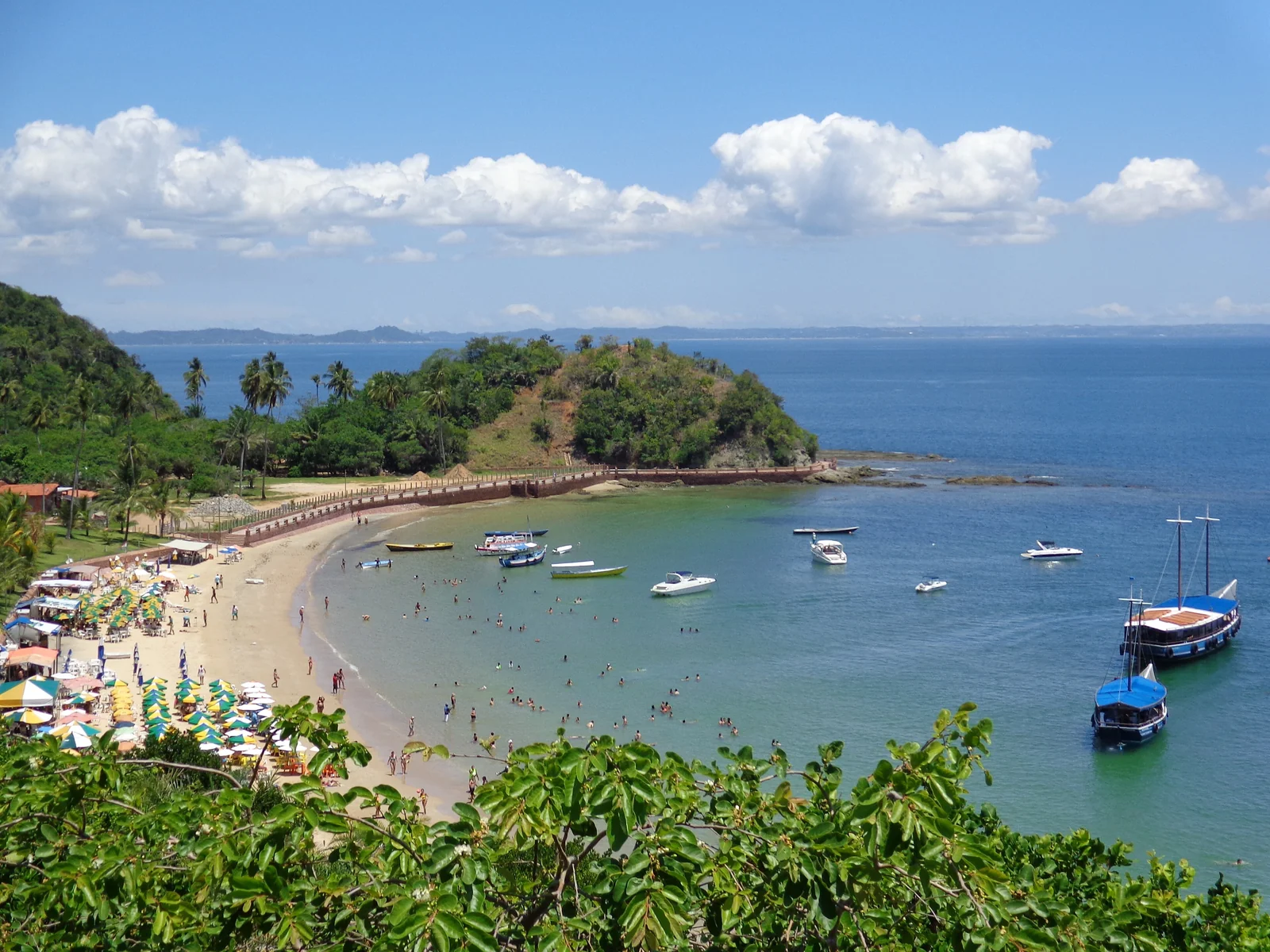
Every operator on the quay sells a version of the same day, and it runs to the same clock: boarding from about half an hour before departure, off the quay between 8 and 9 in the morning, tied up again between 5 and 6. The morning leg is an hour and forty minutes up the bay to Ilha dos Frades, where the boats anchor off Ponta de Nossa Senhora — a beach that flies a Blue Flag, the first in Brazil's north-east to earn one, and lately ranked top of an international list of certified beaches. Swim, then do the ten-minute climb to the seventeenth-century chapel of Nossa Senhora de Guadalupe on the point above the anchorage; the view back over the moored schooners is the photograph of the day. You get about two and a half hours before the whistle.
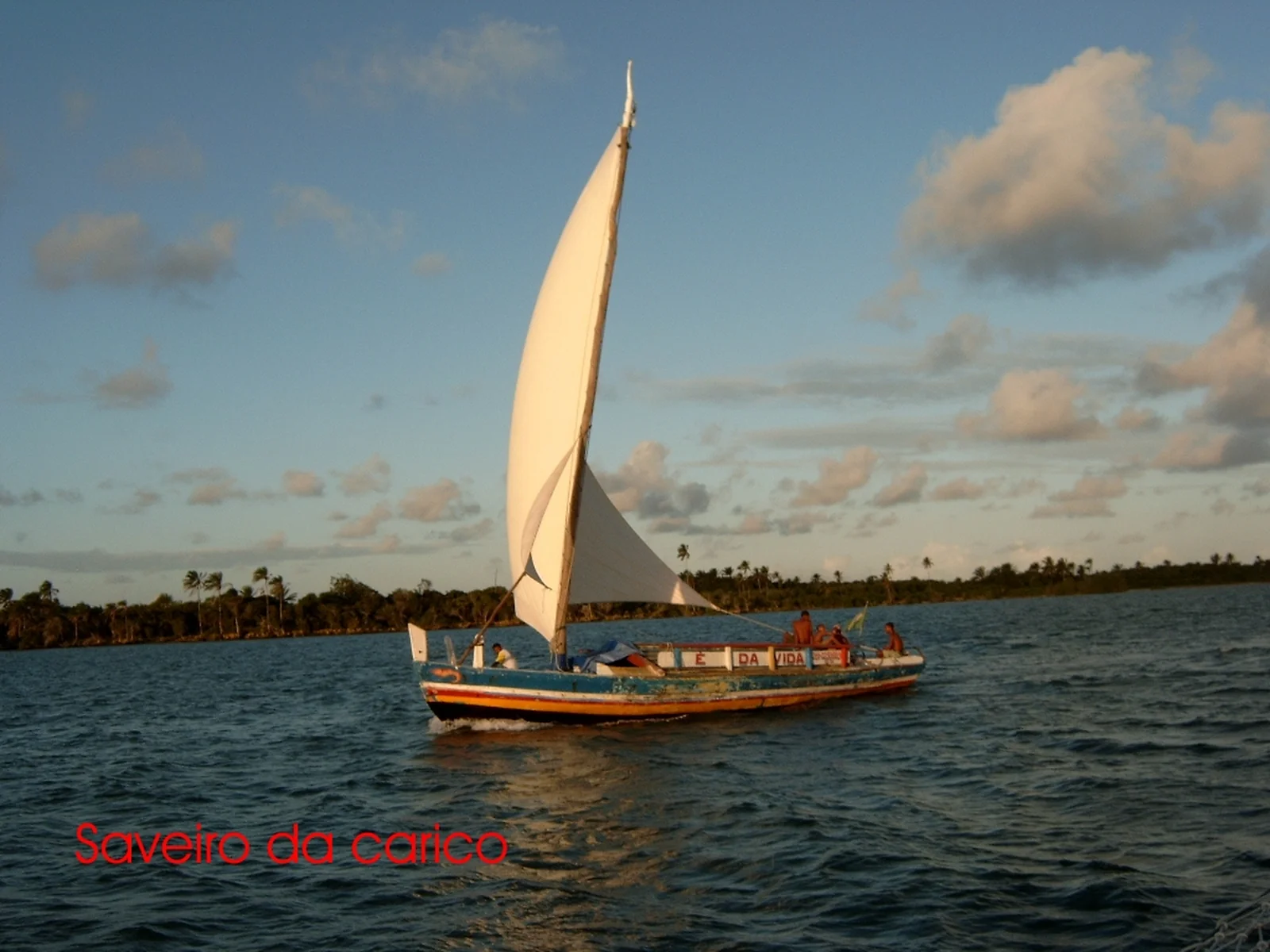
The afternoon block is Itaparica: another two and a half hours around the old town — lunch, then a walk past the colonial houses and the Fonte da Bica mineral fountain — before the long run home. On board, the culture is half the attraction: a samba band, a mid-morning round of fruit, a bar working the caipirinha trade, and a return leg on which most of the boat is dancing. Decide honestly whether that is your kind of day, because there is no getting off. We run our own boats on this water: the classic Frades and Itaparica schooner day, and an Ilha dos Frades schooner that trades the second island for one long, unhurried beach afternoon — the better buy if swimming matters more to you than ticking off both stops.
What the ticket covers — and the extras that are not optional
The spread between R$ 110 and R$ 160 is mostly about what is folded in. The ticket buys the boat, the band, the fruit round and usually the terminal boarding fee — some operators charge that separately at the gate — and hotel pickup adds about R$ 20 where it exists. Three costs are always yours:
- The island fee — R$ 25–35 a head at Ilha dos Frades (about US$ 5–7), cash, collected as you land. It funds the upkeep that keeps the Blue Flag flying, and nobody is exempt.
- Lunch — the Itaparica stop is organised around beach restaurants that know you have ninety minutes and nowhere else to go. The moquecas are decent; the prices are captive-audience prices.
- The bar — drinks on deck run on a tab, and caipirinhas have a way of multiplying between swim stops.
The lancha to Mar Grande: the DIY half-day
From the same Terminal Náutico, small passenger boats cross to Mar Grande on Itaparica island every half hour through most of the day — about 50 minutes on the water for R$ 10.50 on weekdays and R$ 13.50 on Sundays and holidays, a couple of reais less coming back. Since 2026, the holiday tariff also applies on Carnival Tuesday and on São João. There is no band and no fruit round; there are commuters, coolboxes and the same bay for a tenth of the schooner's price. The move is simple: cross mid-morning, spend the middle of the day on the calm bay-side beaches, eat somewhere unhurried, and take a boat back — the last departures run to about 7 pm, earlier when the weather turns. What to do with those hours, beach by beach, is in our Itaparica island guide.
The São Joaquim ferry: the budget cruise
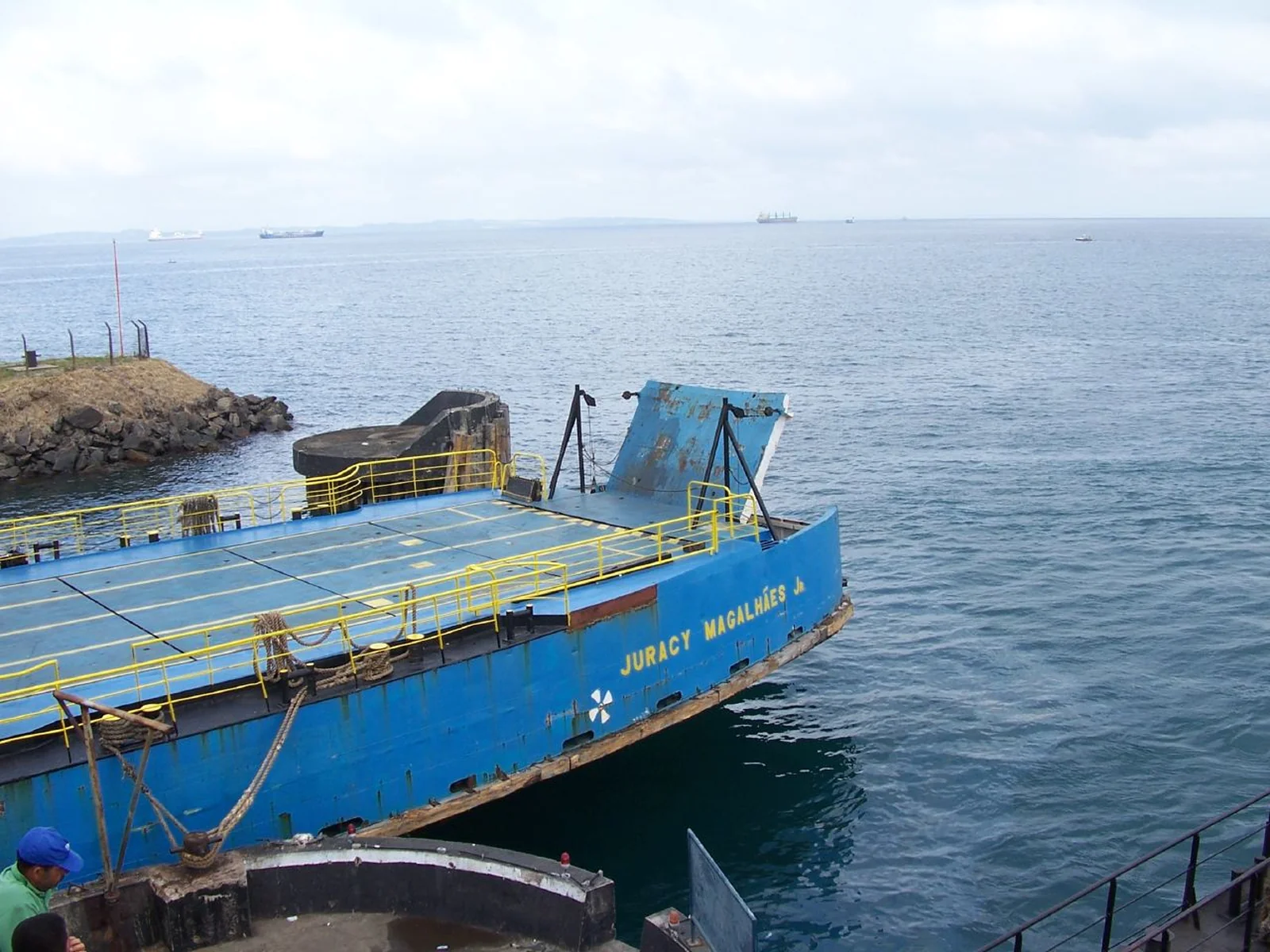
The car ferry from São Joaquim — the terminal sits beside the market of the same name, a short taxi north of the centre — is transport rather than tourism, which is exactly the appeal. Boats leave hourly from 5 am (6 am on Sundays) until 11.30 pm and take 60 to 80 minutes to Bom Despacho depending on the sea; a foot passenger pays R$ 7.20 on weekdays and R$ 9.50 on weekends and holidays under the fare table in force since March 2026, and a small car crosses for R$ 64.70 if you have rented one. Stand at the rail on the open deck and you get the full profile of the upper city on its ridge, the Bonfim church white on its peninsula, tankers, islands and an hour of wind. Nobody will call it romantic. It is, slightly.
Private lanchas and the sunset run
For a group, a charter beats the schooner on arithmetic alone. On the 2026 charter marketplaces, a 24-foot lancha out of Bahia Marina runs around R$ 2,500 (about US$ 490) for an eight-hour day and carries up to ten people — call it R$ 250–310 a head once split — with 26-footers listed at R$ 3,500–4,500. Forty to sixty minutes puts you off Frades before the schooner fleet arrives, and the rest of the day answers to your clock rather than a whistle. The other charter worth knowing is the short one: Salvador's bay shore faces west, so a late-afternoon hour on the water — even the humble Mar Grande lancha, timed right — puts the sun down behind Itaparica with the city lighting up at your back. The dry-land alternatives are in our Salvador sunset spots guide.
Sea state, seasons — and whales
The bay is sheltered water, but it keeps moods. In high summer, December to March, mornings are routinely glassy and the schooner day is at its best before noon. The April-to-July rainy season is another animal: grey fronts, a short hard chop that flat-bottomed tour boats feel more than you would expect, and genuine cancellations when the port authority closes the crossing. Operators are practised about it — the norm is a message the evening before and a rebooking or a refund — and the small lanchas stop sailing before the big São Joaquim ferry does. From July to October, humpback whales work the outer approaches of the bay on their coastal migration; crews will point one out if a blow shows, but treat it as a bonus, not a promise. One scale note: the catamaran to Morro de São Paulo leaves the bay entirely and crosses open Atlantic — a longer, rougher ride than any boat trip on this page.
What to bring
Less than you think, but the right things:
- Cash, in small notes — the island fee is collected in cash as you land, and the beach vendors deal in notes, not card signal.
- Reef shoes — the prettiest swim stops have rocky edges with the odd urchin, and tender landings mean wading.
- A dry bag — phones and boat landings are natural enemies. Leave the passport at the suite; a photo of it on your phone is enough for the day.
- Real sun cover — hat, shirt, factor 50. Canopy shade on a full schooner is contested territory by 10 am, and the tropical glare doubles off the water.
- Motion-sickness tablets in winter — for the return leg, when the afternoon wind stacks the chop against you.
The quiet advantage of the boat day belongs to anyone sleeping in the Cidade Alta: the Terminal Náutico sits at the foot of the bluff, so an 8 am departure means walking out with a coffee at 7.30 and riding the Elevador Lacerda down while the beach-district crowd is still stuck in the pickup van. Our four suites are at the top of that lift — on schooner morning, that is the whole commute.
Salvador, in images
Photographs of the neighborhood, restaurant, and beach featured in this guide, with credit to each photographer.

Ready to discover Salvador?
Book one of the four Via Avantgarde suites in the Pelourinho — and receive the complete guides with recommendations for your stay.