Solo Travel in Salvador with a section for women
Solo travel in Salvador, Brazil: the risk picture, the rules that work, neighbourhoods by day and after dark, and a section for women going alone.
The essentials in 30 seconds
Solo travel in Salvador, Brazil works far better than the crime statistics suggest — this is a talkative, sociable city with a walkable historic centre and ready-made company on day-schooners, capoeira classes and walking tours. The genuine risk is phone-snatching, not violence, and it shrinks to almost nothing with a few unglamorous habits: carry nothing you can’t afford to lose, ride an Uber after dark, stay where the people are. Women travelling alone generally report less hassle than the city’s reputation promises — the specifics, from catcalling to drink-watching, are below. Base yourself in the Cidade Alta and the sociable part starts at your door.
Why Salvador rewards the solo traveller
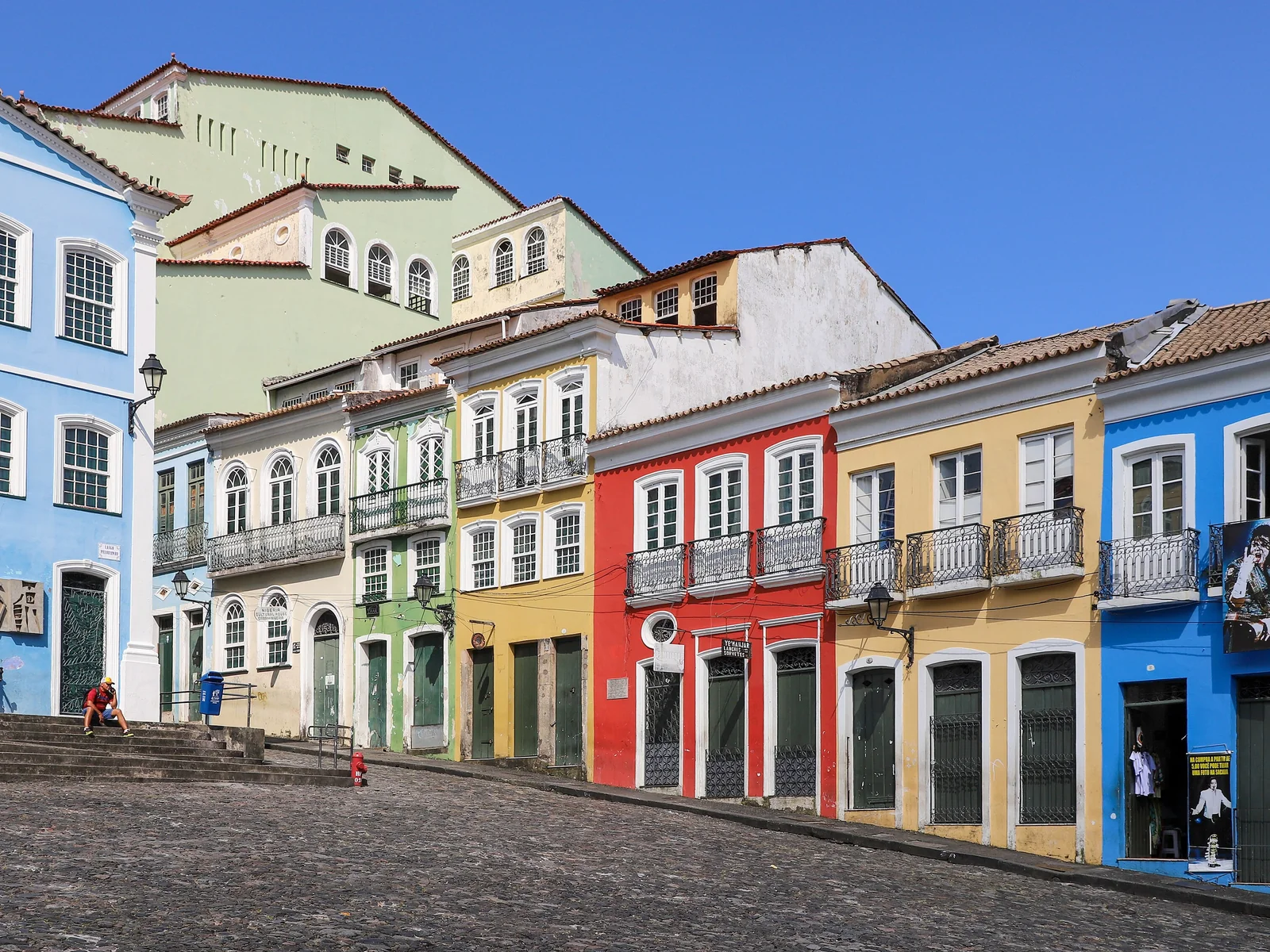
Salvador is one of the easiest cities in Brazil to travel solo, because alone rarely lasts past the first afternoon. Bahians talk to strangers as a default setting — at the acarajé tray, in the juice-bar queue, on the bench beside you at the Terreiro de Jesus. Most of it is plain curiosity about where you’re from, and none of it obliges you to anything. A solo table, a solo beach chair, a solo seat on the ferry: all completely unremarkable here.
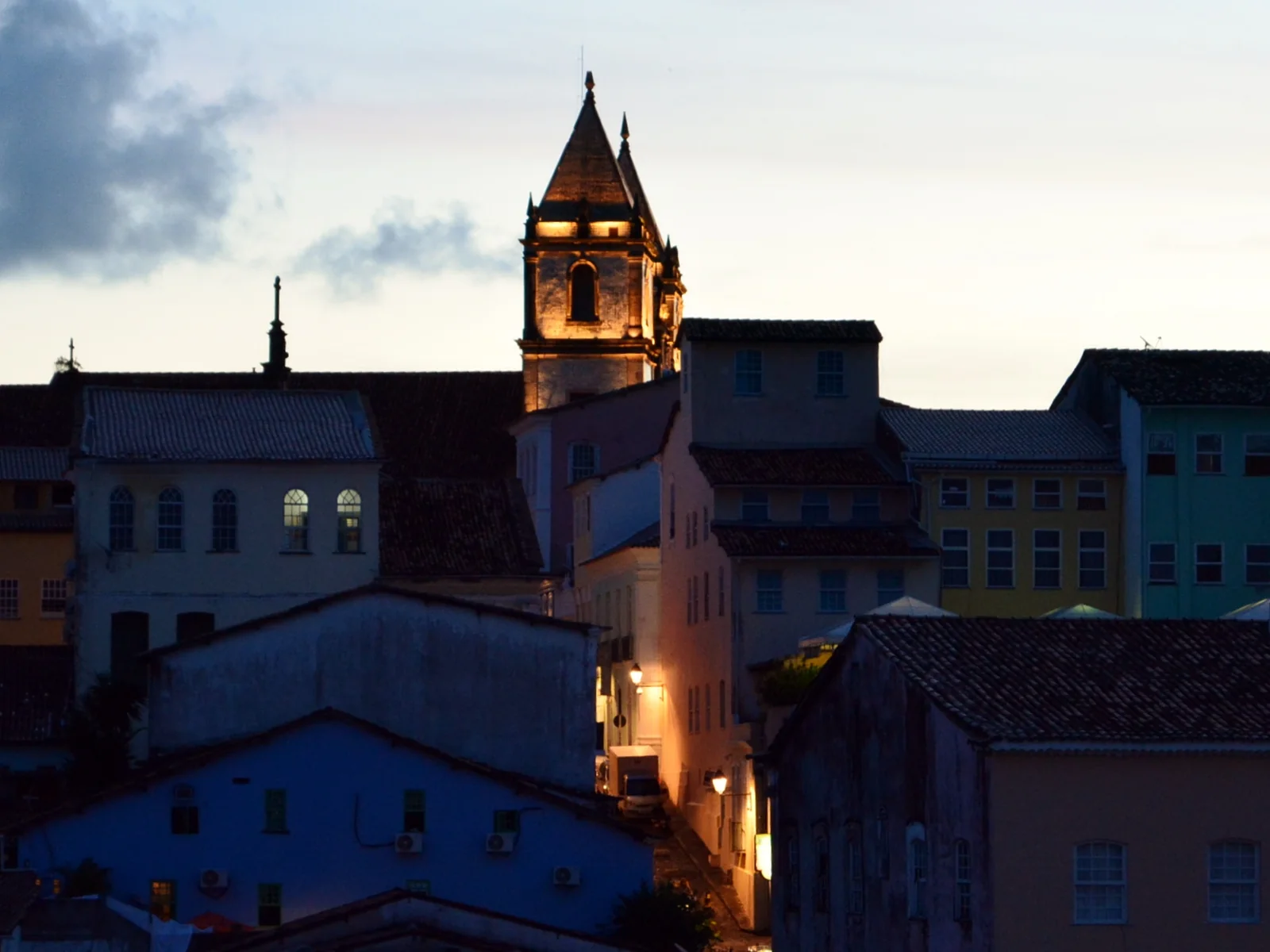
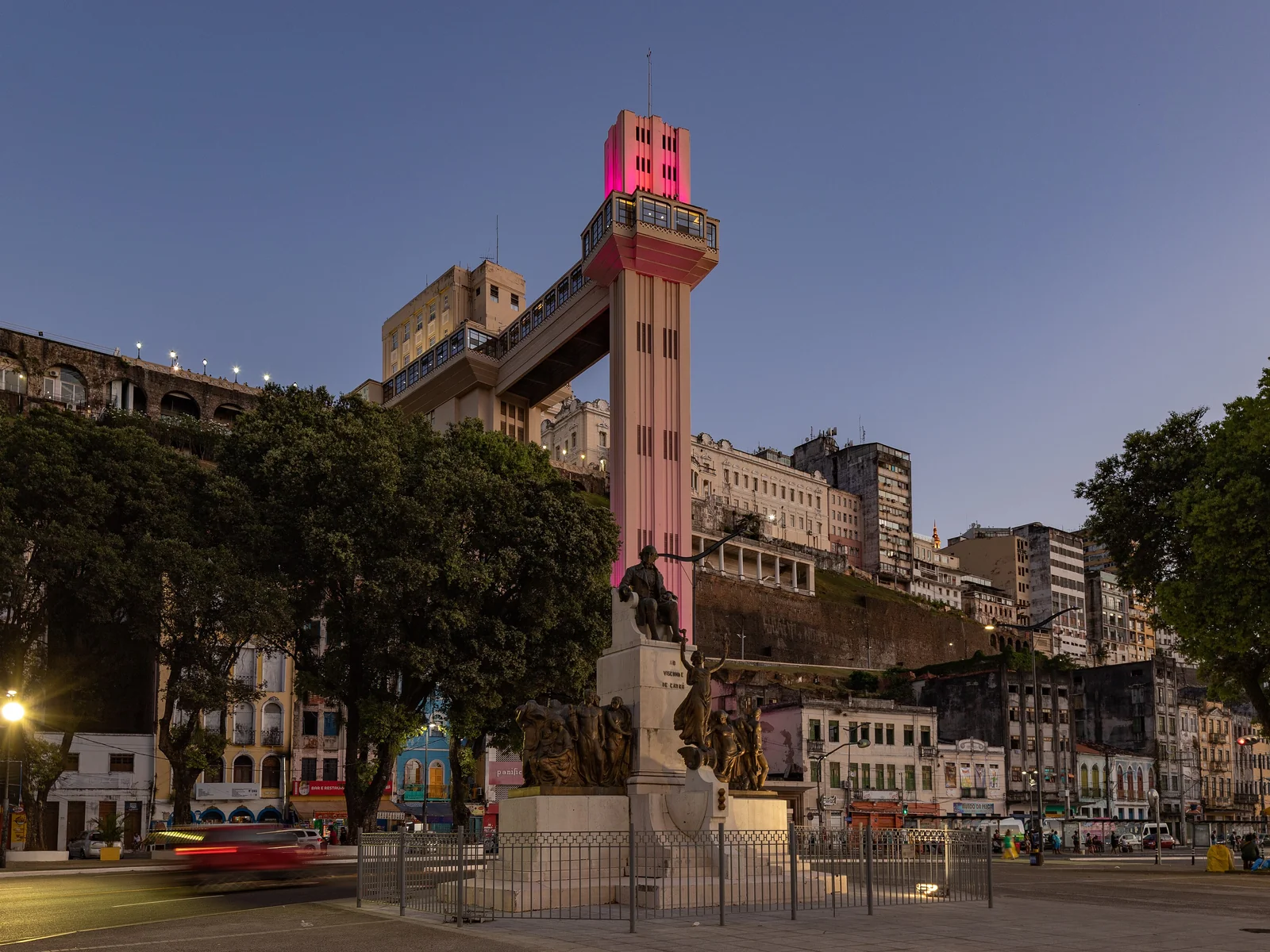
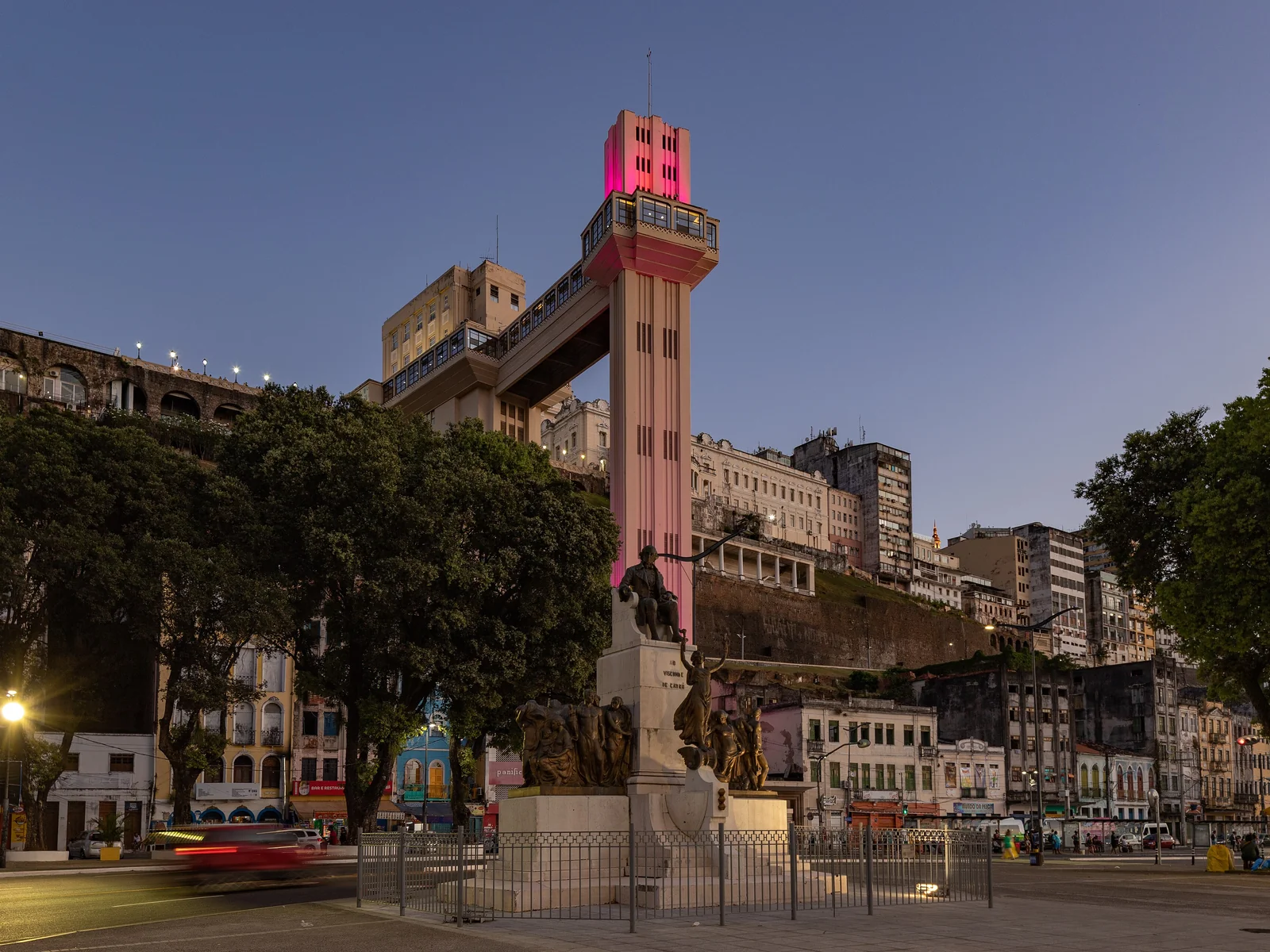
The geography does its part. Stay in the Cidade Alta and the whole historic centre is a ten-minute walk in any direction — the squares, the churches, the bluff-top view over the Baía de Todos os Santos, the Elevador Lacerda dropping 72 metres to the lower city in about thirty seconds, as it has since 1873. There is no metro map to decode and no long solo commute at the end of the night. And when you want company with a shape to it, Salvador sells it cheaply: a schooner day on the bay, a beginner’s capoeira class, a walking tour of the old town. Each one is effectively a room full of people who also came alone.
The risk picture
Two things are true at once, and you need both halves. Salvador’s crime statistics are genuinely bad: research reported in late 2025 put its rate of lethal violence at the top of Brazil’s state capitals, and the Instituto Fogo Cruzado counted hundreds of violent deaths across the metro area that year. But the map matters more than the number. Those deaths concentrate overwhelmingly in peripheral districts — Fazenda Coutos, Lobato, Águas Claras — far from the coast and the centre, on no tourist route, past nothing a visitor would ever walk to. The US State Department keeps the whole of Brazil at Level 2, “exercise increased caution” — the same bracket as most of Western Europe.
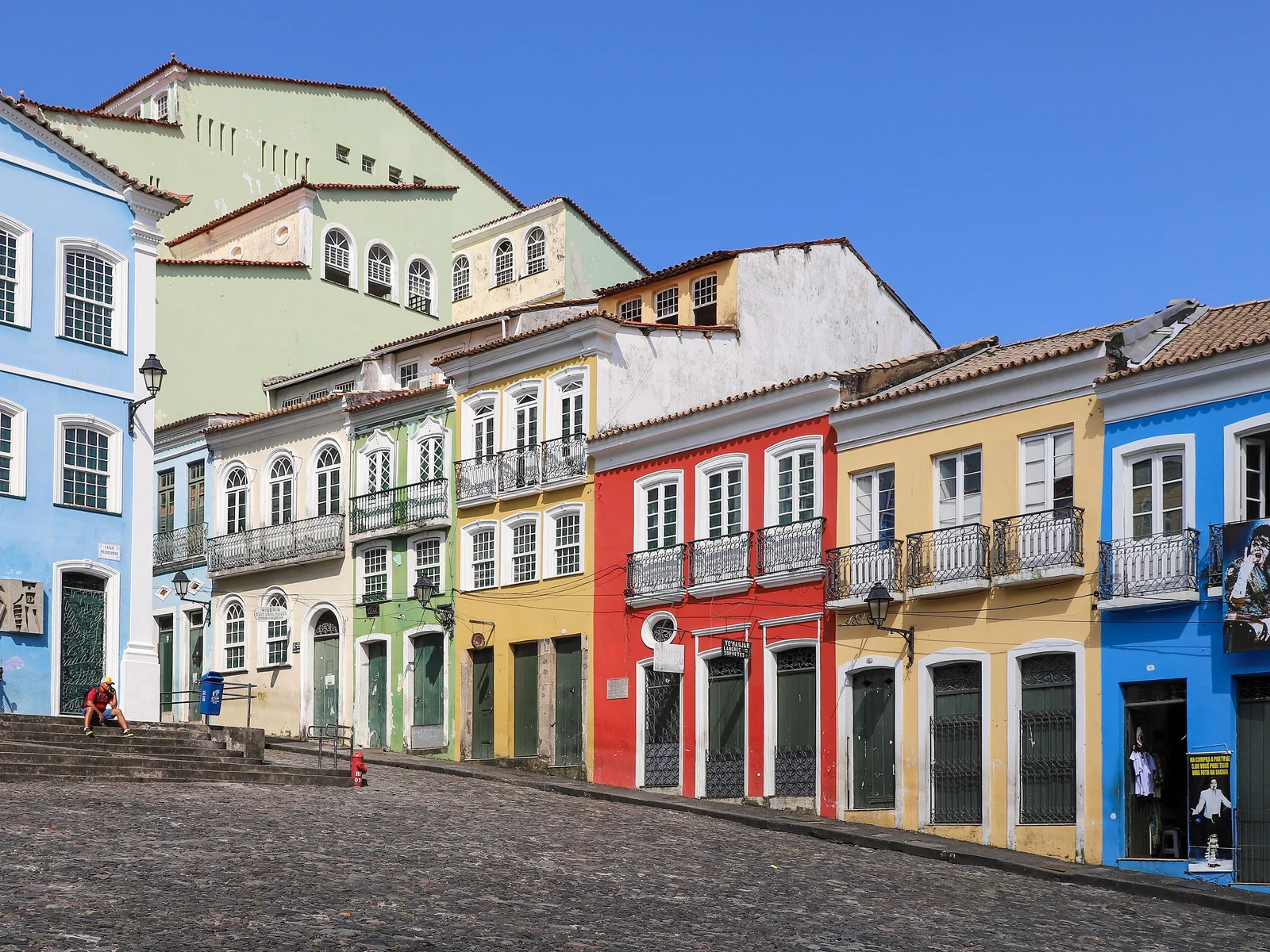
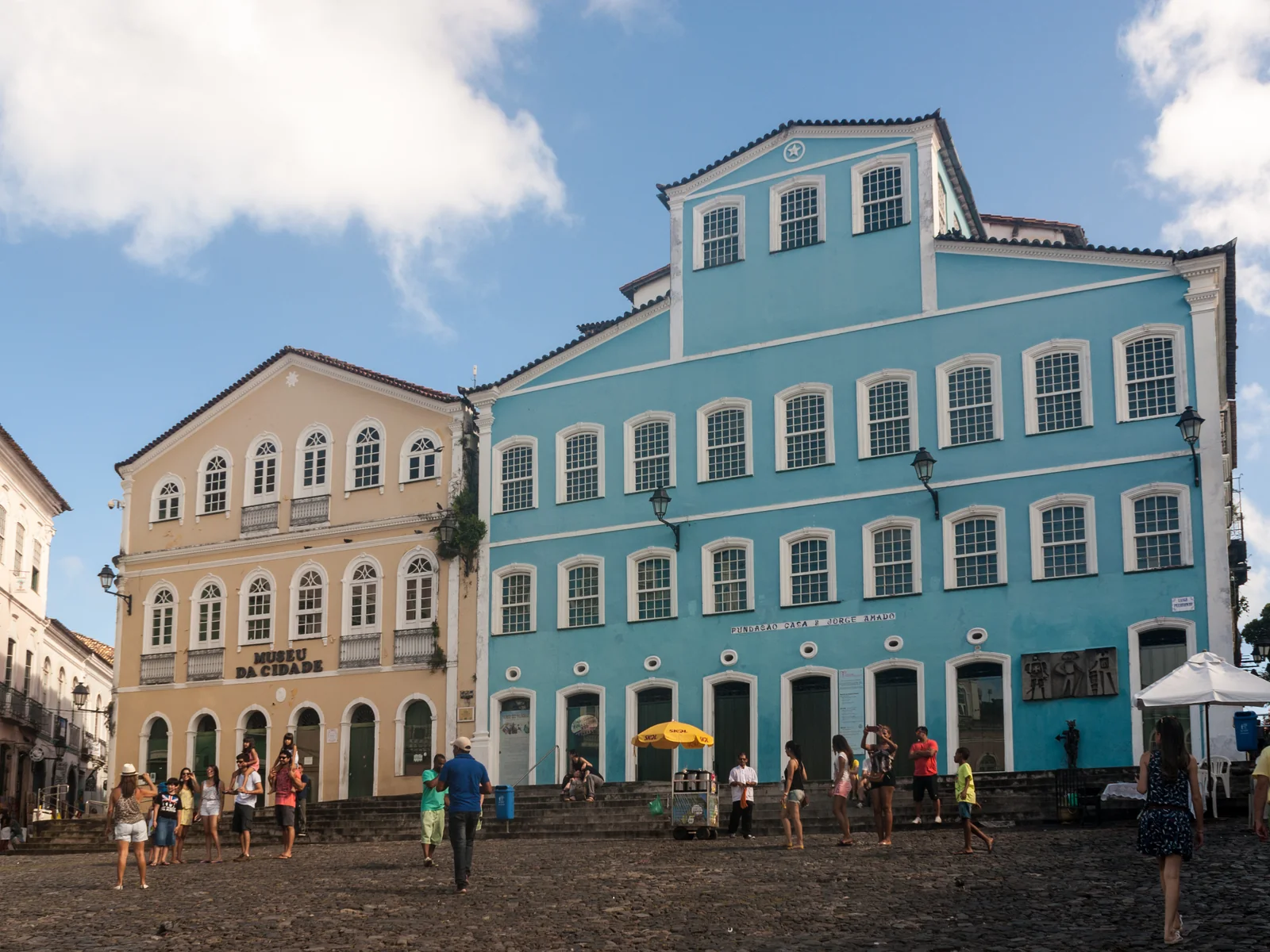
What actually happens to travellers is smaller and more irritating: phones snatched mid-text, thin gold chains grabbed, pockets worked in a crowd. The Pelourinho makes the pattern visible — roughly thirty security cameras and standing police patrols, and still around three reported thefts a day, most of them phones, often taken by teenagers. Distraction is the tool; violence, in the tourist zones and in daylight, almost never is. Our full safety guide covers the city-wide picture; the rest of this page is about not becoming one of the three.
The rules that make solo travel in Salvador work
None of these are exotic. Together they remove most of the ways solo travel in Salvador goes wrong.
- Nothing in your hands you can’t lose. The phone lives in a zipped front pocket or a cross-body bag, comes out deliberately for a photo, and goes back. Answer messages from inside a shop or café, not walking down the middle of a lane.
- After dark, ride. Uber is everywhere and cheap — most cross-town hops run R$ 12–25 (about €2–4), and the airport to the centre R$ 40–60. Call the car from inside the bar and wait for the plate. Getting around Salvador has the details.
- No deserted stretches — the rule is people, not hour. A busy square at 11 pm is fine; an empty street at 3 pm is not. If the pavement ahead has nobody on it, change route.
- A decoy phone, if it calms you. Plenty of solo travellers carry an old handset with nothing logged in and leave the real one at base some days. It isn’t paranoia; it’s a way of making the worst case boring.
- ATMs inside banks and shopping centres, in daytime. Skimmers and shoulder-surfers work the street machines. Better still, carry little cash at all — cards and PIX are accepted almost everywhere.
- Split everything. One card and small notes on you; the second card, the passport and the rest locked at your accommodation. Losing a pocket should cost you an afternoon, not the trip.
Neighbourhood by neighbourhood, alone
Solo comfort here is less about districts being “safe” or “unsafe” than about when they are full. The short version:
| Neighbourhood | Alone by day | Alone after dark |
|---|---|---|
| Pelourinho and the Cidade Alta | Comfortable — crowds, cameras and police posts | Good on the lit main squares, best on Tuesday nights; skip the empty side lanes |
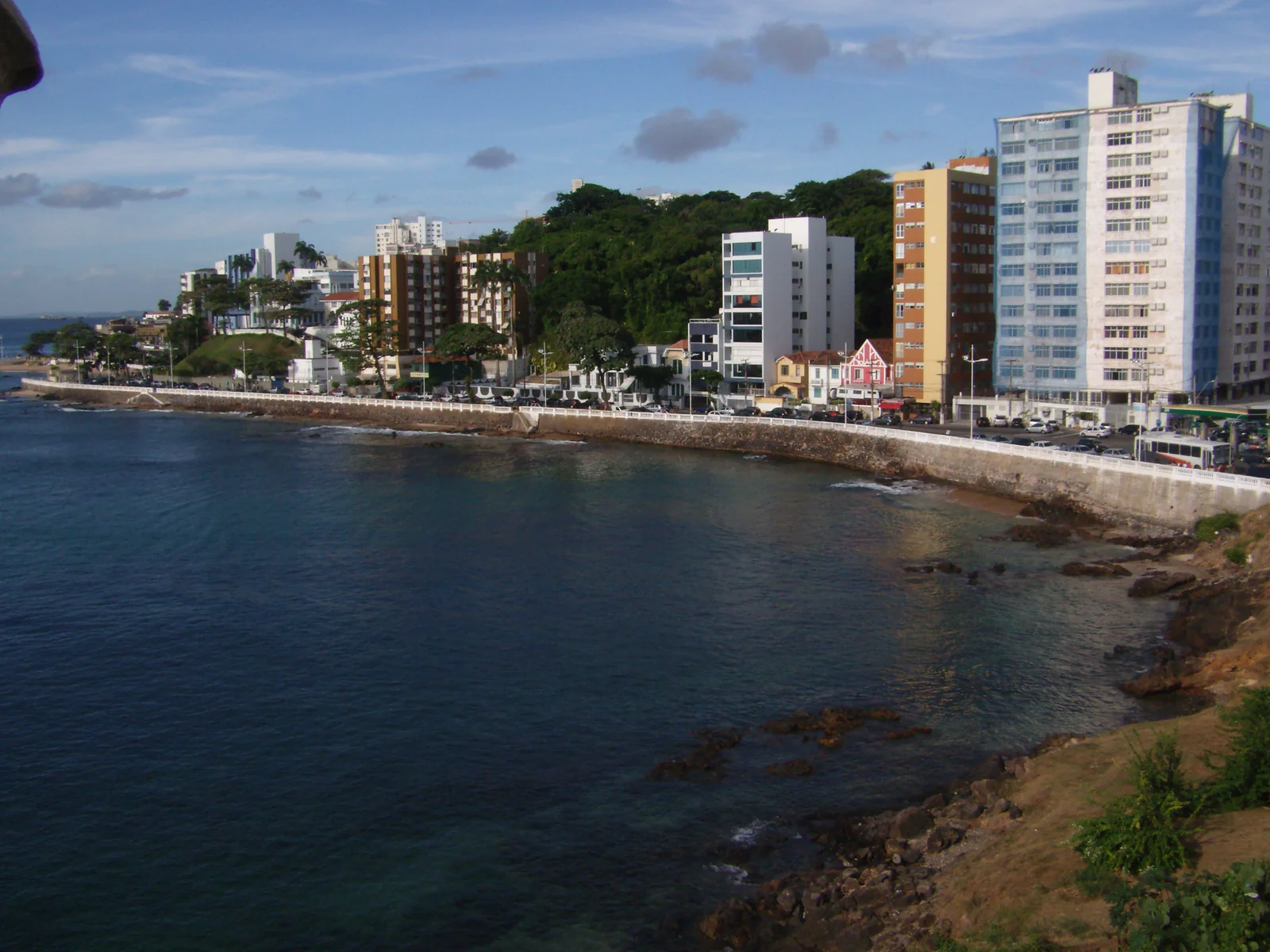
| Barra and the seafront | Easy; Porto da Barra is calm, social and swimmable | The promenade stays lively into mid-evening; leave the sand once it empties |
| Rio Vermelho | Pleasant and low-key, few sights as such | The point of the place — go, and take an Uber both ways |
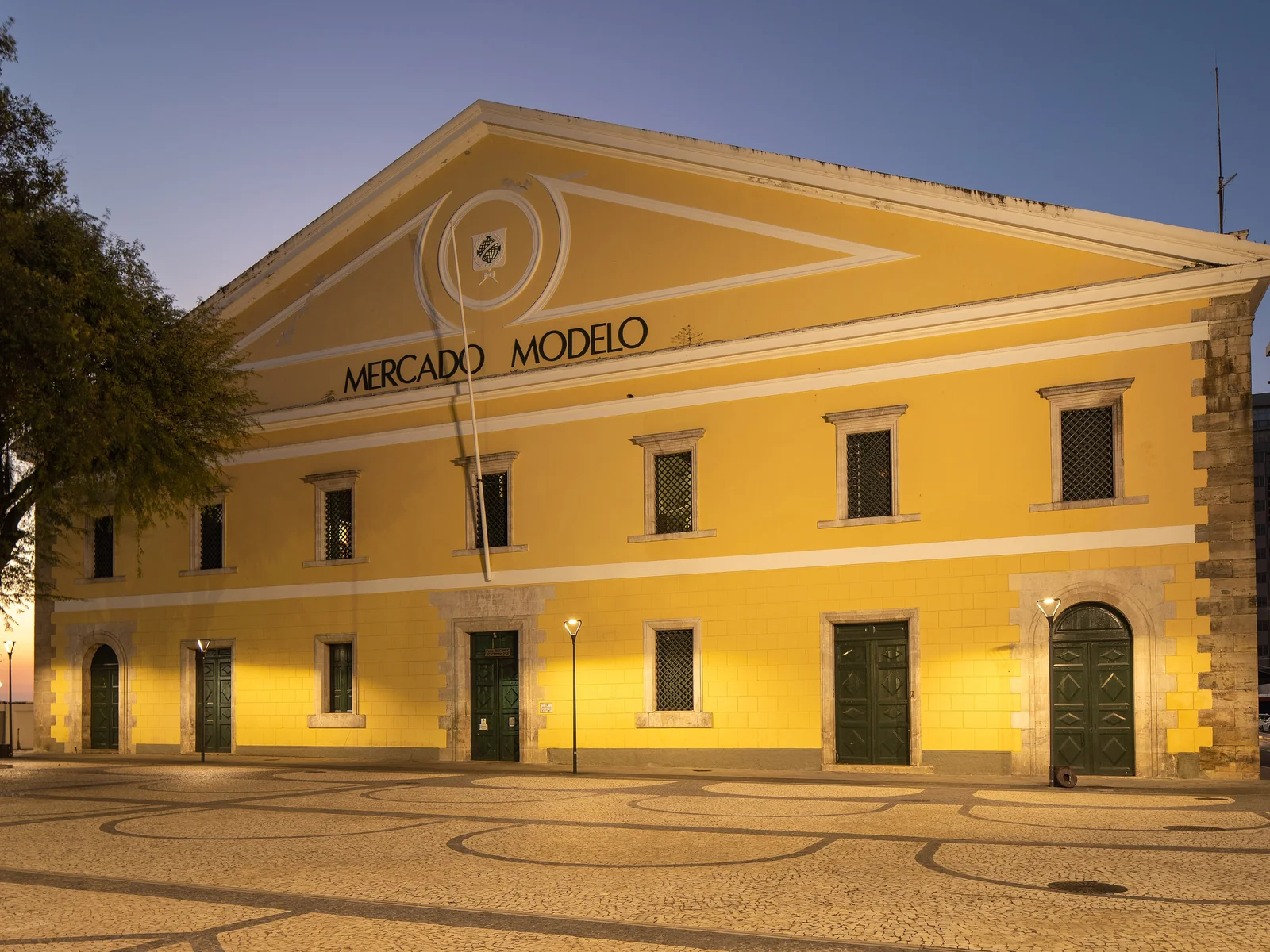
| Comércio (lower city) | Weekday office hours only; the Mercado Modelo area is fine | No — it empties fast after closing time and stays empty |
| The ladeiras — steep lanes linking upper and lower city | Ride the Elevador Lacerda instead | Never on foot |
Evenings deserve their own word, because the difference between a good night out and an avoidable story is usually a hundred metres of route. Salvador at night maps where the life actually is, hour by hour; as a solo rule of thumb, the Tuesday-night Terça da Bênção in the Pelourinho and the bar squares of Rio Vermelho are where you want to be, and an unlit ladeira like the Ladeira da Montanha — or the beach after the last barraca stacks its chairs — is where you don’t.
For women travelling alone
The short answer from recent first-person accounts is that solo female travel in Salvador is more manageable than the city’s reputation, provided the ground rules above become reflexes. Crowd-sourced indexes such as Travel Ladies score the city a middling 2.5 out of 5 for women’s safety, yet the write-ups from women who actually came — several published through 2025 — read softer than the number: whole trips without a moment of real fear, and less street harassment than they had braced for.
Catcalling exists, mostly as words — a linda, a hiss near the tourist squares — and it thins out fast away from them. The persistent ones are usually selling a tour, not pursuing you. What works, according to local women and travellers alike: no response, sunglasses, forward motion; if someone attaches himself, step into a shop or a busy café and let him find the exit boring. The classic Bahian deflection also works for you — sou casada, “I’m married”, delivered flat, ideally with a plain band on the ring finger. It doesn’t matter whether it’s true; it’s a sentence the culture accepts as final.
Three specifics worth having straight:
- Drinks. Brazil’s drink-spiking scam is common enough to have a name — see the callout below. Watch the pour, keep the glass in your hand, take nothing edible from charming strangers, and settle how you’re getting home before the night starts.
- The beach. Small bikinis are standard and nobody looks twice; topless is not done. Rent a chair from a barraca and the waiter becomes your de-facto minder — bring a canga, sunscreen, small notes and nothing else worth taking.
- Moto-taxis. Real, cheap and quick through traffic, and entirely a judgement call: daylight, short hops, your gut on the driver, helmet worn properly — or do what most solo women here do and stay with Uber.
Eating alone is normal here
Bahia’s food culture runs half on street counters, which makes Salvador one of the easiest cities in Brazil to eat well with no dinner companion. Acarajé is served standing at the baiana’s tray — she splits and fills the fritter in front of you, you eat it right there, and even at the famous stands it rarely tops R$ 20 (about €3.30). At the Largo de Santana in Rio Vermelho, the city’s best-known stands — Dinha’s among them — open from late afternoon, and the bars around the square will happily sell you the cold beer to go with it.
Lunch belongs to the comida a quilo — the pay-by-weight buffets all over the centre where you fill a plate, set it on the scale and pay for exactly what one person eats, no menu Portuguese required. The classic moqueca problem — portions built for two — is softer than it looks: several houses will do a single serving if you ask, and nobody finds the question strange. Our restaurant guide has the specific addresses, counters included.
Meeting people without trying too hard
Capoeira first. The Forte de Santo Antônio Além do Carmo — reborn as the Forte da Capoeira, Bahia’s reference centre for the art — houses several independent schools, and their early-evening classes and rodas are open to visitors who ask politely at the door. A first class needs no fitness and no Portuguese, and an hour of failing at the ginga beside a stranger breaks more ice than any hostel bar. If you’d rather start gently, our private beginner’s capoeira class arranges the teacher and the translation.
The day-schooner to Ilha dos Frades and Itaparica is the other reliable social machine. Boats leave the Terminal Náutico below the Elevador Lacerda around 8 am, cost R$ 110–140 (roughly €18–23) as of mid-2026 plus a small island visitor fee paid on arrival, and spend the day on two swimming stops with music on deck. By the second beach you will have been adopted by at least one extended Brazilian family.
Free walking tours genuinely run here too. A well-reviewed free tour of the historic centre meets at the Cine Glauber Rocha on Praça Castro Alves — bookable through Civitatis, about two hours in English and Portuguese, groups capped at six, tip-based. And if a Tuesday falls inside your trip, the Terça da Bênção needs no booking at all: the whole Pelourinho is the venue.
If something does happen
Hand it over, walk to somewhere busy, and breathe. Then make it boring admin: Salvador keeps a dedicated tourist-police unit, DELTUR, in the Pelourinho — any hotel or guide can point the way — and the report you file there, the boletim de ocorrência, is what your travel insurance will ask for. Block the SIM, wipe the phone remotely, replace what can be replaced, and go back out for the evening. For solo travellers in Salvador who follow the rules above, a snatched phone is the realistic worst case — an hour of paperwork and a bad mood, not a changed trip.
One structural advantage worth naming for anyone coming alone: where you sleep decides how your evenings work. Stay out by the beach hotels and every night ends with a solo ride home; stay in the Cidade Alta and the walking tours, the Tuesday drums and the morning coffee counters all sit outside your front door, with the Elevador Lacerda as your lift home. Our boutique suites put you exactly there, a few lit and busy streets from all of it.
Salvador, in images
Photographs of the neighborhood, restaurant, and beach featured in this guide, with credit to each photographer.
Ready to discover Salvador?
Book one of the four Via Avantgarde suites in the Pelourinho — and receive the complete guides with recommendations for your stay.