Common Tourist Mistakes in Salvador the twelve — and the easy fix for each
Salvador Brazil travel mistakes: twelve errors visitors actually make — phone out, dollar taxis, Morro as a day trip, resort dressing — and the easy fix for each.
The essentials in 30 seconds
Most Salvador Brazil travel mistakes come down to one habit: treating the city like a resort, or like Rio. It is neither. Keep the phone out of sight on the street — phone snatching is the one crime that regularly touches visitors. Move by Uber or 99, not by negotiated taxi. Trust the beach barraca system instead of waving it away. Give the Pelourinho half a day rather than forty minutes, plan the big night out for Tuesday or the weekend, and treat Morro de São Paulo as an overnight, not a day trip. The golden church is closed, the tourist squares are the worst place to eat, and small banknotes solve more problems than a credit card. Twelve mistakes, twelve fixes — none of them costs you anything.
1. Giving the Pelourinho forty minutes
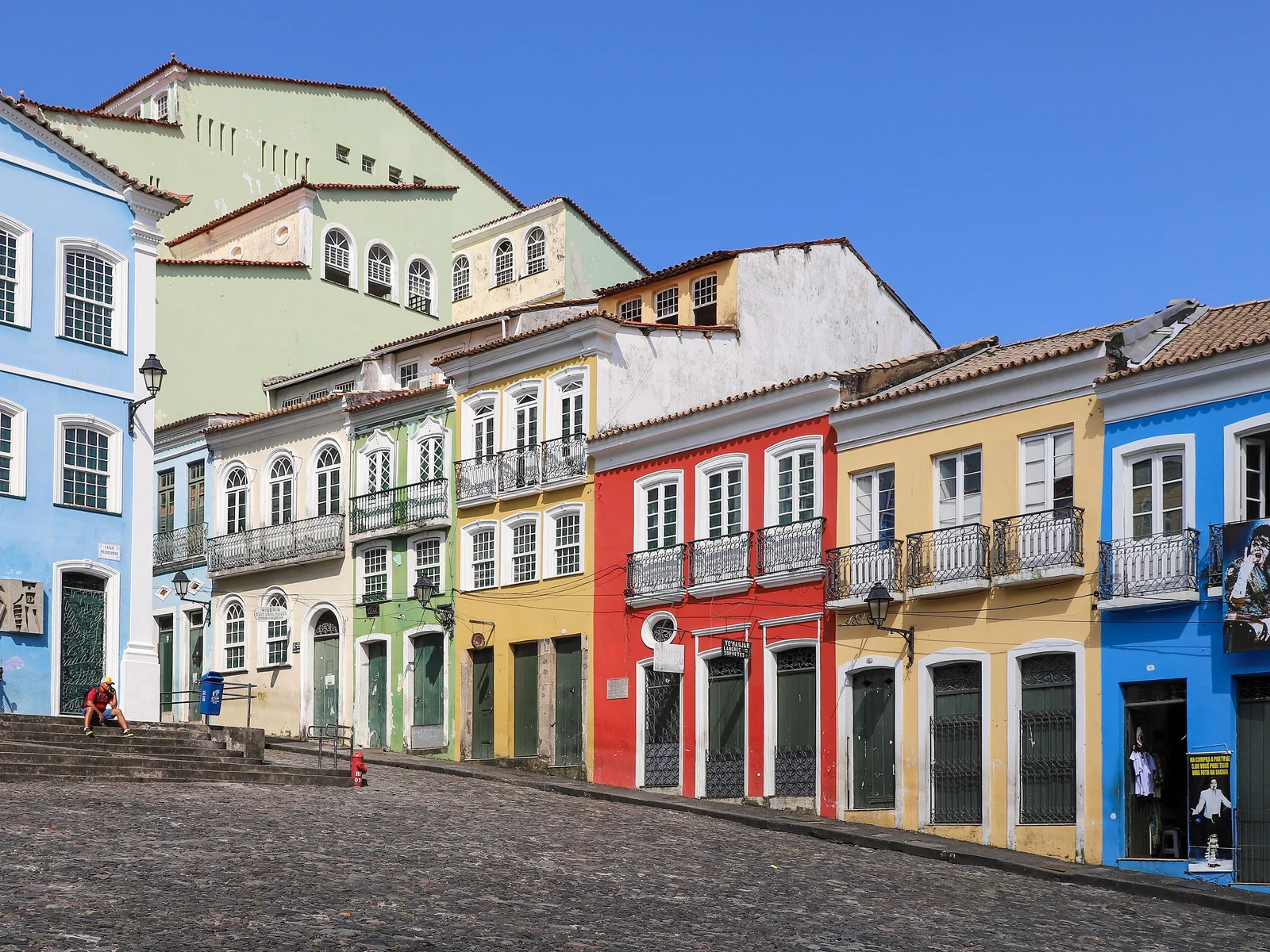
Cruise-day visitors set the pattern: walk the Terreiro de Jesus, photograph the pastel façades, buy a ribbon, leave. Forty minutes for a quarter that was Brazil’s first capital from 1549 to 1763 and has been UNESCO-listed since 1985. The Pelourinho is not a backdrop. It is a working neighbourhood that changes character three times a day — washed and quiet in the early morning, loud with drum rehearsals by late afternoon, and at its best after dark, when the day-trippers have gone and the squares belong to the bands and the locals. Give it half a day at minimum, and if you can, be there on a Tuesday evening. Our Pelourinho guide lays out the streets, the churches and the sensible edges in detail.
2. Walking around with your phone out
This is the travel mistake in Salvador with real consequences, so it goes near the top. The city’s grim headline statistics are driven by conflict in peripheral districts you will never enter; the crime that actually reaches travellers is opportunistic phone theft. The numbers are not small — Bahia logged more than 54,000 phone robberies and thefts in the latest national security yearbook, and that was the good news: down about 14 percent on the year before. The fix costs nothing. Phone in a front pocket, checked in shop doorways rather than on corners; never face-up on a café table; no camera swinging from a neck. Some travellers carry an older handset for the street and leave the good one in the safe. And if someone does demand it, hand it over without a word — everything on it is replaceable. The fuller picture, neighbourhood by neighbourhood, is in Is Salvador safe?
3. Paying dollar prices to cross town
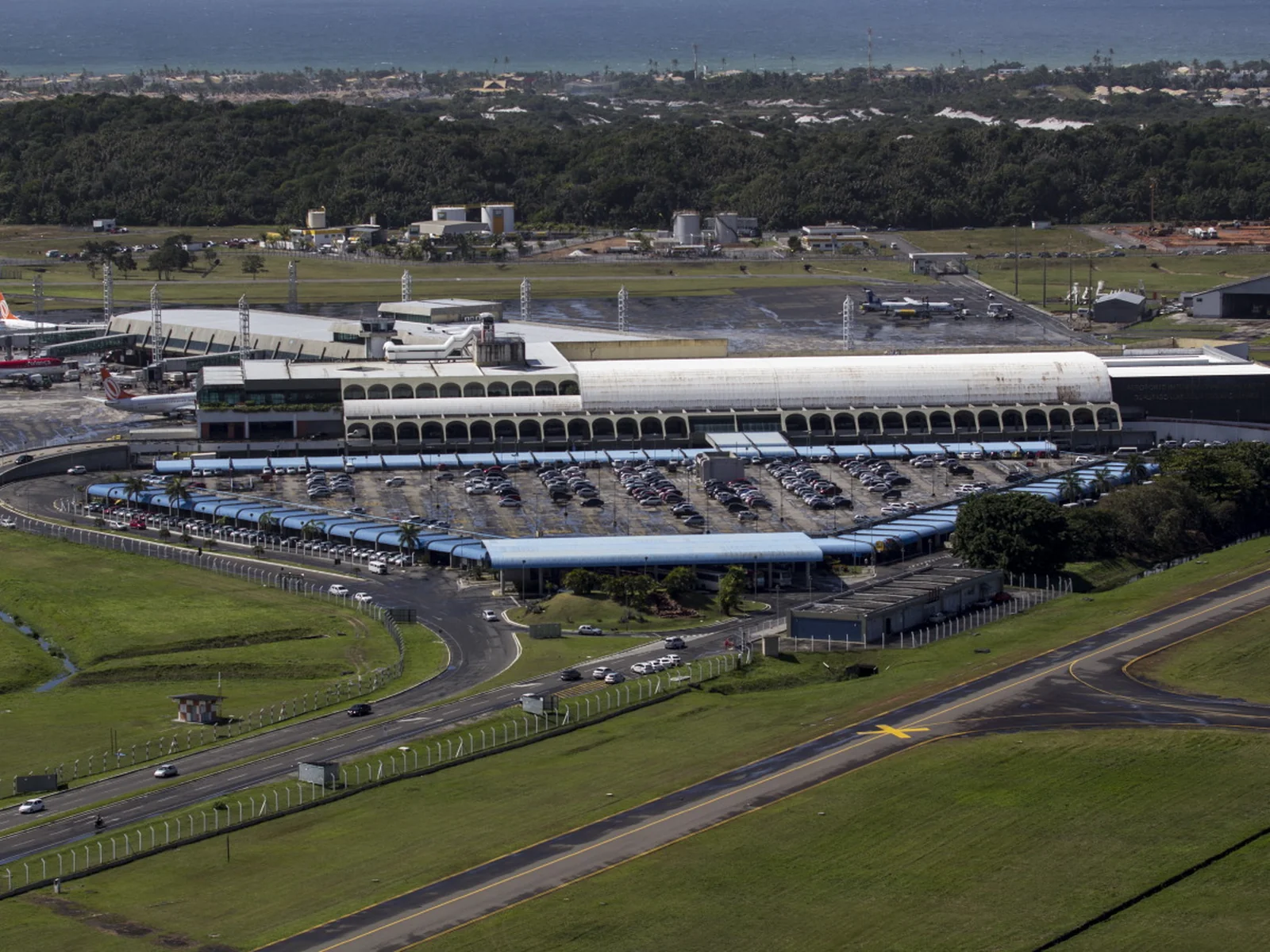
The classic version happens outside a hotel or the cruise terminal: an unmetered taxi quotes a flat R$ 60 — about €10 — for a ride that should cost a third of that, and the visitor, still thinking in dollars, agrees. Salvador is a cheap city to move around if you use the tools locals use. Uber and 99 both work well here; most rides within the city run €3-6, and the airport to the Cidade Alta is roughly R$ 60-110 by app as of 2026, against R$ 100-200 at the official taxi desk. Street taxis are fine too — but on the meter; the word to know is taxímetro. Decline any "special price" for tourists, and never take a ride offered inside the airport hall. Routes, apps and the elevator-and-ferry logic of a two-level city are in getting around Salvador; the arrival play-by-play is in the airport guide.
4. Waving away the beach vendors
Visitors trained by other beach destinations arrive braced for hustle, wave off everyone who approaches, and sit on a towel guarding their bag. In Salvador that reads as odd, and it makes your day worse. The beach here runs on the barraca system: numbered, mostly family-run beach bars that rent you a chair and umbrella for around R$ 10-20 — €2-3 — with the understanding that you order your drinks and lunch from them while you sit. They watch your spot while you swim, and nobody pesters a customer. The walking vendors — grilled queijo coalho cheese, cold beer, cocada — are licensed regulars doing a job, not running a scam, and a firm não, obrigado ends any pitch politely. How the whole choreography works, tipping included, is in our beach culture guide.
5. Dressing for a resort
Salvador is a working city of some 2.4 million people, not a beach club with a cathedral attached. Resort linen, display jewellery and a camera on a strap mark you out from a distance — see mistake two — and the practical case is just as strong: the historic centre is vertical, all steep ladeiras, polished stones and sudden staircases. The cobbles have been defeating unsuitable footwear since 1549. Dress the way the city dresses: plain, light clothes; shoes with grip; swimwear only at the beach; shoulders and knees covered when you step into working churches. Keep one sharper outfit for dinner out and you are fully equipped. The complete list, season by season, is in our packing list.
6. Never going down the hill
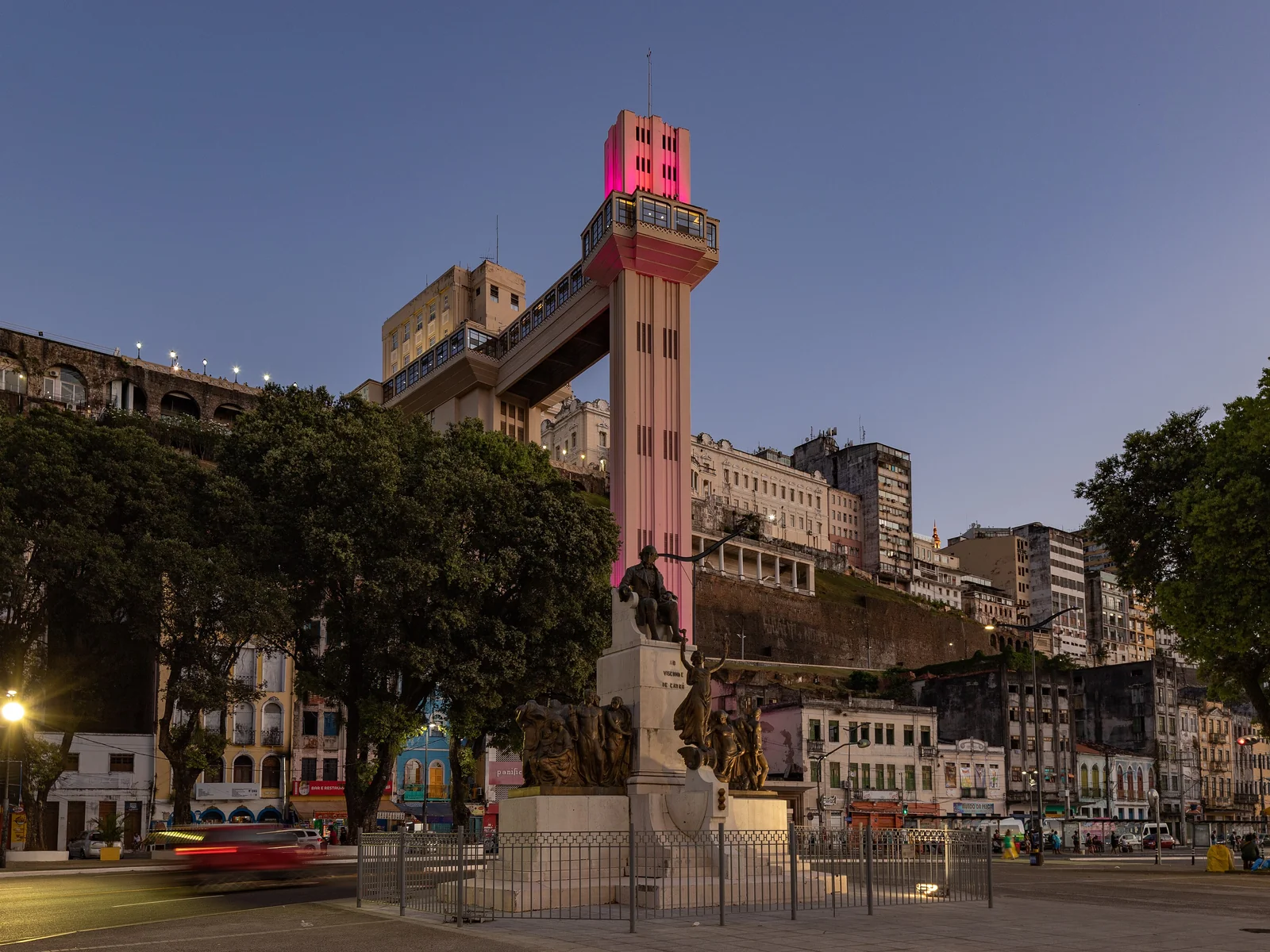
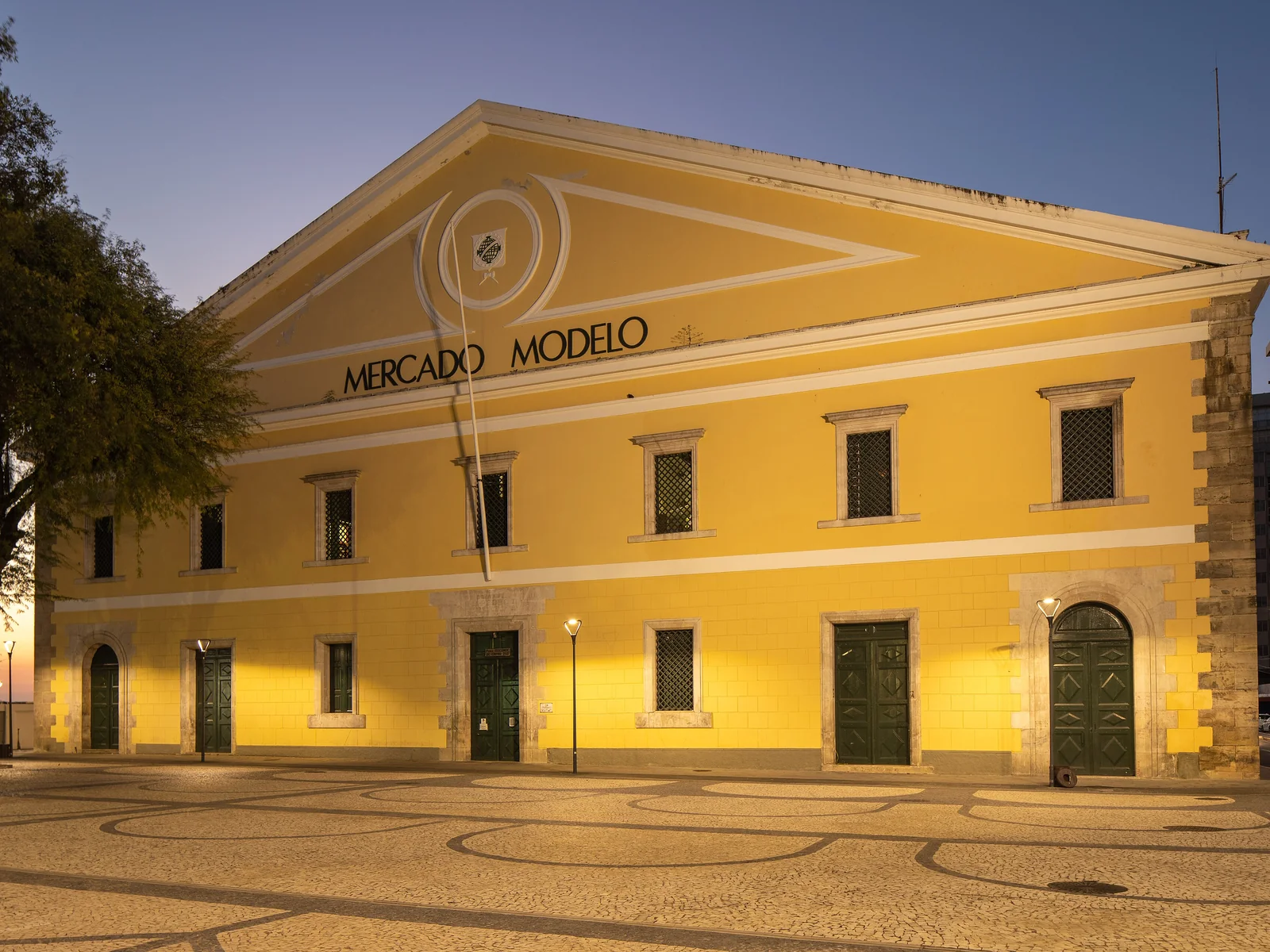
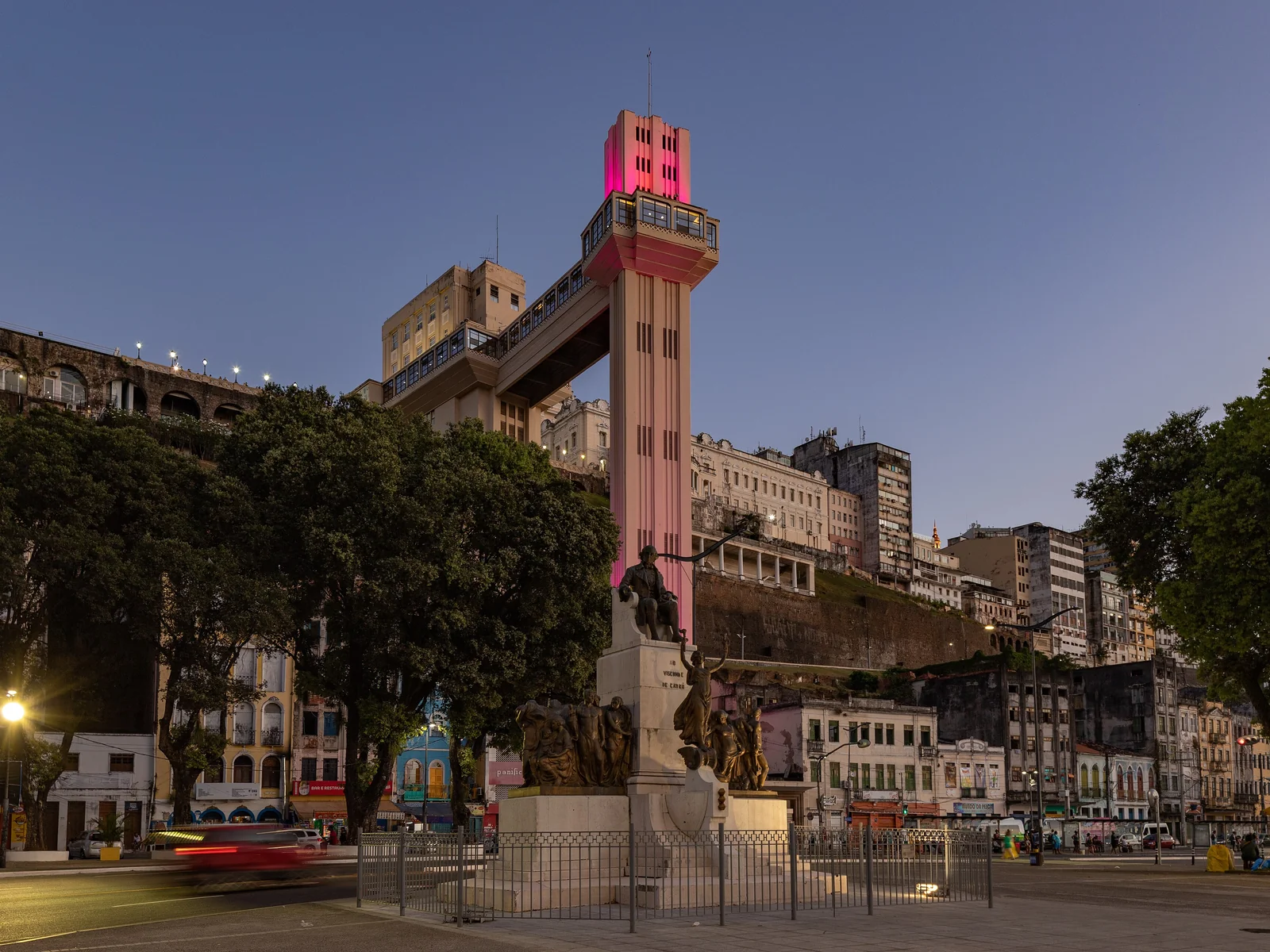
Most visitors ride the Elevador Lacerda down — 72 metres in about thirty seconds, as the city has done since 1873, and free in 2026 — walk the Mercado Modelo, and go straight back up. The Cidade Baixa they turn their back on is where much of Salvador’s daily life happens. The Igreja do Bonfim, the most beloved church in Bahia, is down here, its railings knotted with ribbons. So is the Ribeira waterfront, where Sorveteria da Ribeira has been scooping since 1931 — TasteAtlas rates it among the hundred best ice-cream shops in the world, and the tapioca flavour is the one to order. So is the Feira de São Joaquim, the sprawling, loud, entirely unpolished market beside the ferry terminal. None of it is staged for visitors, which is exactly the argument. Give the lower city a morning; our neighbourhood guide maps it honestly.
7. Treating Morro de São Paulo as a casual day trip
Morro looks close on the map. It is 64 kilometres of water — around two and a half hours by catamaran from the nautical terminal by the Mercado Modelo, at roughly R$ 110-160 each way as of 2026 — and once the boat clears the shelter of the bay, the Atlantic swell is real; seasickness is common enough that regulars take a tablet before boarding. Boats out leave in the morning, and the last boats back leave Morro by mid-afternoon — around 3 pm as of 2026 — so a "day trip" means roughly five hours afloat for about four on the island, and a weather cancellation can strand you overnight. Go — but go properly. Stay at least one night, check the day’s sailings before you commit, and if the forecast looks ugly, trade the open sea for the calm of the bay: the Ilha dos Frades schooner day exists for exactly this. Full logistics, prices and the seasickness maths are in Morro de São Paulo from Salvador.
8. Expecting Rio nightlife, every night
Salvador does not run on Rio’s clock, and travellers who go hunting for a big Monday night usually end it early and puzzled. The city’s week has a pulse. Tuesday belongs to the Pelourinho — the Terça da Bênção, when after the evening mass at the Rosário dos Pretos the old town turns into a free open-air party. Friday to Sunday belongs to Rio Vermelho, where the tables spill across the Largo da Dinha — named for a celebrated acarajé cook — and the squares stay loud into the small hours, with a session of its own on Sunday afternoon. Between those peaks, Salvador does dinner rather than spectacle. Plan the big nights on the city’s rhythm and use the quiet ones to eat well. The current map of nights and venues is in Salvador at night.
9-12. Four more Salvador travel mistakes, in one minute
Queuing for the golden church. The Igreja e Convento de São Francisco — the interior sheathed in gold — has been closed since part of its ceiling collapsed in early 2025, with restoration timelines pointing to around 2029. The Ordem Terceira next door, behind the carved sandstone façade, generally stays open. Any itinerary still built around the golden interior is out of date; our things-to-do guide is current.
Eating only on the tourist squares. The restaurants sitting directly on the postcard squares are the weakest value in the old town — you are paying for the view and the captive seat. Two streets off, the cooking improves and the bill drops. Where to actually eat, from a baiana’s tray to a white tablecloth, is in our restaurant guide.
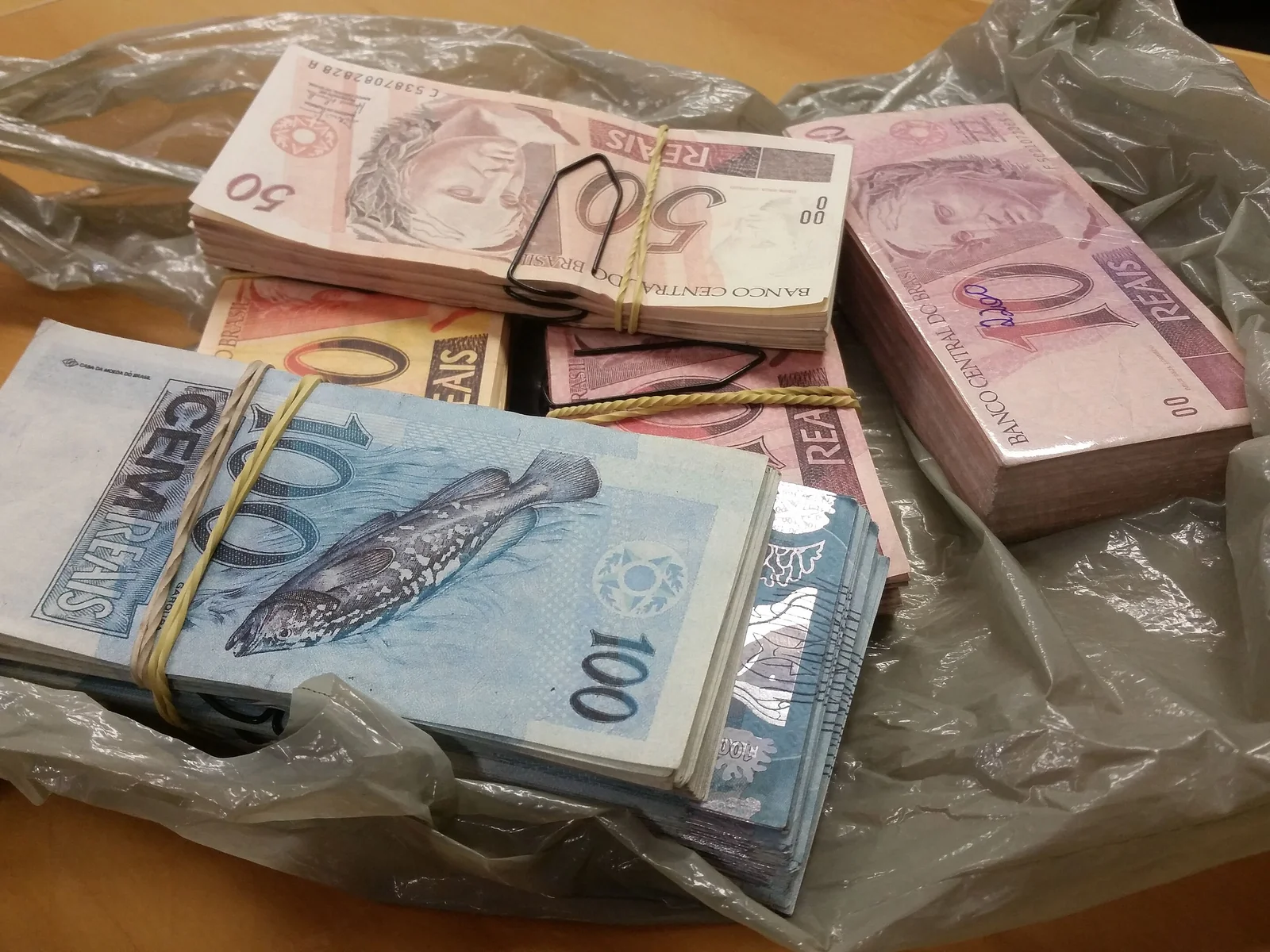
Arriving with no small money. Brazil runs on PIX, the instant bank transfer — which needs a Brazilian account, so most visitors cannot use it. Cards work almost everywhere; the street does not take them as readily. Carry notes of R$ 20 and under for the baiana’s tray — an acarajé runs somewhere around R$ 10-20 — and the beach chair. The money chapter of our practical guide has the detail.
Having no rain plan. April to July is the wet season, with May and June the heaviest months, and even in high summer a squall can arrive with ten minutes’ warning. It usually leaves as fast as it came. The mistake is having nothing to do while it passes: a covered market, a church, a long moqueca lunch — the dish takes forty minutes anyway — will absorb any downpour. Picking your season is covered in the best time to visit.
A last note from the people who hand over the keys: at least half of the mistakes travellers make in Salvador are really distance mistakes — the rushed Pelourinho, the negotiated taxi, the missed Tuesday — and they fade when you sleep in the middle of things. Base yourself in the Cidade Alta and the old town is your street, the elevator is a two-minute walk, and the Terça da Bênção starts around the corner. Our four boutique suites put you exactly there, and reserving takes a moment.
Salvador, in images
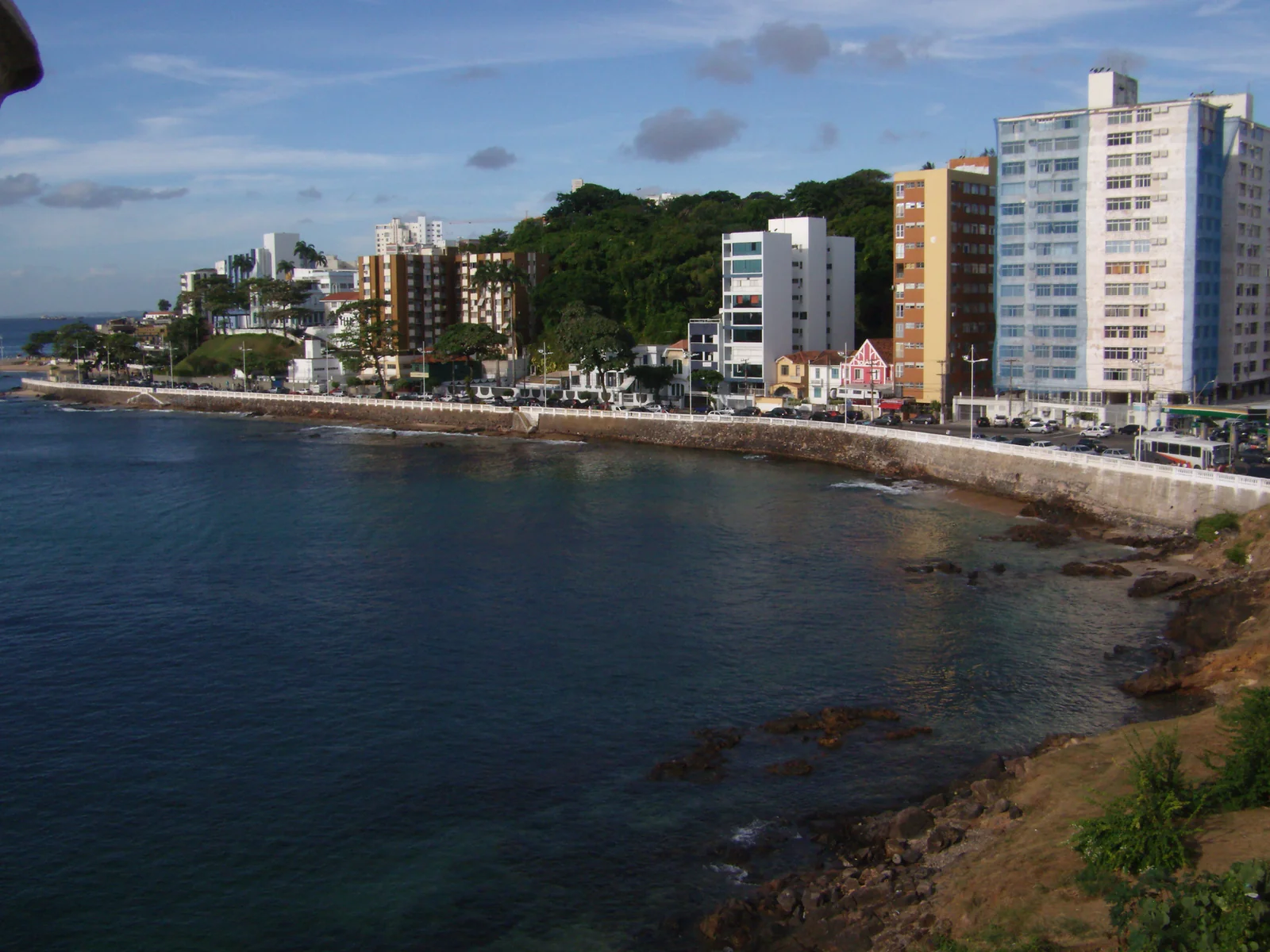
Photographs of the neighborhood, restaurant, and beach featured in this guide, with credit to each photographer.
Ready to discover Salvador?
Book one of the four Via Avantgarde suites in the Pelourinho — and receive the complete guides with recommendations for your stay.