The Bonfim Church & Its Ribbons the sacred hill and the wish ribbons
Guide to the Igreja do Senhor do Bonfim in Salvador: the sacred hill, the fitas do Bonfim ribbon ritual, the Room of Miracles, the syncretism with Oxalá and how to get there.
The essentials in 30 seconds
This guide covers the Igreja do Senhor do Bonfim, the white 18th-century basilica on the Sacred Hill that is the most beloved church in Bahia — and the home of the coloured fitas do Bonfim, the wish ribbons you see tied to wrists and railings all over Salvador. Here is what the ribbon ritual actually is and how to do it properly, the extraordinary Room of Miracles inside, the double faith — Catholic and candomblé — that beats under this one roof, when the great Lavagem washing happens, and how to get out to the Itapagipe peninsula from the historic centre. It is about eight kilometres from the Pelourinho, worth the short trip, and free.
Where it is: the Colina Sagrada
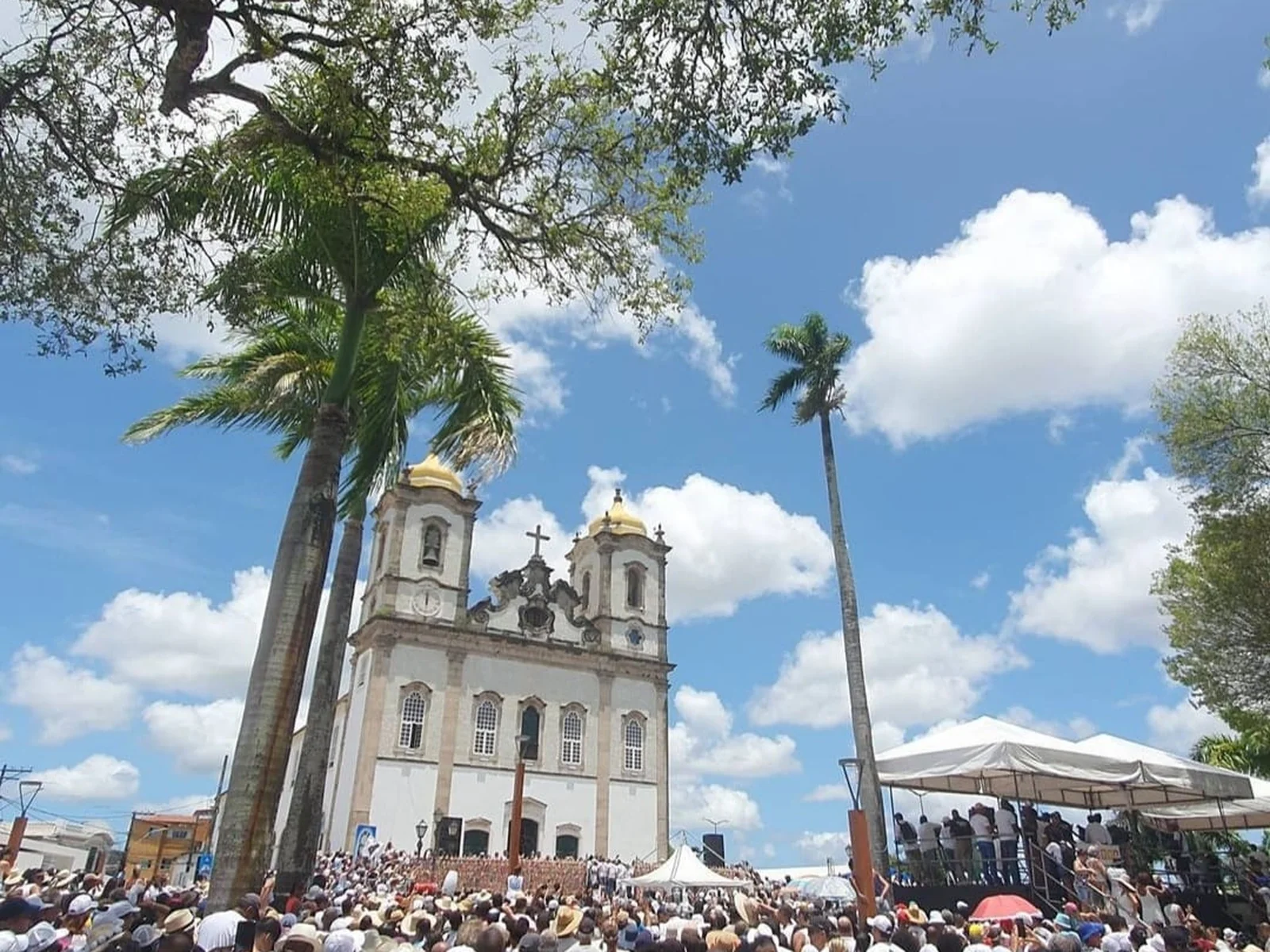
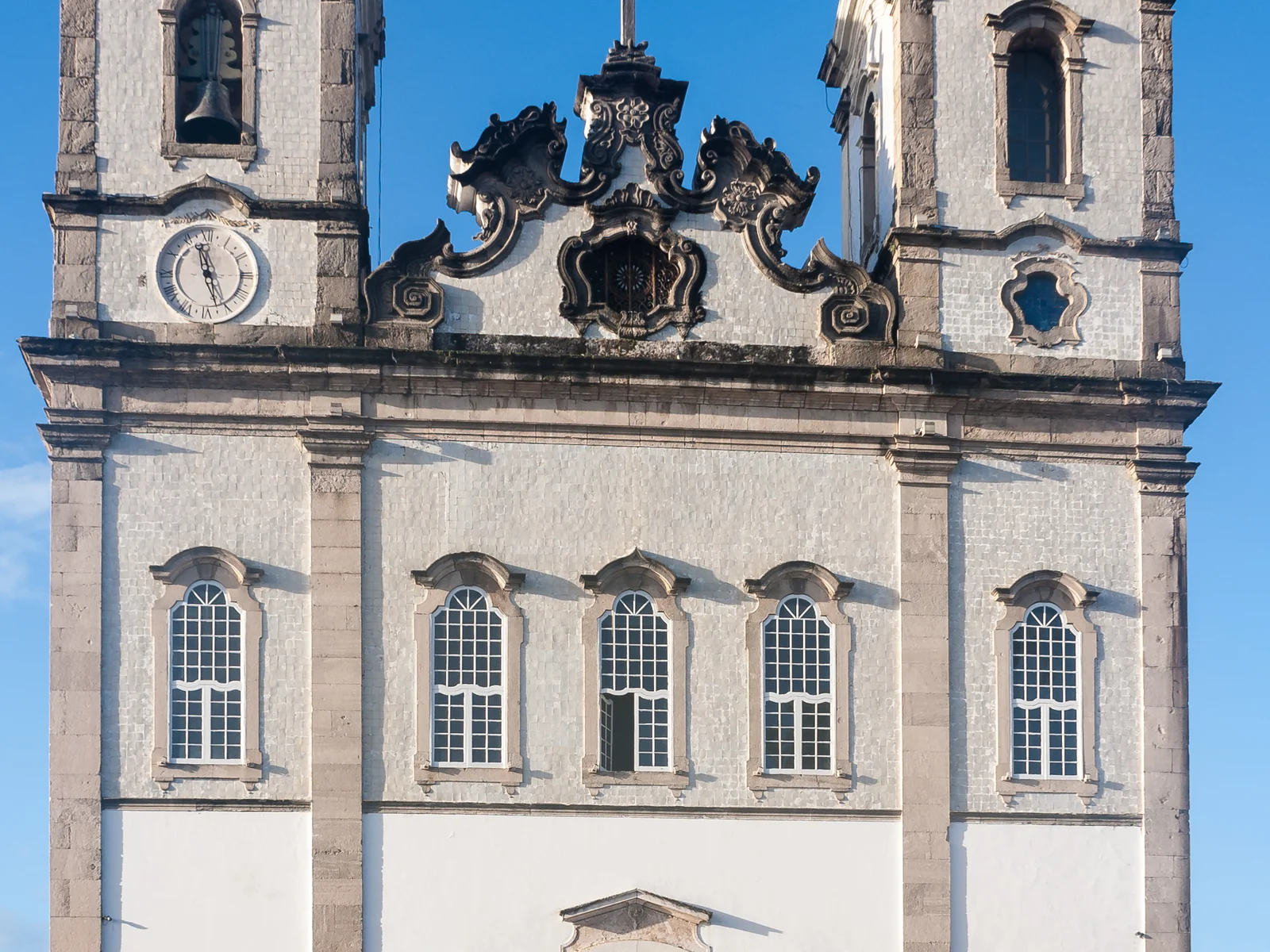
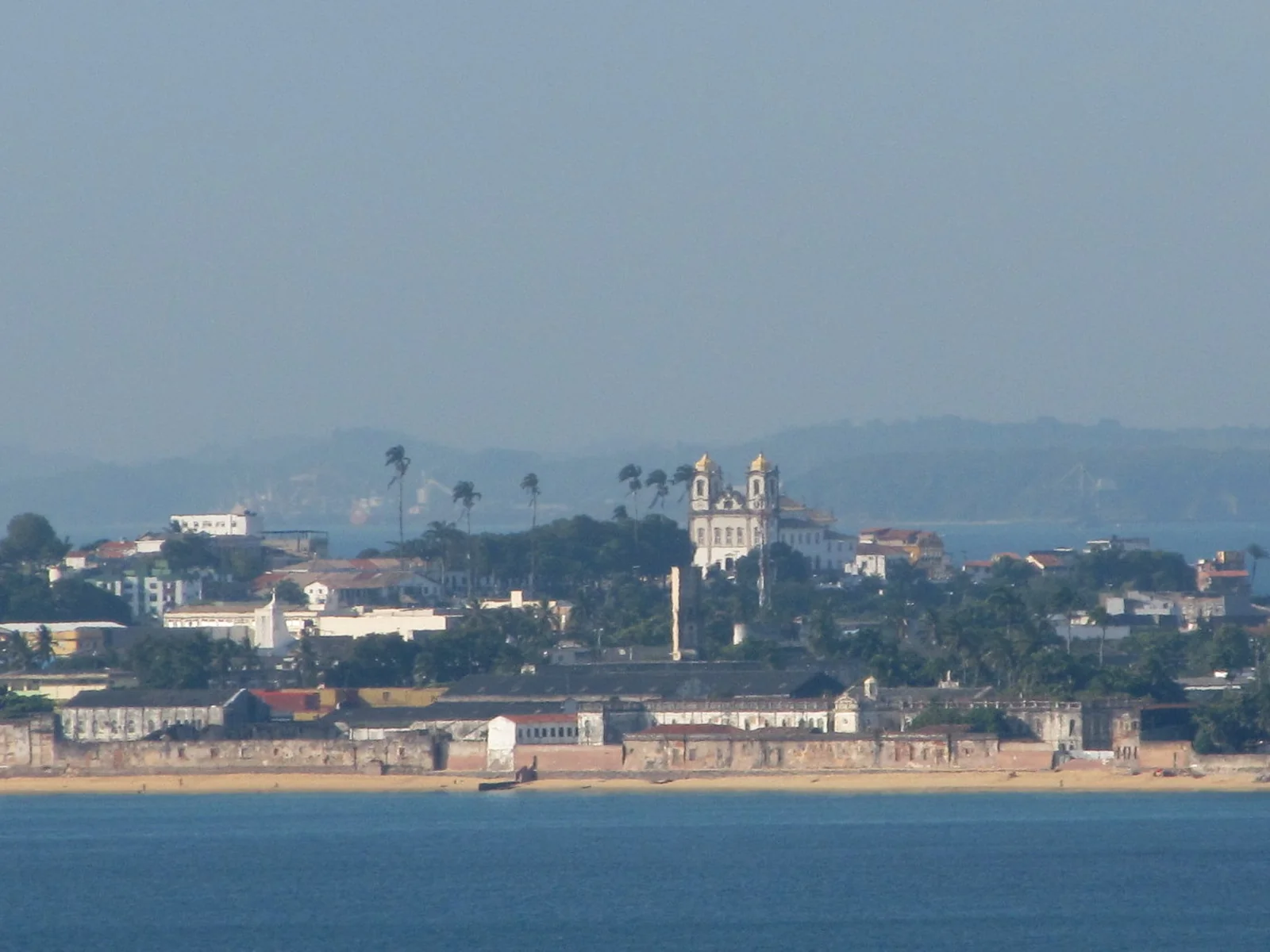
The Basílica do Senhor do Bonfim stands on a low hill called the Colina Sagrada, the Sacred Hill, out on the Itapagipe peninsula in Salvador's Cidade Baixa — roughly eight kilometres north of the Pelourinho and the historic upper town. It is too far to walk and worth a taxi or ride-share, fifteen to twenty-five minutes depending on traffic; our getting around Salvador guide covers the options. The reward for the trip is a serene white-and-blue church with a wide forecourt, framed by the two things that make it unmistakable: hundreds of thousands of coloured ribbons knotted to every railing, and a view back over the bay. This is not a museum stop; it is a living devotional site, the spiritual heart of the city, and it feels like one.
The church itself
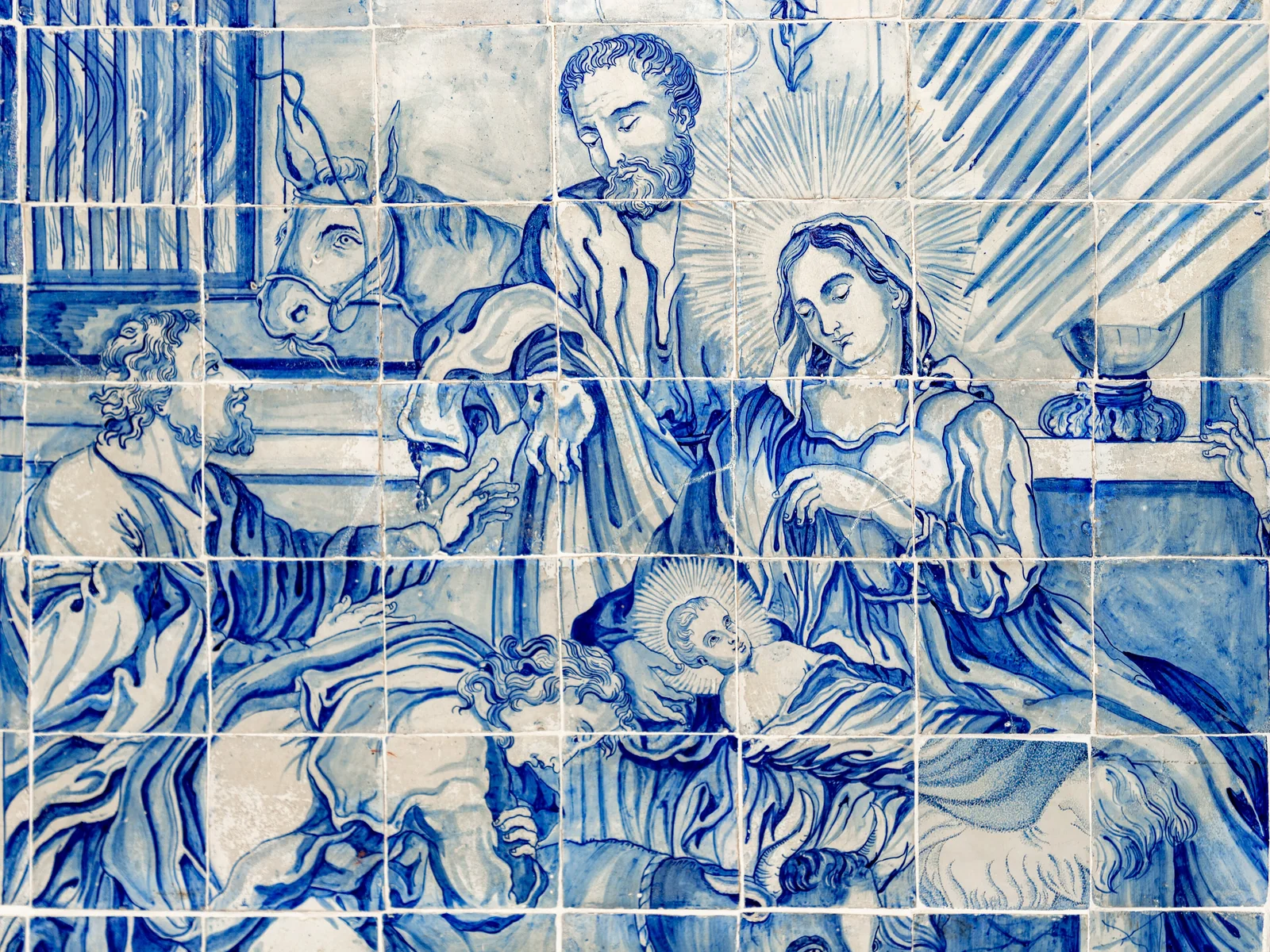
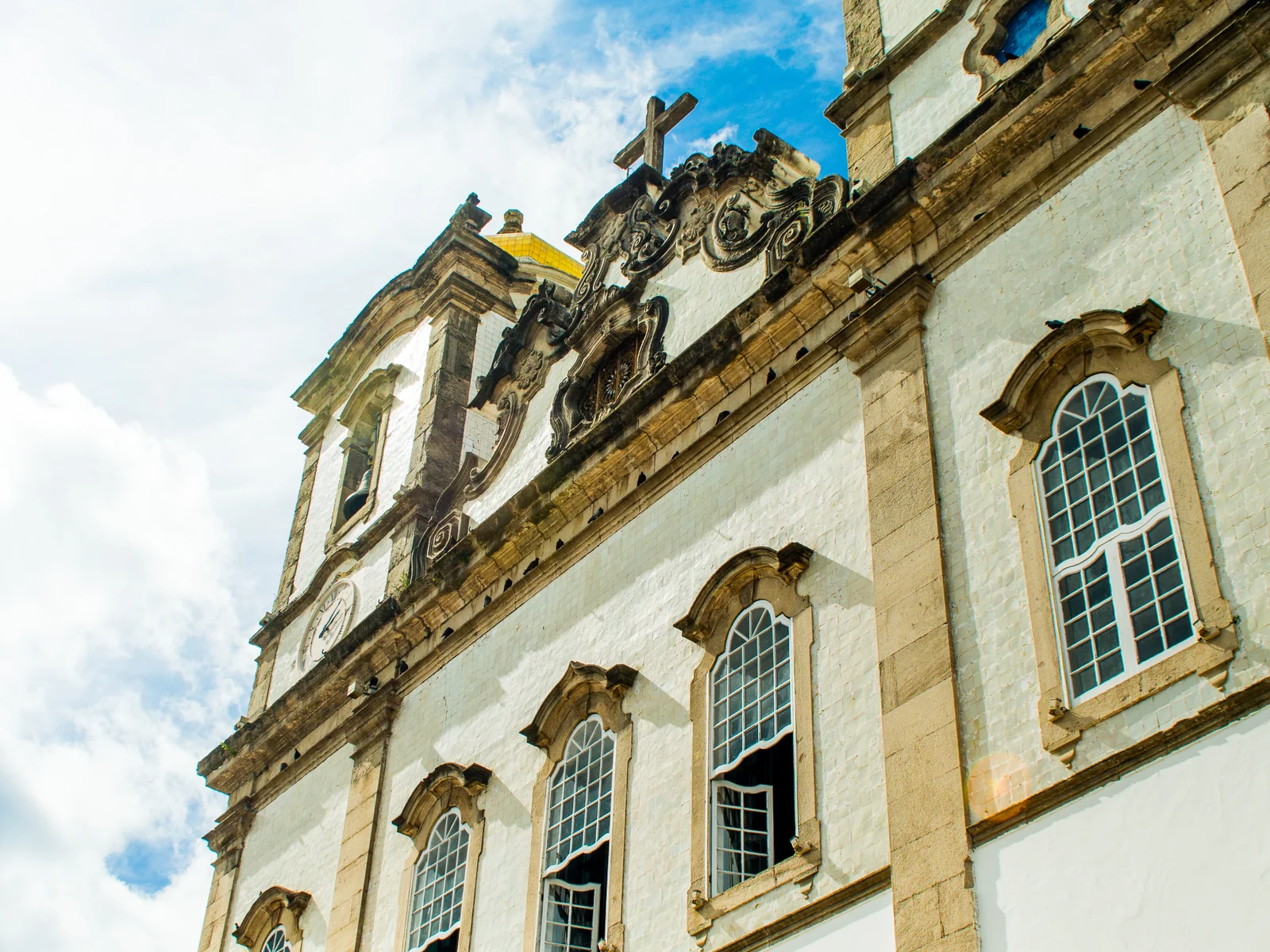
Devotion here began at sea. A Portuguese captain, grateful for surviving a storm, brought an image of the Senhor do Bonfim — Our Lord of the Good End, the crucified Christ — from Setúbal in Portugal, and the image was installed on this hill in 1745. The basilica around it was finished in 1754, a graceful colonial church whose rococo interior and painted ceiling reward a slow look up. Over nearly three centuries it has become the church baianos turn to for protection and thanks, more than any grand cathedral downtown. To understand where it sits among the city's other great churches — the gilded São Francisco, the Rosário dos Pretos built by enslaved Africans — read our churches of Salvador guide.
The fitas do Bonfim — the real ritual
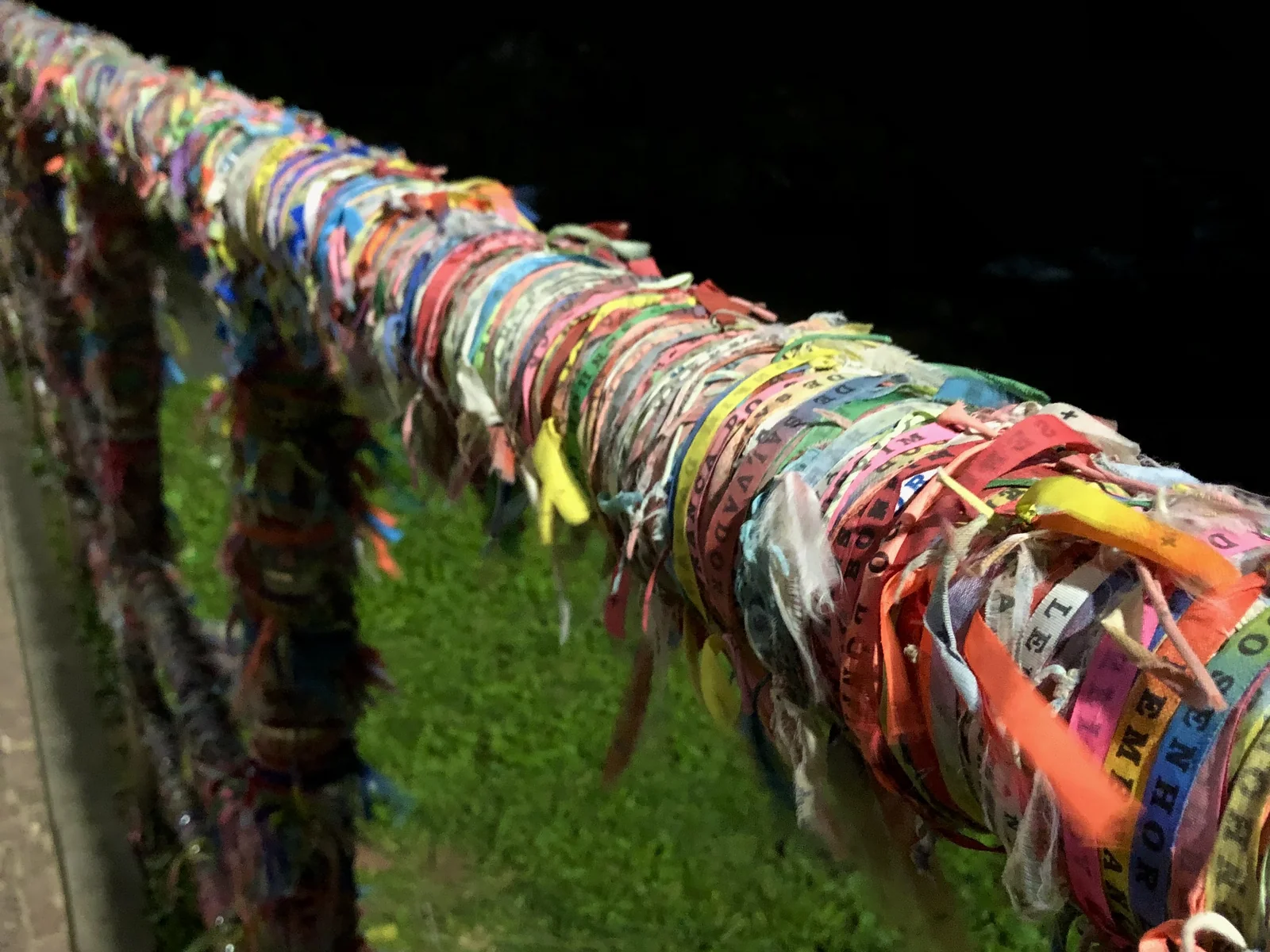
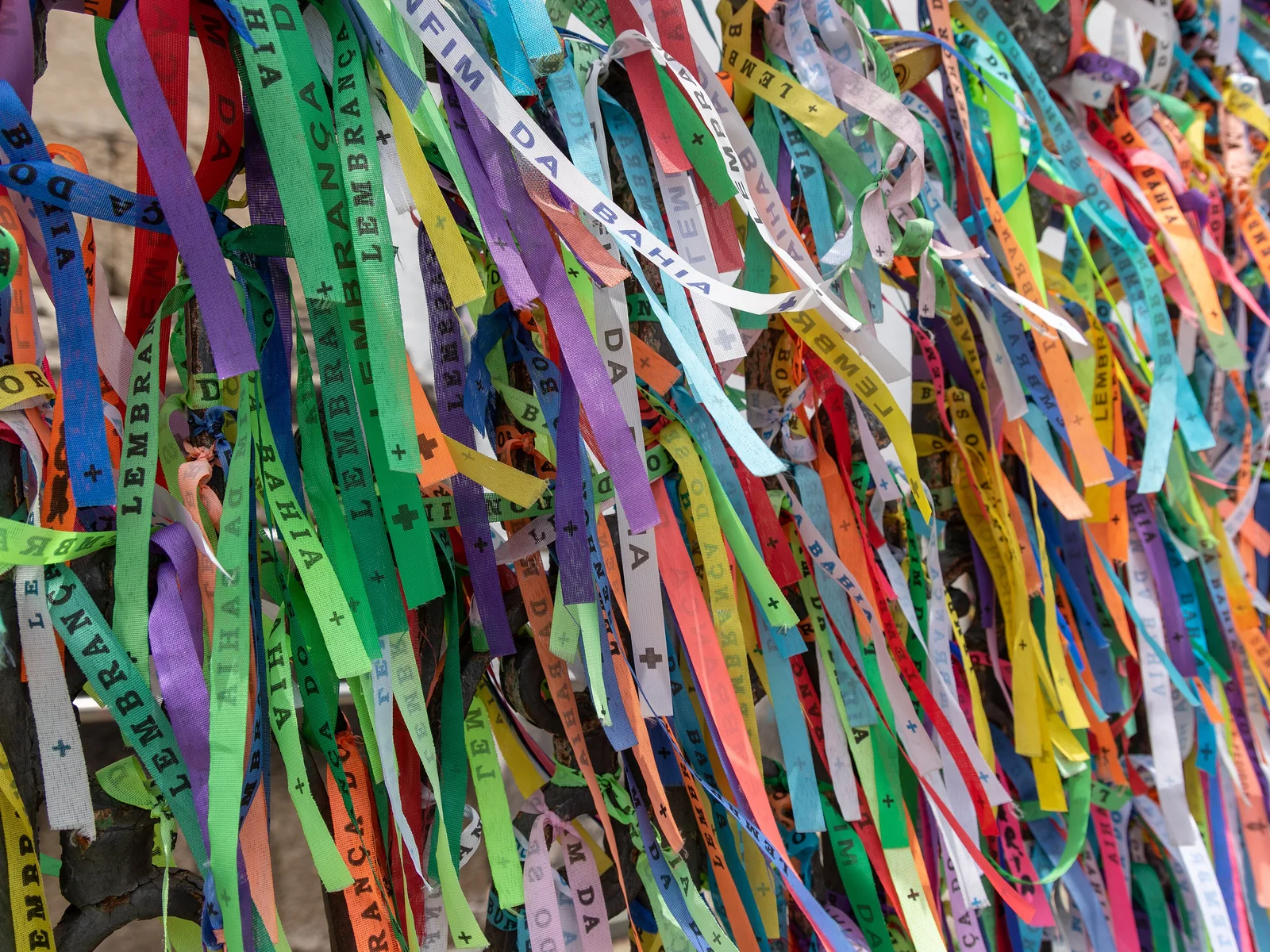
The coloured ribbon is the most famous souvenir in Bahia, and almost everyone does it wrong. The fita do Bonfim is a measure: its length, about forty-seven centimetres, is the exact length of the right arm of the church's statue of Christ, and the tradition of the "measured ribbon" goes back to around 1809. To do it properly, have someone tie the ribbon around your wrist with three knots, and make one wish at each knot. Then you leave it. You do not cut it off — cutting is said to cut off the wishes with it. You wear it through swims and showers and weeks until it frays and falls away on its own, and when it finally breaks, the tradition says your three wishes come true. That is why you see locals with a wrist of faded, months-old ribbons: each one is a wish still in progress. Pick up a few here, or at the Mercado Modelo, and tie one before you leave the hill.
Two faiths under one roof
What makes the Bonfim extraordinary is that two religions worship here at once. In the syncretism that Salvador invented to survive, the Catholic Senhor do Bonfim is also Oxalá, the eldest and greatest of the orixás of candomblé, the father of the pantheon, whose colour is white and whose day is Friday. That is why Bahians wear white on Fridays, and why the crowd on the hill blends rosary and candomblé without contradiction. It is the clearest single example of the double faith that runs through the whole city, told in full in our candomblé for visitors guide and set in its history in our Afro-Brazilian heritage guide.
The Room of Miracles
Off to one side of the church is the Sala dos Milagres, the Room of Miracles, and it is unforgettable. For generations, people cured of an illness or spared in an accident have left an offering of thanks — and because the thanks are specific, so are the offerings: wax and wooden replicas of healed legs, arms, hearts and heads hang from the ceiling in their hundreds, alongside photographs, crutches, football shirts and handwritten notes. It is part folk art, part collective prayer, and it tells you more about faith in Bahia than any plaque could. Entry is free, like the church; give a few minutes to reading the room rather than rushing it.
The Lavagem do Bonfim
Once a year the hill hosts one of Brazil's great popular festivals. On the second Thursday of January, the Lavagem do Bonfim brings a procession eight kilometres from the lower city to the church, led by hundreds of baianas in white who wash the church steps with scented water and flowers in a ritual that is openly both Catholic and candomblé. It draws more than a million people and is second only to Carnival in the city's calendar. If your trip lands in January, do not miss it — and read our dedicated Lavagem do Bonfim guide first, because the timing, the route and the etiquette all reward a little preparation.
Worth the trip — and easy from the centre
The Bonfim is one of the few sights in Salvador that is both a genuine local devotion and an easy, rewarding visit for a stranger — you can stand in the same forecourt as a family giving thanks and come away with a ribbon on your wrist and a real understanding of how the city believes. From the historic centre it is a short ride each way, which is one more reason to base yourself up top rather than out by the beaches. Our four suites sit in the Cidade Alta, minutes from the Pelourinho and the Elevador Lacerda, so a morning at the Bonfim and an afternoon in the old town is an easy single day. Have a look at our four suites when you plan the trip.
Salvador, in images
Photographs of the neighborhood, restaurant, and beach featured in this guide, with credit to each photographer.
Ready to discover Salvador?
Book one of the four Via Avantgarde suites in the Pelourinho — and receive the complete guides with recommendations for your stay.