Churches of Salvador not 365 — the seven that actually matter
Churches in Salvador, Bahia: the cathedral sacristy, São Francisco closed until 2029, the Rosário dos Pretos Tuesday mass, Bonfim’s ribbons — and how to visit well.
The essentials in 30 seconds
Every guide to the churches in Salvador, Bahia opens with the same claim: 365 of them, one for each day of the year. It is a song lyric, not a census; the honest count is argued over. Six or seven are genuinely worth your time: the Catedral Basílica for its sacristy ceiling, the Rosário dos Pretos for its Tuesday mass with drums, the Bonfim for the ribbons and the Sala dos Milagres, Conceição da Praia for the painted ceiling that taught Brazil perspective. The gilded São Francisco has been closed since its ceiling collapsed in early 2025 and stays shut until around 2029 — the carved sandstone church beside it is open, and most websites have not caught up. Cover shoulders and knees, keep the flash off, and treat every mass timetable as something to re-check.
Churches in Salvador, Bahia: forget the number 365
The 365 comes from Dorival Caymmi, who sang of a city with a church for every day of the year, and guides have repeated it ever since. Nobody who actually counts arrives at it. The archdiocese lists 372 Catholic temples across the whole modern municipality — a figure that leans on plain parish buildings in neighbourhoods no visitor reaches — while counts of the old colonial city that inspired the song come to a few dozen. Take whichever number you like; none of them is 365.
Of the churches in Salvador, Bahia, about seven genuinely matter to a visitor. This page is those seven: five you can reach on foot from the Cidade Alta (one of them via the Elevador Lacerda), two that justify a taxi — plus the etiquette that keeps you welcome inside all of them.
Catedral Basílica: the Jesuits’ church on the Terreiro de Jesus
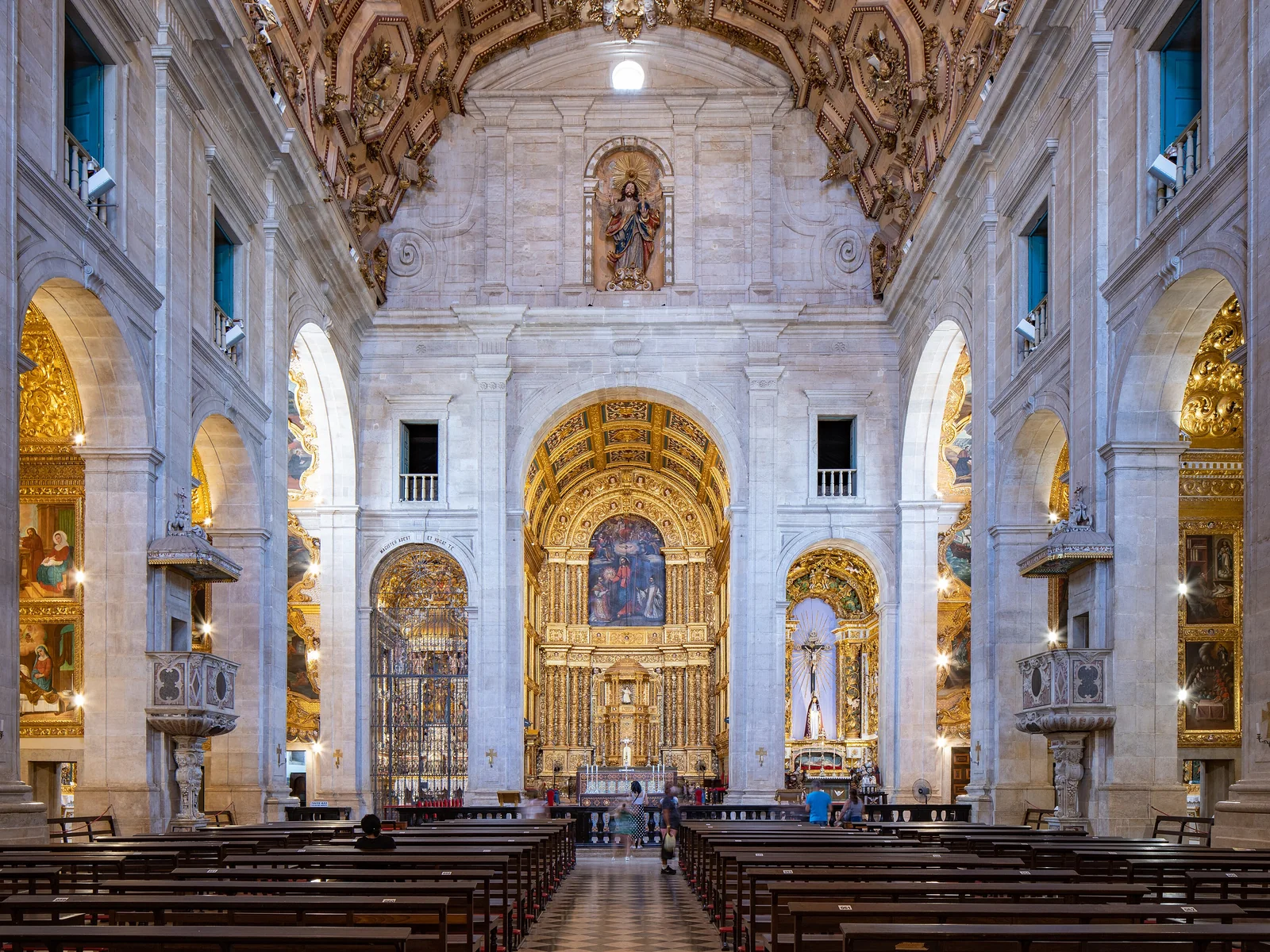
Salvador’s cathedral was built between 1657 and 1672 as the church of the Jesuit college, and it looks it: a sober Mannerist front of lioz limestone, cut in Portugal and shipped across as ballast, with Jesuit saints standing in the niches. Padre Antônio Vieira, the greatest sermonist in the Portuguese language, studied and preached here. When Portugal expelled the Jesuits in 1759, the building eventually inherited the cathedral role it holds today.
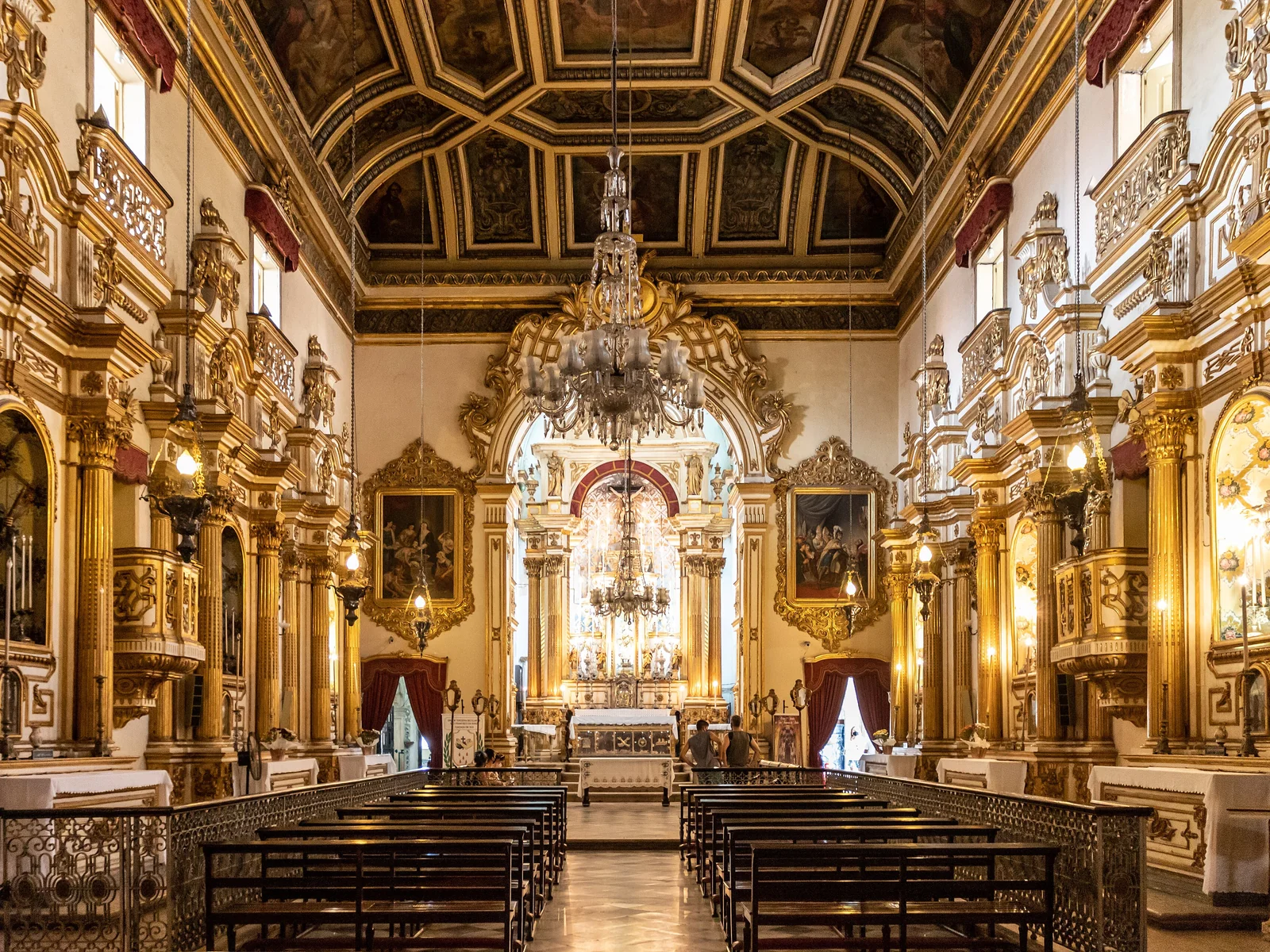
The reason to pay waits at the back. The sacristy of 1694 is one of the finest rooms in colonial Brazil: a ceiling set with painted portraits of Jesuit apostles and martyrs among floral panelling, altars of coloured Italian marble, walls of seventeenth-century Portuguese azulejo. Ten unhurried minutes in there tell you what Jesuit Brazil thought of itself. Entry was R$ 10 (about €1.70) at the end of 2025; opening hovers around 9 to 5, but the closed day varies by source — check the door before building a morning on it. The cathedral anchors the Terreiro de Jesus, the square where our Pelourinho guide begins.
São Francisco is closed — the church beside it earns the visit
Now the part most listings still get wrong. On 5 February 2025, part of the ceiling of the Igreja de São Francisco — the gold-drenched church on every Salvador postcard — collapsed during visiting hours, killing a 26-year-old tourist and injuring five other people. The church and convent have been shut ever since. IPHAN, the federal heritage institute, has confirmed a restoration pointing to reopening in 2029; the first phase alone is budgeted at roughly R$ 61 million, part federal money, part the Franciscans’ Abrace São Francisco fundraising campaign. Websites that still print its opening hours are out of date, and will be for years.
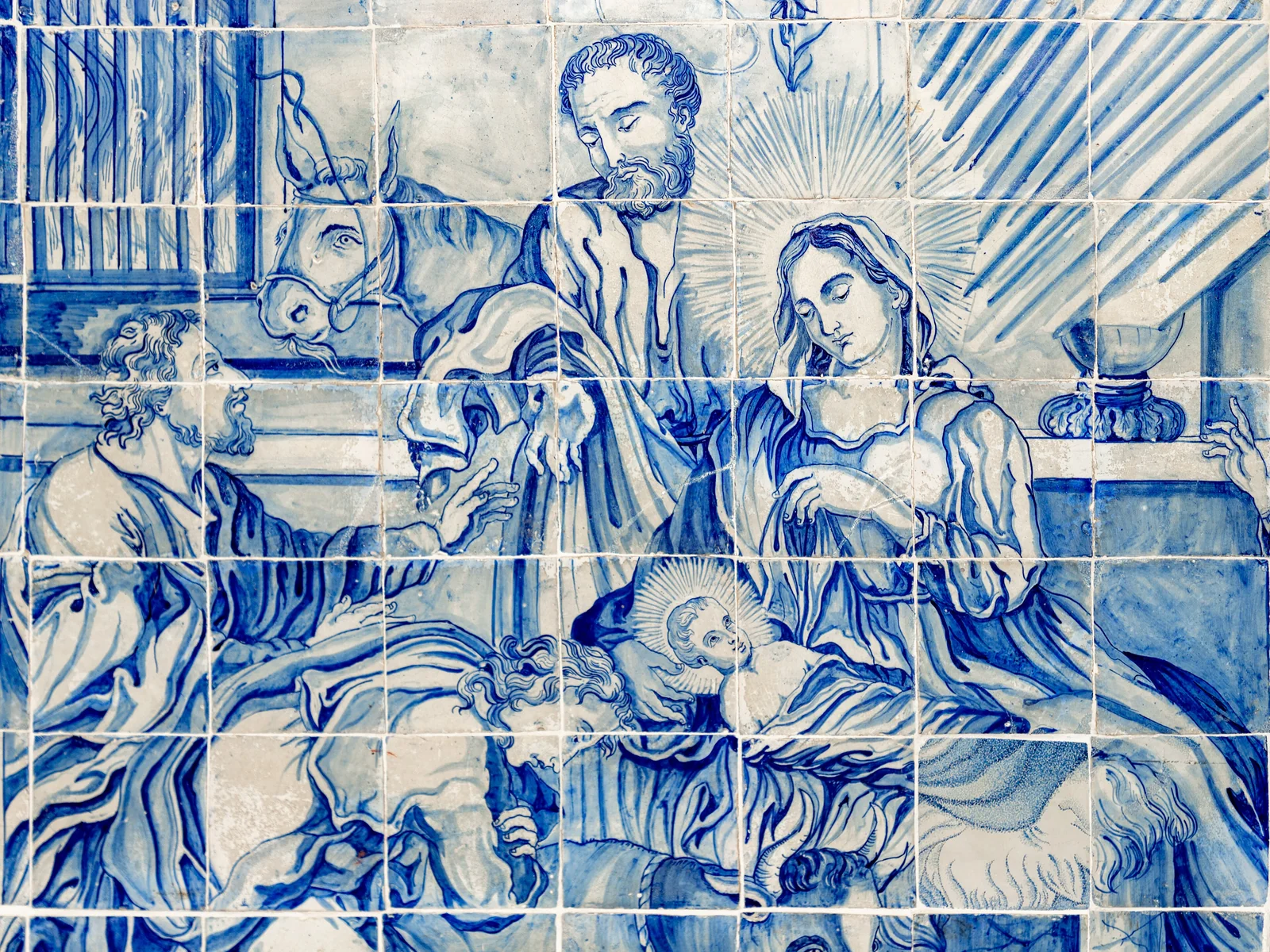
Two doors along, the Igreja da Ordem Terceira de São Francisco is open — and in most Brazilian cities it would be the headline. Its facade, begun after the cornerstone went in on 1 January 1702, is carved top to bottom in sandstone, the only Spanish-style plateresque front in Brazil apart from a plainer cousin in Paraíba. For most of two centuries all that carving sat hidden under plaster; in 1932 an electrician chasing a cable knocked a piece off and found the stone underneath. Inside are more than 1,500 square metres of azulejo panels, including views of Lisbon as it looked before the 1755 earthquake.
Rosário dos Pretos: the church enslaved people built for themselves
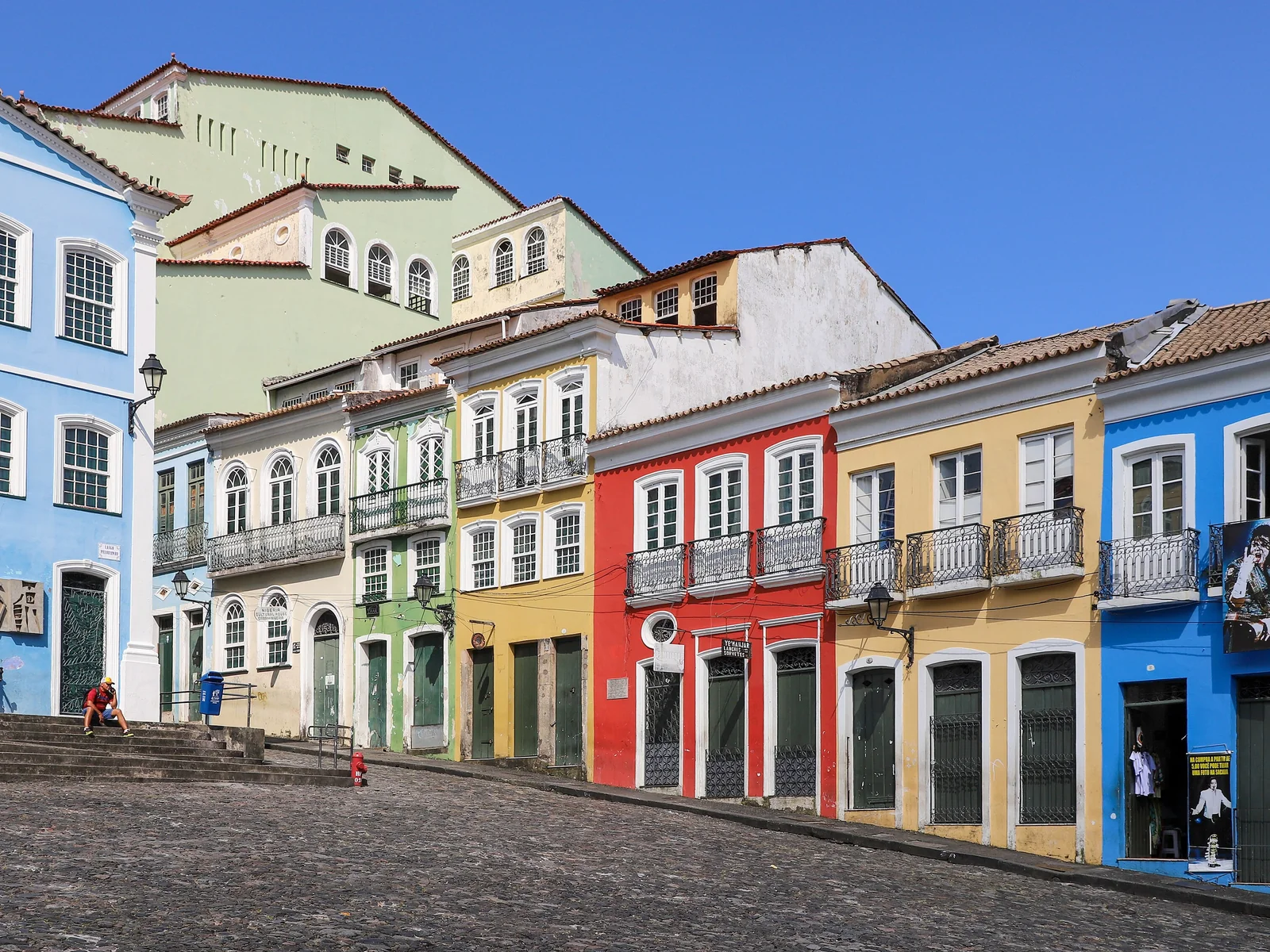
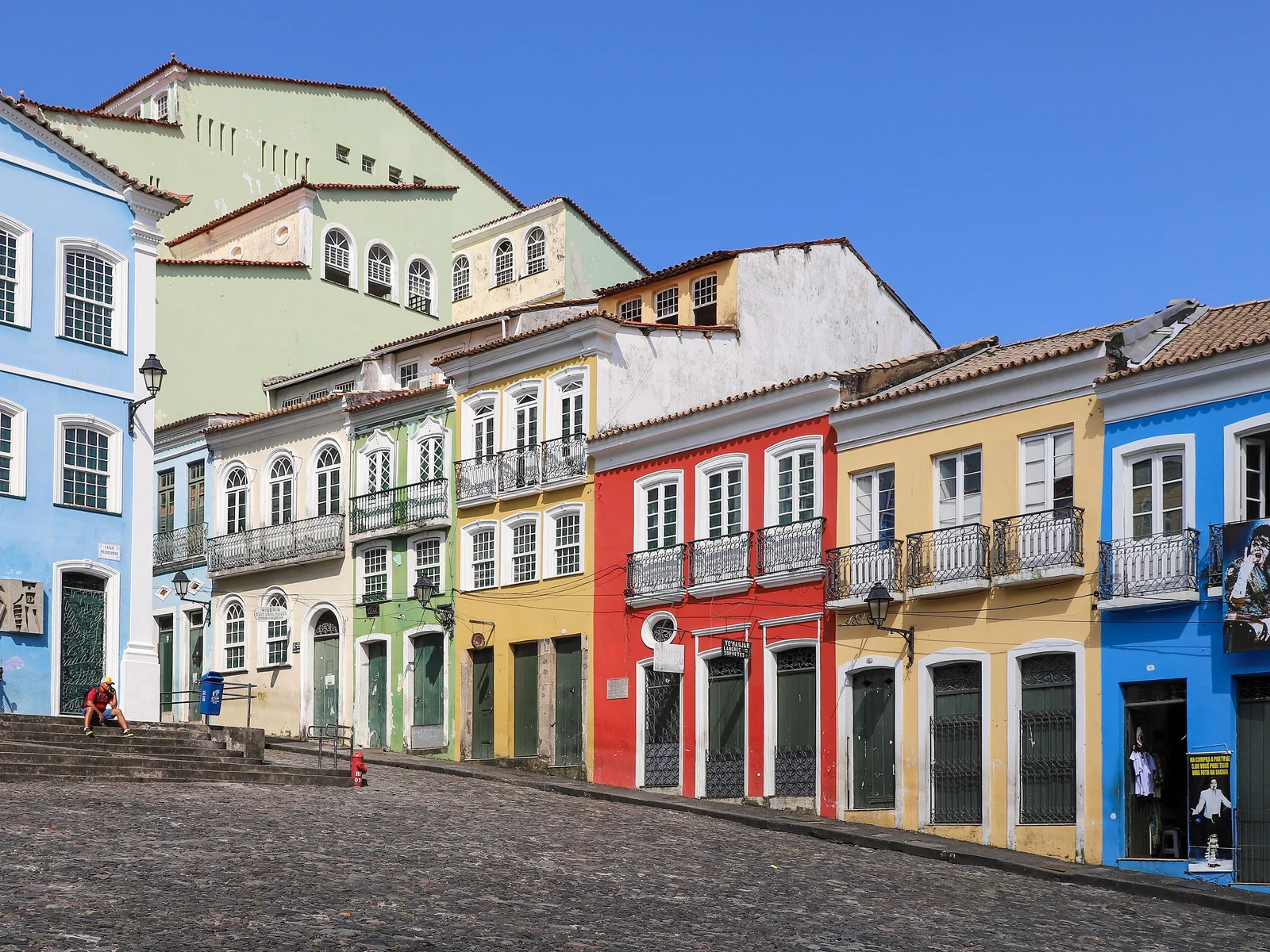
At the bottom of the Largo do Pelourinho stands a blue church that took about a hundred years to build. The Irmandade do Rosário dos Homens Pretos — a brotherhood of enslaved and freed Black Catholics, barred from the city’s white congregations — began it in the early 1700s and finished it roughly a century later, because its builders could only work in the hours they were not forced to give someone else. Knowing that changes how the pretty facade reads.
It remains the centre of Black Catholic life in Salvador, and its Tuesday six o’clock mass — atabaque drums, call-and-response singing, the congregation swaying in place — is the most alive hour you can spend in any church in the city. It is worship, not a show: the room takes about 80 people by order of arrival, so come early, dress properly and keep the camera down. On ordinary days a R$ 3 visit fee (about €0.50) applies, with weekday hours roughly 8 to 5 and Saturday to noon; mass itself is free. Why a brotherhood needed its own church at all is the subject of our Afro-Brazilian history guide — and on Tuesdays the drums move outdoors afterwards, when the Terça da Bênção spills across the Pelourinho’s squares; our music and nightlife guide covers that.
Bonfim: the ribbon, the room of miracles and the January washing
The Basílica do Senhor do Bonfim sits on its own hill above the Itapagipe peninsula, a short ride north of the centre, and is the church Bahia organises itself around. Those coloured ribbons on half the wrists in Brazil started here, and not as a souvenir: the first medida do Bonfim was made in 1809, a ribbon cut to 47 centimetres — the length of the right arm of the Christ figure on the high altar — and worn as a votive measure. The custom today: someone else ties it on your wrist with three knots, one wish per knot, and it must fall off on its own. Cut it and the wishes are off. The vendors on the square will tie it properly.
Inside, turn right for the Sala dos Milagres, where people leave photographs, letters and wax casts of the body parts they prayed for. It is one of the frankest rooms in Brazil, and it makes the double identity of the place legible: Senhor do Bonfim is honoured by Catholics and identified in Candomblé with Oxalá, which is why so many wear white, especially on Fridays. Our candomblé for visitors guide unpacks how the two faiths share this hill. Doors open before 7 most mornings, earlier still on Fridays and Sundays; the shrine posts current times on its official site.
Come in January and you can watch the city walk to it. On a Thursday in mid-January — 15 January in 2026 — hundreds of baianas in white lead the Lavagem do Bonfim, an eight-kilometre procession from Conceição da Praia up to the church, where they wash the forecourt and steps with água de cheiro, scented water. Recent editions have drawn crowds counted around two million. Outside Carnival it is the biggest date in the city; our Bahia festival calendar has the rest of them.
Conceição da Praia: the basilica that came by ship
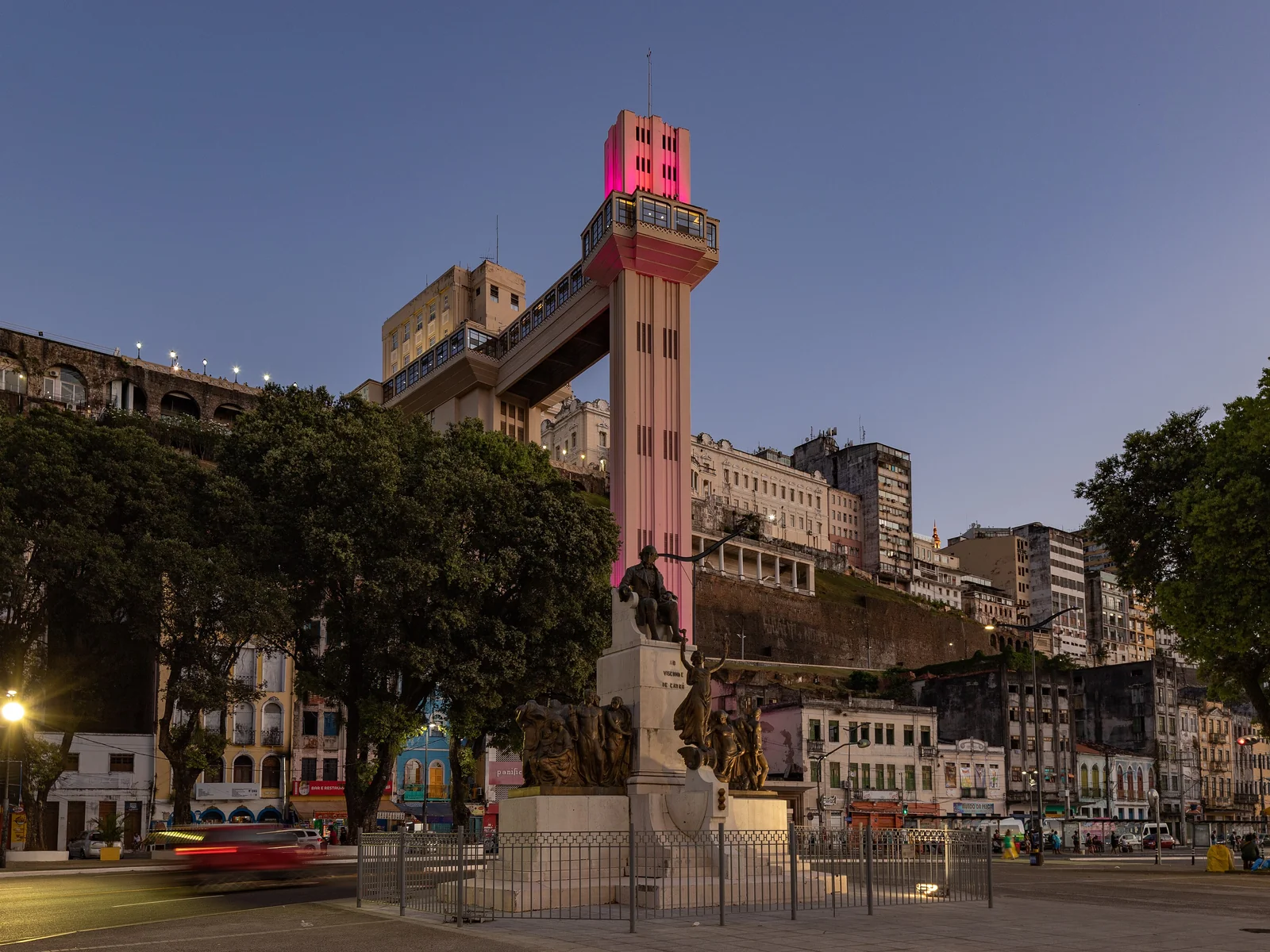
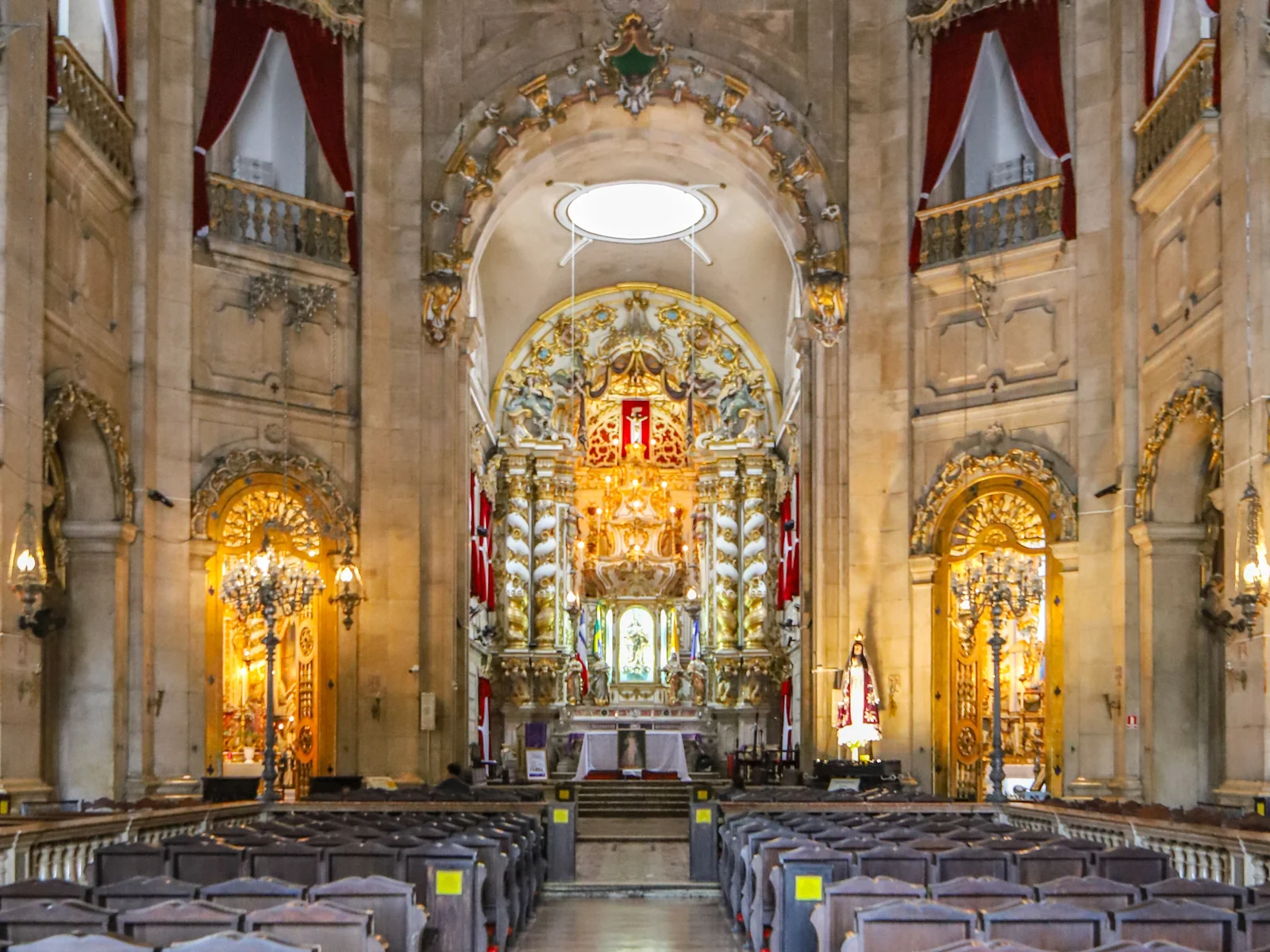
At the foot of the Elevador Lacerda — the 72-metre lift joining the upper and lower cities since 1873 — stands the church of Bahia’s patroness. The building is stranger than it looks: it was cut from lioz limestone in Lisbon, shipped across the Atlantic in numbered blocks from the 1730s onward and assembled here — a flat-pack basilica, two centuries before the concept. Inside, look up. The nave ceiling, the Glorificação da Imaculada Conceição, was painted in 1772–73 by the Bahian master José Joaquim da Rocha and became the model for illusionist church ceilings across Brazil.
Its feast day, 8 December, is a municipal holiday in Salvador — in December 2025 the parish counted 476 years of the festa, among the oldest Marian festivals in the country — and the Comércio fills from early morning. The January Lavagem walk to Bonfim starts from this door too, which tells you how the two ends of the city’s devotion are joined.
Santo Antônio da Barra: the small one with the view
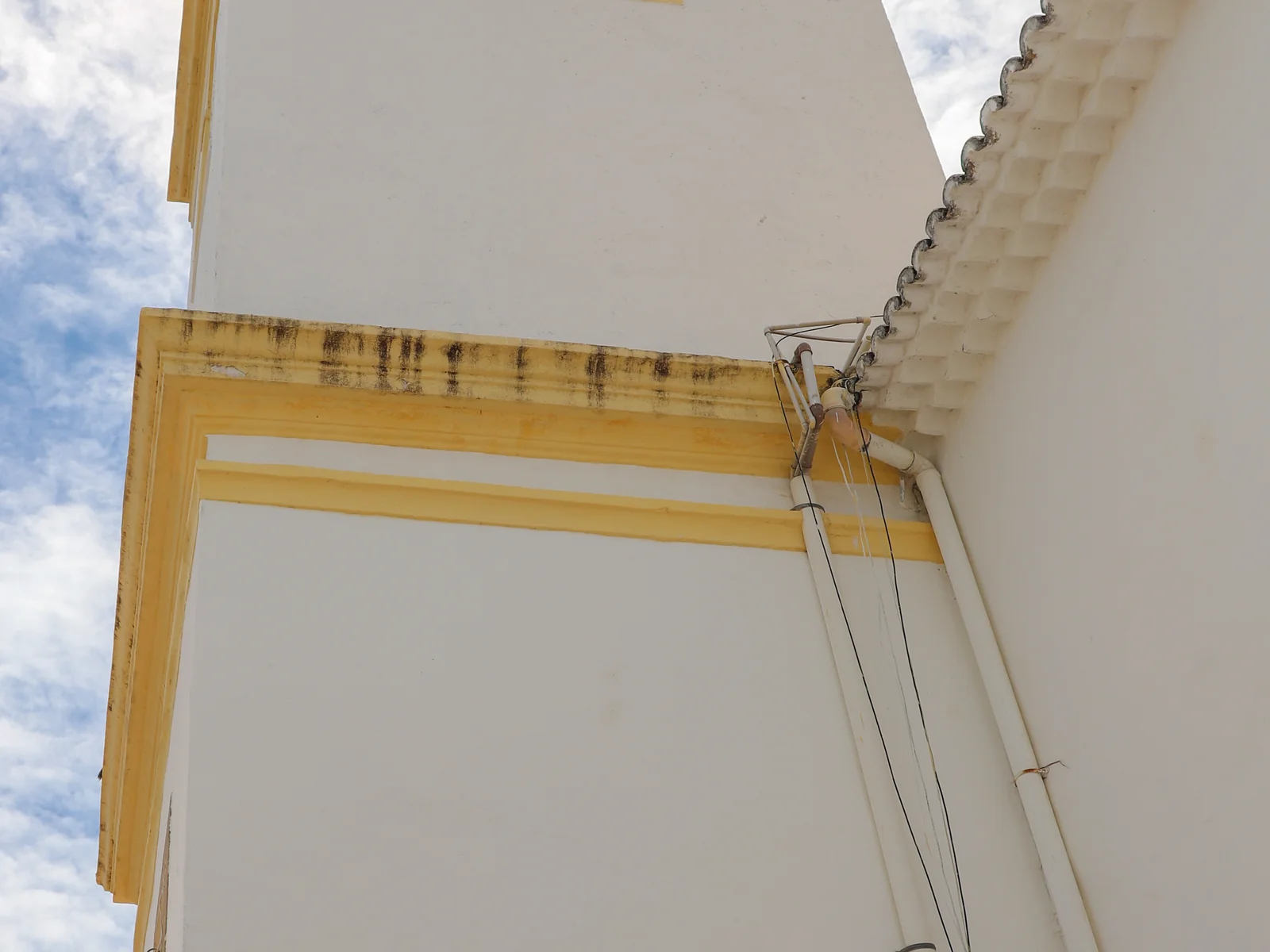
Out at the mouth of the bay, a white church stands on the hillock above the Forte de São Diogo, at the start of the Ladeira da Barra. The ground under it is older than the city: Vila Velha, Francisco Pereira Coutinho’s failed settlement of the 1530s, stood by this rise before Salvador was founded in 1549. The church’s own birthdate is argued — some accounts say the 1590s, and a document of 1629 already mentions the hermitage — and the federal register has listed it since 1938. Its bell towers wear pyramid caps of azulejo.
Be straight with yourself about what you will get: the doors are often locked outside service times. You come for the white church against the water, the terrace beside it and the view across the entrance of the bay — then fold it into a Porto da Barra sunset, a short walk on.
How to visit well: dress, cameras, mass times
These are working parish churches first and monuments second. The code, such as it is:
- Dress — shoulders and knees covered clears every door in this guide; beachwear gets turned away at the stricter ones. Hats off inside.
- Cameras — no flash anywhere, no photographing worshippers at prayer, and when a sacristy or museum posts a no-photo sign, it means it.
- Mass times — they shift with seasons and clergy, so treat any timetable you read online as provisional, this page included. The parish pages of the Archdiocese of São Salvador da Bahia carry current schedules, and each church posts the week’s list at the door.
- Money — the churches that charge ask R$ 3–10, so carry small notes; mass is always free.
One practical footnote: stay in the Cidade Alta and the bells run your mornings. The Catedral Basílica, the Ordem Terceira and the Rosário dos Pretos all stand within a ten-minute walk of our boutique suites, with Conceição da Praia one lift ride below; do Bonfim and Santo Antônio da Barra as a single unhurried taxi morning, and you will have seen the churches of Salvador that count without ever needing the number 365.
Salvador, in images
Photographs of the neighborhood, restaurant, and beach featured in this guide, with credit to each photographer.
Ready to discover Salvador?
Book one of the four Via Avantgarde suites in the Pelourinho — and receive the complete guides with recommendations for your stay.