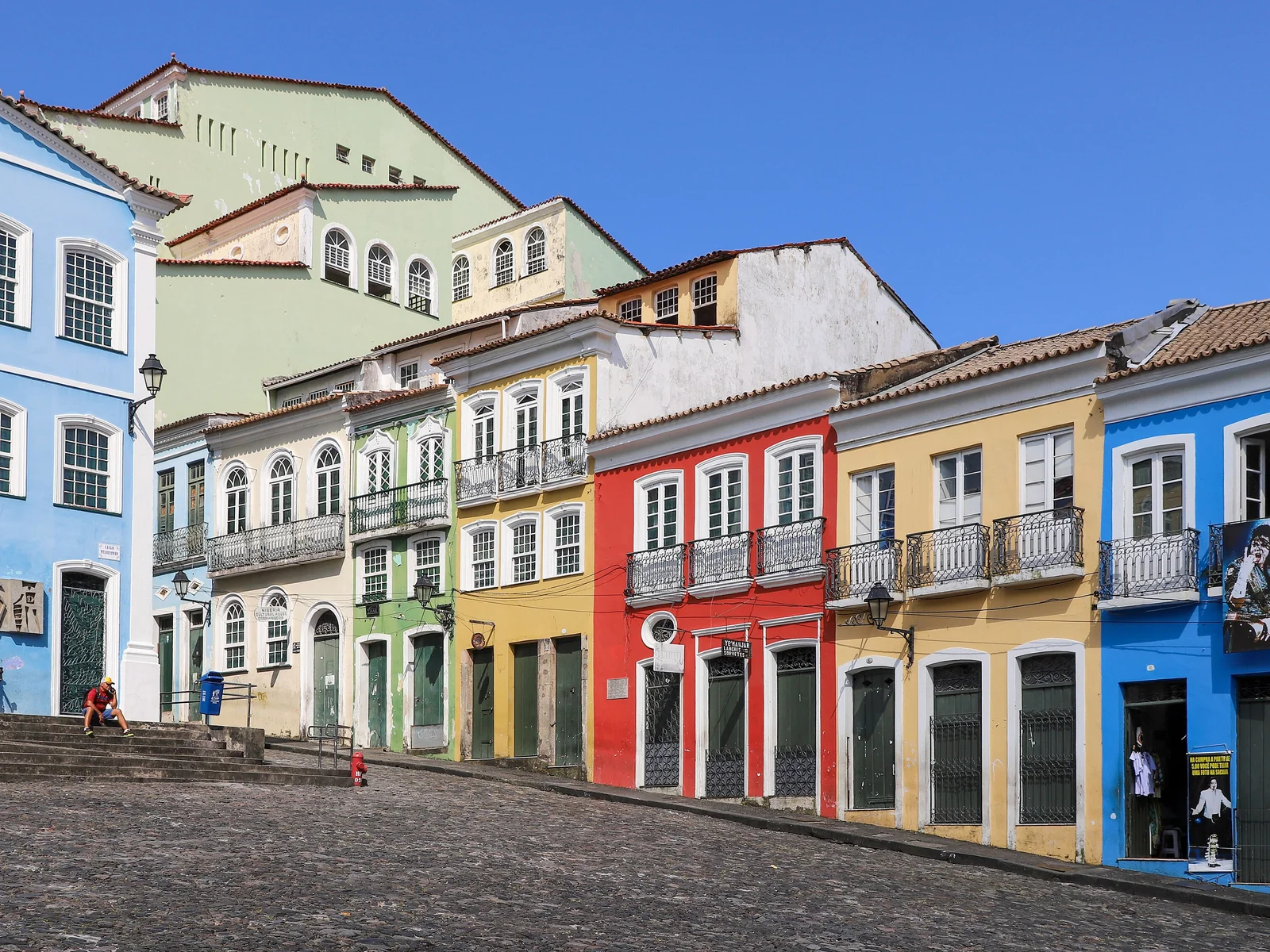
Portuguese for travelers Greetings, food and Bahian slang
Learn Brazilian Portuguese phrases for travelers before Salvador: greetings, politeness, food, numbers and Bahian slang, each with an easy sound-it-out hint.
The essentials in 30 seconds
A handful of Brazilian Portuguese phrases for travelers is the difference between feeling lost and feeling genuinely welcome in Salvador. Brazil speaks Portuguese, not Spanish, and once you step past a hotel front desk the English gets thin — but Bahians are warm, patient people who light up the moment you try. Learn to say bom dia, por favor and obrigado (if you are a man) or obrigada (if you are a woman), keep quanto custa? and a conta, por favor in your pocket, and you will glide through a Salvador day. Below you get greetings, politeness, food words, numbers and a little Bahian slang, each with a plain sound-it-out hint. No grammar. No pressure.
Portuguese, not Spanish (and English is limited)
First, the big one: Brazil speaks Portuguese. On paper it resembles Spanish, but out loud it is a different, more nasal, more musical language, and greeting someone with hola or gracias just misses. Beyond hotel receptions and a few tour desks, English is genuinely limited — in markets, taxis, corner bars and family kitchens you are on your own, and that is part of the fun. You do not need to be fluent. A smile and three correct words will carry you further than a flawless sentence delivered coldly, and every attempt is met with encouragement rather than judgment. If you like to prepare, Wikivoyage keeps a solid free Brazilian Portuguese phrasebook to skim on the plane.
- Português — Portuguese, the language of all Brazil (por-too-GESS)
- Brasileiro — the Brazilian way of speaking it, softer than Portugal's (brah-zee-LAY-roo)
- Fala devagar, por favor — speak slowly, please (FAH-lah deh-vah-GAR por fah-VOR)
- Falo só um pouquinho — I only speak a little (FAH-loo saw oong poh-KEE-nyoo)
Pronunciation: how the letters really sound
Portuguese spelling looks familiar but plays by its own rules. Get these seven habits into your ear and your words will land the first time. When you want to hear a real voice say any word, the crowd-sourced audio at Forvo is the fastest way to check.
- ã and ão — nasal, sent through the nose; não (no) is like the English "now" gently hummed (nowng)
- r at the start of a word — sounds like an English "h"; Rio is "HEE-oo" and rua (street) is "HOO-ah"
- lh — like the "lli" in "million"; filho (son) is "FEE-lyoo"
- nh — like the "ny" in "canyon"; banheiro (bathroom) is "bah-NYAY-roo"
- ç — always a soft "s", never a "k"; licença is "lee-SEN-sah"
- di and te — before an "ee" sound they soften to "jee" and "chee"; boa noite ends "NOY-chee"
- Accented vowels — the accent (á, ê, ó) marks the beat you stress; café is "kah-FEH"
Greetings: the friendliest Brazilian Portuguese phrases for travelers
Brazilians greet warmly and often. Lead with the time-of-day greeting, add tudo bem?, and you have already made a friend. Oi is your everyday "hi" and tchau is your everyday "bye".
- Oi — hi (informal, any time of day) (oy)
- Olá — hello (a touch more formal) (oh-LAH)
- Bom dia — good morning (bohn JEE-ah)
- Boa tarde — good afternoon (BOH-ah TAR-jee)
- Boa noite — good evening / good night (BOH-ah NOY-chee)
- Tudo bem? — how are you? / all good? (TOO-doo BENG)
- Tchau — bye (chow)
- Até logo — see you later (ah-TEH LOH-goo)
Politeness that opens every door
Courtesy is currency in Brazil. A soft com licença as you slip past, an obrigado for the smallest kindness, and locals will go out of their way for you. Note the one that trips up beginners: obrigado or obrigada changes with your own gender, not the listener's.
- Por favor — please (por fah-VOR)
- Obrigado — thank you (said by a man) (oh-bree-GAH-doo)
- Obrigada — thank you (said by a woman) (oh-bree-GAH-dah)
- De nada — you are welcome (jee NAH-dah)
- Com licença — excuse me (passing by or getting attention) (kong lee-SEN-sah)
- Desculpe — sorry (dis-KOOL-pee)
- Sim / Não — yes / no (seeng / nowng)
- Você fala inglês? — do you speak English? (voh-SEH FAH-lah een-GLESS)
- Não falo português — I do not speak Portuguese (nowng FAH-loo por-too-GESS)
- Não entendi — I did not understand (nowng en-ten-JEE)
Getting around Salvador
The Cidade Alta is best on foot, but you will still hail rides and ask directions. Save your address written out to show a driver, and lean on these. Banheiro is the word you will be glad you learned.
- Onde fica...? — where is...? (ONG-jee FEE-kah)
- Quanto custa? — how much is it? (KWAN-too KOOS-tah)
- A conta, por favor — the bill, please (ah KONG-tah por fah-VOR)
- Direita / Esquerda — right / left (jee-RAY-tah / es-KER-dah)
- Aqui / Ali — here / there (ah-KEE / ah-LEE)
- Chame um Uber — call an Uber (SHAH-mee oong OO-ber)
- Banheiro — bathroom / toilet (bah-NYAY-roo)
Food and drink (two words save your palate)
Bahian food is one of the great reasons to come, and a few words let you order it exactly as you like. Our Salvador food guide goes deeper on the dishes; here are the words that get them to the table.
- Uma mesa para dois — a table for two (OO-mah MEH-zah PAH-rah doyss)
- Sem pimenta — no chili (seng pee-MEN-tah)
- Sem dendê — no palm oil (seng den-DEH)
- Água com gás / sem gás — sparkling / still water (AH-gwah kong GAHS / seng GAHS)
- Uma cerveja, bem gelada — a beer, nice and cold (OO-mah ser-VEH-zhah beng zheh-LAH-dah)
- Sou vegetariano / vegetariana — I am vegetarian (man / woman) (soh veh-zheh-tah-ree-AH-noo / -AH-nah)
- Delícia! — delicious! (deh-LEE-see-ah)
Numbers, cash, card and PIX
You do not need much math, but knowing one to ten helps with prices, portions and taxis. When you pay, three words cover almost everything — and PIX, Brazil's instant bank transfer, is everywhere, even at beach kiosks.
- Um, dois, três, quatro, cinco — 1-5 (oong, doyss, trehss, KWAH-troo, SEEN-koo)
- Seis, sete, oito, nove, dez — 6-10 (sayss, SEH-chee, OY-too, NOH-vee, dehss)
- Cartão — card (kar-TOWNG)
- Dinheiro — cash (jee-NYAY-roo)
- PIX — instant bank transfer, widely accepted (peeks)
Emergency Brazilian Portuguese phrases for travelers
You will almost certainly never need these, but they are worth five minutes to memorize. If something goes wrong, say preciso de ajuda clearly and most people will stop and help. Brazil's emergency numbers are 190 for police and 192 for an ambulance.
- Preciso de ajuda — I need help (preh-SEE-zoo jee ah-ZHOO-dah)
- Chame a polícia — call the police (SHAH-mee ah poh-LEE-see-ah)
- Chame uma ambulância — call an ambulance (SHAH-mee OO-mah am-boo-LAN-see-ah)
- Farmácia — pharmacy (far-MAH-see-ah)
- Hospital — hospital (os-pee-TAHL)
- Me perdi — I am lost (mee per-JEE)
A little Bahian flavor
Salvador has its own way of talking, warm and full of soul. You do not need these, but drop one at the right moment and you will get a delighted grin. Meu rei and minha rainha — "my king" and "my queen" — are how Bahians make a total stranger feel like family.
- Axé — positive energy, life force (and a music style) (ah-SHEH)
- Oxente — a very Bahian "well, would you look at that!" (oh-SHEN-chee)
- Meu rei / minha rainha — "my king / my queen", a warm way to address a man / a woman (meoo HAY / MEE-nyah ha-EEN-yah)
- Massa — cool, great (MAH-sah)
- Arretado — awesome, terrific (a northeastern flavor) (ah-heh-TAH-doo)
That is genuinely all you need. String together a bom dia, a por favor and an obrigado, sprinkle a massa when something delights you, and Salvador opens right up. For the practical side of your trip — money, safety and getting around — see our practical Salvador guide, and when you are ready to settle into the heart of the old town, our suites in the Cidade Alta put every one of these phrases within a short, sunlit walk. Boa viagem.
Salvador, in images
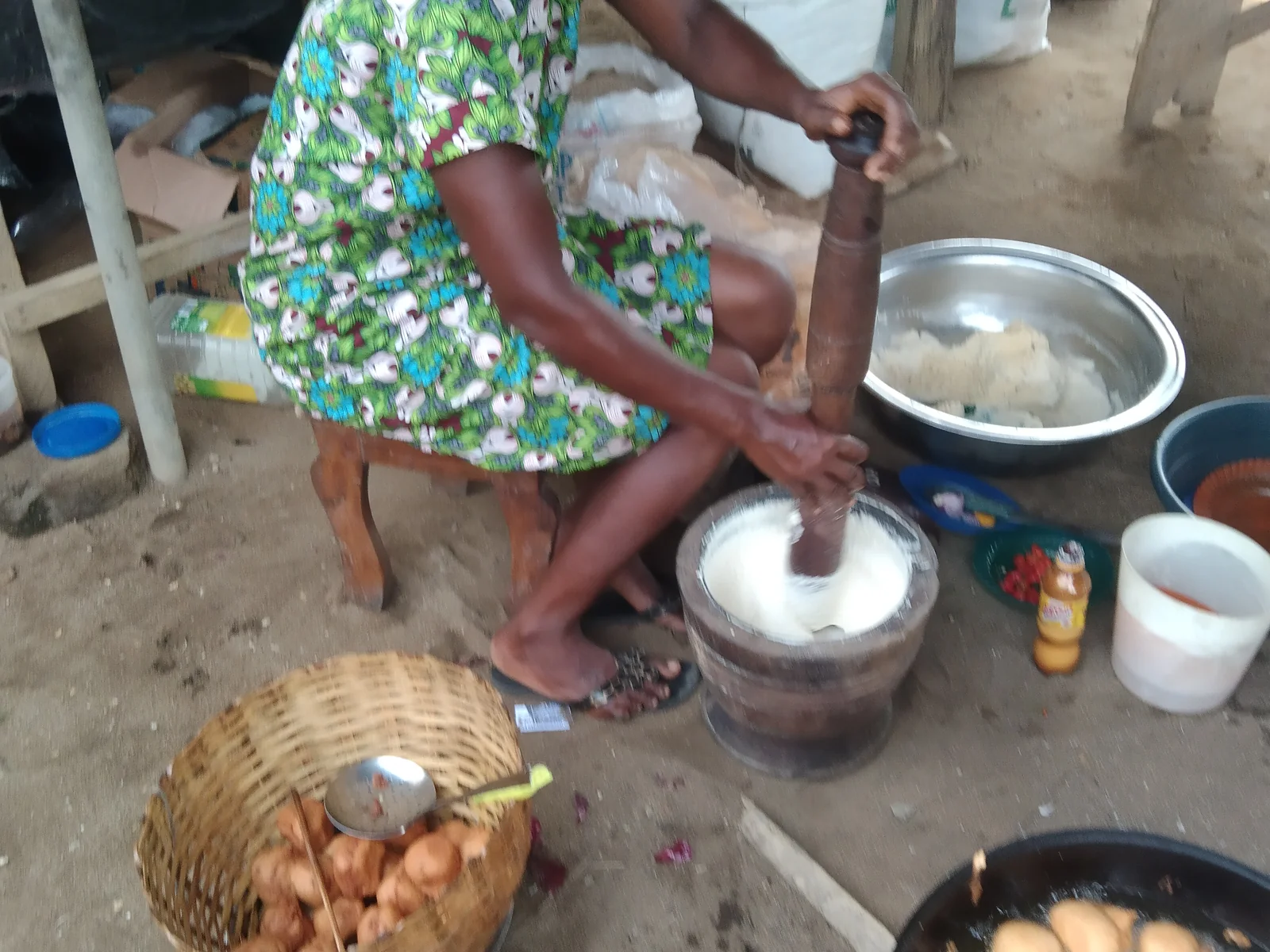
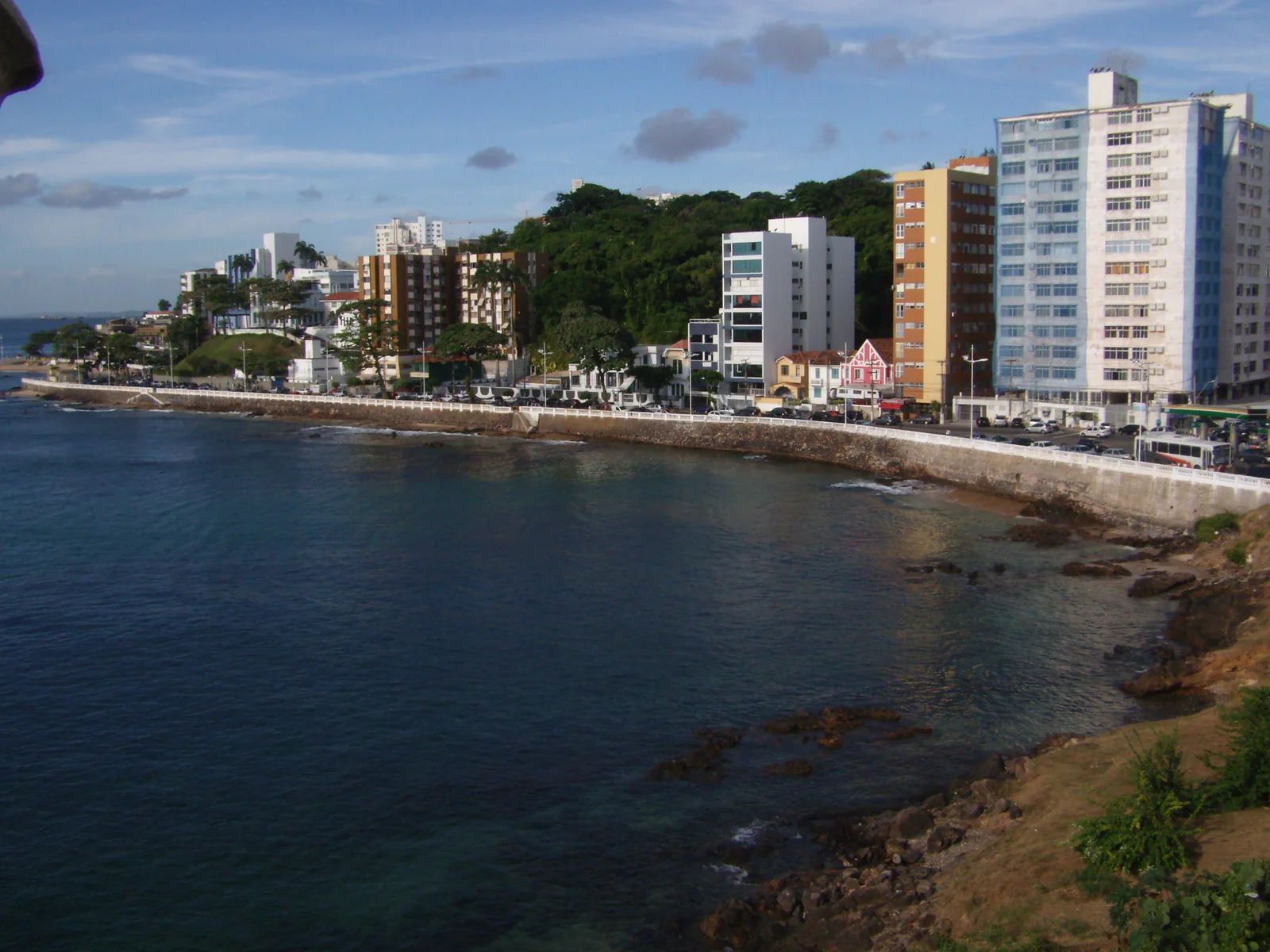
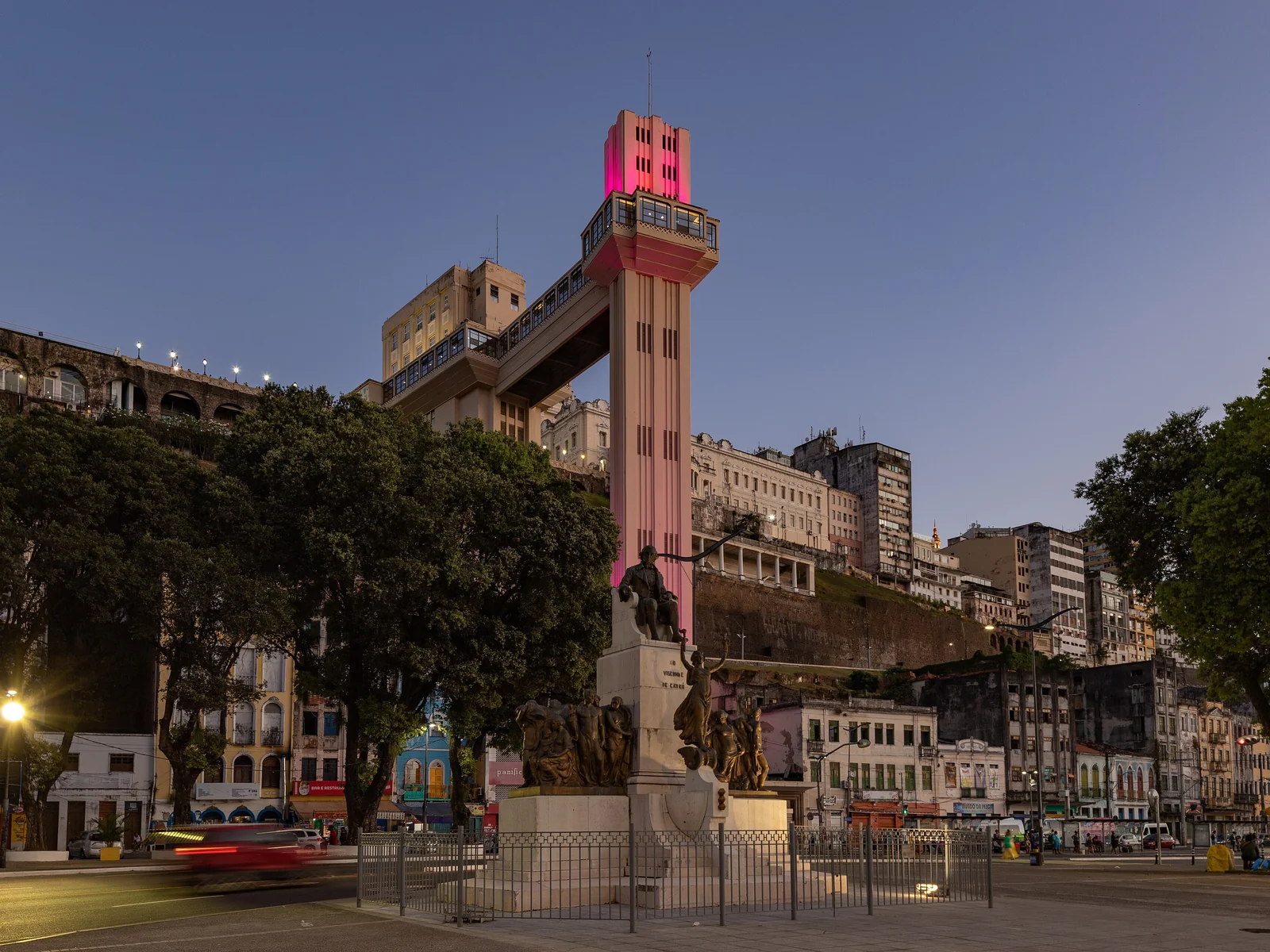
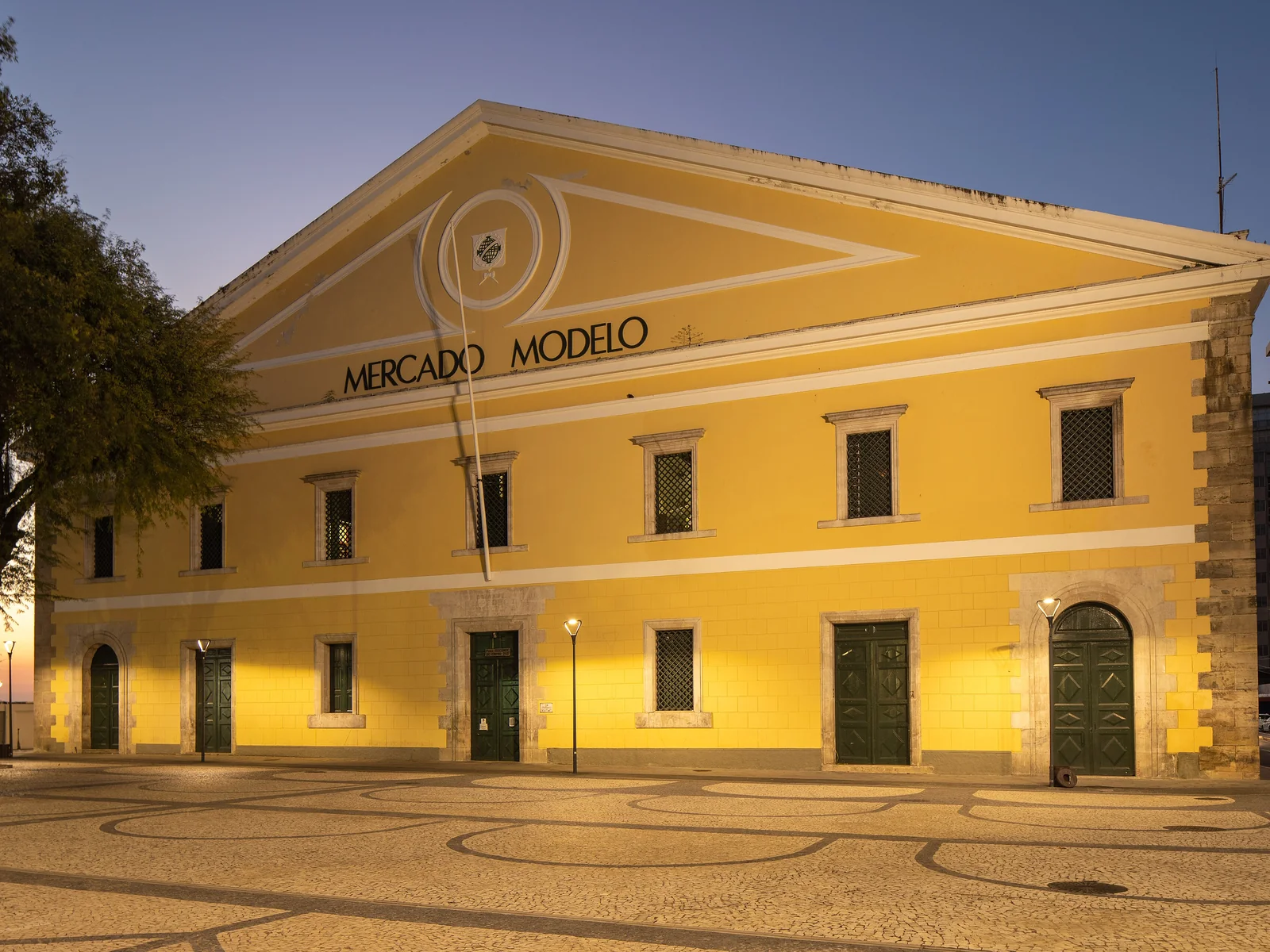
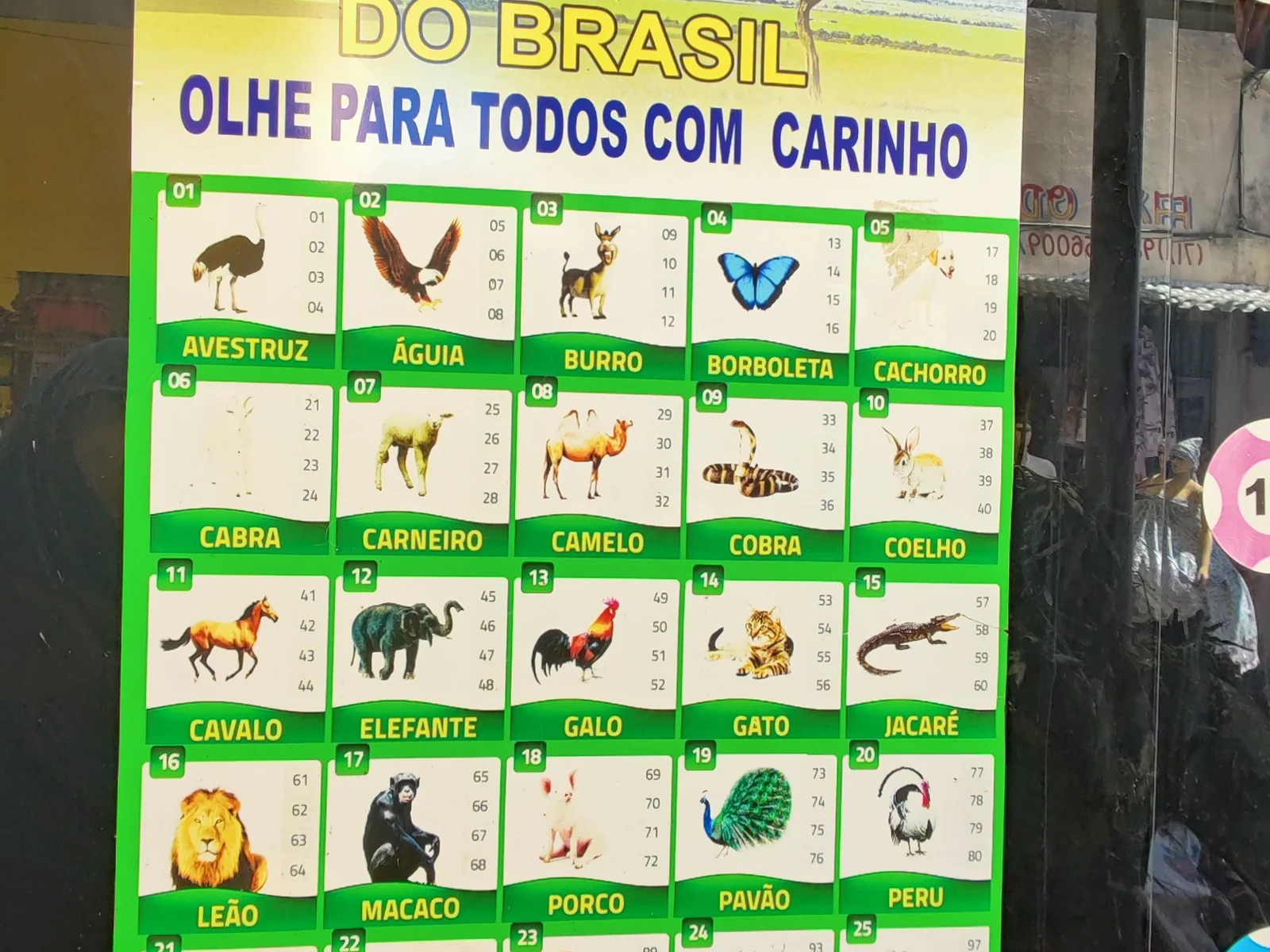
Photographs of the neighborhood, restaurant, and beach featured in this guide, with credit to each photographer.
Ready to discover Salvador?
Book one of the four Via Avantgarde suites in the Pelourinho — and receive the complete guides with recommendations for your stay.