Capoeira in Salvador where to watch it, where to try it
Capoeira in Salvador: what it actually is, Angola vs Regional, the role of the berimbau, where to find real rodas, the etiquette (and cost) of street rodas, and how to take a first class with no experience.
The essentials in 30 seconds
Capoeira is the Afro-Brazilian art that looks like a dance, moves like a game and was born as a fight — developed by enslaved Africans in Brazil, and nowhere more deeply rooted than in Bahia. Salvador is where it was codified, where its two great masters taught, and the best place on Earth to see it done properly. UNESCO recognised the roda de capoeira as Intangible Cultural Heritage of Humanity in 2014. You'll find informal rodas in the Pelourinho and near the Mercado Modelo, and serious academies around the Forte Santo Antônio, the old fort that houses several schools. Watching is free — but street performers expect payment, so carry small notes. Trying it needs no fitness and no experience.
What capoeira actually is
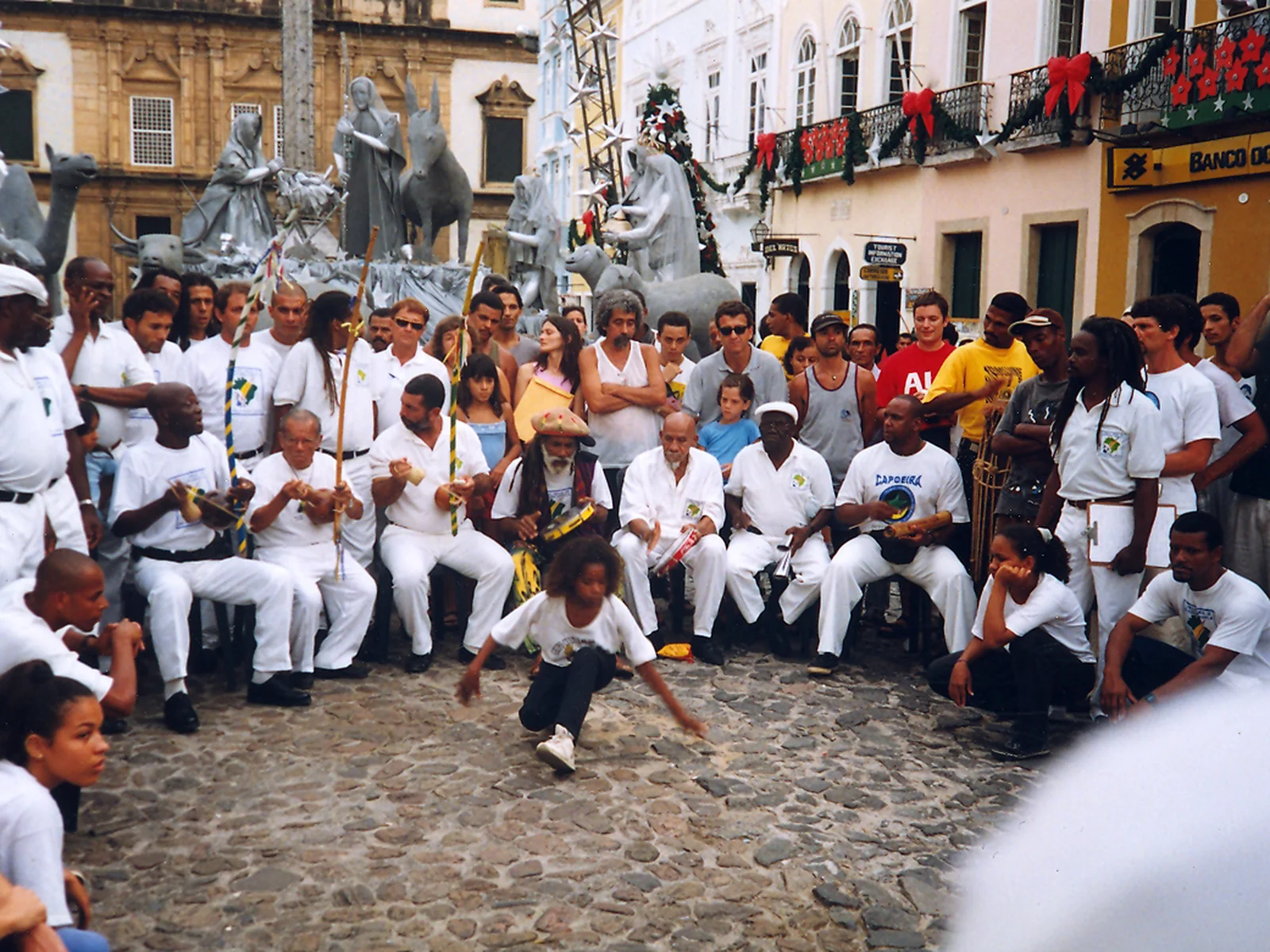
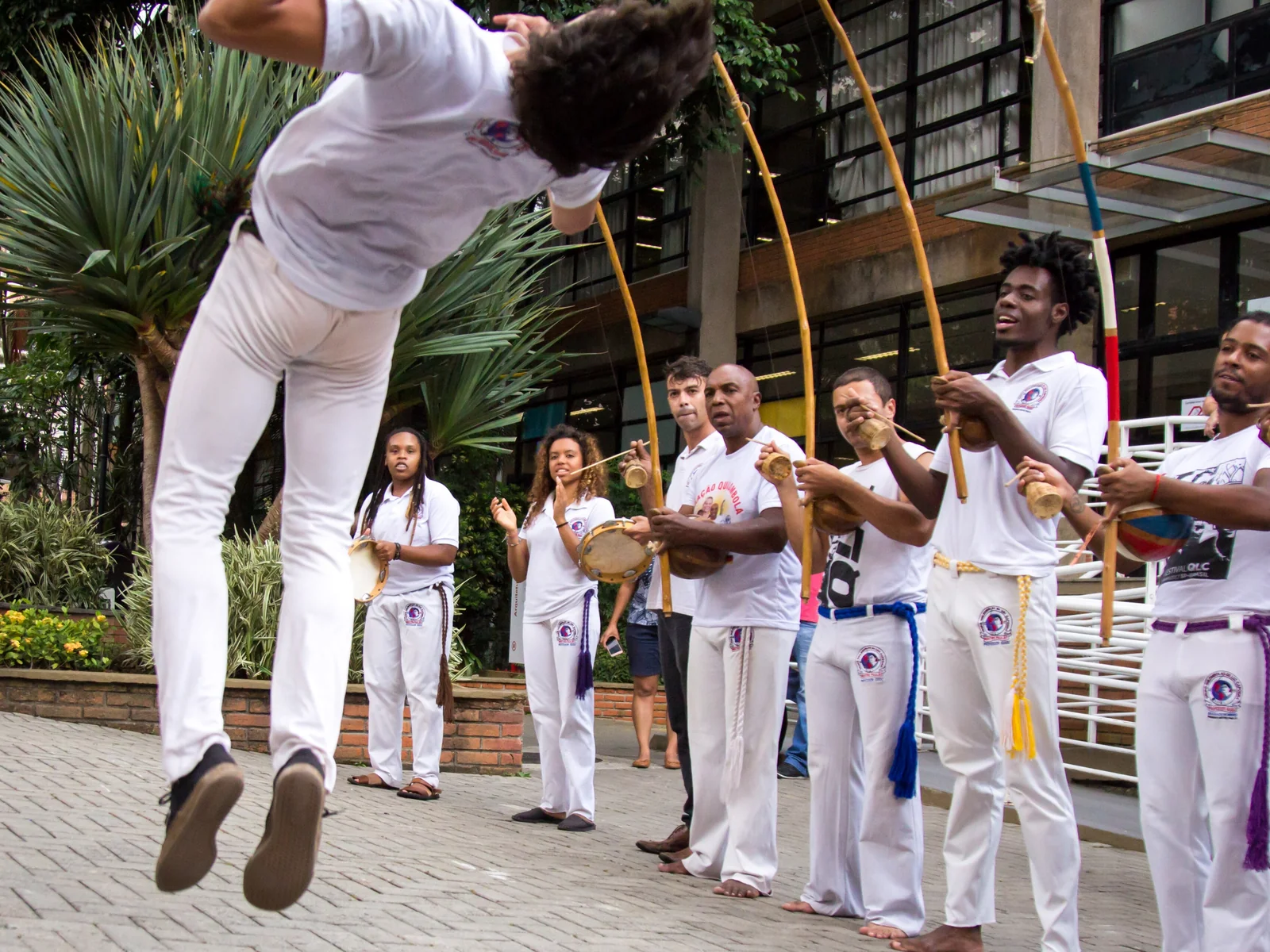
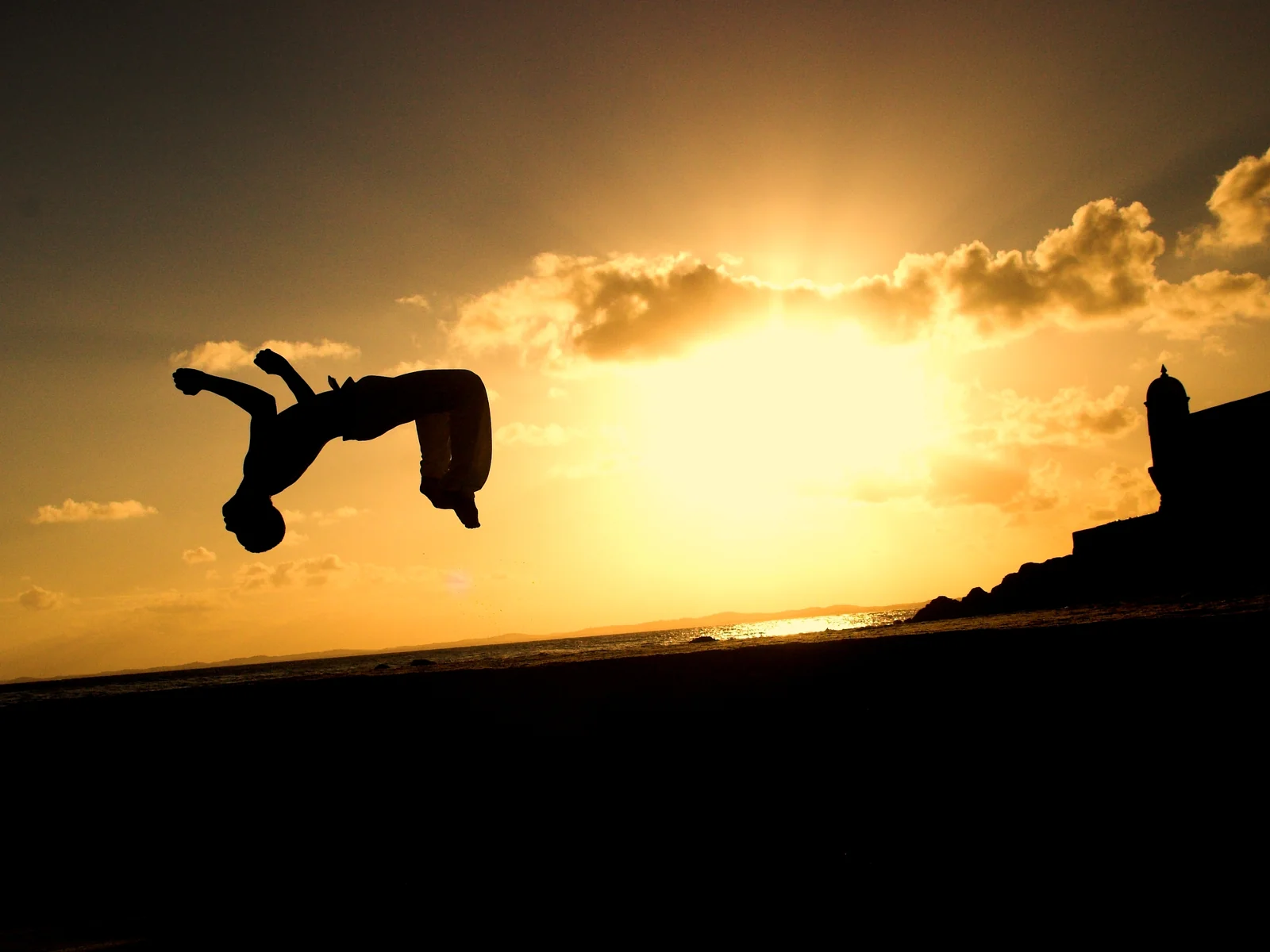
Two people face each other inside a circle of singers and drummers. They move low, sweeping and spinning, throwing kicks that stop short and answering with a dodge rather than a block. Nobody is trying to hurt anyone, and nobody is pretending either — it's a conversation held with the body, and it can turn serious in an instant. That circle is the roda, and it is the whole art: without the music, the singing and the ring of people, it isn't capoeira, it's just movement.
The history behind it is Bahian. Enslaved Africans brought to the sugar plantations of the Recôncavo developed a form of combat that could be practised in plain sight, disguised as play and set to music. It survived abolition as an outlaw practice — capoeira was actually criminalised in Brazil in 1890 — before being rehabilitated in the 1930s and eventually claimed as a national art. Understanding that arc changes what you see in the roda; our Afro-Brazilian history guide tells the fuller story of the culture it comes from.
Angola and Regional — the two styles you'll see
Nearly all capoeira descends from two Bahian lineages, both taught in Salvador:
- Capoeira Angola — the older, slower, closer-to-the-ground style, full of guile, theatre and trickery, associated with Mestre Pastinha, who spent his life arguing that the old form should be preserved rather than modernised. Watch for players almost crawling around each other, playing with rhythm and provocation.
- Capoeira Regional — created in the 1930s by Mestre Bimba, who added a structured teaching method, sequences and throws, and famously persuaded the authorities that capoeira was a legitimate physical culture rather than a criminal one. Faster, more upright, more athletic.
Most modern academies teach something between the two, often called contemporânea. As a visitor you don't need to pick a side — but knowing which you're looking at makes a roda far more interesting.
The music is not background
The instruments run the game. The berimbau — a single-string bow with a gourd resonator — leads: its rhythm, the toque, tells the players whether this game is slow and cunning or fast and open, and can stop a roda dead. Around it sit the atabaque drum, the pandeiro tambourine, the agogô bell and the reco-reco scraper, plus everyone singing — a lead voice with the circle answering in chorus. The songs carry history, jokes, warnings and commentary on the game in front of them. If you take one thing away from a roda, let it be this: the musicians are not accompanying the fight. They are directing it.
Where to watch capoeira in Salvador
You will not have to hunt for it, but there is a real difference between what you find by accident and what's worth planning:
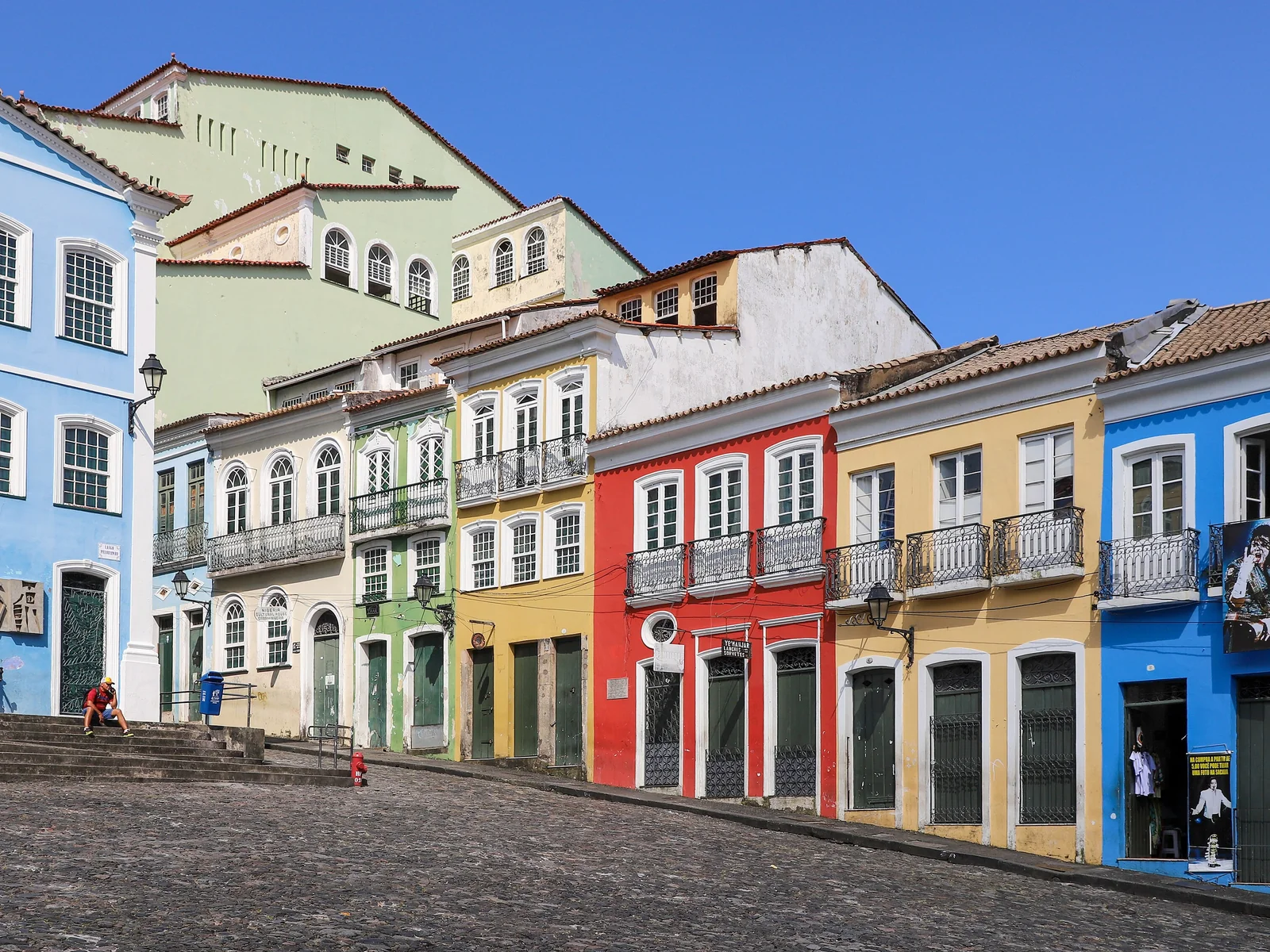
- Terreiro de Jesus and the Pelourinho squares — the easiest place to stumble across a roda, most days, especially in the afternoon. Lively, touristic, and expecting a contribution.
- Beside the Mercado Modelo — the same, down in the lower city, often with acrobatics aimed squarely at visitors.
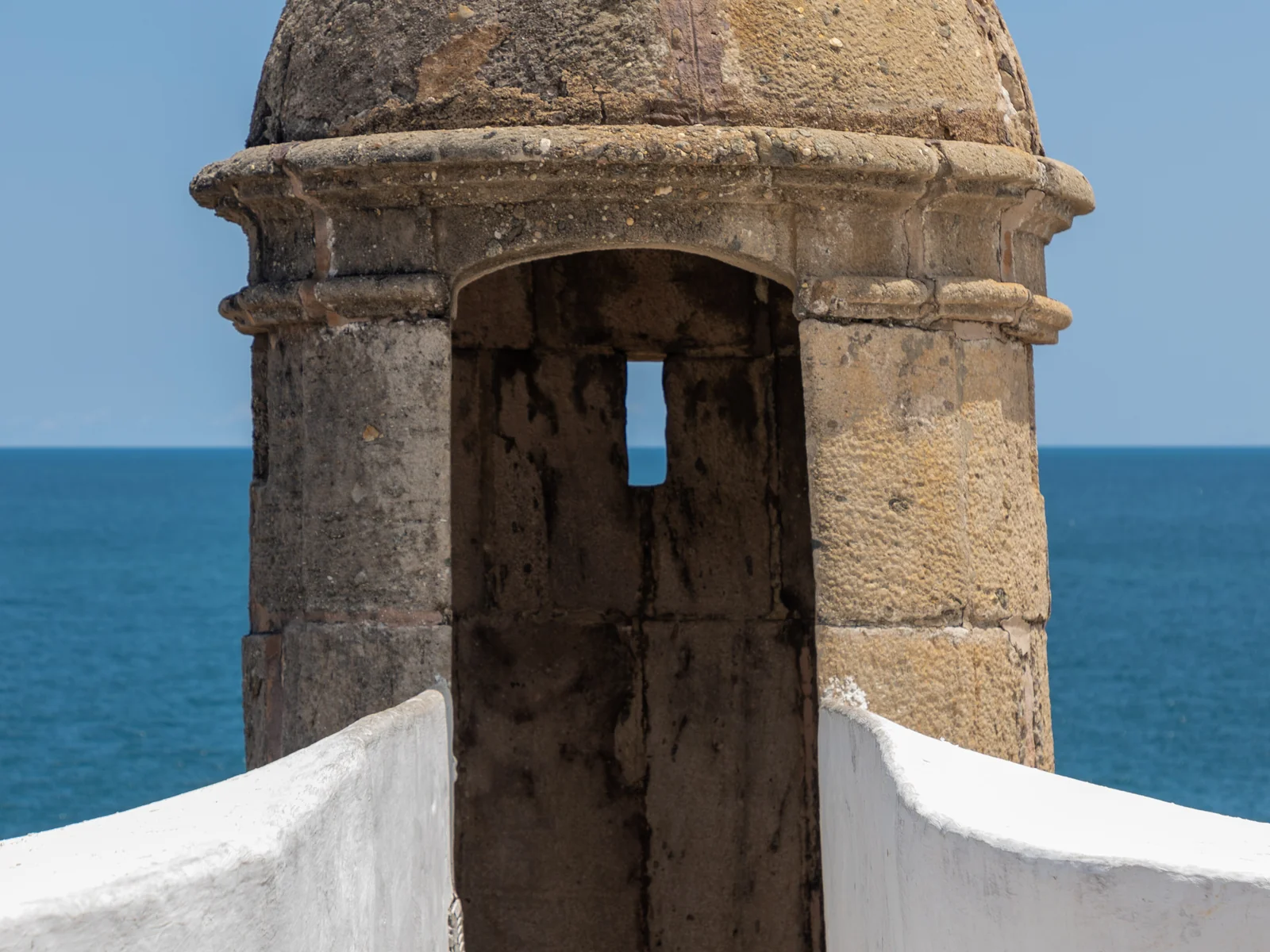
- Forte de Santo Antônio Além do Carmo — the old fort above the Pelourinho, which for years has housed several capoeira academies. This is where you go for the real thing: classes, training and rodas that belong to the community rather than to the tourist trade. Ask about visiting hours and open rodas at the gate.
- Academies across the city — many hold a weekly open roda that welcomes respectful spectators. Any academy will tell you which night if you ask.
- Festivals and batizados — the annual belt-grading ceremonies, big, joyous events with visiting mestres. Worth asking about if your dates line up.
Street rodas and the money question
Be clear-eyed about the street performances in the tourist squares, because visitors often feel ambushed by them. They are not a scam and they are not free. Groups perform in public places precisely so that watchers will pay, and photographing a roda, joining in for a moment or having someone drop a berimbau in your hands is understood as accepting the transaction. That is completely fair — these are working performers, often very skilled ones. Just handle it cleanly: decide before you lift the camera, carry small notes, give something reasonable to the person collecting, and if you'd rather not, simply don't photograph and move along. The same rule applies to the costumed baianas who pose for photos in the Pelourinho. Our Salvador safety guide covers the wider etiquette of friendly-but-commercial approaches.
Taking a class — what it's actually like
This is the part most visitors talk themselves out of and then regret. A beginner's capoeira class in Salvador requires no fitness, no flexibility and no experience. You will spend an hour learning the ginga — the swaying base step that everything else grows out of — a couple of basic kicks and escapes, and probably a turn at holding a berimbau. It is playful rather than punishing; nobody is going to make you spar. Wear loose trousers or leggings you can move in, a t-shirt and either bare feet or thin trainers, and bring water. An hour costs very little and gives you the thing photographs can't: what the rhythm feels like from inside the circle.
If you'd rather learn with someone we know and trust, we can arrange a private beginner's session through our capoeira class experience — taught by local instructors, at your pace, and easy to fit around a short stay.
Fitting it into a trip
Give capoeira two encounters rather than one. Watch a street roda in the Pelourinho early on — it costs a few reais and takes ten minutes, and it tunes your eye. Then, once you know what you're looking at, either take a class or find a real academy roda later in the week. That order matters: the second experience is far richer for having had the first. Both fit easily around everything else on our things to do in Salvador list, and both happen within walking distance of the historic centre.
Capoeira is the clearest single expression of what makes Salvador different from anywhere else in Brazil — resistance turned into art, history kept alive in the body, and a game that only exists because a circle of people show up to sing it into being. Stay in the Cidade Alta and you'll hear a berimbau from your window most days. Our four boutique suites are a few minutes' walk from the Terreiro de Jesus and from the Forte de Santo Antônio, which is to say: from both kinds of roda.
Salvador, in images
Photographs of the neighborhood, restaurant, and beach featured in this guide, with credit to each photographer.
Ready to discover Salvador?
Book one of the four Via Avantgarde suites in the Pelourinho — and receive the complete guides with recommendations for your stay.